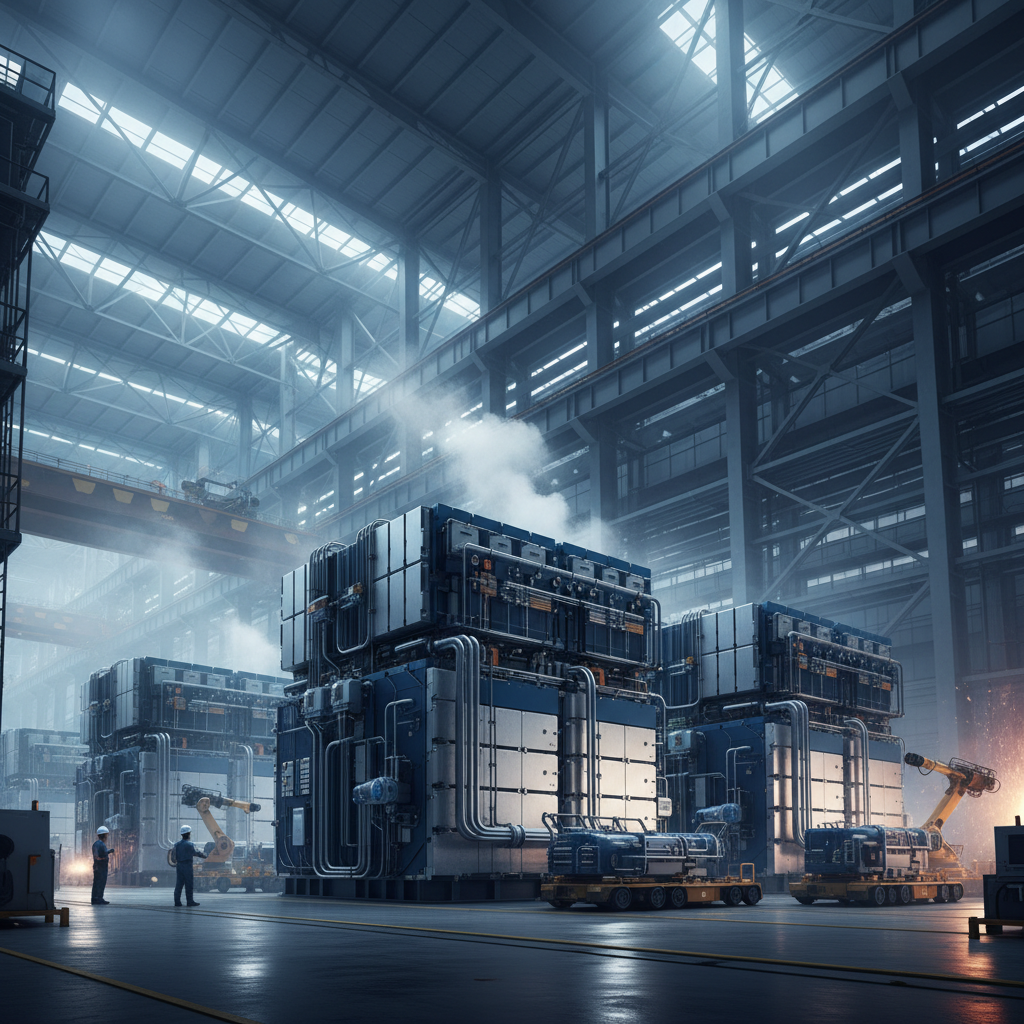

To be honest, these days everyone’s talking about prefabricated power station solutions. It’s all the rage, you see it at every trade show. Everyone’s chasing faster deployment, lower costs… it’s a feeding frenzy, really. And you know what that means? A lot of corners get cut. Have you noticed how many of these things look fantastic in the brochure, but fall apart the second you try to actually use them on a real construction site? It's frustrating.
I’ve been on sites for twenty years, and I’ve seen it all. The biggest trap, and I encounter this constantly, is over-engineering the connections. Guys get so focused on making it look robust, they forget about practicality. You need something that’s quick to assemble, easy to disassemble, and doesn’t require three guys with PhDs to figure out. Simple is better. Always.
We primarily use Q235 steel for the structural components – it’s a workhorse. Smells like oil and sweat, if you spend enough time around it. It’s got a good balance of strength and weldability, which is crucial. And the cladding? We’ve moved towards a composite aluminum panel, largely because it’s lighter, which makes transportation cheaper. Though, strangely, the guys on the loading docks still complain about dents… they treat it like it’s made of glass.

Anyway, I think the real driver behind the popularity of these power station isn't just speed or cost. It's the labor shortage. Finding skilled tradesmen is getting harder and harder. These prefabricated systems reduce the need for specialized labor on site, which is a huge win for contractors.
It's also about consistency. You know what you're getting. Less variation, less rework. In theory. It doesn’t always work out that way, though…
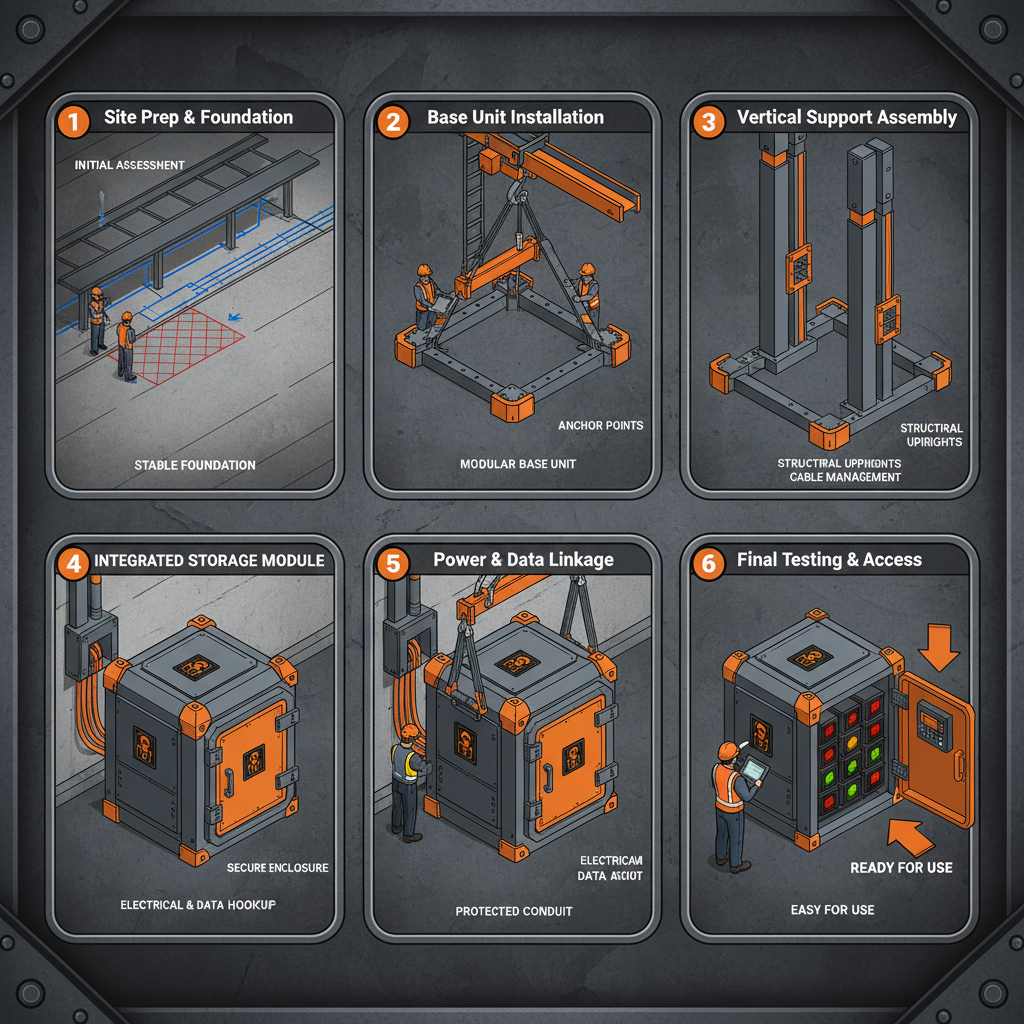
Honestly, with a skilled crew and everything laid out properly, you’re looking at around 4-6 hours for the basic structure. But that’s best-case scenario. Weather, site access, unexpected issues… it can easily stretch to a full day. And don't forget the electrical hookups – that adds another few hours, at least.
That’s a tough one. It depends on the environment, the quality of the materials, and how well it's maintained. But realistically, you’re looking at 15-20 years with proper care. We design them to withstand pretty harsh conditions, but even steel corrodes eventually. Regular inspections and maintenance are key.
Yes, but it requires additional engineering. We can reinforce the structure with extra bracing and use more flexible connections to absorb shock. It adds cost, of course, but it’s essential for safety in earthquake-prone areas. We’ve done several projects in California and Japan, and they’ve all held up well.
Absolutely. That's one of the biggest advantages. They’re designed to be disassembled and moved to a new location if needed. But it’s not as simple as picking it up and dropping it down. You need to carefully disconnect all the utilities, dismantle the structure, and transport it safely. It’s a process, but it's doable.
It depends on the soil conditions and the size of the unit. Typically, a concrete pad is sufficient. But in some cases, you might need a full foundation with footings. We always recommend a geotechnical survey to assess the site before installation. Don’t skip that step – it could save you a lot of headaches later on.
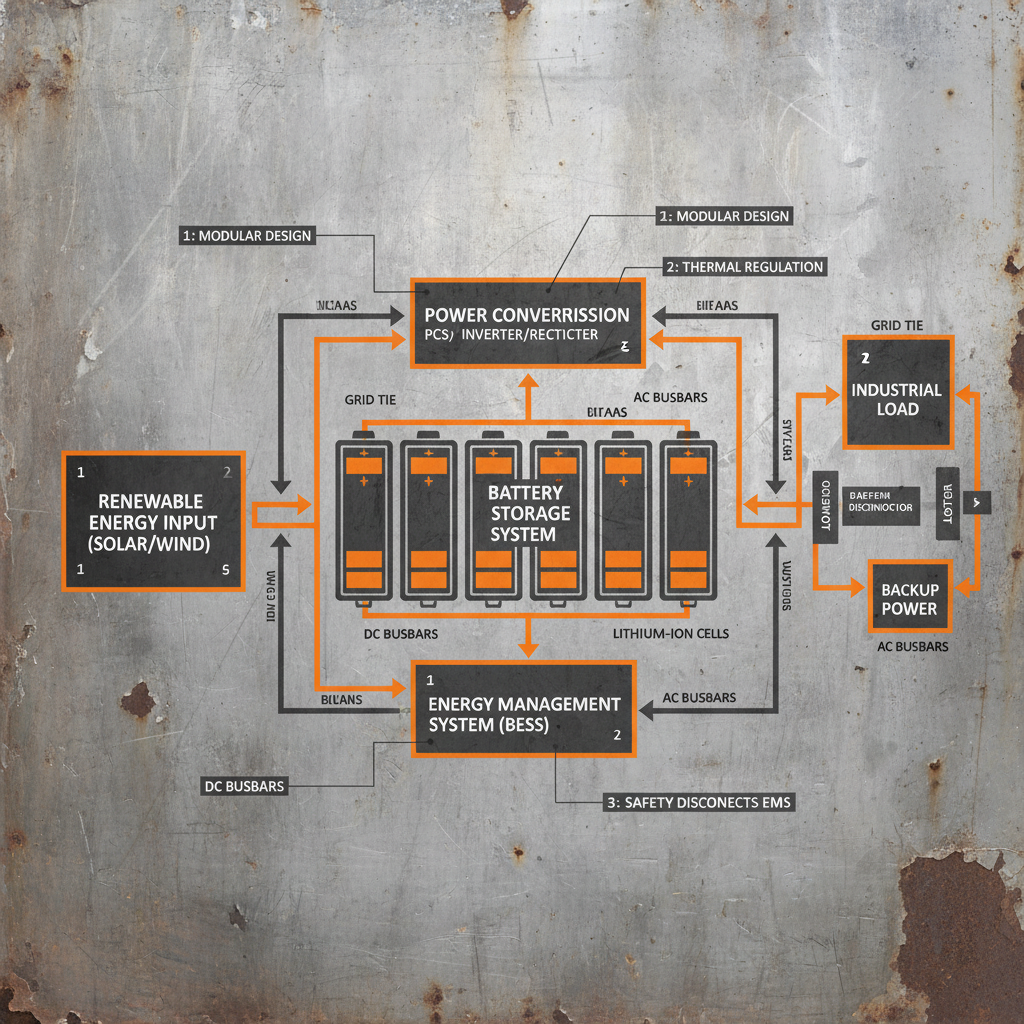
We offer a range of customization options, including different door and window configurations, internal layout changes, and the addition of specialized equipment like HVAC systems or generators. We even had one customer who wanted a built-in coffee machine! We try to accommodate reasonable requests, but it's always best to discuss your needs early in the process.
So, there you have it. These prefabricated power station are a bit of a mixed bag. They're not a perfect solution, and there are definitely challenges to overcome. But they represent a significant step forward in the construction industry, offering faster deployment, reduced costs, and improved quality control. They are changing the game.
Ultimately, whether this thing works or not, the worker will know the moment he tightens the screw. That's the real test. And if he smiles, you know you've done something right. You can find more information and explore our range of power station solutions at www.acdcbess.com.