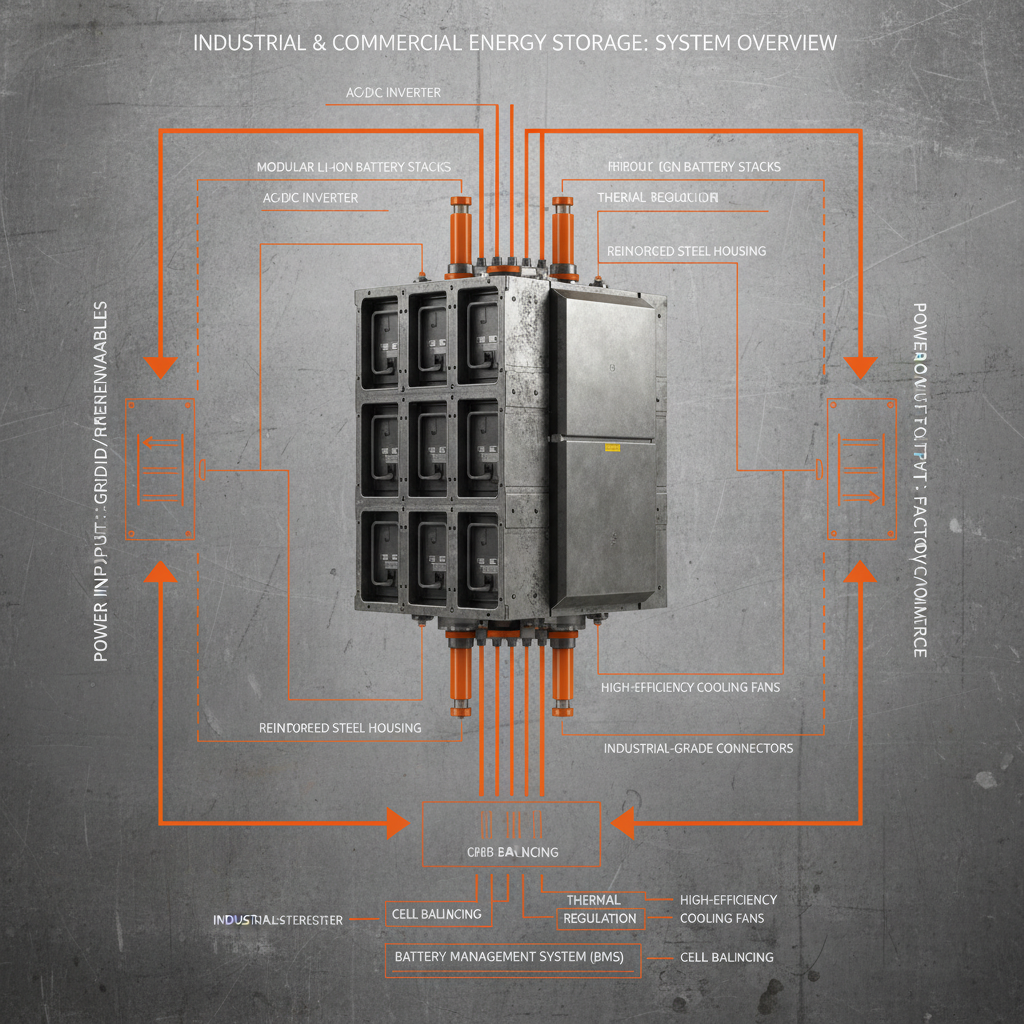
Container energy storage is rapidly emerging as a vital component of modern energy infrastructure, addressing growing demands for reliable, scalable, and sustainable power solutions. From bolstering grid stability to enabling remote operations, its applications are diverse and expanding. Understanding container energy storage is crucial for industries seeking to optimize energy costs, reduce their carbon footprint, and enhance operational resilience in an increasingly dynamic world.
The global push towards renewable energy sources like solar and wind introduces intermittency challenges, making energy storage essential for a consistent power supply. Containerized energy storage systems offer a compelling solution, providing a modular and rapidly deployable alternative to traditional power infrastructure. This is particularly crucial in areas with limited grid access, disaster-prone regions, or industries with peak demand periods.
With escalating energy costs and a rising awareness of environmental impact, investment in efficient and eco-friendly energy solutions is paramount. Container energy storage delivers on both fronts, offering a cost-effective and environmentally sound approach to managing power needs, contributing significantly to a more sustainable future.
Introduction to Container Energy Storage
Container energy storage represents a paradigm shift in how we approach power management. By integrating battery technology, power conversion systems, and control mechanisms into standardized shipping containers, these systems offer unparalleled flexibility and portability. This approach fundamentally alters the economics and logistics of energy deployment, making it accessible to a wider range of applications and locations.
The inherent modularity of container energy storage allows for easy scalability, enabling users to increase or decrease capacity as their needs evolve. This is particularly valuable in dynamic environments where energy demand fluctuates, providing a cost-effective and adaptable solution compared to traditional, fixed infrastructure. container energy storage is proving pivotal in industries worldwide.
Global Relevance and Industry Context
The demand for energy is steadily increasing globally, driven by population growth, economic development, and increasing electrification. Simultaneously, there is a pressing need to transition away from fossil fuels towards cleaner, more sustainable energy sources. This duality creates a significant challenge: how to meet growing energy demands while minimizing environmental impact. Container energy storage is a key enabler of this transition.
According to the International Energy Agency (IEA), energy storage capacity needs to increase dramatically in the coming decades to support the integration of renewable energy. Data from the UN highlights the increasing frequency of extreme weather events, often disrupting power grids and exacerbating energy insecurity. Container energy storage offers a resilient solution, providing backup power and grid stabilization in vulnerable areas.
Industries like telecommunications, data centers, and construction are increasingly reliant on uninterrupted power supplies. The World Bank is actively promoting energy access in developing countries, where containerized solutions can provide affordable and reliable power to remote communities. The challenge lies in scaling production and reducing costs to make these systems universally accessible.
Defining Container Energy Storage
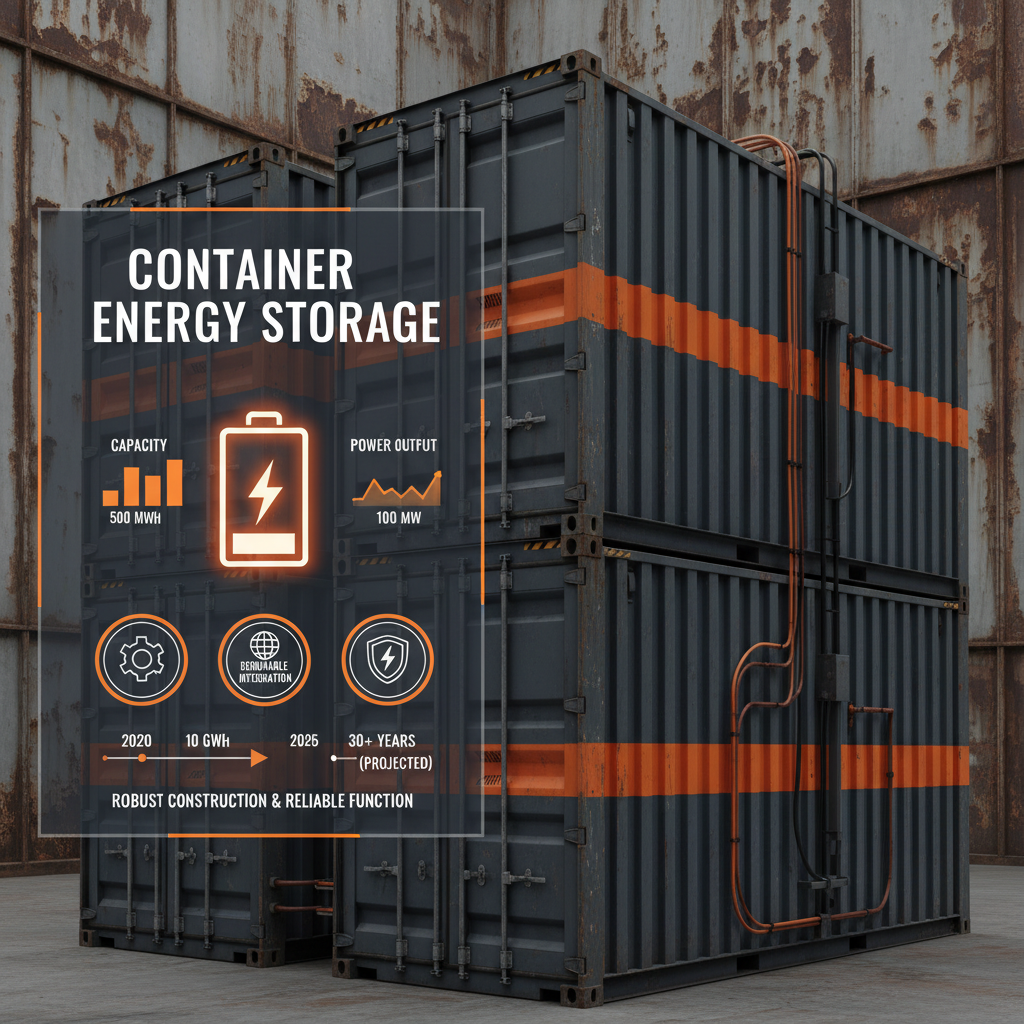
Container energy storage, at its core, is a self-contained power solution packaged within a standard ISO shipping container. This integration typically includes lithium-ion batteries, power conditioning systems (inverters and converters), cooling mechanisms, fire suppression systems, and a sophisticated control and monitoring system. The container itself provides a secure, weather-protected environment for these critical components.
What distinguishes it from traditional battery storage is its mobility and ease of deployment. Unlike large-scale, fixed battery installations, container energy storage can be transported to virtually any location with minimal site preparation. This agility is particularly beneficial for temporary power needs, disaster relief efforts, or projects in remote areas where grid connectivity is limited or nonexistent.
Its connection to modern industry and humanitarian needs is undeniable. For industry, it offers a solution to peak demand charges, grid congestion, and the need for greater energy independence. For humanitarian applications, it provides a lifeline during emergencies, powering critical infrastructure such as hospitals, shelters, and communication networks, where access to a reliable power supply can mean the difference between life and death.
Key Factors of Container Energy Storage
Several key factors contribute to the growing popularity of container energy storage. These include its inherent durability, ensuring longevity and reliability even in harsh environments. The standardized container form factor simplifies transportation and installation, reducing logistical complexities and costs.
Scalability is another crucial advantage. Systems can be easily scaled by adding or removing containers, allowing users to tailor capacity to their specific needs. Cost efficiency is achieved through standardized manufacturing processes and reduced on-site labor. Furthermore, advancements in battery technology are driving down costs and increasing energy density, making these systems increasingly competitive.
Container Energy Storage Performance Metrics
Global Applications & Use Cases
The versatility of container energy storage translates into a wide range of applications across various sectors. In post-disaster relief operations, they provide critical power to hospitals, shelters, and communication networks, restoring essential services quickly and efficiently. In remote industrial zones – such as mining operations or oil & gas facilities – they offer a reliable and cost-effective alternative to diesel generators.
The telecommunications industry utilizes container energy storage to ensure uninterrupted power to cell towers and base stations, minimizing downtime and maintaining network connectivity. Data centers employ these systems for peak shaving, reducing energy costs and enhancing grid resilience. Microgrids, particularly in island nations or rural communities, benefit significantly from the modular and scalable nature of containerized solutions.
Advantages and Long-Term Value
The advantages of container energy storage extend beyond immediate cost savings. The reduced reliance on fossil fuels contributes to environmental sustainability, lowering carbon emissions and promoting a cleaner energy future. The enhanced reliability and resilience of these systems minimize downtime and disruptions, safeguarding critical operations and improving overall efficiency.
From a social impact perspective, container energy storage empowers communities with access to reliable power, fostering economic development and improving quality of life. The inherent safety features, including advanced fire suppression systems, provide peace of mind. Building trust through reliable performance is central to the long-term value proposition.
Future Trends and Innovations
The future of container energy storage is bright, with ongoing innovations focused on enhancing performance, reducing costs, and expanding applications. Advancements in battery technology, such as solid-state batteries and flow batteries, promise higher energy density, improved safety, and longer lifespans. Digital transformation and the integration of artificial intelligence (AI) are enabling more sophisticated energy management and predictive maintenance.
Automation and remote monitoring capabilities will further streamline operations and reduce operational costs. The increasing focus on green energy and circular economy principles will drive the development of sustainable battery recycling solutions. Policy changes and government incentives are expected to accelerate the adoption of container energy storage worldwide.
container energy storage is well-positioned to play a crucial role in the transition to a more sustainable and resilient energy future.
FAQS
Containerized systems offer significant advantages in terms of portability, rapid deployment, and scalability. Unlike traditional systems that require extensive site preparation and lengthy installation processes, containerized solutions can be quickly transported and connected, making them ideal for temporary power needs, remote locations, or emergency response situations. The modular design allows for easy capacity adjustments as required.
Container energy storage systems, utilizing modern lithium-ion batteries, typically have a lifespan of 10-15 years, depending on usage and maintenance. While traditional diesel generators have a shorter operational lifespan – often around 5-8 years – their ongoing fuel and maintenance costs are substantially higher. The lower lifecycle cost and reduced environmental impact make container energy storage a more sustainable long-term investment.
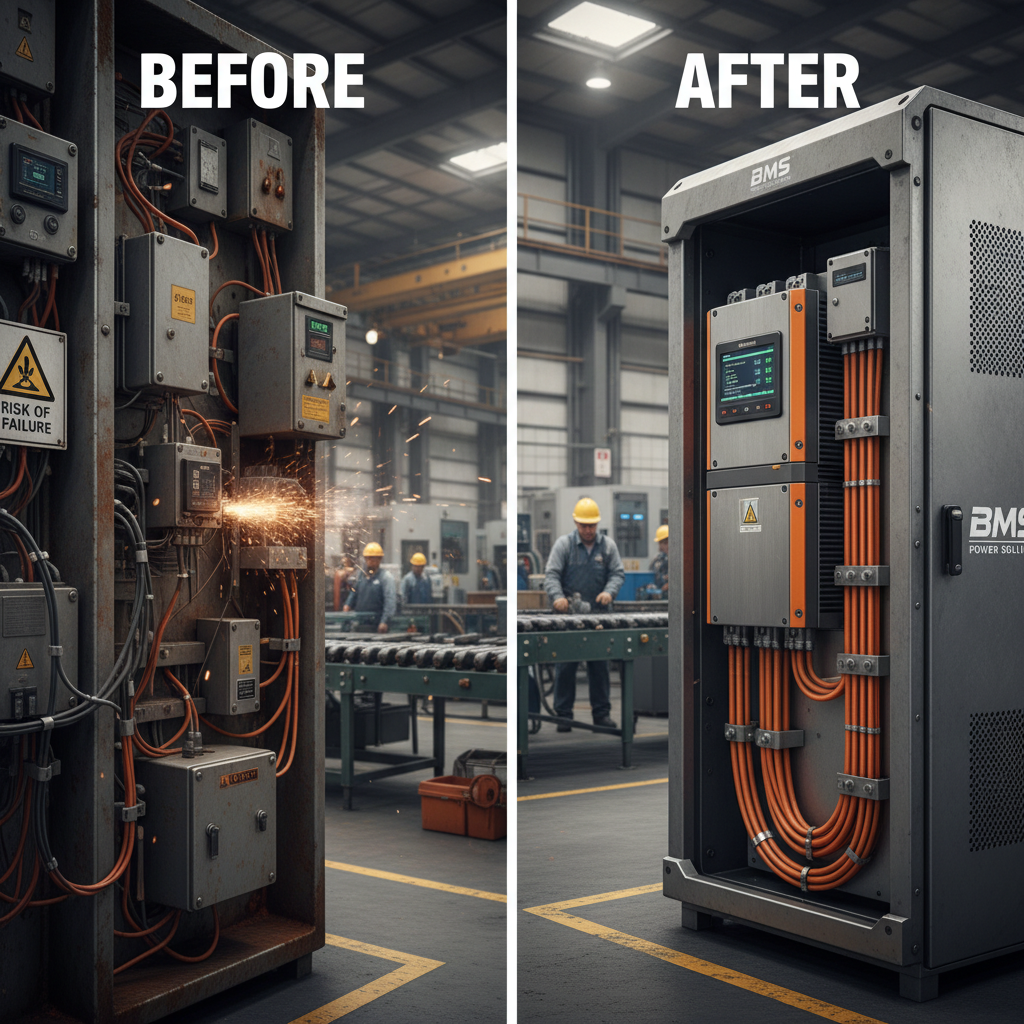
Safety is paramount in the design of container energy storage systems. They incorporate multiple layers of protection, including advanced battery management systems (BMS) to prevent overcharging and overheating, automated fire suppression systems, and robust thermal insulation. The container itself provides a physical barrier and safeguards against environmental factors. Regular monitoring and maintenance further enhance safety.
The ROI for container energy storage varies depending on factors such as energy costs, usage patterns, and available incentives. However, typical ROI periods range from 3 to 7 years, driven by reduced energy bills, peak shaving benefits, and decreased reliance on expensive and polluting diesel generators. Government subsidies and tax credits can further accelerate ROI.
Transporting container energy storage systems is straightforward, as they utilize standard ISO shipping container dimensions, compatible with existing logistics infrastructure. Deployment typically requires a level concrete pad and an electrical connection. Minimal on-site construction is needed, significantly reducing installation time and costs. Proper permitting and compliance with local regulations are crucial.
Container energy storage plays a critical role in enhancing grid stability by providing ancillary services such as frequency regulation and voltage support. These systems can quickly respond to fluctuations in grid frequency, helping to maintain a consistent power supply. Their fast response time and scalability make them valuable assets in preventing blackouts and improving overall grid resilience.
Conclusion
Container energy storage is revolutionizing the energy landscape, offering a compelling combination of flexibility, scalability, and sustainability. Its ability to address critical challenges related to grid stability, energy access, and environmental impact makes it an increasingly vital component of modern energy infrastructure. By embracing this innovative technology, industries and communities can unlock significant economic and environmental benefits.
Looking ahead, continued advancements in battery technology, coupled with supportive policies and increased awareness, will further accelerate the adoption of container energy storage globally. We encourage you to explore the potential of this transformative solution for your specific energy needs and join the movement towards a cleaner, more resilient, and sustainable future. Visit our website at www.acdcbess.com to learn more.