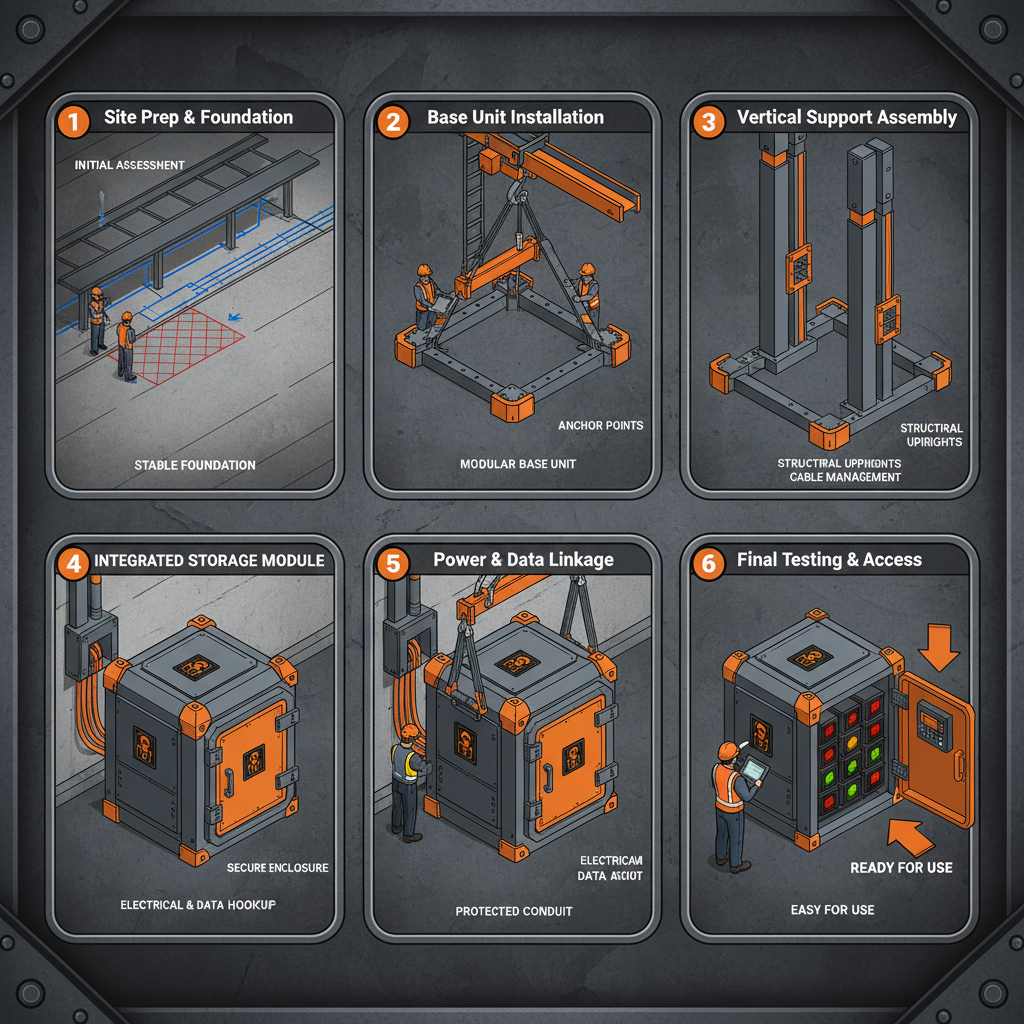
Industrial and commercial energy storage is rapidly becoming a cornerstone of modern power systems, driven by the global shift towards renewable energy sources and the increasing demand for reliable power. This technology isn't merely about storing electricity; it's about building resilience, optimizing grid operations, and facilitating a cleaner energy future. The ability to capture and release energy on demand is critical as intermittent renewable sources like solar and wind become more prevalent in the energy mix.
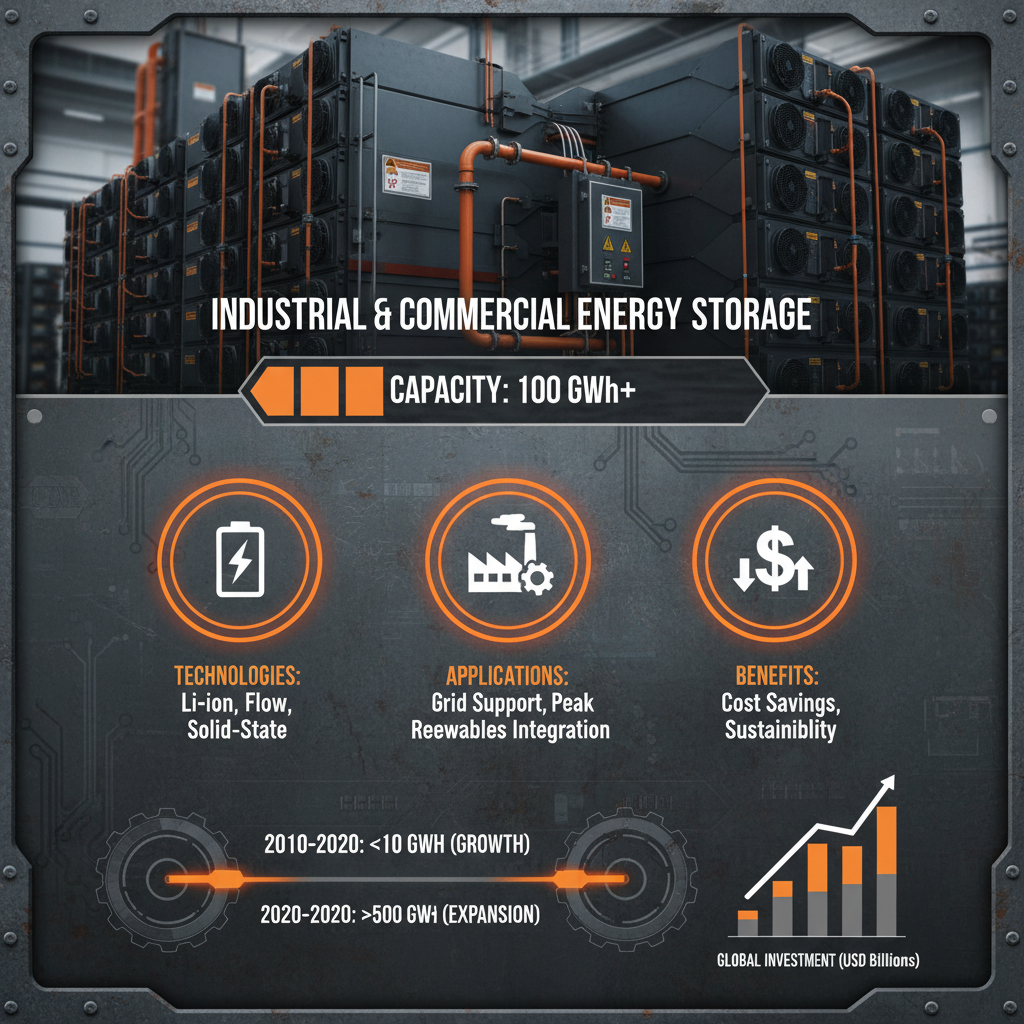
The relevance of industrial and commercial energy storage spans a multitude of sectors, from bolstering grid stability during peak demand to enabling microgrids in remote locations. According to the International Renewable Energy Agency (IRENA), energy storage capacity needs to increase dramatically – potentially by a factor of 50 by 2050 – to support the transition to a net-zero emissions energy system. This growth is fueled by falling battery costs, favorable policy changes, and a growing recognition of the economic and environmental benefits.
Understanding industrial and commercial energy storage is no longer just for energy professionals. Businesses, communities, and governments are all stakeholders in this evolving landscape. The benefits range from reduced energy costs and enhanced grid reliability to increased energy independence and a lower carbon footprint. This knowledge empowers informed decision-making and unlocks opportunities for a more sustainable and efficient energy future.
Introduction to Industrial and Commercial Energy Storage
The escalating demand for reliable, sustainable, and cost-effective energy solutions has propelled industrial and commercial energy storage to the forefront of the energy sector. This technology encompasses a diverse range of solutions designed to capture energy when it's abundant and dispatch it when needed, addressing the inherent intermittency of renewable energy sources and improving the overall efficiency of the electrical grid. industrial and commercial energy storage is becoming a necessity.
The integration of energy storage systems into industrial and commercial operations offers a compelling value proposition. From peak shaving and demand response to backup power and grid stabilization, these systems enhance operational efficiency, reduce energy costs, and improve resilience against power outages. As businesses increasingly prioritize sustainability, energy storage is also playing a crucial role in achieving environmental goals and demonstrating corporate social responsibility.
Defining Industrial and Commercial Energy Storage
Industrial and commercial energy storage refers to the deployment of technologies that capture energy for later use, specifically within industrial facilities, commercial buildings, or grid-connected applications serving these sectors. It's distinct from residential energy storage, focusing on larger-scale systems capable of handling significant energy loads and providing grid-level services. These systems can be electrochemical (batteries), mechanical (flywheels, pumped hydro), or thermal, each with its own strengths and weaknesses.
The connection to modern industry is clear: energy storage optimizes operations, reduces costs, and enhances reliability. For example, a manufacturing plant might use energy storage to mitigate peak demand charges, reducing electricity bills. Similarly, a commercial building might employ a battery system to provide backup power during grid outages, ensuring business continuity. Beyond purely economic benefits, energy storage facilitates the integration of on-site renewable energy generation, furthering sustainability initiatives.
Its relevance extends to humanitarian needs. In remote areas lacking reliable grid access, energy storage coupled with renewable sources can provide vital power for essential services like healthcare, education, and communication. Portable energy storage solutions can be critical in disaster relief scenarios, offering immediate power for emergency response efforts and supporting recovery operations.
Core Components and Key Factors
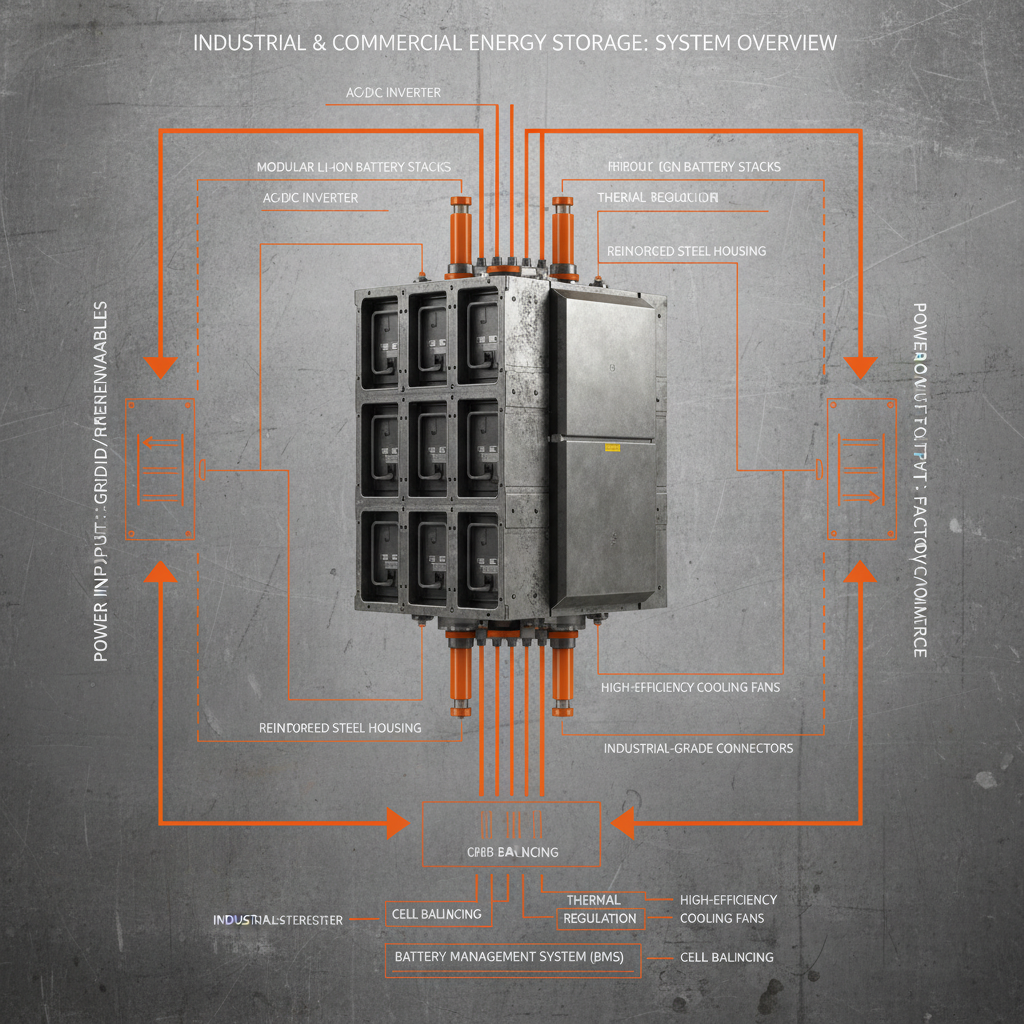
Several key aspects define the effectiveness and viability of industrial and commercial energy storage systems. Durability is paramount, as these systems often operate in demanding environments and require a long lifespan to justify the investment. High-quality components and robust designs are essential to ensure reliable performance over many years. industrial and commercial energy storage durability often hinges on careful thermal management and preventative maintenance.
Scalability is another critical factor. Businesses have varying energy needs, and a successful energy storage solution must be able to adapt and grow alongside those needs. Modular designs allow for incremental capacity additions, providing flexibility and minimizing upfront costs. Cost Efficiency is crucial; a compelling return on investment is essential for widespread adoption. This encompasses not only the initial system cost but also operating expenses, maintenance, and potential revenue streams from grid services.
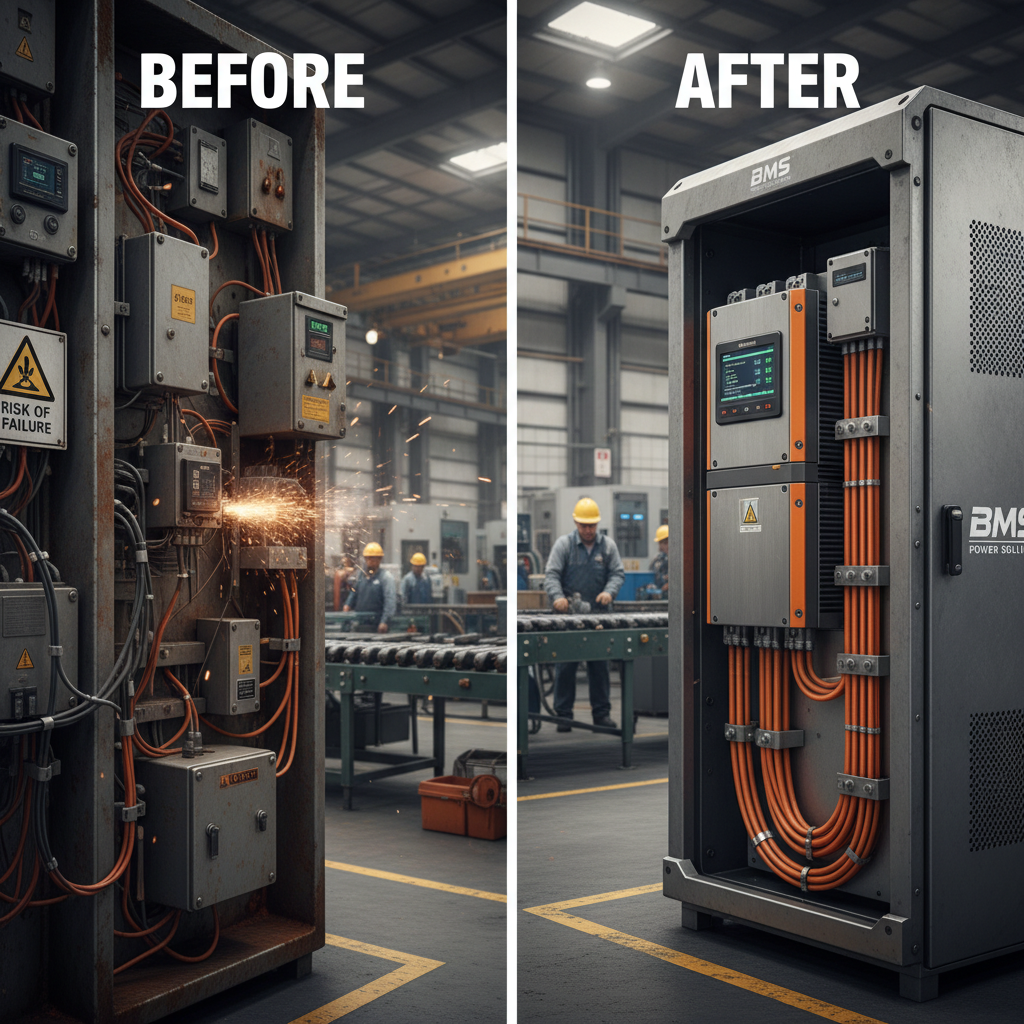
Safety cannot be overstated. Energy storage systems, particularly battery-based ones, involve potentially hazardous materials. Robust safety features, including fire suppression systems and advanced monitoring capabilities, are essential to protect personnel and facilities. Integration Capabilities are also important; seamless integration with existing electrical infrastructure and energy management systems is vital for optimal performance. Finally, Response Time is key – the ability to quickly respond to grid signals or power fluctuations is crucial for providing valuable grid services.
Global Applications and Use Cases
Industrial and commercial energy storage is being deployed across a diverse range of applications worldwide. In the United States, many businesses are utilizing energy storage for peak shaving, reducing demand charges, and participating in frequency regulation markets. In Europe, where renewable energy penetration is high, energy storage is playing a critical role in balancing the grid and ensuring a reliable power supply. industrial and commercial energy storage applications are expanding rapidly.
Regions with limited grid infrastructure, such as remote mining operations in Australia or island nations in the Pacific, are increasingly relying on energy storage coupled with renewable energy sources to achieve energy independence. In post-disaster relief operations, portable energy storage units provide critical power for emergency services and affected communities. Data centers are also significant adopters, leveraging energy storage for backup power and reducing their carbon footprint.
Organizations like Tesla, Fluence, and Eaton are leading the way in providing energy storage solutions for industrial and commercial customers, offering a range of systems tailored to specific needs. Furthermore, many utilities are investing in large-scale energy storage projects to enhance grid reliability and support the integration of renewable energy.
Industrial and Commercial Energy Storage Deployment by Method
Advantages and Long-Term Value
The advantages of adopting industrial and commercial energy storage are multifaceted. Tangible benefits include reduced energy costs through peak shaving and demand response, improved power quality and reliability, and the ability to participate in lucrative grid services markets. The reduction in energy expenses directly impacts a company's bottom line, providing a strong economic incentive. industrial and commercial energy storage is cost effective.
Beyond the financial benefits, energy storage contributes to sustainability goals by enabling greater integration of renewable energy sources, reducing carbon emissions, and promoting responsible energy consumption. Socially, enhanced grid resilience protects critical infrastructure and ensures the continuity of essential services. There’s an element of safety – backup power systems safeguard against disruptions and protect valuable assets. Emotionally, energy storage provides peace of mind, knowing that operations can continue even during grid outages.
The long-term value extends to building a reputation for innovation and sustainability, attracting environmentally conscious customers and investors. Trust in a reliable power supply fosters confidence among stakeholders, enhancing brand image and strengthening competitive advantage.
Future Trends and Innovations
The future of industrial and commercial energy storage is brimming with innovation. Advancements in battery technology, such as solid-state batteries and sodium-ion batteries, promise higher energy density, improved safety, and lower costs. Digitalization and the integration of artificial intelligence (AI) are enabling smarter energy management systems, optimizing storage operations and predicting energy demand with greater accuracy.
The convergence of energy storage with green energy sources, like hydrogen production and renewable fuel creation, opens up new possibilities for decarbonizing the energy system. Automation and remote monitoring capabilities are reducing operational costs and enhancing system performance. Policy support, including tax incentives and regulatory frameworks that value energy storage services, will be crucial for accelerating adoption.
Challenges and Solutions
Despite the considerable progress, several challenges remain in the widespread adoption of industrial and commercial energy storage. High upfront costs can be a barrier, particularly for smaller businesses. Intermittency and degradation of battery performance over time are also concerns. Furthermore, navigating complex regulatory landscapes and securing grid interconnection approvals can be time-consuming and costly.
Innovative financing models, such as energy-as-a-service (EaaS) and power purchase agreements (PPAs), can mitigate the upfront cost barrier. Advanced battery management systems (BMS) and predictive maintenance algorithms can optimize battery performance and extend lifespan. Streamlined regulatory processes and standardized interconnection procedures are needed to facilitate faster deployment. industrial and commercial energy storage solutions are constantly improving.
Addressing these challenges requires collaboration between technology developers, policymakers, and end-users to create a supportive ecosystem for the continued growth of industrial and commercial energy storage.
Table Summarizing Key Challenges and Solutions for Industrial and Commercial Energy Storage
| Challenge |
Impact on Adoption |
Proposed Solution |
Implementation Difficulty (1-10) |
| High Initial Investment |
Slows down adoption, especially for SMEs |
Energy-as-a-Service (EaaS) models |
6 |
| Battery Degradation |
Reduced lifespan, increased maintenance costs |
Advanced Battery Management Systems (BMS) |
7 |
| Regulatory Hurdles |
Delays project timelines, increases costs |
Standardized Interconnection Procedures |
8 |
| Grid Interconnection Complexity |
Technical challenges, permitting delays |
Smart Grid Integration Technologies |
9 |
| Lack of Skilled Workforce |
Installation and maintenance challenges |
Targeted Training Programs |
5 |
| Supply Chain Constraints |
Component shortages, price volatility |
Diversified Sourcing Strategies |
7 |
FAQS
The payback period for industrial and commercial energy storage varies significantly based on factors like system size, electricity rates, incentive programs, and usage patterns. However, a typical payback period ranges from 3 to 7 years. Systems utilized for peak shaving and demand charge reduction often offer the quickest returns, while those focused solely on backup power might have longer payback periods. Detailed financial modeling, considering all relevant costs and benefits, is crucial for accurate payback projections.
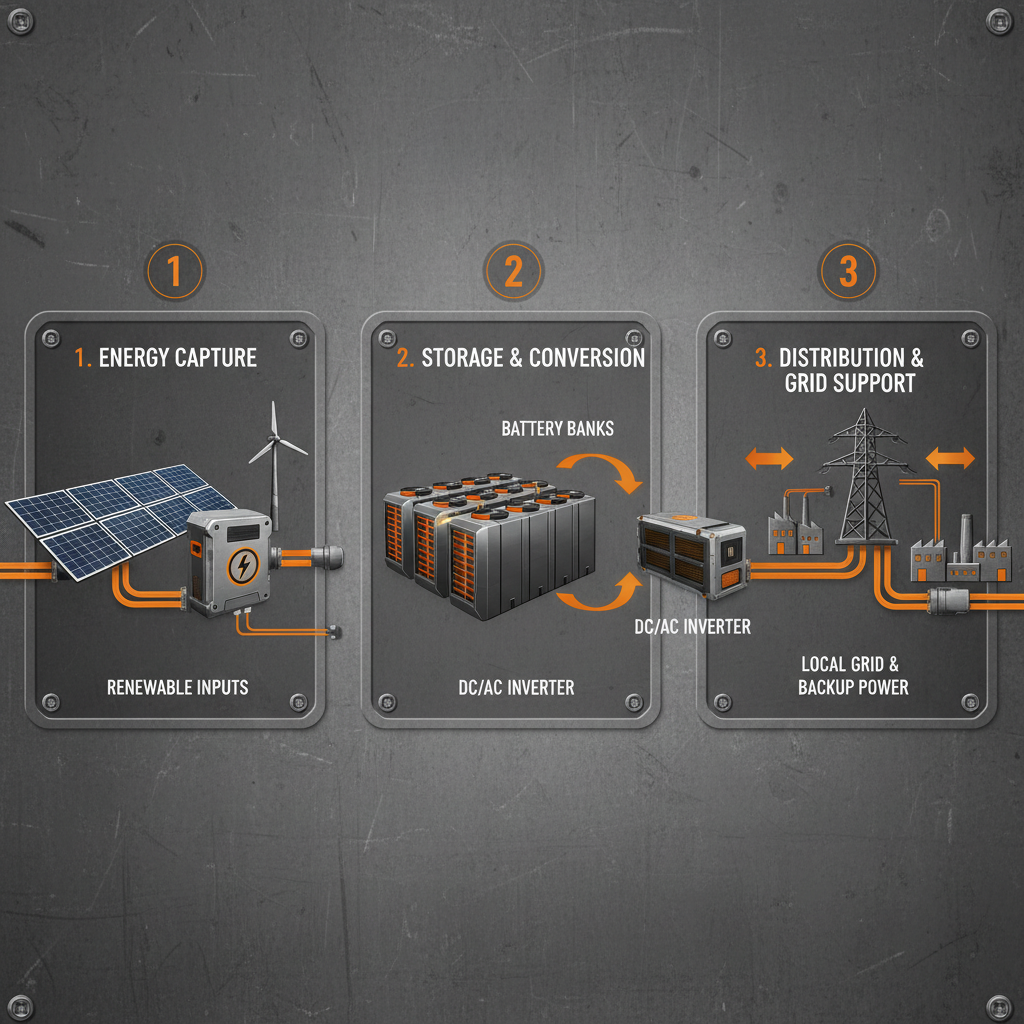
Energy storage systems can be seamlessly integrated with existing solar installations to maximize self-consumption of renewable energy. Excess solar energy generated during peak sunlight hours can be stored in the battery and discharged during periods of low solar production or high demand. This reduces reliance on the grid, lowers electricity bills, and increases the overall value of the solar investment. Integration typically involves a smart inverter and energy management system that coordinates the flow of power between the solar panels, battery, and grid.
Safety is a paramount concern in industrial battery energy storage. Systems typically incorporate multiple layers of protection, including thermal management systems to prevent overheating, fire suppression systems (often using inert gases), and advanced battery monitoring systems to detect and address potential issues. Enclosures are designed to contain any potential incidents, and systems often comply with stringent safety standards and certifications, such as UL 9540. Regular inspections and maintenance are also crucial for ensuring ongoing safety.
Yes, industrial and commercial energy storage systems can participate in various grid services markets, providing valuable support to grid operators. These services include frequency regulation, voltage support, and capacity reserves. Participating in these markets can generate additional revenue streams for system owners, further improving the economic viability of energy storage. However, participation requirements vary depending on the market and local regulations.
Commercial battery storage systems require regular maintenance to ensure optimal performance and longevity. This typically includes visual inspections of the system components, monitoring battery health and performance data, cleaning and tightening connections, and periodic testing of safety systems. Preventative maintenance schedules vary depending on the system type and operating conditions, but generally involve annual or bi-annual inspections by qualified technicians.
Industrial and commercial energy storage offers significant environmental benefits. By enabling greater integration of renewable energy sources, it reduces reliance on fossil fuel-based power generation, lowering carbon emissions and improving air quality. Energy storage also improves grid efficiency, reducing energy losses during transmission and distribution. Furthermore, responsibly managed battery recycling programs minimize the environmental impact of end-of-life batteries.
Conclusion
Industrial and commercial energy storage is no longer a futuristic concept; it’s a practical, cost-effective, and increasingly essential component of a modern, sustainable energy system. From enhancing grid resilience and reducing energy costs to enabling the integration of renewable energy and supporting environmental goals, the benefits are far-reaching. The technology’s scalability and adaptability make it suitable for a diverse range of applications, empowering businesses and communities to take control of their energy future.
Looking ahead, continued innovation in battery technology, coupled with supportive policies and streamlined regulatory processes, will accelerate the deployment of industrial and commercial energy storage. Investing in this technology is not just about improving energy efficiency; it's about building a more sustainable, reliable, and resilient energy future for generations to come. Visit our website at www.acdcbess.com to learn more about how we can help you unlock the power of energy storage.