

Mar . 21, 2026 01:55 Back to list
Choosing the Best Portable AC Power Supply from Home Depot for Your Needs
Choosing the Right Portable AC Power Supply from Home Depot
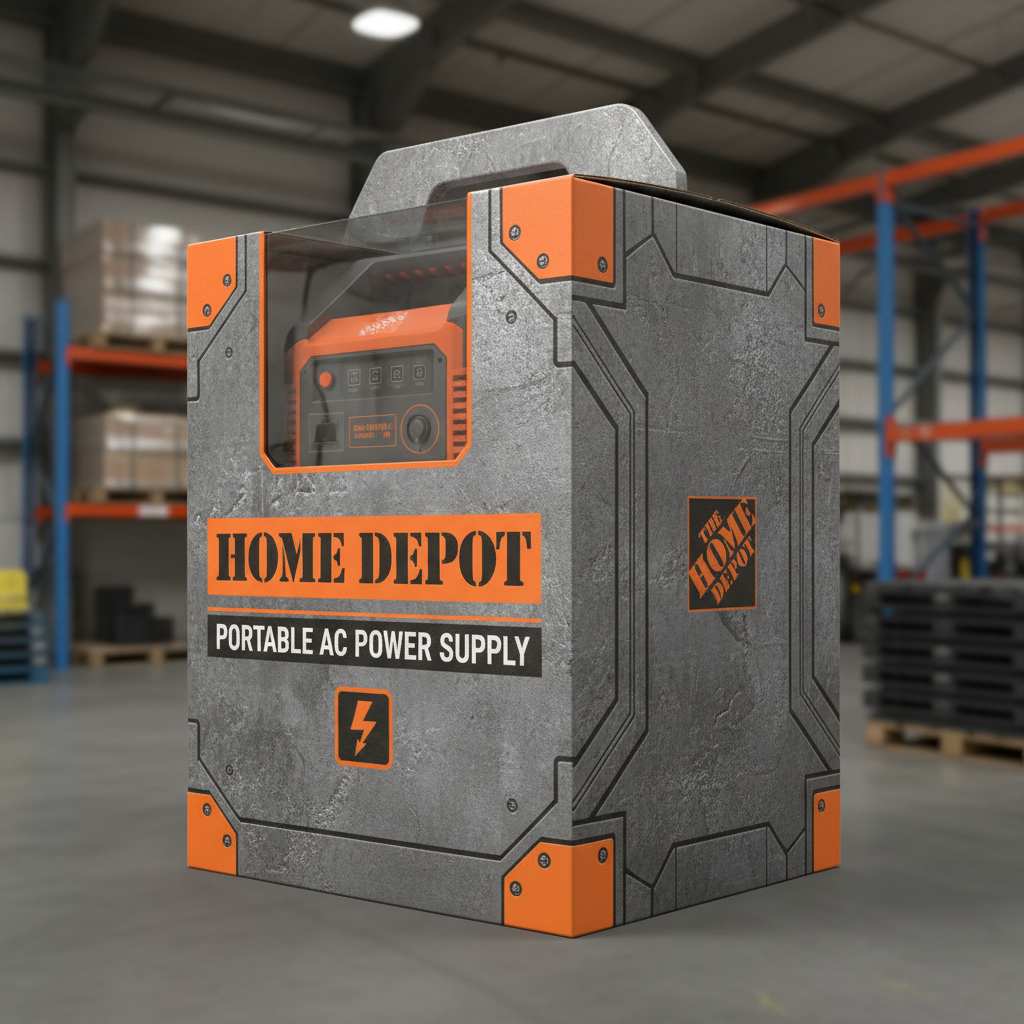
When facing power outages or needing electricity in remote locations, a portable AC power supply is a lifesaver. Many consumers turn to Home Depot for these solutions. However, navigating the options can be challenging. This guide will delve into the factors to consider when purchasing a portable AC power supply, the types available, and how to choose the right one for your needs. We will also explore offerings from ACDCBESS and how they compare to options found at Home Depot. Selecting the right power supply ensures reliable energy for essential appliances and peace of mind.
Understanding Portable AC Power Supply Types
Portable AC power supplies come in several forms, each suited for different applications. Gas-powered generators are common, offering high wattage but producing noise and emissions. Inverter generators are quieter and produce cleaner power, ideal for sensitive electronics. Battery-powered stations, like those offered by ACDCBESS, provide a silent and emission-free solution, relying on rechargeable batteries. Finally, dual-fuel generators offer the flexibility of running on gasoline or propane. Choosing the right type depends on your power needs, portability requirements, and environmental concerns.
Key Takeaway: Battery-powered stations offer a clean, silent, and increasingly powerful alternative to traditional generators, especially for powering essential AC appliances.
Home Depot vs. ACDCBESS: A Comparative Look
Home Depot offers a wide range of portable AC power supplies, predominantly gas and inverter generators from brands like Honda, Champion, and Generac. These are generally reliable but often bulky, noisy, and require ongoing fuel costs. ACDCBESS specializes in battery-powered portable power stations, offering a more modern and eco-friendly approach. While the upfront cost might be higher, ACDCBESS units eliminate fuel costs and maintenance, providing a longer-term cost-effective solution. The convenience and quiet operation of ACDCBESS stations are also significant advantages.
Key Differences:
• Power Source: Home Depot – Primarily Gas/Inverter; ACDCBESS – Battery
• Noise Level: Home Depot – Noisy; ACDCBESS – Silent
• Emissions: Home Depot – Emissions present; ACDCBESS – Zero Emissions
• Maintenance: Home Depot – Requires regular maintenance; ACDCBESS – Minimal maintenance
Choosing the Right Power Supply: Factors to Consider
Several factors influence the ideal portable AC power supply. First, determine your wattage needs. Calculate the total wattage of the appliances you intend to run simultaneously. Consider surge wattage, which is the extra power required when appliances first start up. Second, assess portability. How often will you need to move the unit? Heavier units are less convenient. Third, consider runtime. How long do you need the power supply to operate? Larger fuel tanks or battery capacities provide longer runtimes. Finally, think about your budget and long-term costs, including fuel and maintenance.
ACDCBESS Power Stations: Specifications and Benefits
ACDCBESS offers a range of portable power stations with varying capacities and features. Here’s a glimpse at some key specifications:
Conclusion: Powering Your Life with Confidence
Ultimately, the best portable AC power supply depends on your specific needs. While Home Depot offers a broad selection of traditional generators, ACDCBESS provides a compelling alternative with its clean, quiet, and efficient battery-powered solutions. Carefully consider your power requirements, portability needs, and environmental concerns to make the right choice.
Frequently Asked Questions (FAQs)
How long will an ACDCBESS power station power my refrigerator?
The runtime depends on the refrigerator's wattage and the capacity of the ACDCBESS power station. A typical refrigerator consumes around 150-200W while running. A BESS500 (500Wh) could power it for approximately 2.5-3.3 hours. A larger BESS1000 (1000Wh) could power it for 5-6.6 hours. It's always best to overestimate your appliance's wattage to ensure sufficient runtime during a power outage. Consider the start-up surge of the refrigerator as well.
Can I recharge an ACDCBESS power station while using it?
Yes, most ACDCBESS power stations support pass-through charging, meaning you can recharge the unit while simultaneously powering devices. This feature is particularly useful for extended power outages, allowing you to replenish the battery while keeping essential appliances running. However, the charging process might be slower when the unit is under load.
What are the benefits of a battery-powered power station over a gas generator?
Battery-powered power stations offer several advantages: they are silent, produce zero emissions, require minimal maintenance, and are safer to operate indoors. While gas generators provide higher wattage, battery stations are ideal for powering sensitive electronics and providing a clean energy solution for various applications. The overall cost of ownership can be lower with a battery station due to the elimination of fuel costs and maintenance.
Where can I find more information about ACDCBESS products?
You can find detailed information about ACDCBESS power stations, specifications, and customer reviews on their official website: https://www.acdcbess.com. The website also provides resources on selecting the right power station for your needs and troubleshooting common issues.
-
Cedar Point EV Charging Solutions for Sustainable Tourism Experience
NewsApr.16,2026
-
Guide to Cedar Point Charging Stations for EV Park Visitors
NewsApr.16,2026
-
Acorn Stairlift Charging Point Guide for Home Mobility Optimization
NewsApr.16,2026
-
Integrating a Wireless Charging Point into Modern Infrastructure
NewsApr.16,2026
-
How to Optimize Your iPhone 14 Charging Point for Efficiency
NewsApr.16,2026
-
Analyzing the Charging Point Share Price Trends and Market Outlook
NewsApr.09,2026