


Feb . 25, 2026 01:55 Back to list
Choosing the Right Portable Power Station for Food Truck Operations
The Ultimate Guide to Choosing a Portable Power Station for Food Trucks
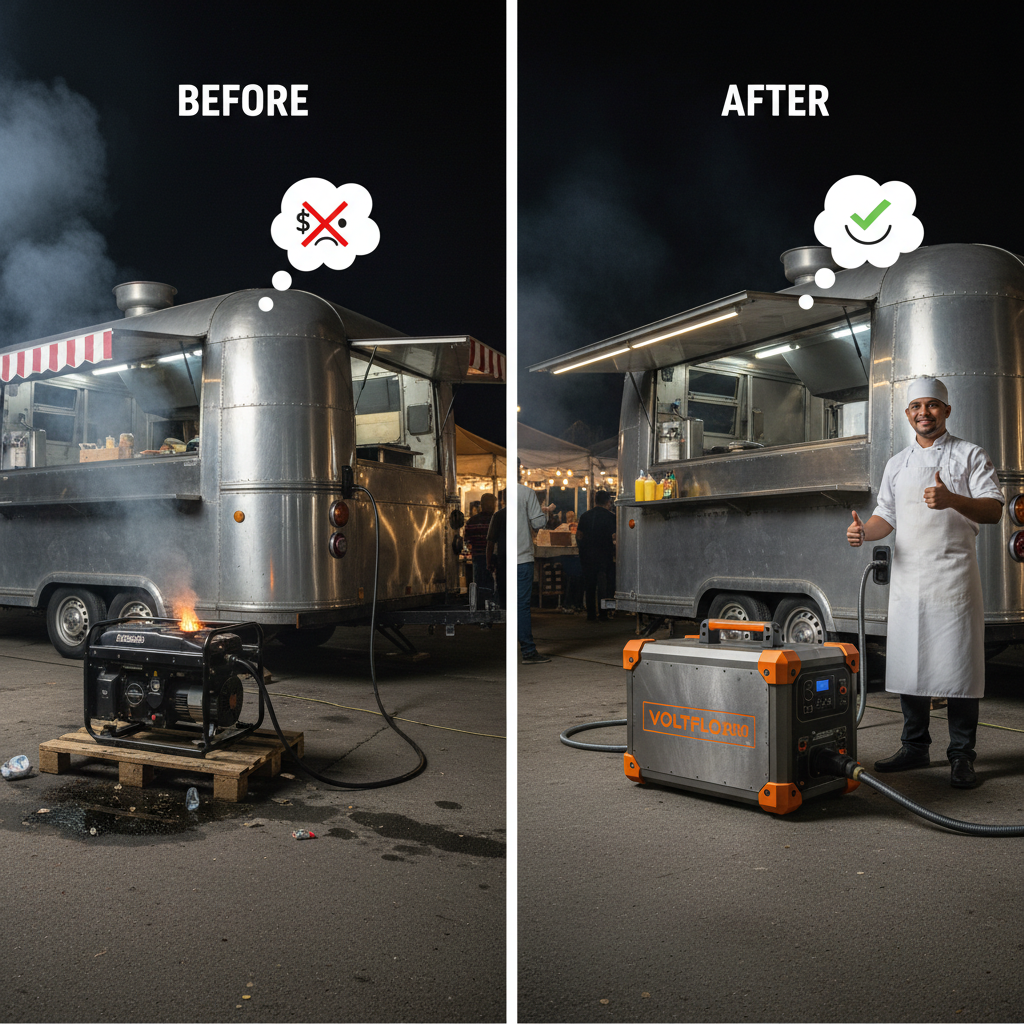
Running a food truck is an exciting venture, but it demands a reliable power source. Forget noisy, fume-emitting generators! A portable power station for food trucks offers a clean, quiet, and efficient solution. This article will explore the key considerations when selecting the right power station, ensuring your mobile kitchen stays powered up and your customers happy. We'll cover capacity, output, safety features, and more, helping you make an informed decision for your business.
Understanding Your Power Needs: Capacity is Key
Before you start browsing, assess your power requirements. List all the appliances you'll be running simultaneously – fryers, refrigerators, grills, lights, POS systems, etc. Note their wattage (W) and startup wattage (often higher than running wattage). Sum up the running wattage and the highest startup wattage to determine the minimum capacity you’ll need. Underestimating can lead to frequent recharging or appliance malfunction. Don’t forget to factor in peak hours and potential future expansion. A robust portable power station provides peace of mind, ensuring uninterrupted operation even during busy service.
Key Consideration: Always choose a power station with a capacity exceeding your calculated needs by at least 20% to accommodate unforeseen surges and prolong battery lifespan.
Output Options: AC, DC, and USB - What Do You Need?
Portable power stations offer various output types. AC outlets are essential for standard appliances like fryers and refrigerators. DC outputs are useful for car refrigerators and other 12V devices. USB ports are handy for charging phones, tablets, and POS systems. Ensure the power station has enough of each type to accommodate your equipment. Consider the output wattage of each port – some stations limit the maximum wattage on certain ports. A versatile portable power station for food trucks will handle everything your mobile kitchen throws at it.
Key Output Considerations:
• AC Output: Ensure sufficient wattage and the correct voltage for your appliances.
• DC Output: Important for 12V devices like car refrigerators.
• USB Ports: For charging smaller electronics and POS systems.
Comparing Power Station Technologies: Lithium-ion vs. Other Options
Several battery technologies are available, but lithium-ion is the dominant choice for portable power stations. Lithium-ion batteries offer the best energy density, meaning they store more power in a smaller and lighter package. They also have a longer lifespan and require minimal maintenance. Older technologies like lead-acid are heavier, bulkier, and have a shorter lifespan. While initially cheaper, the long-term cost of ownership is often higher with lead-acid due to the need for frequent replacement. Choosing a portable power station with lithium-ion batteries is a smart investment.
Safety Features: Protecting Your Investment and Your Business
Safety is paramount. Look for power stations with built-in Battery Management Systems (BMS) to protect against overcharge, over-discharge, short circuits, and overheating. A robust BMS ensures the battery operates within safe parameters, extending its lifespan and preventing potential hazards. Consider features like surge protection and temperature control. Choosing a portable power station for food trucks with certified safety standards (e.g., UL, CE) provides added reassurance.
Recharging Options: Flexibility for Your Schedule
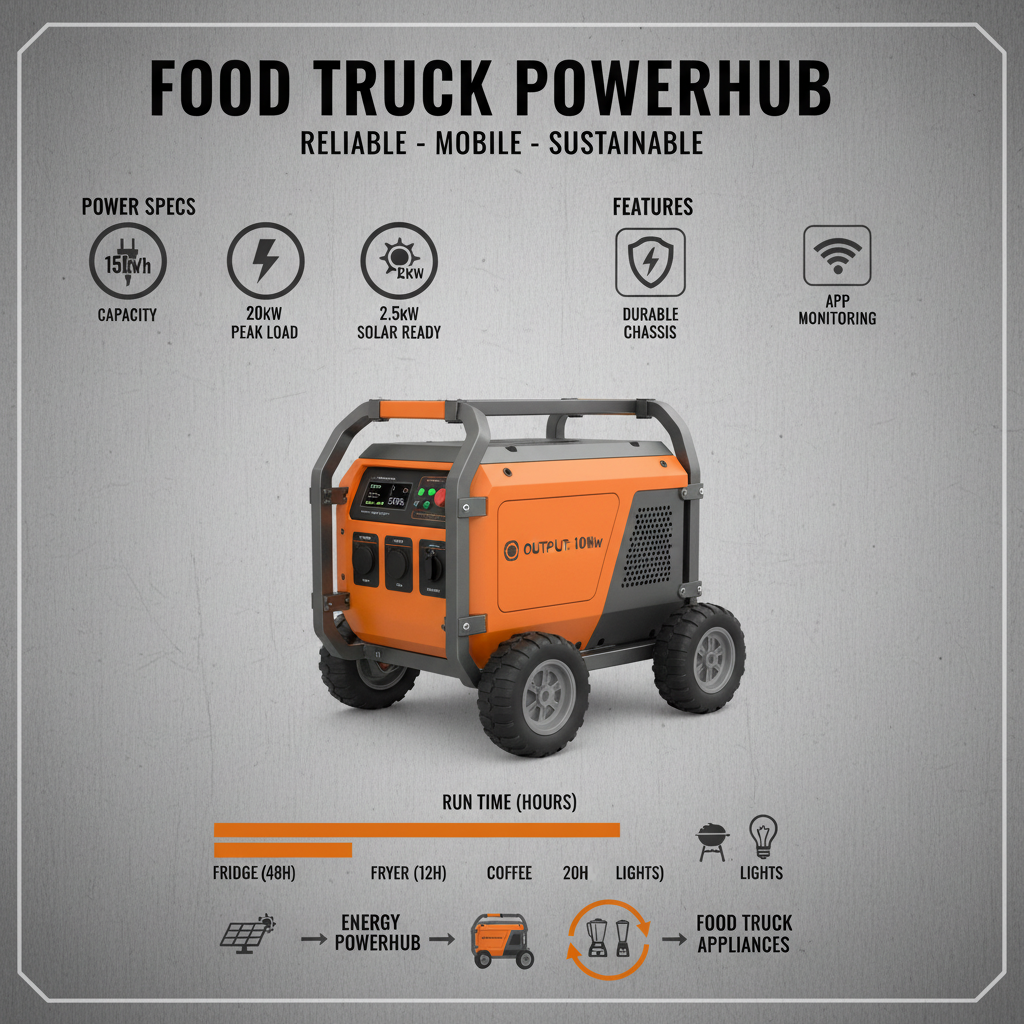
Consider how you’ll recharge the power station. Most models offer multiple options: AC wall outlet, solar charging, and car charging. Solar charging is an excellent eco-friendly and cost-effective option, especially if you operate in sunny locations. Ensure the power station is compatible with your solar panels. AC recharging is the fastest, but requires access to a power source. Car charging is convenient for on-the-go refills. A versatile recharging system allows you to stay powered up wherever your food truck takes you. ACDCBESS offers efficient and reliable solutions for food truck power.
Conclusion: Powering Your Food Truck Success
Investing in the right portable power station for food trucks is crucial for operational efficiency and customer satisfaction. By carefully considering your power needs, output requirements, safety features, and recharging options, you can select a solution that keeps your mobile kitchen running smoothly. Don’t compromise on quality – choose a reliable power station to power your food truck success.
Frequently Asked Questions (FAQs)
How long will a portable power station last on a single charge?
The runtime varies significantly depending on the power station’s capacity and the wattage of the appliances you’re running. A larger capacity power station will naturally last longer. For example, a 2000W power station with a 2000Wh capacity might power a refrigerator (150W) for approximately 13 hours. However, running a high-wattage appliance like a fryer (1800W) will significantly reduce runtime. Always calculate your estimated runtime based on your specific power consumption and the power station's capacity. It’s also wise to factor in a buffer for unforeseen energy demands.
Can I use a portable power station while it's charging?
Most modern portable power stations allow you to use them while they are charging, a feature called "pass-through charging." However, the charging speed may be reduced when the power station is in use. It's crucial to check the manufacturer's specifications to confirm if your specific model supports pass-through charging. Using the power station while charging can be convenient, but it might slightly decrease the overall lifespan of the battery if done frequently.
What is the best way to store a portable power station for long periods?
To maximize the lifespan of your portable power station during long-term storage, it's best to discharge it to around 50-60% capacity. Store it in a cool, dry place away from direct sunlight and extreme temperatures. Avoid storing it in a fully charged or fully discharged state, as both can negatively impact the battery's health. It’s also recommended to check the charge level every few months and top it up if necessary to maintain that 50-60% range.
Are portable power stations noisy?
One of the biggest advantages of portable power stations is their quiet operation. Unlike gasoline generators, they produce virtually no noise. This is a significant benefit for food trucks, as it creates a more pleasant environment for customers and complies with noise regulations in many locations. Some models might have a slight fan noise for cooling, but it's typically minimal and doesn't interfere with conversations.
-
Cedar Point EV Charging Solutions for Sustainable Tourism Experience
NewsApr.16,2026
-
Guide to Cedar Point Charging Stations for EV Park Visitors
NewsApr.16,2026
-
Acorn Stairlift Charging Point Guide for Home Mobility Optimization
NewsApr.16,2026
-
Integrating a Wireless Charging Point into Modern Infrastructure
NewsApr.16,2026
-
How to Optimize Your iPhone 14 Charging Point for Efficiency
NewsApr.16,2026
-
Analyzing the Charging Point Share Price Trends and Market Outlook
NewsApr.09,2026