
0%

Table of Contents

Outdoor power supply systems are becoming increasingly vital in our interconnected world. From ensuring reliable energy access in remote locations to providing critical support during emergencies and facilitating sustainable development, these systems play a pivotal role in modern life. Understanding the nuances of outdoor power supply – its components, applications, and future trends – is no longer just a technical concern, but a necessity for planners, engineers, and anyone invested in a resilient and sustainable future.

The global demand for robust outdoor power solutions is driven by several factors. Rapid urbanization, particularly in developing nations, strains existing grid infrastructure. The increasing frequency of extreme weather events highlights the vulnerability of centralized power systems, necessitating decentralized and readily deployable alternatives. According to the UN, over 733 million people still lack access to electricity as of 2022, largely concentrated in rural areas where extending the grid is economically challenging. This underscores the crucial role of off-grid outdoor power supply in bridging the energy gap.

The importance of outdoor power supply extends beyond simply providing electricity; it’s about enabling economic growth, improving quality of life, and enhancing community resilience. Effective outdoor power solutions are critical for industries like telecommunications, construction, oil and gas, and disaster relief, ensuring continuous operation and minimizing downtime. Investing in and understanding this technology is vital for addressing global energy challenges and fostering a more equitable and sustainable world.
Reliable Outdoor Power Supply Solutions for Modern Applications

The Significance of Outdoor Power Supply

Reliable Outdoor Power Supply Solutions for Modern Applications

The demand for reliable outdoor power supply is fueled by a growing need for decentralized energy solutions. Traditional grid infrastructure often falls short in providing consistent power to remote locations, construction sites, and during emergency situations. Outdoor power supply addresses this gap by offering self-contained, mobile, and adaptable energy sources.

These systems are critical for maintaining operational continuity in various sectors. Industries like telecommunications depend on uninterrupted power for their networks, while construction projects require reliable energy for equipment and site lighting. Moreover, outdoor power supply plays a vital role in disaster relief efforts, providing essential power for communication, medical facilities, and temporary shelters, often using outdoor power supply units.

Defining Outdoor Power Supply

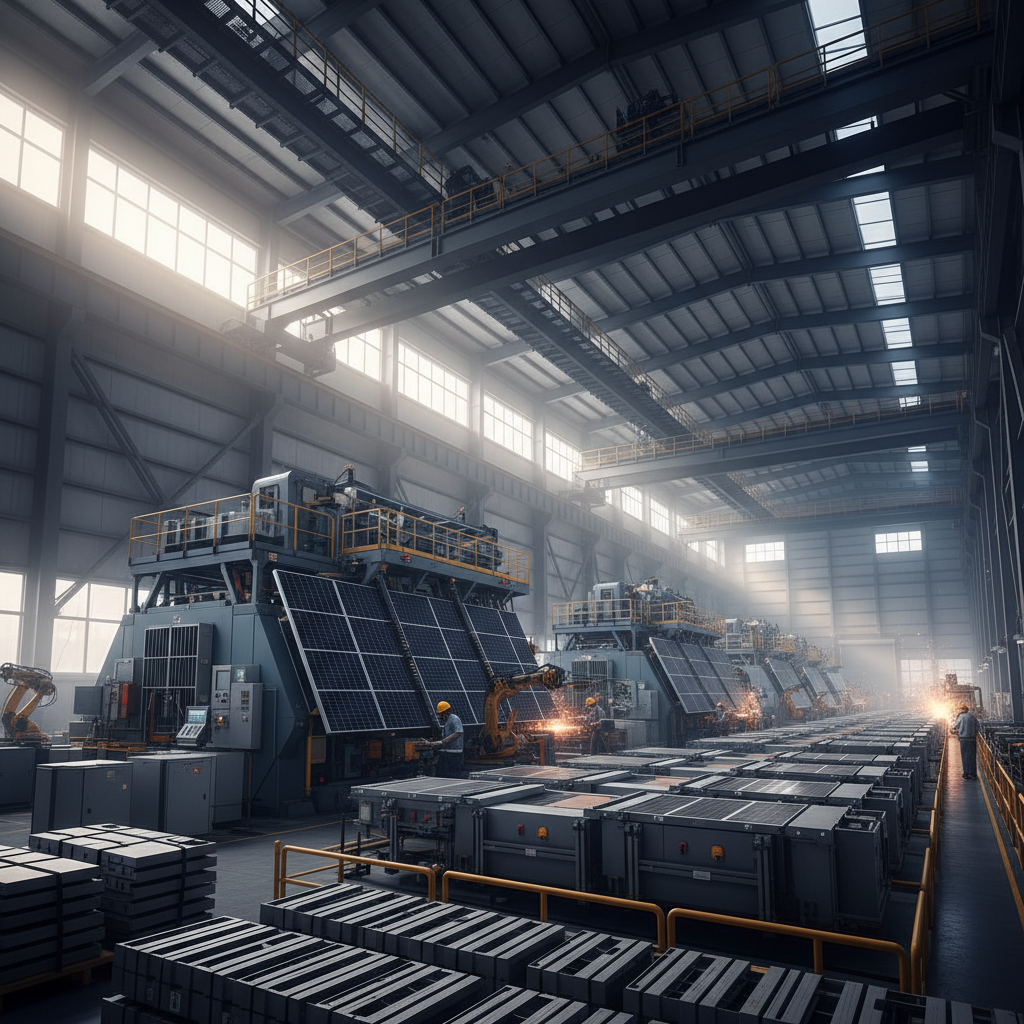
At its core, outdoor power supply refers to the generation and distribution of electrical energy in environments outside of traditional, fixed grid infrastructure. This encompasses a wide range of technologies, from portable generators and solar power stations to battery storage systems and fuel cell technologies. These systems are designed to operate reliably in challenging conditions, often withstanding extreme temperatures, humidity, and physical stress.

The connection to modern industry and humanitarian needs is direct. In a world increasingly reliant on electricity, the ability to provide power anywhere, anytime, is paramount. Outdoor power supply enables remote monitoring systems, supports off-grid communities, and ensures the continuation of critical services during grid outages. It’s a cornerstone of resilience and sustainability.

It’s more than just providing electricity; it’s about delivering energy independence and enabling economic activity where traditional infrastructure is lacking or unreliable. The evolution of outdoor power supply is driven by innovations in energy storage, renewable energy sources, and smart power management technologies.

Key Factors of Effective Outdoor Power Supply

Several key factors contribute to the effectiveness of an outdoor power supply system. First and foremost is Durability. These systems must be built to withstand harsh environmental conditions and the rigors of frequent transport and deployment. This means utilizing robust materials, weatherproof enclosures, and shock-resistant components.

Scalability is another crucial aspect. The ability to easily expand or contract power capacity to meet changing demands is essential, especially in dynamic situations like disaster relief. Modular designs and parallel operation capabilities are vital for achieving scalability. Furthermore, Cost Efficiency plays a significant role; balancing initial investment with long-term operating costs is critical for widespread adoption.

Reliability is paramount, necessitating features like automatic transfer switches, redundant power sources, and comprehensive monitoring systems. Portability is often essential, demanding compact designs and ease of transport. Finally, Environmental Impact is increasingly important, driving the adoption of renewable energy sources and sustainable technologies within outdoor power supply systems.

Core Components of Outdoor Power Supply Systems

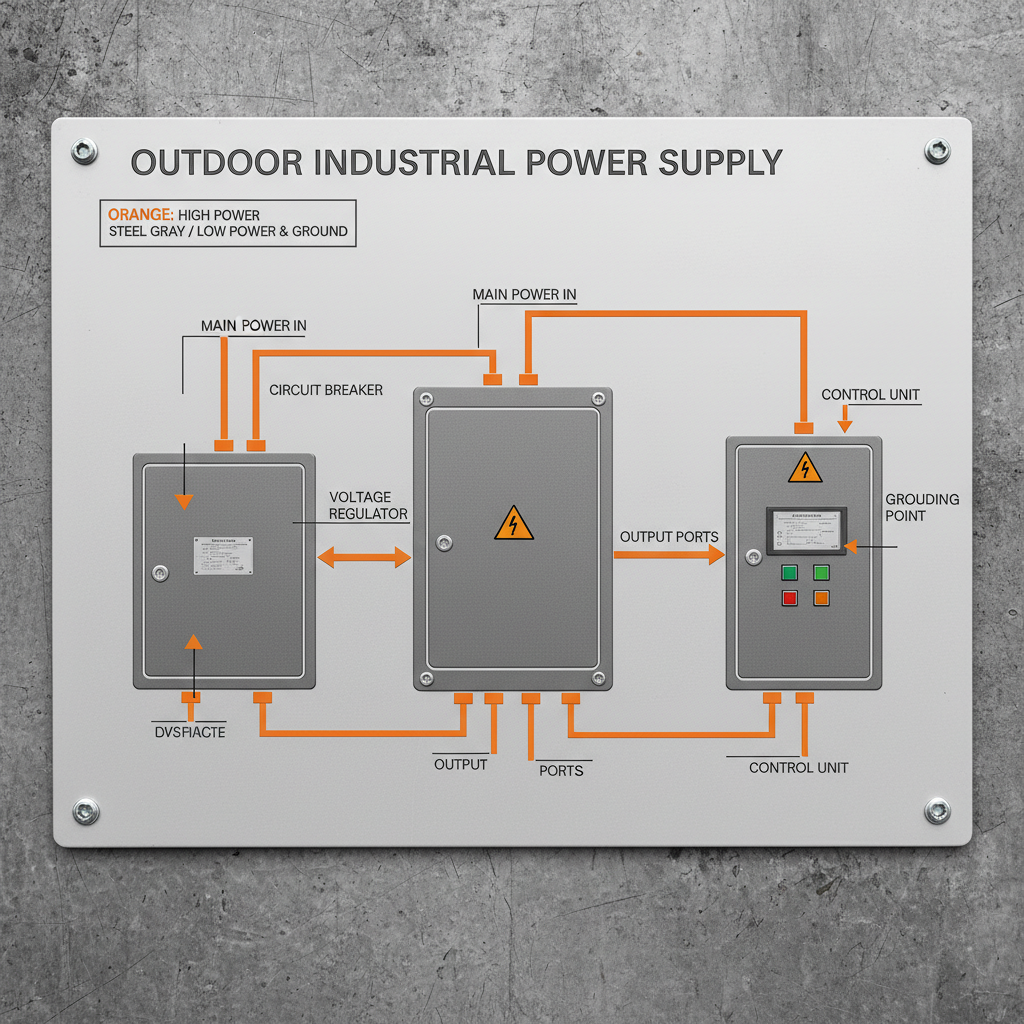
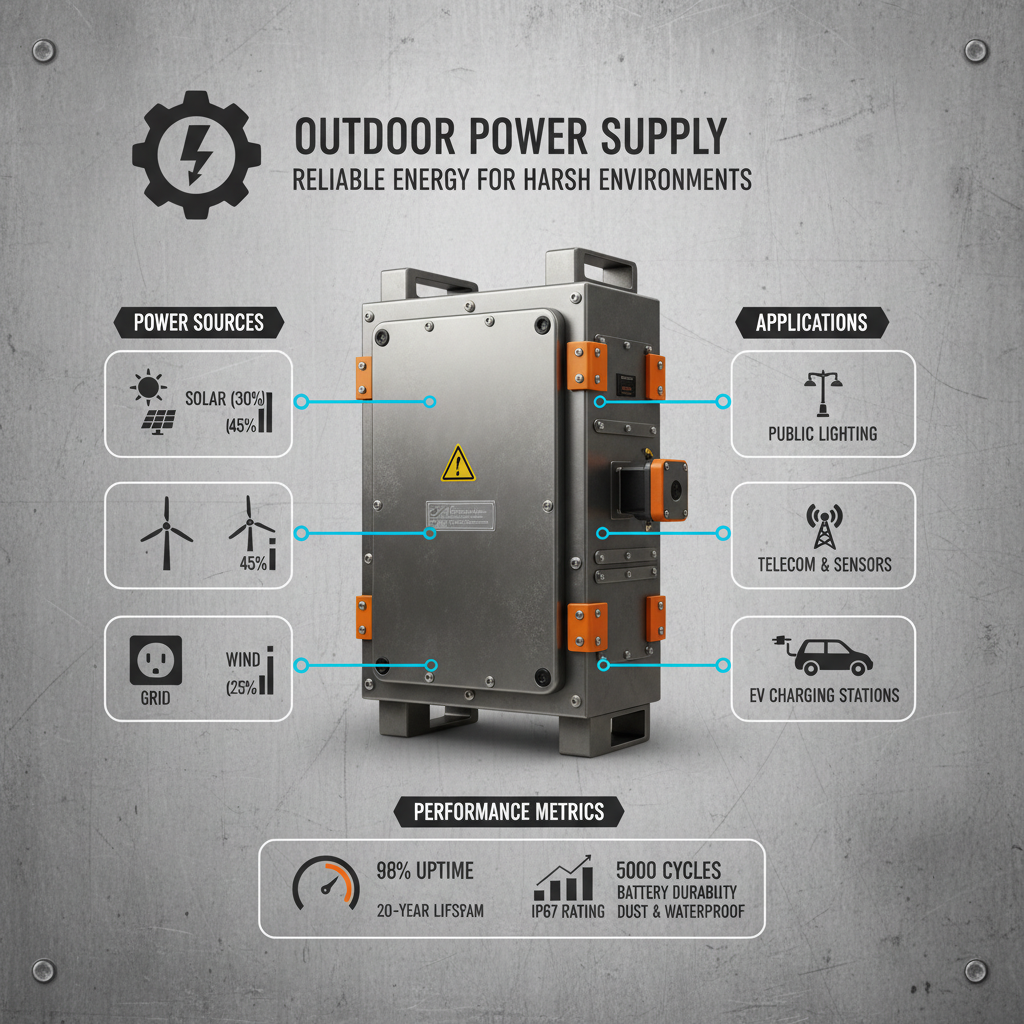
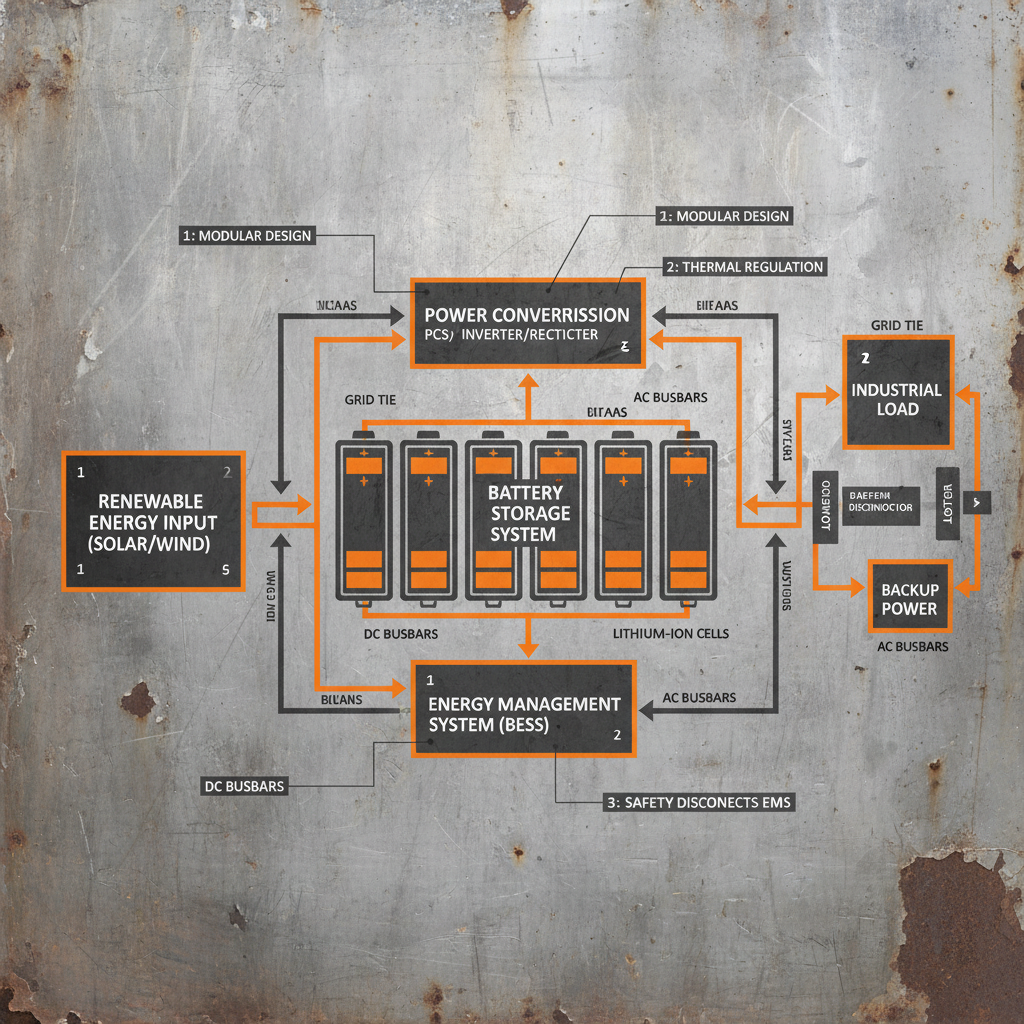
Outdoor power supply systems are composed of several essential components working in harmony. The Energy Source can vary widely, including diesel or gasoline generators, solar panels, wind turbines, or fuel cells. The choice depends on factors such as availability of resources, cost, and environmental considerations.

Power Source Contribution to Outdoor Power Supply


Global Applications and Use Cases

The applications of outdoor power supply are incredibly diverse. In post-disaster relief operations, these systems provide immediate power for emergency services, hospitals, and communication networks. In remote industrial zones, such as mining or oil exploration sites, they enable continuous operations where grid access is limited or unavailable.

The telecommunications industry relies heavily on outdoor power supply to maintain cell tower operation, especially in areas prone to power outages. Construction sites utilize these systems to power tools, lighting, and temporary facilities. Military and defense applications require robust and reliable outdoor power solutions for field operations and remote bases.

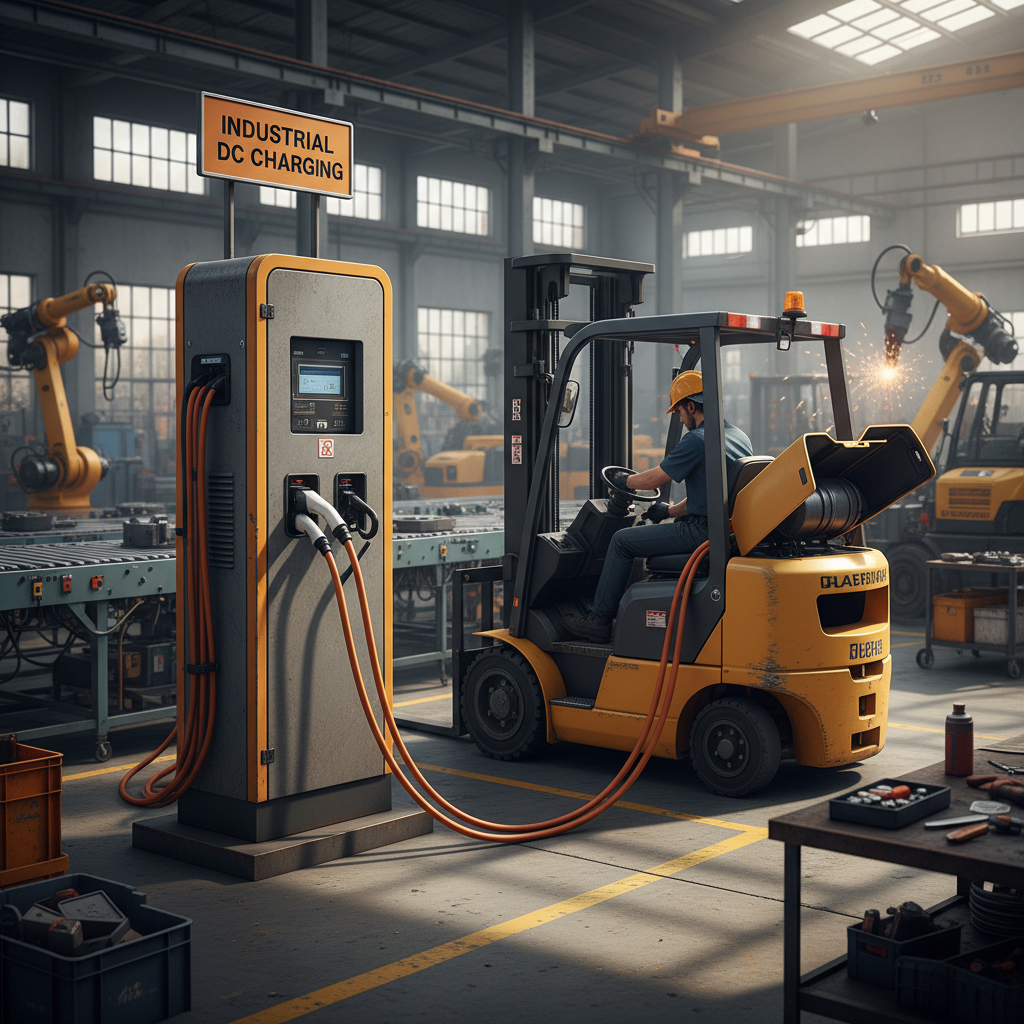
Moreover, the growing adoption of electric vehicles is driving demand for portable charging stations, extending the reach of EV infrastructure into areas without dedicated charging points. Agricultural operations are also benefiting from outdoor power supply, enabling irrigation systems and powering remote monitoring equipment.

Advantages and Long-Term Value

The advantages of utilizing outdoor power supply extend far beyond immediate energy access. The cost savings associated with avoiding expensive grid extensions or relying on fuel deliveries can be substantial. The sustainability benefits, particularly with renewable energy sources like solar, contribute to a reduced carbon footprint.

The social impact is profound, enabling access to education, healthcare, and economic opportunities in remote communities. Reliability is a critical factor, ensuring uninterrupted operations and minimizing downtime. Beyond these tangible benefits, there’s the emotional reassurance of safety and dignity that comes with having access to dependable power. Outdoor power supply fosters innovation by enabling new technologies and applications. It also builds trust with communities and stakeholders.

Future Trends and Innovations

The future of outdoor power supply is poised for significant advancements. The integration of green energy sources, such as advanced solar panels and wind turbines, will continue to accelerate, driven by declining costs and growing environmental concerns. Digital transformation will play a crucial role, with smart power management systems optimizing energy usage and predicting maintenance needs.

Automation will enhance the efficiency and reliability of these systems, enabling remote monitoring, control, and diagnostics. Innovations in energy storage technologies, such as solid-state batteries and flow batteries, will improve energy density and lifespan. The development of microgrids and virtual power plants will further decentralize the energy landscape, creating more resilient and sustainable power networks. These advancements will leverage outdoor power supply infrastructure for efficient and scalable implementation.

Furthermore, policy initiatives promoting renewable energy adoption and incentivizing sustainable practices will further accelerate the growth of the outdoor power supply market.

FAQS

What are the most common types of outdoor power supply systems?

The most common types include diesel generators, solar generators, battery energy storage systems (BESS), and hybrid systems combining multiple sources. Diesel generators offer high power output but have environmental concerns. Solar generators are clean but dependent on sunlight. BESS provides reliable backup power but requires regular charging. Hybrid systems offer a balance of reliability, sustainability, and cost-effectiveness.

How do I choose the right outdoor power supply for my needs?

Choosing the right system requires careful consideration of your power requirements (wattage, voltage), the environmental conditions, portability needs, and budget. Assess the duration of power needed, potential fuel sources, and maintenance requirements. Consider factors like noise levels and emissions, especially in sensitive environments. A qualified energy professional can provide tailored recommendations.

What is the typical lifespan of an outdoor power supply system?

The lifespan varies greatly depending on the type of system and maintenance practices. Diesel generators typically last 5,000-10,000 hours before requiring major overhauls. Solar panels have a lifespan of 25-30 years, but their output degrades over time. Batteries typically last 5-10 years, depending on usage and charging cycles. Regular maintenance and proper storage are crucial for maximizing lifespan.

How can I ensure the safe operation of an outdoor power supply system?

Safety is paramount. Always follow the manufacturer’s instructions and adhere to relevant safety regulations. Ensure proper ventilation to prevent carbon monoxide poisoning. Regularly inspect cables and connections for damage. Use appropriate personal protective equipment (PPE) during maintenance. Consider installing safety features like automatic shut-off switches and overcurrent protection.

What are the environmental considerations when using outdoor power supply?

Environmental considerations include emissions, noise pollution, and waste disposal. Diesel generators produce greenhouse gases and particulate matter. Solar panels have a manufacturing footprint. Batteries contain hazardous materials. Choose systems with lower emissions and prioritize responsible waste management practices. Consider using renewable energy sources to minimize environmental impact.

How does weather affect the performance of outdoor power supply systems?

Extreme temperatures, humidity, rain, snow, and wind can all impact performance. Heat can reduce the efficiency of solar panels and batteries. Cold temperatures can reduce battery capacity and increase fuel consumption in generators. Weatherproof enclosures and protective measures are essential for ensuring reliable operation. Regular maintenance is also important for addressing weather-related damage.

Conclusion

Outdoor power supply systems have evolved into critical components of modern infrastructure, offering reliable and adaptable energy solutions for a wide range of applications. From enabling access to electricity in remote locations to supporting disaster relief efforts and driving sustainable development, the benefits are far-reaching. Understanding the key factors influencing performance, the core components of these systems, and the emerging trends shaping their future is essential for leveraging their full potential.

Looking ahead, continued innovation in renewable energy technologies, energy storage, and smart power management will further enhance the capabilities and sustainability of outdoor power supply. Investing in these solutions not only addresses immediate energy needs but also contributes to a more resilient, equitable, and environmentally responsible future. Explore our solutions at www.acdcbess.com to discover how we can empower your operations with reliable and sustainable outdoor power.
Daniel Rodriguez

Daniel Rodriguez

Daniel Rodriguez is a Product Line Manager at Suzhou ACDC New Energy Technology, overseeing the development and launch of our household energy storage systems. He’s responsible for market research, product definition, and ensuring our products meet the evolving needs of the residential energy storage market. Daniel possesses a strong understanding
Previous Advancing Modern Energy Systems with Distributed Energy Storage Technologies
Next Advancing Energy Storage System Integration for a Sustainable Future