


Mar . 21, 2026 01:55 Back to list
Choosing the Right Power Supply for Home Security System is Crucial for Protection
Choosing the Right Power Supply for Home Security System
A reliable home security system is vital for protecting your property and loved ones. But beyond cameras and sensors, the power supply for your home security system is a critical, often overlooked component. It ensures uninterrupted operation, even during power outages. This article will guide you through understanding the different types of power supplies, key features to consider, and how to choose the best option for your specific needs. Investing in a quality power supply means investing in the consistent performance of your entire security setup. You can explore reliable options at ACDCBESS.
Understanding Different Types of Power Supplies
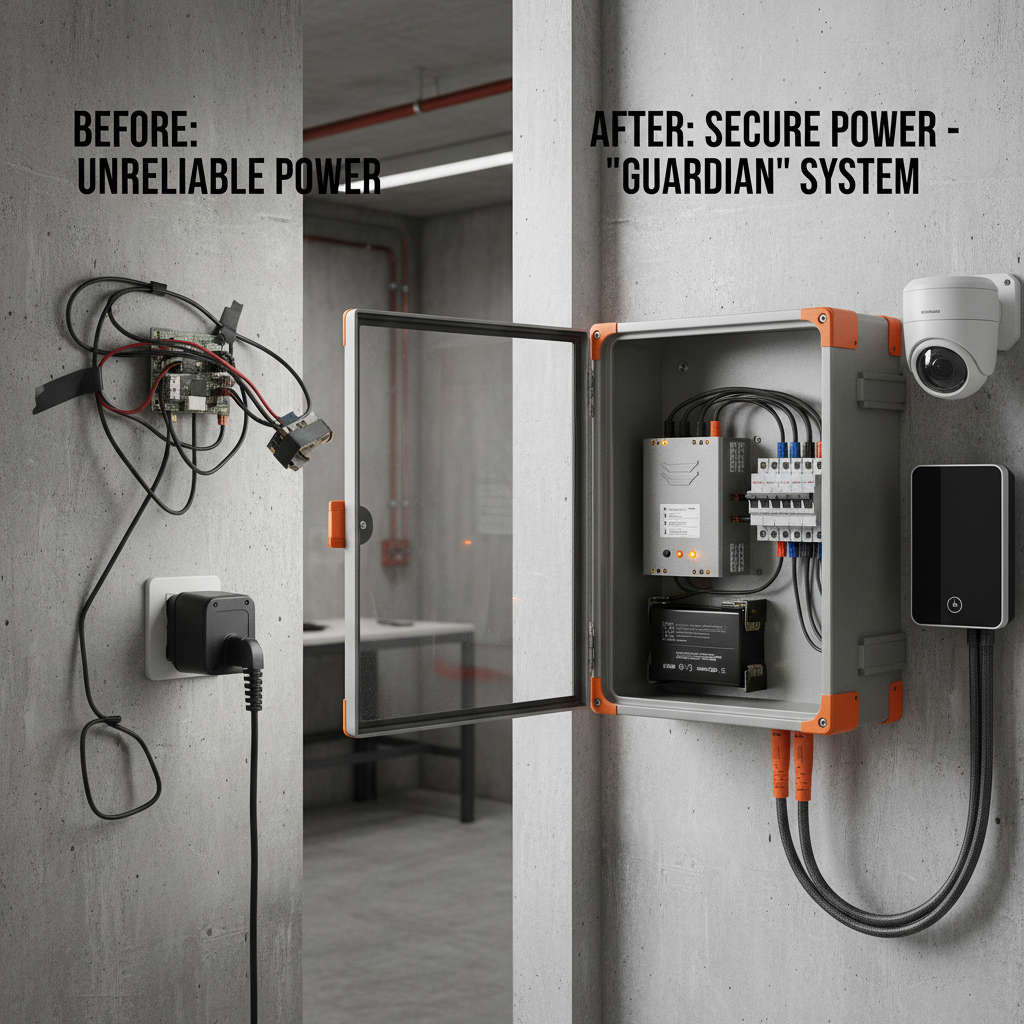
There are several types of power supplies suitable for home security systems. The most common include: AC Adapters, which convert standard AC power to DC for your system; DC Power Supplies, delivering a stable DC voltage; Uninterruptible Power Supplies (UPS), which provide backup power during outages; and Power over Ethernet (PoE), which delivers both power and data through a single Ethernet cable. The best choice depends on your system's power requirements, the complexity of your setup, and your need for backup power. For example, a simple wired system might only require an AC adapter, while a more complex wireless system with cameras and sensors will significantly benefit from a UPS.
Key Consideration: Selecting the correct power supply voltage and amperage is crucial to avoid damaging your security components. Always check the specifications of your devices before purchasing a power supply.
The Importance of Uninterruptible Power Supplies (UPS)
A UPS is arguably the most important component for a reliable home security system. It provides temporary power when the main power supply fails, allowing your system to continue functioning during a blackout. This ensures continuous recording, alarm activation, and remote access. The runtime of a UPS depends on its capacity (measured in Volt-Amps, or VA) and the power consumption of your security devices. Choosing a UPS with sufficient capacity to power your entire system for a reasonable duration is essential. ACDC BESS offers a range of UPS solutions specifically designed for security applications.
UPS Benefits:
• Prevents system shutdown during power outages.
• Protects against data loss and equipment damage.
• Ensures continuous security monitoring.
• Provides a safe shutdown of connected devices.
Comparing Power Supply Options for Home Security Systems
Selecting the right power supply involves weighing the pros and cons of each option. A simple AC adapter is the most affordable, but provides no backup power. A DC power supply is stable but also lacks backup. PoE is convenient for IP cameras but requires PoE-compatible devices and a PoE switch. A UPS offers the best protection but is the most expensive. Consider your budget, the criticality of uninterrupted operation, and the complexity of your system when making your decision.
Key Specifications to Consider When Choosing a Power Supply
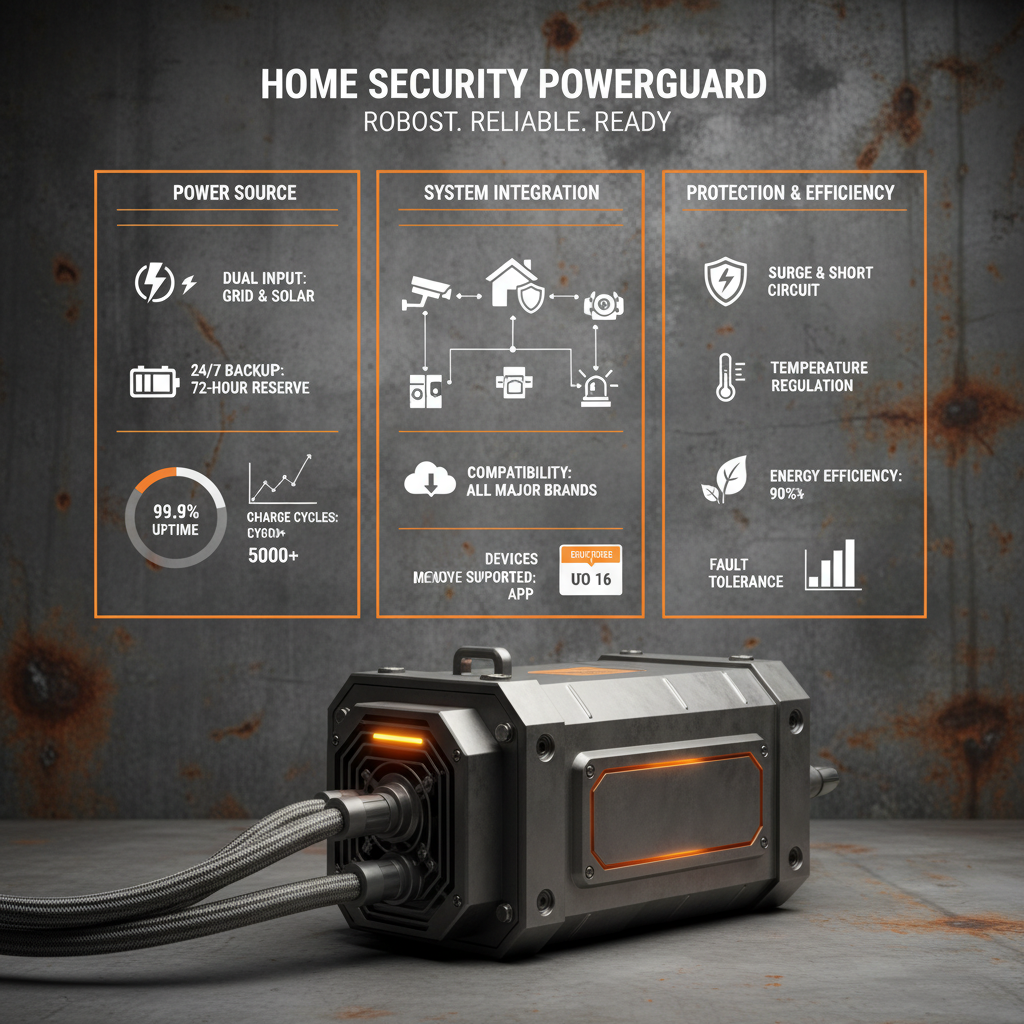
When selecting a power supply, pay attention to these key specifications: Voltage (V) - must match your devices; Amperage (A) - ensure it provides enough current; Wattage (W) - Voltage x Amperage; Surge Protection – protects against power spikes; and Backup Time (UPS) - how long it can power your system during an outage. Understanding these specifications will help you make an informed decision and ensure compatibility with your security system. ACDC BESS provides detailed specifications for all its power supply products.
Conclusion: Powering Peace of Mind
Investing in a Reliable Power Supply for Your Home Security System
Choosing the right power supply is as important as selecting the best cameras and sensors. It ensures your security system functions reliably, providing peace of mind. Consider your specific needs, budget, and the importance of backup power when making your decision. Explore the comprehensive range of power solutions available at ACDCBESS to find the perfect fit for your home security setup.
Frequently Asked Questions (FAQs)
What voltage should I choose for my security system’s power supply?
The voltage of your power supply must precisely match the voltage requirements of your security devices. Most security systems operate on 12V DC, but some may require 24V DC or other voltages. Check the specifications of each device (cameras, sensors, control panel) to determine the correct voltage. Using the wrong voltage can damage your equipment. If you are unsure, consult the documentation or contact the manufacturer of your security system.
How do I calculate the required amperage for my power supply?
To calculate the required amperage, add up the current draw (in amps) of all the devices that will be connected to the power supply. The current draw is usually listed on the device’s label or in its specifications. It’s always a good idea to add a safety margin of 20-30% to the total amperage to account for potential fluctuations and ensure the power supply isn’t overloaded. For example, if your devices require a total of 3 amps, choose a power supply with at least 3.6 amps (3 + 0.6).
What is the difference between a UPS and a surge protector?
A surge protector protects your devices from voltage spikes, while a UPS provides backup power during a power outage. A surge protector simply cuts off power if a surge is detected, while a UPS contains a battery that automatically takes over when the main power fails. A UPS also typically includes surge protection, offering a more comprehensive level of protection. For a home security system, a UPS is essential for ensuring continuous operation during a blackout.
Is PoE a good option for my security cameras?
PoE (Power over Ethernet) is an excellent option for security cameras, especially if you're installing multiple cameras. It simplifies installation by eliminating the need for separate power cables for each camera. However, it requires a PoE-compatible network switch and PoE-enabled cameras. It’s also important to consider the power budget of your PoE switch to ensure it can provide enough power to all connected cameras.
-
Cedar Point EV Charging Solutions for Sustainable Tourism Experience
NewsApr.16,2026
-
Guide to Cedar Point Charging Stations for EV Park Visitors
NewsApr.16,2026
-
Acorn Stairlift Charging Point Guide for Home Mobility Optimization
NewsApr.16,2026
-
Integrating a Wireless Charging Point into Modern Infrastructure
NewsApr.16,2026
-
How to Optimize Your iPhone 14 Charging Point for Efficiency
NewsApr.16,2026
-
Analyzing the Charging Point Share Price Trends and Market Outlook
NewsApr.09,2026