


Feb . 28, 2026 01:55 Back to list
Comprehensive Guide to Battery Backup Power Supply for Home Resilience
Battery Backup Power Supply for Home: A Comprehensive Guide
Power outages can disrupt your life, causing inconvenience and potential loss. A battery backup power supply for home provides a reliable solution to keep essential appliances running during these times. This article will explore the benefits, types, and key considerations when choosing a battery backup system. We will cover everything from understanding your power needs to selecting the right size and technology for your home, ensuring you stay connected and comfortable even when the grid goes down.
Why Invest in a Battery Backup Power Supply for Your Home?
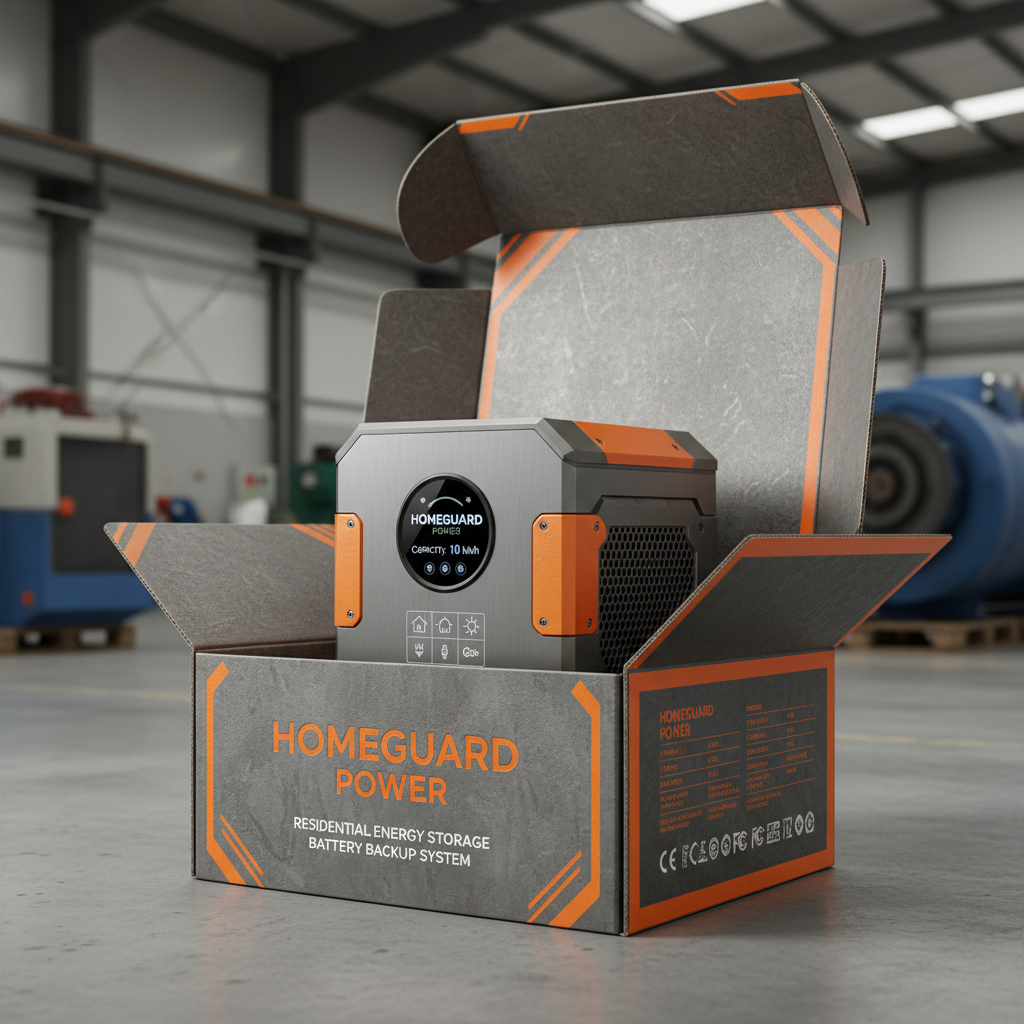
A home battery backup isn't just about convenience; it's about security and peace of mind. Beyond keeping the lights on, it can protect sensitive electronics from power surges and dips that can damage them. Modern systems can be integrated with solar panels, maximizing self-consumption of renewable energy and reducing reliance on the grid. During peak hours, a battery backup can offset expensive demand charges. Moreover, in areas prone to frequent outages, a battery backup can be essential for maintaining critical functions like medical equipment, security systems, and communication devices. Investing in a battery backup power supply is investing in the resilience of your home.
Key Benefits: Protects sensitive electronics, maximizes solar energy use, offsets demand charges, provides peace of mind during outages, and supports critical equipment.
Types of Battery Backup Power Supplies for Home
There are several types of battery backup systems available, each with its own advantages and disadvantages. The most common include: Uninterruptible Power Supplies (UPS), designed for short-term backup of computers and electronics; Standby Generators, which use fuel to generate power but require maintenance and produce emissions; and Battery Energy Storage Systems (BESS), which use rechargeable batteries to store energy and provide backup power. BESS are gaining popularity due to their quiet operation, zero emissions, and compatibility with renewable energy sources. The ideal choice depends on your budget, power requirements, and environmental concerns. ACDCBESS specializes in advanced BESS solutions for residential use.
Battery Backup System Types:
• UPS: Short-term backup for electronics.
• Standby Generators: Fuel-powered, require maintenance.
• BESS: Quiet, zero emissions, renewable energy compatible.
Battery Backup Power Supply for Home: Comparing Battery Technologies
Different battery technologies offer varying levels of performance, cost, and lifespan. The most common options include Lead-Acid batteries, which are affordable but have a shorter lifespan and lower depth of discharge; Lithium-Ion batteries, offering higher energy density, longer lifespan, and faster charging times, but are more expensive; and Nickel-Iron batteries, known for their long lifespan and safety but have lower energy density. Lithium-ion is now the dominant choice for residential applications due to its superior performance characteristics. Choosing the right battery technology is critical for maximizing the value of your battery backup system.
Sizing Your Battery Backup System
Determining the right size for your battery backup system involves calculating your essential power needs. Start by listing the appliances you want to power during an outage (refrigerator, lights, medical devices, etc.). Then, determine their wattage (usually found on a label on the appliance). Add up the wattage of all the appliances and multiply by the estimated runtime you need. This will give you the total energy capacity (in watt-hours) required. ACDCBESS offers tools and expertise to help you accurately size your system.
Installation and Maintenance
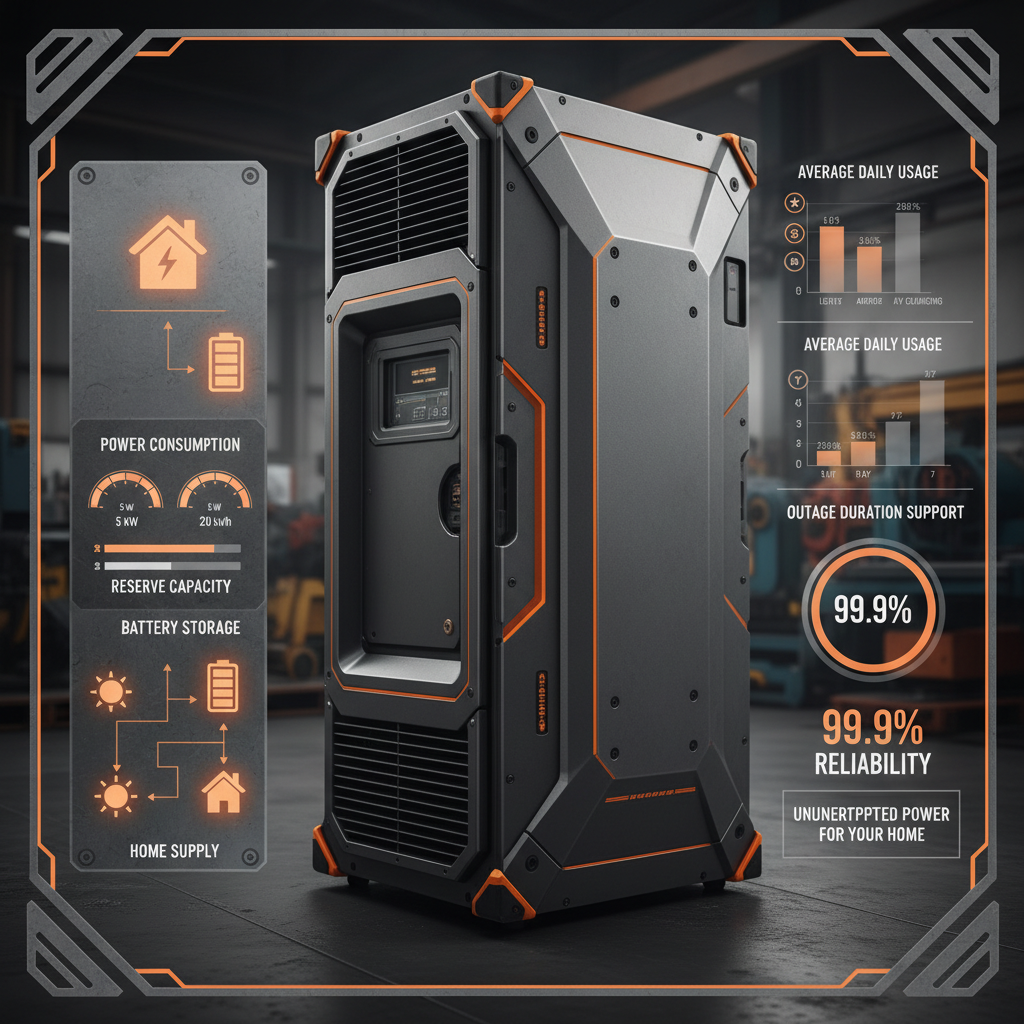
Proper installation is crucial for the safe and effective operation of your battery backup system. While some smaller UPS systems can be installed by homeowners, larger BESS systems should be installed by qualified electricians. Regular maintenance, including battery inspections and software updates, is essential to ensure optimal performance and longevity. ACDCBESS provides comprehensive installation support and maintenance services.
Conclusion: Powering Your Peace of Mind
Investing in a battery backup power supply for home is a proactive step towards ensuring your comfort, security, and peace of mind during power outages. By carefully considering your power needs, choosing the right technology, and ensuring proper installation and maintenance, you can enjoy uninterrupted power and protect your valuable appliances. Don't wait for the next outage – prepare today!
Frequently Asked Questions (FAQs)
How long will a battery backup power supply last?
The runtime of a battery backup system depends on several factors, including the battery capacity, the amount of power being drawn, and the battery technology. A smaller system designed to power essential loads like lights and a refrigerator might run for several hours, while a larger system capable of powering an entire home could run for a day or more. Lithium-ion batteries generally offer longer runtimes and more cycles compared to lead-acid batteries. Consider your specific power needs and anticipated outage duration when choosing a system.
Can a battery backup system work with solar panels?
Yes, absolutely! In fact, combining a battery backup system with solar panels is an excellent way to maximize energy independence. The solar panels generate electricity during the day, which can be used to power your home and charge the battery. Then, during a power outage or at night, the battery can provide backup power. ACDCBESS offers integrated solar and battery solutions.
What is the cost of a home battery backup system?
The cost of a home battery backup system varies significantly depending on the capacity, technology, and installation complexity. Smaller UPS systems can cost a few hundred dollars, while larger BESS systems can range from several thousand to tens of thousands of dollars. Factors like battery type (lithium-ion is more expensive but offers better performance) and installation costs (professional installation is recommended for larger systems) will also affect the overall price. Government incentives and rebates may be available to help offset the cost.
Is a battery backup system safe?
Yes, modern battery backup systems are designed with safety in mind. Lithium-ion batteries, in particular, include built-in safety features to prevent overheating and overcharging. However, it's crucial to choose a reputable brand and ensure proper installation by a qualified electrician. Regular maintenance and adherence to the manufacturer's guidelines are also essential for ensuring safe operation.
-
Cedar Point EV Charging Solutions for Sustainable Tourism Experience
NewsApr.16,2026
-
Guide to Cedar Point Charging Stations for EV Park Visitors
NewsApr.16,2026
-
Acorn Stairlift Charging Point Guide for Home Mobility Optimization
NewsApr.16,2026
-
Integrating a Wireless Charging Point into Modern Infrastructure
NewsApr.16,2026
-
How to Optimize Your iPhone 14 Charging Point for Efficiency
NewsApr.16,2026
-
Analyzing the Charging Point Share Price Trends and Market Outlook
NewsApr.09,2026