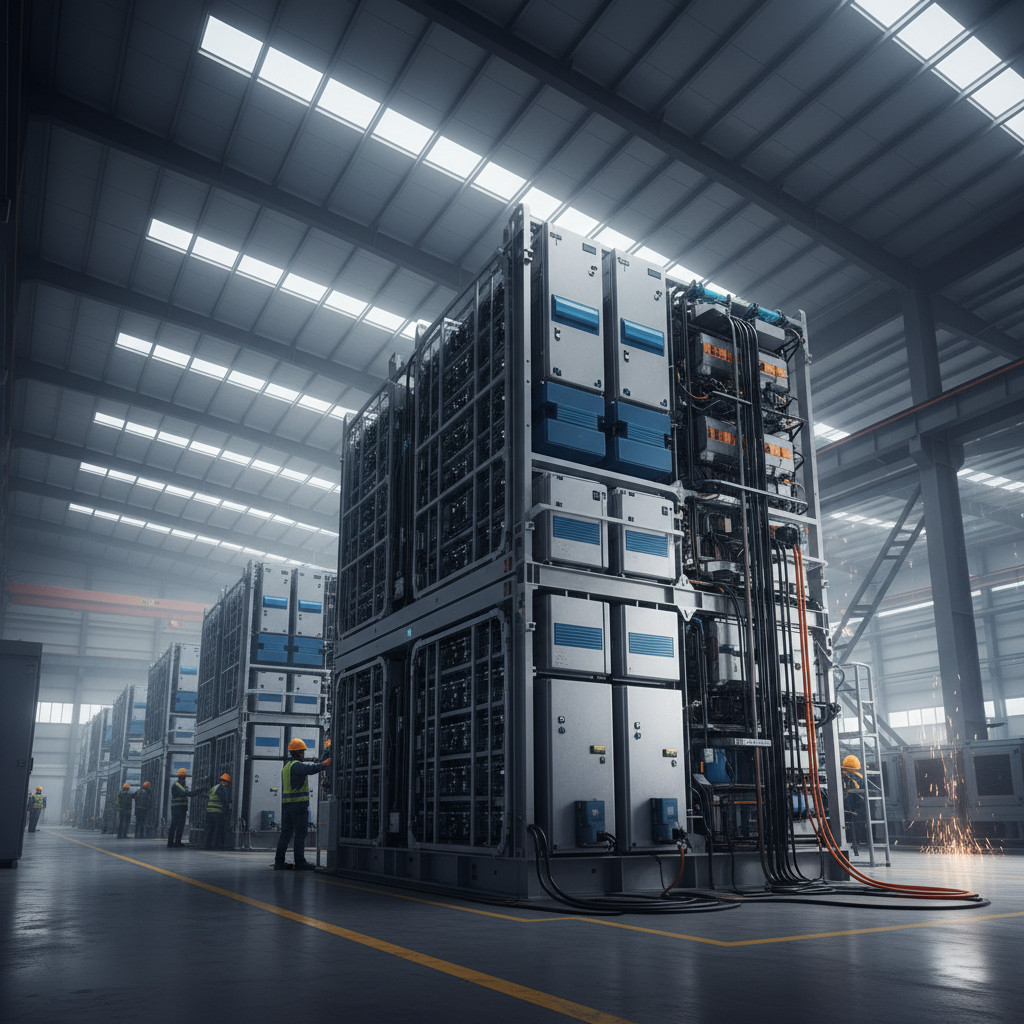
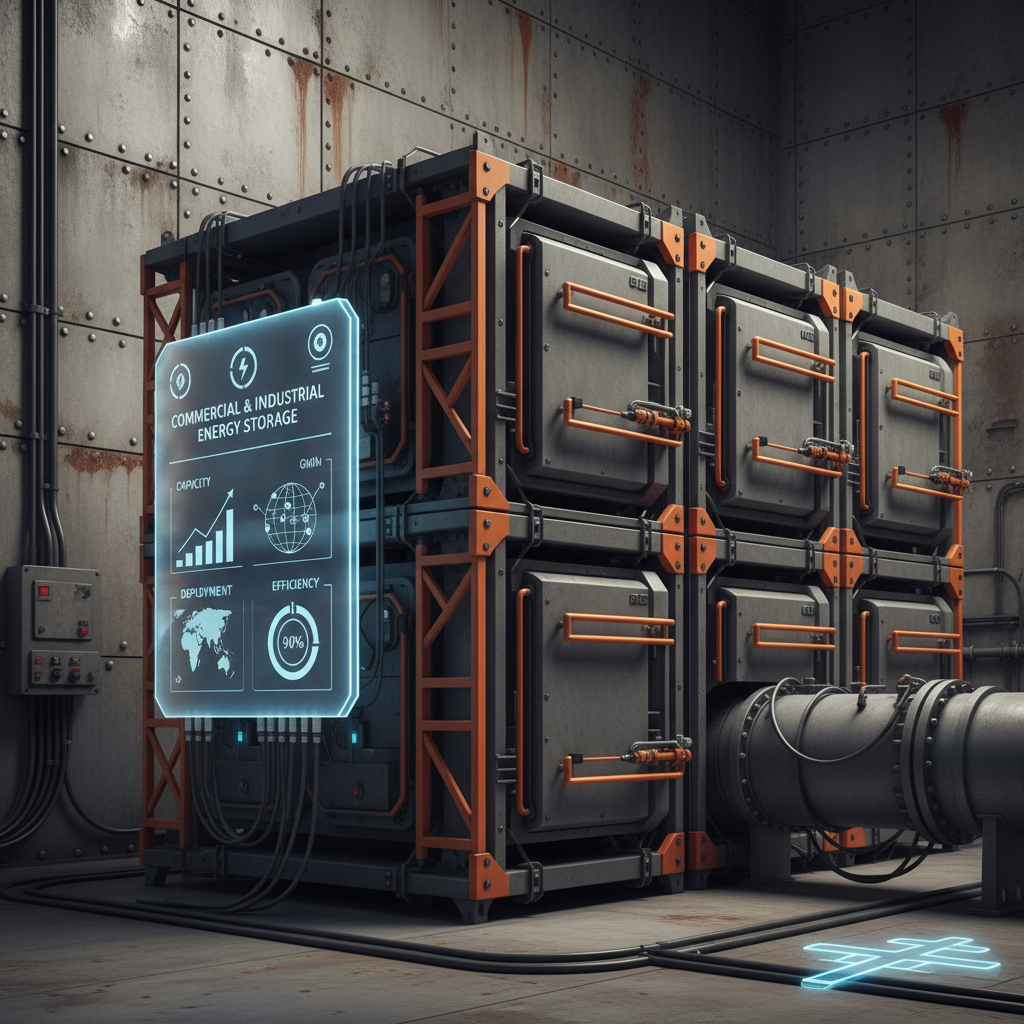
Commercial and industrial energy storage is rapidly transforming the energy landscape globally. Driven by the increasing demand for reliable power, the integration of renewable energy sources, and the need for grid resilience, businesses and industries are increasingly turning to energy storage solutions. This shift is not merely about cost savings; it’s about ensuring operational continuity, reducing carbon footprints, and achieving energy independence. Understanding the intricacies of commercial and industrial energy storage is crucial for businesses looking to thrive in a changing world.
The global energy storage market is experiencing exponential growth, fueled by declining battery costs and supportive government policies. Reports from organizations like the International Renewable Energy Agency (IRENA) project significant increases in deployed energy storage capacity in the coming years. This growth is particularly prominent in regions with ambitious renewable energy targets and aging grid infrastructure. The challenge lies in navigating the complexities of technology selection, project financing, and regulatory compliance.
Ultimately, the widespread adoption of commercial and industrial energy storage is essential for building a sustainable and reliable energy future. It empowers organizations to take control of their energy usage, reduce their environmental impact, and contribute to a more resilient power grid. Investing in energy storage is no longer a futuristic concept; it's a strategic imperative for businesses seeking long-term success and sustainability.
Introduction to Commercial and Industrial Energy Storage
Commercial and industrial energy storage encompasses a range of technologies designed to capture energy for later use by businesses and industrial facilities. This can include battery storage, thermal energy storage, and even mechanical storage systems like pumped hydro. The primary goal is to optimize energy consumption, reduce costs, and enhance grid reliability. Commercial and industrial energy storage is playing an increasingly vital role in the transition towards a more sustainable and resilient energy system.
The need for effective energy storage solutions is driven by several factors, including the intermittency of renewable energy sources, the rising costs of electricity, and the increasing demand for reliable power. Businesses are seeking ways to reduce their reliance on the grid, avoid peak demand charges, and maintain operations during outages. Energy storage offers a viable pathway to achieve these goals, providing a flexible and cost-effective solution for managing energy resources.
Defining Commercial and Industrial Energy Storage
Commercial and industrial energy storage refers to the deployment of energy storage technologies at facilities owned by businesses, factories, and other industrial operations. Unlike utility-scale energy storage, which serves the broader grid, these systems are typically designed to address the specific energy needs of a single facility or a cluster of facilities within a defined area. They can range in size from a few kilowatts to several megawatts, depending on the application.
The connection to modern industry is paramount. Manufacturers, data centers, and other energy-intensive businesses benefit from reduced energy costs, improved power quality, and enhanced resilience. For humanitarian needs, commercial and industrial storage can provide critical backup power for hospitals, emergency response centers, and essential infrastructure following natural disasters, ensuring continuity of operations.
In essence, commercial and industrial energy storage provides a means to decouple energy consumption from real-time energy production, enabling businesses to optimize their energy usage, reduce their environmental impact, and enhance their overall operational efficiency. It is a core component of modern energy management strategies.
Core Components of Effective Energy Storage
Several key factors underpin the success of commercial and industrial energy storage systems. Durability is critical, as these systems are expected to operate reliably for many years with minimal maintenance. The components must withstand harsh environmental conditions and demanding operational cycles.
Scalability is also essential, allowing businesses to expand their energy storage capacity as their needs evolve. Modular designs are particularly advantageous in this regard, enabling incremental additions of storage capacity without significant disruption. This ensures the system can grow alongside the business, protecting the initial investment.
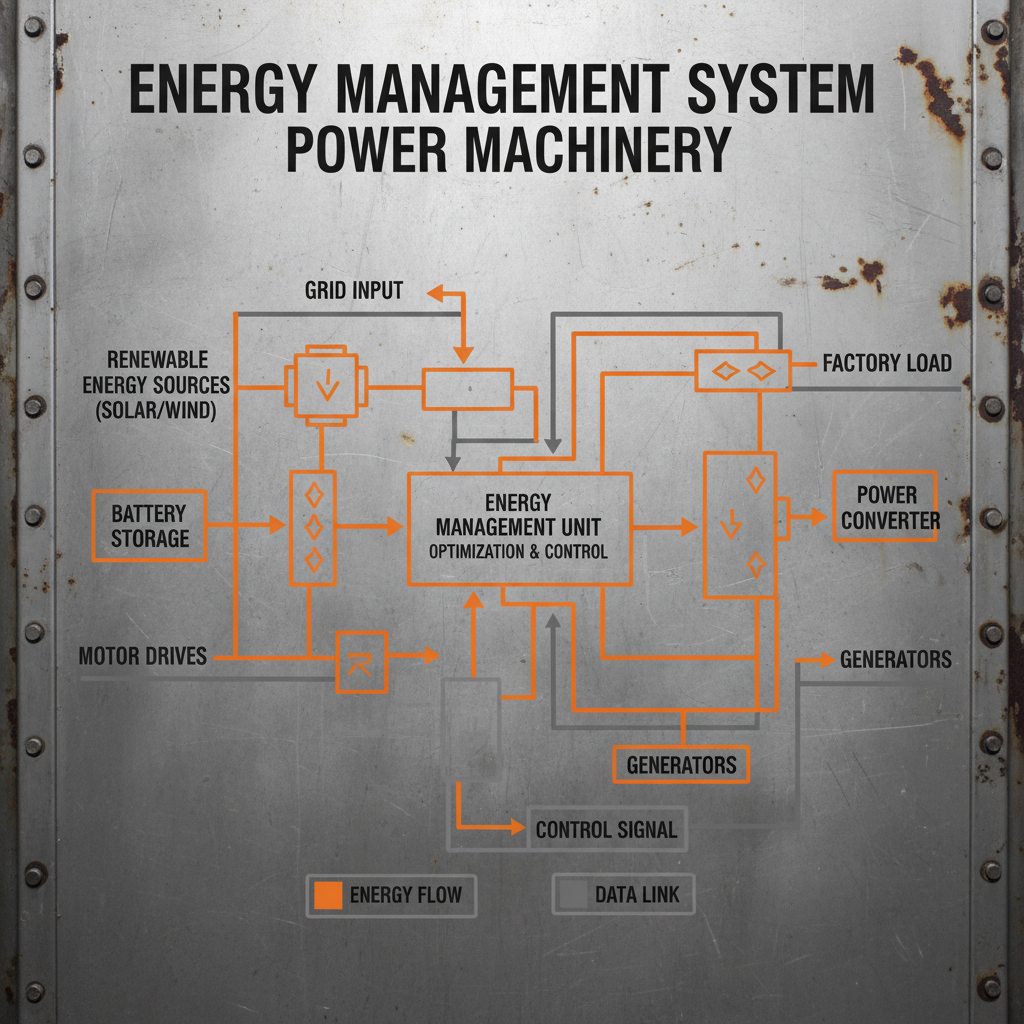
Cost Efficiency remains a major consideration. While the initial investment in energy storage can be substantial, the long-term cost savings from reduced energy bills, demand charge avoidance, and improved grid reliability often outweigh the upfront costs. Integration Capabilities with existing energy management systems is crucial for seamless operation and optimized performance. Finally, Safety is paramount, and systems must adhere to stringent safety standards to protect personnel and property.
Global Applications and Real-World Use Cases
The applications of commercial and industrial energy storage are diverse and expanding rapidly. In remote industrial zones, such as mining operations in Australia or oil and gas facilities in the North Sea, energy storage provides a reliable and cost-effective alternative to diesel generators, reducing fuel consumption and emissions.
In post-disaster relief operations, portable energy storage systems are deployed to provide emergency power for hospitals, shelters, and communication networks. In urban areas, businesses are using energy storage to reduce peak demand charges, participate in grid services markets, and enhance their resilience to power outages.
For example, a large data center in Virginia might deploy a 10 MW battery storage system to shave peak demand and avoid costly demand charges. A manufacturing plant in Germany might use energy storage to integrate on-site solar power and reduce its reliance on the grid. These examples demonstrate the versatility and economic viability of commercial and industrial energy storage across a wide range of industries and geographies.
Commercial and Industrial Energy Storage Implementation Ratings
Advantages and Long-Term Value Proposition
The benefits of adopting commercial and industrial energy storage are substantial. Tangible benefits include significant cost savings through reduced energy bills and demand charge avoidance. Improved sustainability stems from the reduced reliance on fossil fuels and lowered carbon emissions. Enhanced reliability ensures business continuity during grid outages or peak demand events.
Beyond the practical advantages, energy storage offers emotional and logical benefits. Safety and security are enhanced through backup power, and a commitment to sustainability builds brand reputation and fosters customer loyalty. The innovation associated with adopting cutting-edge technology can attract talent and boost employee morale. Ultimately, investment in energy storage fosters trust with stakeholders, demonstrating a commitment to responsible business practices.
Future Trends and Innovations in Energy Storage
The future of commercial and industrial energy storage is bright, with ongoing innovations promising even greater performance and cost-effectiveness. Advances in battery technology, such as solid-state batteries and flow batteries, are expected to increase energy density, improve safety, and extend lifespan. Digital transformation and the integration of artificial intelligence (AI) will enable more sophisticated energy management systems, optimizing storage operation and maximizing returns.
Policy support and government incentives, driven by commitments to green energy and sustainability goals, will further accelerate the adoption of energy storage. The convergence of energy storage with distributed energy resources (DERs), such as solar and wind power, will create opportunities for virtual power plants and microgrids, enhancing grid resilience and enabling greater energy independence.
Challenges and Solutions in Implementation
Despite the compelling benefits, implementing commercial and industrial energy storage systems is not without its challenges. Initial capital costs can be a barrier for some businesses, although financing options are becoming increasingly available. Navigating complex regulatory frameworks and permitting processes can also be time-consuming and costly.
Furthermore, ensuring seamless integration with existing energy infrastructure requires careful planning and expertise. However, innovative financing models like Energy-as-a-Service (EaaS) are emerging, allowing businesses to access energy storage without significant upfront investment. Standardized interconnection agreements and streamlined permitting processes are also being developed to reduce administrative burdens.
Expert consultation and thorough site assessments are crucial for overcoming these challenges and ensuring successful project implementation. Selecting the right technology, optimizing system design, and securing appropriate financing are all essential steps towards unlocking the full potential of energy storage.
Summary of Key Challenges and Solutions in Commercial and Industrial Energy Storage Implementation
| Challenge Area |
Specific Obstacle |
Proposed Solution |
Implementation Complexity (1-5, 5=High) |
| Financial Barriers |
High upfront capital costs |
Energy-as-a-Service (EaaS) models, government incentives |
3 |
| Regulatory Hurdles |
Complex permitting processes |
Streamlined permitting, standardized interconnection agreements |
4 |
| Technical Integration |
Integrating with existing infrastructure |
Expert consultation, system design optimization |
3 |
| Performance Uncertainty |
Predicting long-term system performance |
Data analytics, predictive maintenance |
2 |
| Supply Chain Disruptions |
Component shortages and price volatility |
Diversified sourcing, long-term contracts |
3 |
| Skilled Workforce |
Lack of trained personnel |
Training programs, industry certifications |
2 |
FAQS
The payback period for a commercial energy storage system varies depending on factors like system size, electricity rates, and incentives. However, many businesses can expect to see a payback within 3 to 7 years, driven by reduced demand charges, lower energy costs, and potential revenue from grid services. A detailed feasibility study is crucial for accurate projections.
Energy storage enables businesses to participate effectively in demand response programs by rapidly discharging stored energy during peak demand periods. This reduces strain on the grid, lowers wholesale electricity prices, and earns businesses financial incentives. The fast response time of battery storage makes it ideally suited for demand response applications.
Battery energy storage systems typically require minimal maintenance. Regular inspections, cleaning, and monitoring of system performance are essential. Battery replacements are generally only needed after many years of operation, depending on usage and battery chemistry. Remote monitoring and diagnostics can further simplify maintenance.
While battery storage is generally safe, it's important to address potential safety concerns. Modern battery systems are equipped with multiple safety features, including thermal management systems and fire suppression systems. Proper installation, adherence to safety standards, and regular inspections are crucial for ensuring safe operation.
Energy storage is a natural complement to renewable energy sources like solar and wind. It smooths out the intermittency of these sources, ensuring a consistent and reliable power supply. Storage can store excess energy generated during periods of high renewable output and dispatch it when needed, maximizing the value of renewable energy investments.
Many jurisdictions offer incentives and rebates for commercial energy storage projects. These can include tax credits, grants, and performance-based incentives. The availability and amount of incentives vary depending on location and project specifics. It's important to research local and federal programs to maximize cost savings.
Conclusion
Commercial and industrial energy storage is no longer a futuristic concept, but a pragmatic solution for businesses seeking to enhance energy efficiency, reduce costs, and improve resilience. From optimizing energy consumption and integrating renewable sources to providing backup power and participating in grid services, the benefits are compelling and far-reaching. Embracing these technologies positions organizations for long-term sustainability and competitiveness in a rapidly evolving energy landscape.
As technology continues to advance and costs continue to decline, the adoption of energy storage will only accelerate. Businesses that proactively invest in these solutions will be well-positioned to thrive in a future powered by clean, reliable, and resilient energy. To learn more about how commercial and industrial energy storage can benefit your organization, visit our website today.