

Mar . 06, 2026 02:15 Back to list
Comprehensive Guide to Choosing the Right Google Home Power Supply for Optimal Performance
Choosing the Right Google Home Power Supply: A Comprehensive Guide
Your Google Home device is a central hub for your smart home, and a reliable power supply is crucial for its consistent operation. Selecting the correct Google Home power supply isn’t just about keeping the device running; it’s about ensuring safety, performance, and longevity. This article delves into the essential factors to consider when choosing a power supply, exploring different types, specifications, and potential issues. We’ll guide you through the process of finding the ideal power source for your Google Home, ensuring a seamless smart home experience.
Understanding Google Home Power Supply Specifications
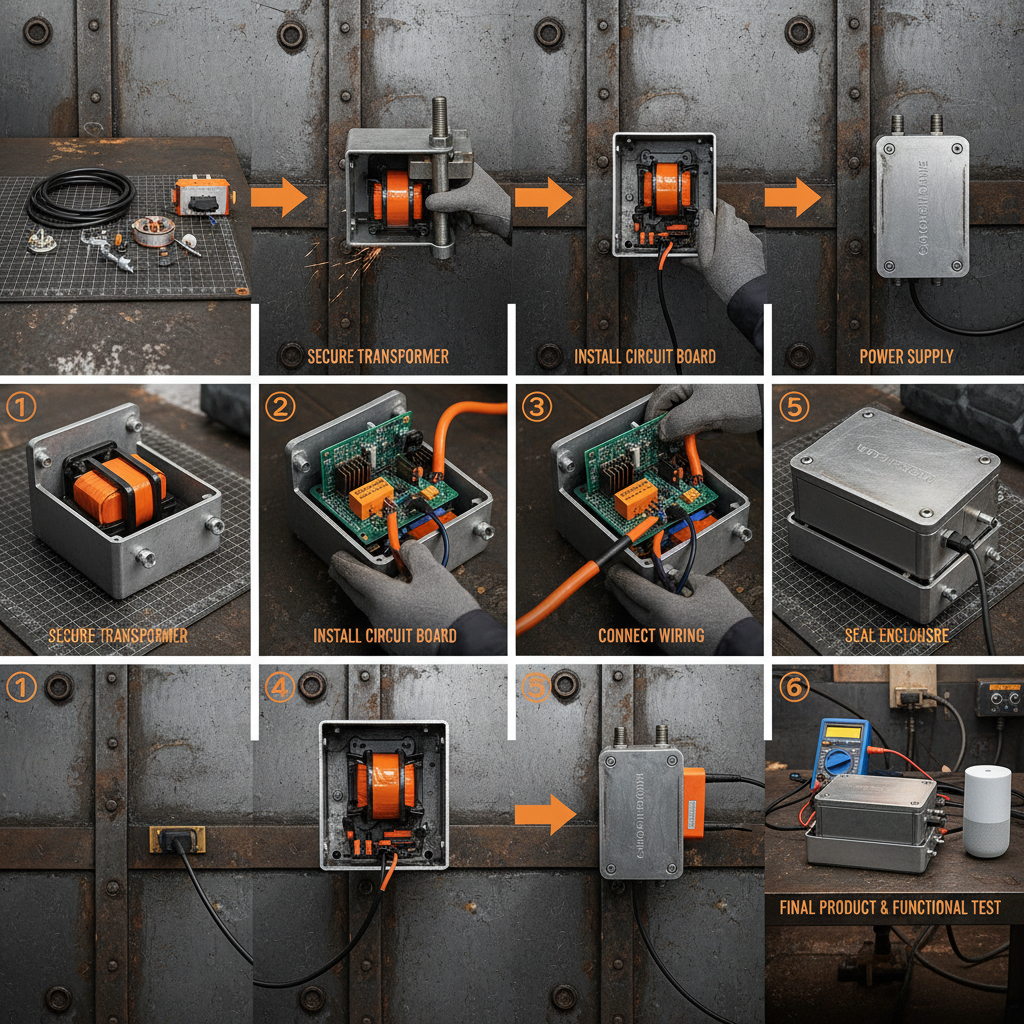
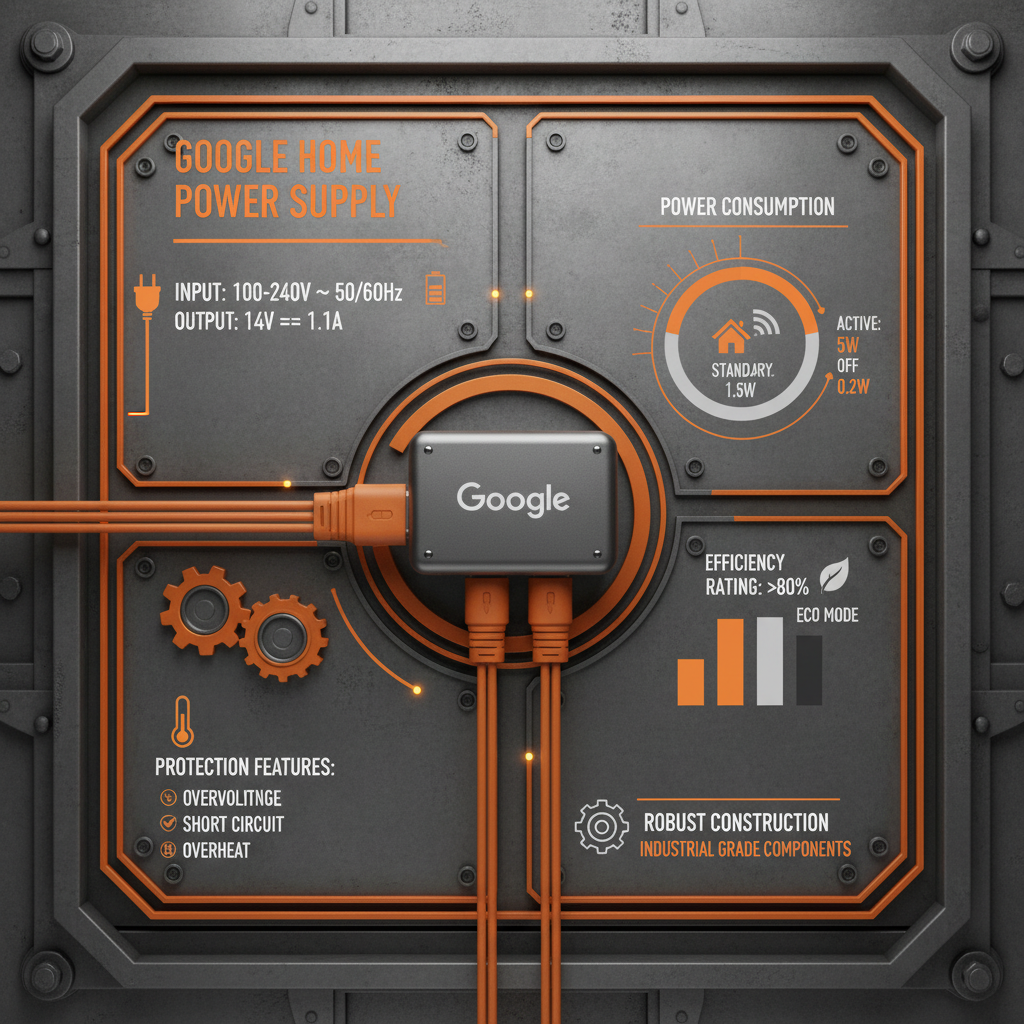
The original Google Home power supply typically outputs 5V/1.8A. However, replacement options are available, and understanding these specifications is key. Voltage (V) is the electrical potential difference, and amperage (A) measures the electrical current. Using a power supply with an incorrect voltage can damage your Google Home, while insufficient amperage may lead to unstable operation or charging issues. It’s essential to verify that the replacement power supply meets or exceeds the original specifications. A slightly higher amperage is generally safe as the Google Home will only draw the current it needs, but the voltage must be correct.
Key Takeaway: Prioritize voltage matching. A slight increase in amperage is acceptable, but incorrect voltage can cause irreparable damage.
Types of Google Home Power Supply Options
Several types of power supplies can be used to power your Google Home. These include:
- Original Google Power Adapter: The factory-provided adapter, known for its reliability.
- USB-C Power Adapters: Many modern smartphones and tablets use USB-C, and compatible adapters can deliver the necessary 5V/1.8A.
- Power Banks: For temporary or portable power, a power bank with USB-C output can be utilized.
- Third-Party Replacements: Numerous vendors offer replacement power supplies specifically designed for Google Home devices.
When considering third-party options, prioritize reputable brands that adhere to safety standards.
Choosing the Right Type:
• For a direct replacement, the original adapter or a USB-C adapter is ideal.
• Power banks offer portability for temporary use.
• Third-party options should be thoroughly vetted for safety and compatibility.
Comparing Power Supply Options: Performance & Cost
Let's compare the key features and costs associated with different power supply options for your Google Home. This comparison will help you make an informed decision based on your needs and budget. The data below reflects typical market prices and performance metrics as of late 2023/early 2024.
Potential Issues and Troubleshooting with Your Google Home Power Supply
Common issues with Google Home power supplies include frayed cables, loose connections, and overheating. If your Google Home isn't powering on, first check the power outlet. Then, inspect the cable for damage. If using a third-party adapter, ensure it meets the required specifications. A flickering Google Home or intermittent connectivity can also indicate a failing power supply. Consider a replacement if issues persist after troubleshooting. For optimal performance, avoid using extension cords or power strips whenever possible.
Conclusion: Ensuring a Reliable Power Source for Your Google Home
Investing in a reliable Google Home power supply is a small investment that yields significant benefits.
By understanding the specifications, exploring your options, and prioritizing safety, you can ensure your smart home hub remains powered and performs optimally. ACDCBESS provides high-quality power solutions for a variety of devices, and we are committed to helping you find the perfect power supply for your Google Home. Don't compromise on power – choose a reliable source for a seamless smart home experience.
Frequently Asked Questions (FAQs)
Can I use any USB-C charger with my Google Home?
While many USB-C chargers can work, it's crucial to ensure the charger delivers 5V/1.8A or higher. Using a charger with insufficient amperage may result in slow charging or unstable operation. Always prioritize chargers from reputable brands that adhere to safety standards. Avoid using low-quality or uncertified chargers, as they may pose a safety risk or damage your Google Home. Check the charger's label for the output specifications before connecting it to your device. It's generally recommended to use a charger specifically designed for Google Home or a high-quality USB-C Power Delivery (PD) charger.
What should I do if my Google Home power supply is overheating?
If your Google Home power supply is overheating, immediately disconnect it from the power outlet. Overheating can indicate a faulty power supply and poses a fire hazard. Do not attempt to use the power supply again. Replace it with a new, compatible adapter. Ensure the replacement adapter meets the correct voltage and amperage specifications. Avoid placing the power supply in enclosed spaces or covering it with anything that could restrict airflow. Regularly check the power supply for any signs of damage, such as frayed cables or cracks.
Is it safe to use a power bank to power my Google Home?
Yes, using a power bank is generally safe, but there are a few considerations. Ensure the power bank can deliver a stable 5V/1.8A output. Some power banks may have variable voltage output, so it's essential to verify compatibility. While power banks offer portability, they have limited capacity and will eventually need to be recharged. It's also important to use a high-quality power bank from a reputable brand to ensure safety and reliable performance. A power bank is a good temporary solution but isn’t designed for continuous, long-term power.
Where can I find a reliable replacement Google Home power supply?
You can find reliable replacements at several sources. The official Google Store is a good option, as is ACDCBESS. Additionally, reputable electronics retailers like Amazon and Best Buy carry compatible adapters. When purchasing from third-party sellers, carefully review the product specifications and customer reviews to ensure quality and compatibility. Always prioritize safety and choose adapters from brands with a proven track record.
-
Cedar Point EV Charging Solutions for Sustainable Tourism Experience
NewsApr.16,2026
-
Guide to Cedar Point Charging Stations for EV Park Visitors
NewsApr.16,2026
-
Acorn Stairlift Charging Point Guide for Home Mobility Optimization
NewsApr.16,2026
-
Integrating a Wireless Charging Point into Modern Infrastructure
NewsApr.16,2026
-
How to Optimize Your iPhone 14 Charging Point for Efficiency
NewsApr.16,2026
-
Analyzing the Charging Point Share Price Trends and Market Outlook
NewsApr.09,2026