The global demand for reliable and efficient power solutions is rapidly increasing, driven by electrification trends across various sectors. Central to meeting this demand is the development and deployment of robust dc charging point infrastructure. These charging points are crucial for supporting the expanding electric vehicle (EV) market, facilitating the transition towards sustainable transportation, and ensuring consistent power delivery in critical applications. Understanding the nuances of dc charging point technology, its applications, and future trends is therefore paramount for businesses, governments, and individuals alike.
The proliferation of EVs necessitates a scalable and dependable charging network. Traditional AC charging can be slow and inefficient for many applications, creating a bottleneck in EV adoption and hindering the potential benefits of electric mobility. dc charging point offer significantly faster charging speeds, making them ideal for public charging stations, fleet operations, and high-demand scenarios. This technology is not merely about convenience; it's about enabling a fundamental shift in how we power our world.
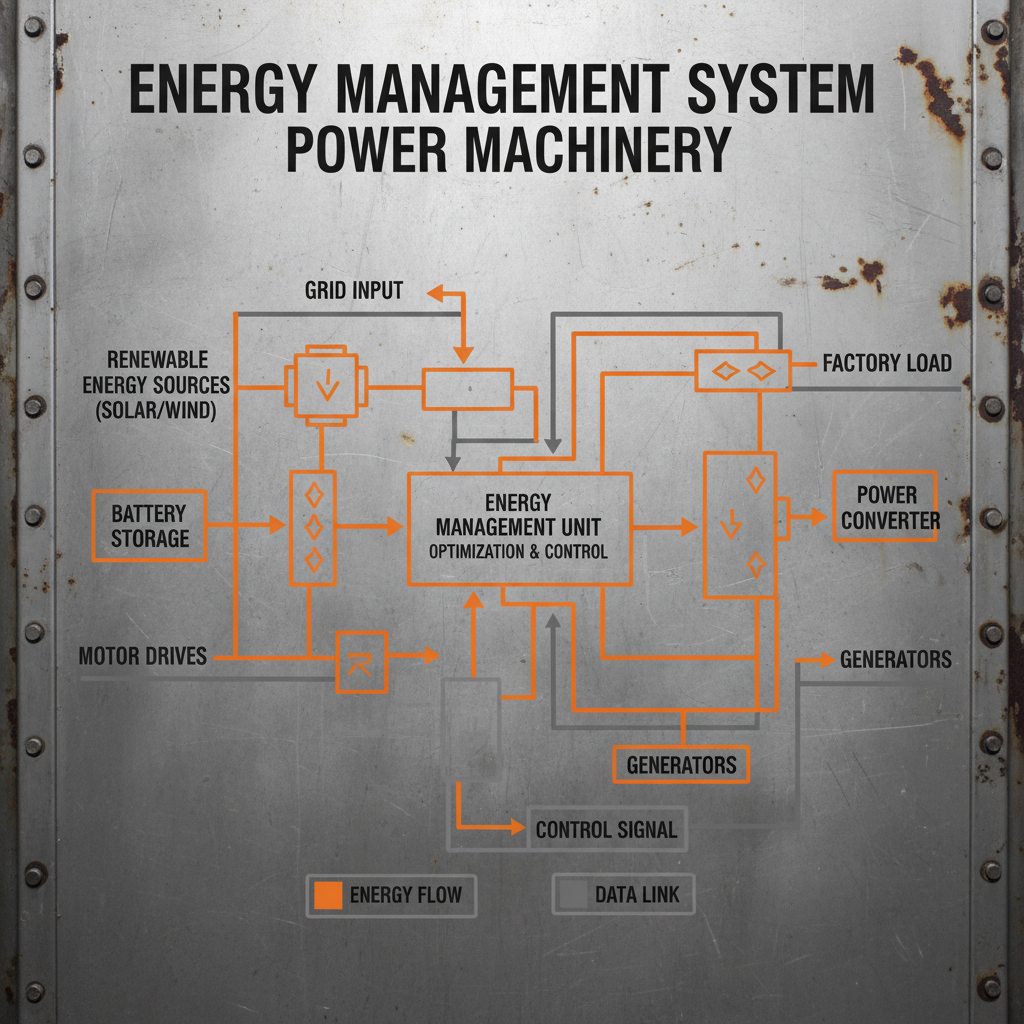
Investing in advanced dc charging point solutions is also critical for grid stability and the effective integration of renewable energy sources. Smart charging capabilities, coupled with energy storage systems, can help manage peak demand, reduce strain on the grid, and maximize the utilization of clean energy, creating a more resilient and sustainable energy ecosystem.
The Fundamental Principles of dc charging point
The core principle behind a dc charging point lies in its ability to deliver direct current (DC) electricity directly to an EV's battery, bypassing the onboard charger. This results in significantly faster charging times compared to Level 1 and Level 2 AC charging, which rely on the vehicle's internal converter. The efficiency gains and speed of DC fast charging are essential for supporting the increasing demands of a growing EV fleet.
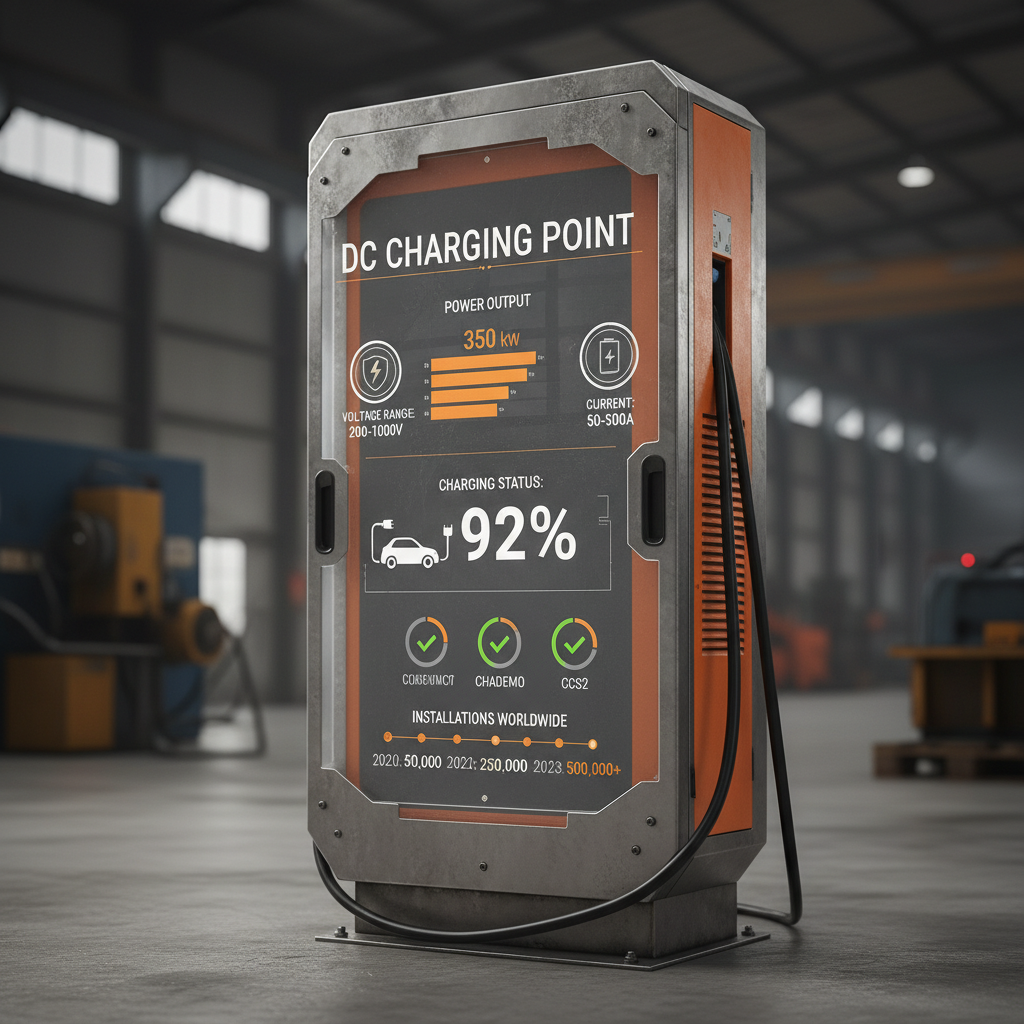
Understanding power ratings (kW), voltage levels, and charging protocols (such as CHAdeMO, CCS, and Tesla's Supercharger) is key to appreciating the complexities of dc charging point systems. Different vehicles and charging standards require compatible infrastructure, highlighting the importance of interoperability and standardized protocols for seamless charging experiences.
The Global Landscape of dc charging point
The global market for dc charging point is experiencing exponential growth, fueled by government incentives, increasing EV sales, and growing awareness of environmental sustainability. North America, Europe, and Asia-Pacific are currently the largest markets, with China leading in both EV adoption and charging infrastructure deployment. According to the International Energy Agency (IEA), the number of public chargers worldwide grew by 30% in 2022, demonstrating the rapid expansion of the charging network.
However, uneven distribution of charging infrastructure remains a significant challenge. Rural areas and developing countries often lack adequate charging facilities, hindering EV adoption and exacerbating transportation inequities. Addressing this disparity requires strategic investments, innovative financing models, and collaborative efforts between governments, private companies, and utility providers.
Furthermore, the standardization of charging protocols and the development of smart charging technologies are critical for optimizing grid integration and maximizing the benefits of renewable energy sources. The future of dc charging point is inextricably linked to the evolution of smart grids and the broader transition towards a sustainable energy system.
Defining dc charging point: A Comprehensive Overview
A dc charging point, also known as a DC fast charger or rapid charger, is an electrical system designed to deliver direct current (DC) electricity directly to an electric vehicle's battery. Unlike AC charging, which utilizes the vehicle’s onboard charger to convert alternating current (AC) to DC, DC charging bypasses this process, resulting in significantly faster charging times. This makes DC charging ideal for situations where rapid replenishment of battery power is essential.
Its connection to modern industry and humanitarian needs stems from the imperative to accelerate the adoption of electric vehicles, reducing reliance on fossil fuels and mitigating climate change. Beyond transportation, DC charging infrastructure is vital for supporting electric fleets in logistics, public transportation, and emergency services. In humanitarian contexts, reliable DC charging can power essential equipment in disaster relief operations and remote healthcare facilities.
DC charging points are increasingly equipped with smart features, such as remote monitoring, dynamic load balancing, and payment integration, enhancing their efficiency, reliability, and user experience. Understanding the underlying technology and the ecosystem surrounding DC charging is critical for navigating the evolving landscape of electric mobility.
Core Components of Effective dc charging point Systems
The reliability and efficiency of a dc charging point depend on several key components working in harmony. These include a robust power conversion system (PCS) which converts AC power from the grid to DC power, a charging connector compatible with various EV standards (CHAdeMO, CCS, Tesla), a sophisticated control system that manages the charging process, and a user interface for payment and monitoring.
Furthermore, effective thermal management is crucial to prevent overheating and ensure the long-term performance of the charging station. High-quality cabling and connectors, along with comprehensive safety features such as overcurrent protection and ground fault detection, are also essential for ensuring a safe and reliable charging experience.
Performance Metrics of dc charging point Technologies
Diverse Applications of dc charging point Across Industries
dc charging point are rapidly expanding beyond public charging stations and are finding applications in a wide range of industries. Logistics companies are deploying DC fast chargers at distribution centers to support electric truck fleets, reducing operating costs and minimizing environmental impact. Public transportation agencies are electrifying their bus fleets and utilizing DC charging infrastructure to ensure reliable and efficient service.
In remote industrial zones, DC charging points provide a critical power source for electric mining equipment and construction machinery. Emergency services are also embracing electric vehicles, and DC fast charging stations are being installed at fire stations and police headquarters to ensure rapid response capabilities.
The Advantages and Long-Term Value Proposition of dc charging point
The advantages of investing in dc charging point are multifaceted. Faster charging times translate to increased convenience for EV drivers and improved utilization of charging infrastructure. Reduced energy costs and lower maintenance requirements contribute to long-term cost savings. Moreover, the deployment of DC charging infrastructure promotes sustainability by facilitating the transition to electric mobility and reducing greenhouse gas emissions.
Beyond the economic and environmental benefits, DC charging provides a social value by improving air quality in urban areas and promoting a more sustainable lifestyle. The reliability and efficiency of DC charging inspire trust in electric vehicle technology and contribute to its widespread adoption, fostering innovation and driving economic growth.
Future Trends and Innovations in dc charging point Technology
The future of dc charging point is marked by exciting innovations. Ultra-fast charging technologies, capable of delivering hundreds of kilowatts, are emerging, promising even shorter charging times. Wireless charging solutions are being developed, offering a more convenient and user-friendly charging experience. Integration with energy storage systems and smart grids will enable dynamic load balancing and optimize energy consumption.
Furthermore, advancements in materials science are leading to the development of more efficient and durable charging components. Artificial intelligence (AI) and machine learning (ML) are being employed to predict charging demand, optimize charging schedules, and enhance the overall performance of DC charging networks. The convergence of these technologies will reshape the landscape of electric mobility and pave the way for a sustainable transportation future.
The emergence of vehicle-to-grid (V2G) technology, where EVs can both draw power from and supply power to the grid, presents a paradigm shift in energy management. DC charging infrastructure will play a crucial role in enabling V2G capabilities, transforming EVs from simply consumers of electricity to active participants in the energy ecosystem.
Summary of Key Performance Indicators for dc charging point Solutions
| Charging Speed (kW) |
Efficiency (%) |
Reliability (MTBF Hours) |
Connectivity & Smart Features |
| 50kW |
94% |
8,000 |
Basic OCPP 1.6 |
| 150kW |
96% |
10,000 |
OCPP 2.0, Remote Diagnostics |
| 250kW |
97% |
12,000 |
Advanced OCPP, Load Balancing |
| 350kW |
98% |
15,000 |
Plug & Charge, Dynamic Pricing |
| 500kW+ |
99% |
18,000 |
V2G Capabilities, AI-Powered Optimization |
| Wireless (11kW) |
85% |
6,000 |
Mobile App Integration, Scheduling |
FAQS
The lifespan of a dc charging point typically ranges from 8 to 15 years, depending on factors such as usage frequency, environmental conditions, and maintenance practices. Regular inspections, preventative maintenance, and prompt repairs are crucial for maximizing the longevity of the equipment. Components like the power conversion system and charging connectors are often the first to require replacement or refurbishment. Investing in high-quality components and implementing a robust maintenance program can significantly extend the operational life of the charging station.
The cost of installing a dc charging point can vary significantly depending on several factors, including the power level (kW), grid connection requirements, permitting fees, and labor costs. Generally, installation costs can range from $40,000 to $150,000 or more. Additional expenses may include site preparation, electrical upgrades, and ongoing maintenance. Government incentives and rebates can help offset some of these costs, making DC fast charging more accessible.
The three primary charging connector types for DC charging are CHAdeMO, CCS (Combined Charging System), and Tesla’s proprietary connector. CHAdeMO is commonly found on older Japanese EVs, while CCS is the dominant standard in North America and Europe. Tesla utilizes its own connector, but is increasingly offering CCS compatibility on newer models. Ensuring compatibility with different connector types is essential for providing a seamless charging experience for all EV drivers.
Grid capacity is a critical consideration when installing dc charging point. DC fast chargers require a substantial amount of power, and the local grid infrastructure must be able to support the increased demand. A thorough grid impact study is typically required to assess the available capacity and identify any necessary upgrades. Strategies such as load balancing, energy storage, and demand response can help mitigate grid constraints and enable the deployment of DC fast charging in areas with limited capacity.
Yes, like any connected device, dc charging point are vulnerable to cybersecurity threats. Protecting charging infrastructure from unauthorized access, data breaches, and malicious attacks is crucial. Implementing robust cybersecurity measures, such as encryption, authentication, and intrusion detection systems, is essential. Regular software updates and security audits can also help mitigate risks and ensure the integrity of the charging network.
OCPP (Open Charge Point Protocol) is a standardized communication protocol that enables interoperability between dc charging point and central management systems. It allows for remote monitoring, control, and configuration of charging stations, as well as the processing of payment transactions. Adopting OCPP ensures that charging point from different manufacturers can seamlessly integrate into a unified charging network, providing a more convenient and efficient experience for EV drivers.
Conclusion
In conclusion, dc charging point are not just a component of the electric vehicle revolution; they are a foundational element of a sustainable energy future. From their capacity to dramatically reduce charging times to their adaptability across diverse industries, these technologies offer a compelling value proposition for businesses, governments, and individuals alike. Understanding the core principles, applications, and future trends of DC charging is paramount for navigating the evolving landscape of electric mobility.
Looking ahead, continued innovation in DC charging technology, coupled with strategic investments in infrastructure and supportive policies, will be essential for accelerating the adoption of electric vehicles and realizing the full potential of a cleaner, more sustainable transportation system. Visit our website at www.acdcbess.com to learn more about our cutting-edge dc charging solutions and how we can help you power the future.