


Mar . 19, 2026 01:55 Back to list
Comprehensive Guide to Home Mini Power Supply Selection and Safe Usage
Understanding Your Home Mini Power Supply: A Comprehensive Guide
A reliable home mini power supply is the heart of many essential devices, from security systems to networking equipment. Choosing the right power supply ensures stable operation, protects your valuable electronics, and offers peace of mind. This article will explore the key considerations when selecting a home mini power supply, delve into different types available, and provide guidance on proper usage and maintenance. Understanding these aspects will help you make an informed decision and optimize the performance of your powered devices.
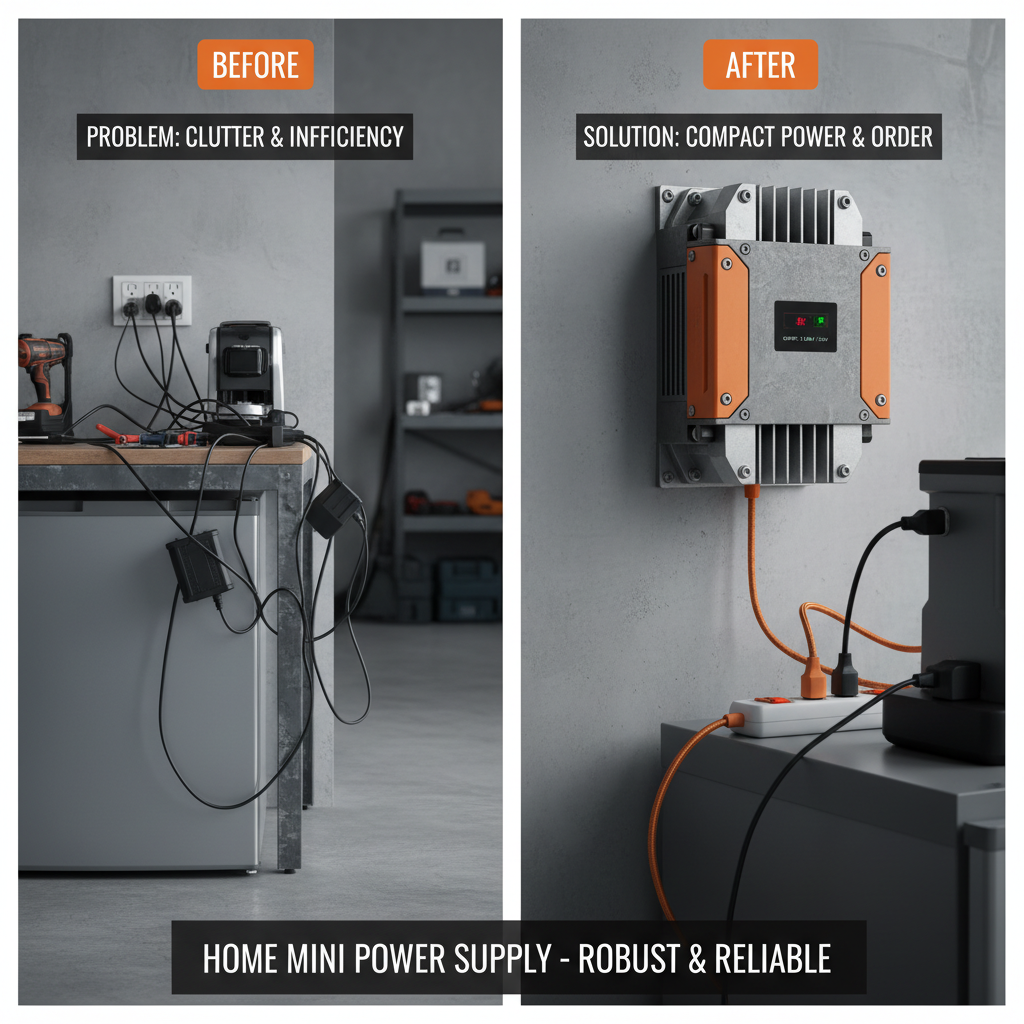
What is a Home Mini Power Supply?
A home mini power supply, also commonly known as a wall adapter, AC adapter, or power brick, converts standard AC power from a wall outlet into a lower voltage DC power that is required by many electronic devices. These compact units are designed to provide a consistent and safe power source. They come in a wide array of voltages and amperages to match the needs of various devices, including routers, modems, security cameras, LED lighting, and more. Choosing the correct power supply is critical to avoid damaging your electronics or experiencing performance issues. ACDCBESS offers a variety of mini power supplies for different applications.
Key Takeaway: A mini power supply provides the essential conversion of AC to DC power, ensuring your electronic devices operate safely and efficiently.
Choosing the Right Home Mini Power Supply: Key Considerations
Selecting the appropriate power supply involves several critical factors. First, and foremost, you need to determine the voltage (V) and current (A) requirements of your device. This information is typically printed on the device itself or in its user manual. The power supply's output voltage must match the device's requirement. The amperage of the power supply should be equal to or greater than the device's requirement. Using a power supply with insufficient amperage can lead to instability or failure, while using one with significantly higher amperage isn't usually harmful but can be less efficient. Other factors include the type of connector, the power supply's efficiency rating, and the quality of its construction.
Important Considerations:
• Voltage (V): Must match the device’s requirement exactly.
• Current (A): Should be equal to or greater than the device’s requirement.
• Connector Type: Ensure compatibility with your device.
• Efficiency Rating: Higher efficiency reduces energy waste.
Types of Home Mini Power Supplies
Home mini power supplies come in several different types, each with its own advantages and disadvantages. Linear power supplies are generally more reliable and produce less electrical noise but are larger and less efficient. Switching power supplies are smaller, lighter, and more efficient but can generate more noise. Universal power supplies offer a range of voltage outputs, making them versatile for multiple devices. Choosing the appropriate type depends on the specific application and your priorities. Consider the sensitivity of your device to electrical noise when making your selection. ACDCBESS provides both linear and switching power supplies.
Safety Precautions & Proper Usage
Safety should always be a top priority when using any electrical device. Never use a power supply that is damaged or has exposed wires. Avoid overloading the power supply by connecting too many devices. Ensure adequate ventilation around the power supply to prevent overheating. Do not attempt to disassemble or repair the power supply yourself; always consult a qualified technician. Regularly inspect the power cord for any signs of wear or damage. ACDCBESS power supplies are built with safety in mind, but proper usage is still crucial.
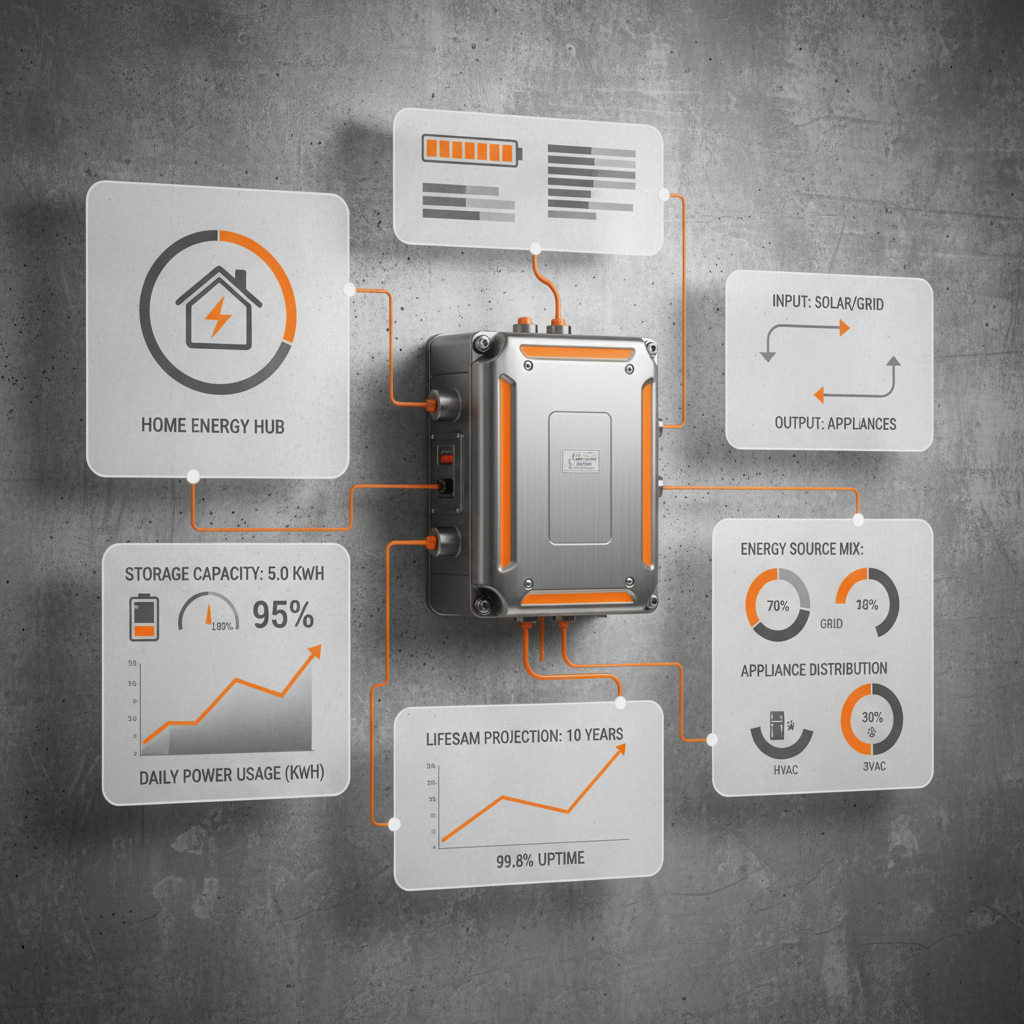
Maintaining Your Home Mini Power Supply
To ensure long-lasting performance, keep your power supply clean and dust-free. Avoid exposing it to extreme temperatures or humidity. Periodically check the power cord and connector for any signs of damage. If you notice any unusual noises or smells, disconnect the power supply immediately. By following these simple maintenance tips, you can maximize the lifespan of your power supply and protect your valuable electronics.
Conclusion: Powering Your Connected Life
Choosing the right home mini power supply is a crucial step in ensuring the reliable and safe operation of your electronic devices. By understanding the different types available, prioritizing safety, and following proper maintenance practices, you can protect your investment and enjoy a seamless connected experience. Don't underestimate the importance of a quality power supply – it's the foundation of a stable and efficient home network and entertainment system.
Frequently Asked Questions (FAQs)
What does the amperage rating on a power supply mean?
The amperage (A) rating indicates the maximum current the power supply can deliver safely. Your device will draw the amount of current it needs, up to the power supply's maximum rating. It’s crucial to select a power supply with an amperage rating equal to or greater than the device’s requirement. Using a power supply with insufficient amperage can lead to malfunction or damage. A higher amperage rating doesn’t force more current into the device; it simply provides headroom for fluctuations and prevents overloading the power supply.
Can I use a power supply with a different connector type?
While it might be tempting, using a power supply with a different connector type is generally not recommended. Attempting to modify a connector can be dangerous and could damage both the power supply and your device. If the connector doesn’t fit, you should purchase a power supply with the correct connector. Adaptors are available, but it's essential to choose a high-quality adaptor designed for the specific power requirements of your devices.
What is power supply efficiency and why is it important?
Power supply efficiency refers to the percentage of power drawn from the wall that is actually delivered to the device. A more efficient power supply wastes less energy as heat. Efficiency is typically rated using standards like 80 PLUS, with higher ratings (Bronze, Silver, Gold, Platinum, Titanium) indicating greater efficiency. Choosing a more efficient power supply can save you money on your electricity bill and reduce your environmental impact.
How do I know if my power supply is failing?
Signs of a failing power supply can include flickering lights, intermittent device operation, unusual noises (clicking or buzzing), overheating, or a burning smell. If you notice any of these symptoms, immediately disconnect the power supply and replace it. Continuing to use a failing power supply can damage your devices and pose a safety hazard.
-
Cedar Point EV Charging Solutions for Sustainable Tourism Experience
NewsApr.16,2026
-
Guide to Cedar Point Charging Stations for EV Park Visitors
NewsApr.16,2026
-
Acorn Stairlift Charging Point Guide for Home Mobility Optimization
NewsApr.16,2026
-
Integrating a Wireless Charging Point into Modern Infrastructure
NewsApr.16,2026
-
How to Optimize Your iPhone 14 Charging Point for Efficiency
NewsApr.16,2026
-
Analyzing the Charging Point Share Price Trends and Market Outlook
NewsApr.09,2026