


Mar . 14, 2026 01:55 Back to list
Comprehensive Guide to Whole Home UPS Power Supply for Uninterrupted Living
Whole Home UPS Power Supply: Ensuring Uninterrupted Power for Your Life
In today's world, we rely heavily on electricity. From essential appliances to critical medical equipment, a stable power supply is paramount. Unexpected power outages can disrupt our lives, damage sensitive electronics, and even pose safety risks. A whole home UPS power supply offers a reliable solution to protect your home and family. This article will explore the benefits, components, and considerations when choosing a UPS system for your entire home. Ensuring continuous power is no longer a luxury, but a necessity. Let’s delve into how you can achieve that peace of mind.
Understanding the Benefits of a Whole Home UPS
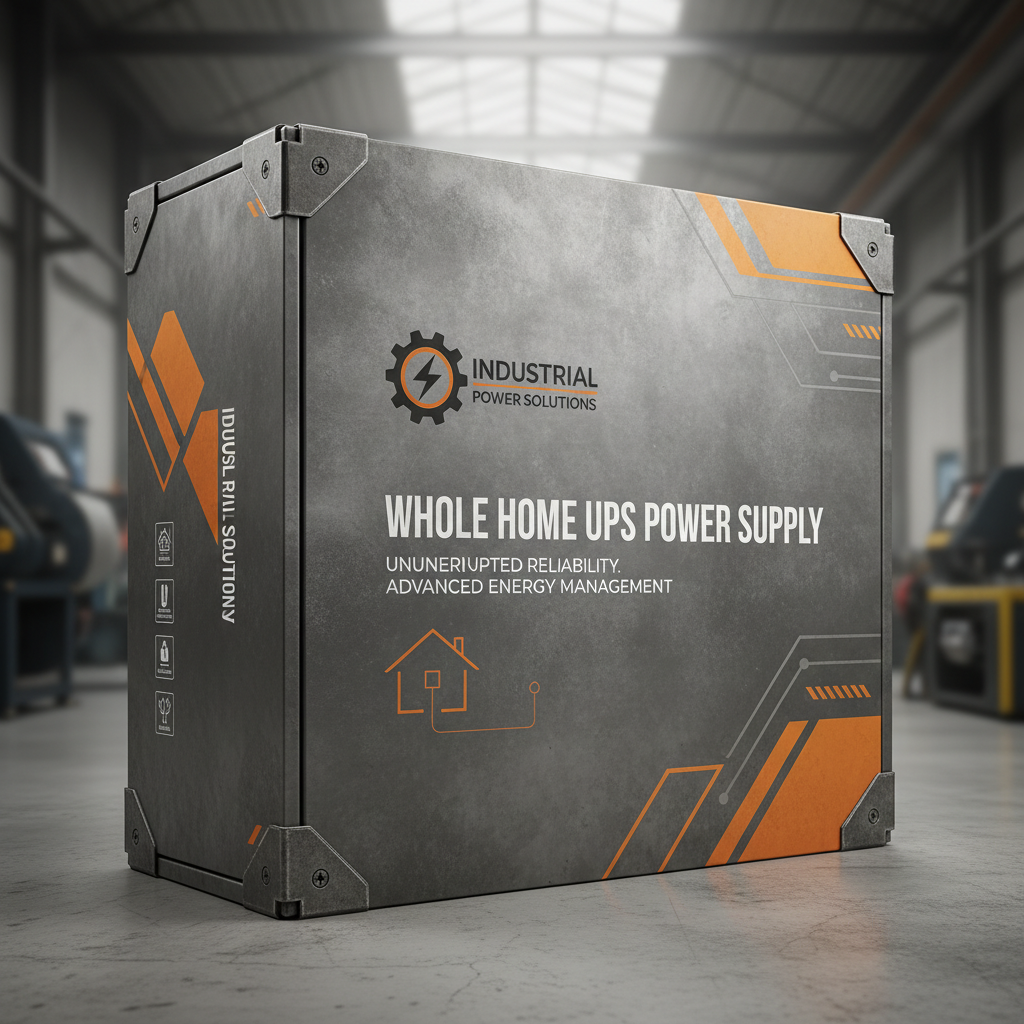
A whole home UPS differs significantly from a small, individual UPS used for a computer. While smaller UPS units provide short-term backup power for specific devices, a whole home system is designed to power essential circuits throughout your house during an outage. This means refrigerators, heating/cooling systems, medical devices, and lighting can continue to function. The key benefits include protecting sensitive electronics from power surges and brownouts, preventing data loss, and maintaining critical life support systems. Investing in a whole-home UPS translates to peace of mind and safeguards against the potentially costly consequences of power disruptions.
Key Highlights: Protects sensitive electronics, prevents data loss, maintains critical life support systems, provides peace of mind during power outages.
Key Components of a Whole Home UPS System
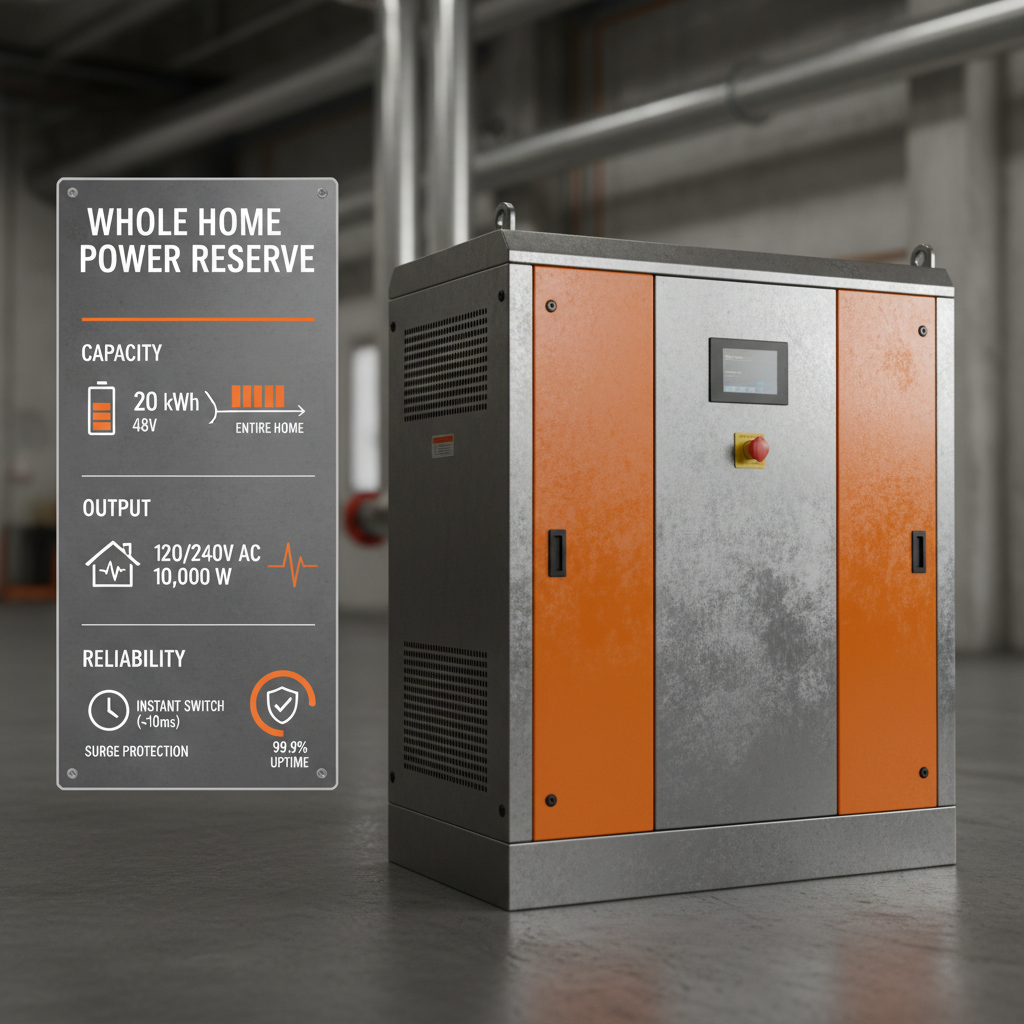
A complete whole home UPS system typically consists of several key components. The inverter converts DC power from the batteries to AC power used by your appliances. Batteries store the energy needed to power your home during an outage; Lithium-ion batteries are increasingly preferred for their longer lifespan and higher energy density. A charge controller regulates the charging process, ensuring optimal battery health. Finally, an automatic transfer switch (ATS) seamlessly switches your home from grid power to battery power when an outage is detected. Understanding these components is crucial for selecting the right system for your needs.
Component Breakdown:
• Inverter: Converts DC to AC power.
• Batteries: Store energy for backup power.
• Charge Controller: Regulates battery charging.
• ATS: Automatically switches power sources.
Whole Home UPS Power Supply: System Capacity & Sizing
Proper sizing is arguably the most important aspect of a whole-home UPS system. You need to determine the wattage requirements of the essential circuits you want to power during an outage. Add up the wattage of all the appliances you want to run simultaneously (refrigerator, furnace fan, lights, medical devices, etc.). It’s wise to add a safety margin of 20-25% to account for startup surges. Then you need to calculate the desired runtime—how long do you want the system to power your home during an outage? Longer runtime requires more battery capacity. ACDCBESS offers customized solutions to match your specific power needs.
Installation and Maintenance Considerations
Installing a whole home UPS is best left to qualified electricians. It involves connecting the system to your electrical panel and ensuring compliance with local codes. Once installed, regular maintenance is crucial. This includes checking battery health, inspecting connections, and testing the system periodically to ensure it functions correctly. Lithium-ion batteries generally require less maintenance than lead-acid batteries. ACDCBESS offers comprehensive installation guides and maintenance support.
Choosing the Right Whole Home UPS Provider
Selecting a reputable provider is paramount. Look for companies with a proven track record, excellent customer support, and a wide range of system options. Consider factors like warranty, scalability, and the availability of professional installation services. ACDCBESS specializes in energy storage solutions and offers customized whole home UPS systems designed to meet your specific requirements. We provide expert guidance, reliable products, and ongoing support to ensure your peace of mind.
Conclusion: Powering Your Life with Confidence
A whole home UPS power supply is an investment in your safety, security, and peace of mind. By protecting your essential appliances, data, and critical equipment, you can confidently navigate unexpected power outages. Choosing the right system and a reliable provider like ACDCBESS ensures a seamless and effective solution. Don’t wait for the next power outage – empower your home today.
Frequently Asked Questions (FAQs)
What is the difference between a standby UPS and an online UPS?
Standby UPS systems operate on grid power and switch to battery power when an outage is detected, resulting in a brief transfer time (a few milliseconds). Online UPS systems continuously run on battery power, with the battery constantly being recharged by the grid. This eliminates transfer time, providing seamless power protection. Online UPS systems are typically more expensive but offer superior protection for sensitive equipment. Standby UPS is a good solution for basic use but for mission-critical use, online UPS is preferred.
How long will a whole home UPS power my house during an outage?
The runtime depends on the battery capacity of your UPS system and the total power consumption of the appliances you are running. A larger battery bank will provide longer runtime. It’s crucial to accurately calculate your wattage requirements and choose a system with sufficient battery capacity to meet your needs. A system with 10kWh capacity may power essential appliances for several hours, but more critical use needs larger capacity.
What type of battery is best for a whole home UPS?
Lithium-ion batteries are generally considered the best option for whole home UPS systems due to their higher energy density, longer lifespan, and lower maintenance requirements compared to lead-acid batteries. While lithium-ion batteries are more expensive upfront, their long-term cost of ownership is often lower. ACDCBESS offers UPS systems utilizing high-quality lithium-ion battery technology.
Does a whole home UPS require a generator as a backup?
While a whole home UPS can provide short-to-medium term power during an outage, a generator can provide extended backup power. A UPS bridges the gap during the switchover to a generator and protects against short-term outages. Integrating a UPS with a generator is an excellent strategy for comprehensive power protection, ensuring uninterrupted power even during prolonged outages. However, UPS alone can suffice for most outages.
-
Cedar Point EV Charging Solutions for Sustainable Tourism Experience
NewsApr.16,2026
-
Guide to Cedar Point Charging Stations for EV Park Visitors
NewsApr.16,2026
-
Acorn Stairlift Charging Point Guide for Home Mobility Optimization
NewsApr.16,2026
-
Integrating a Wireless Charging Point into Modern Infrastructure
NewsApr.16,2026
-
How to Optimize Your iPhone 14 Charging Point for Efficiency
NewsApr.16,2026
-
Analyzing the Charging Point Share Price Trends and Market Outlook
NewsApr.09,2026