


Mar . 26, 2026 01:55 Back to list
Exploring Flywheel Technology for Energy Storage and its Future Applications
Flywheel Technology for Energy Storage: A Comprehensive Overview
In the pursuit of sustainable and reliable energy solutions, energy storage systems are becoming increasingly vital. Among the various technologies available, flywheel technology for energy storage offers a unique and compelling approach. Unlike batteries, flywheels store energy mechanically, providing distinct advantages in terms of lifespan, safety, and environmental impact. This article will delve into the principles behind flywheel energy storage, its applications, benefits, and future potential, especially regarding ACDC BESS solutions. Understanding this technology is crucial for anyone involved in renewable energy, grid stabilization, or power quality management.
How Flywheel Technology Works
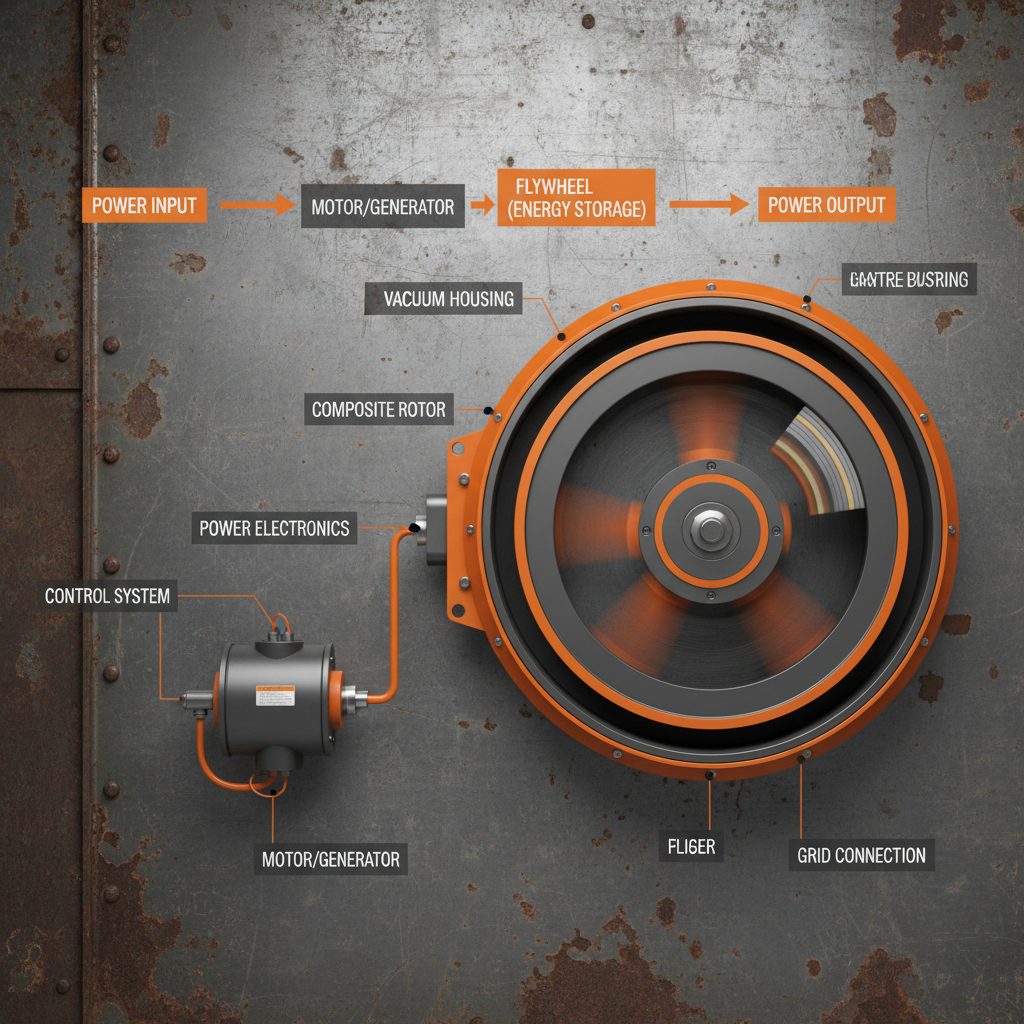
At its core, a flywheel energy storage system utilizes the principle of inertia. A heavy rotor is spun up to a very high speed and maintained in a vacuum environment to minimize friction. Energy is stored as kinetic energy in the rotating mass. When energy is needed, the flywheel slows down, releasing the stored energy as electrical power through a connected generator. The speed and mass of the rotor determine the amount of energy stored. Modern flywheels often incorporate composite materials to maximize strength and minimize weight, further enhancing their performance. The efficiency of energy storage and retrieval depends heavily on minimizing energy losses due to friction and air resistance.
Key Benefits of Flywheel Energy Storage
Flywheel systems offer several advantages over traditional energy storage methods. One of the most significant benefits is their exceptionally long lifespan – often exceeding 20 years with minimal degradation. They also boast a high cycle life, capable of tens of thousands of charge and discharge cycles without performance loss. Furthermore, flywheels are environmentally friendly, utilizing non-toxic materials and requiring no chemical reactions, unlike batteries. Their fast response times and high power density make them ideal for applications requiring immediate power delivery. Considering these aspects, flywheels provide a cost-effective and sustainable energy storage solution.
Key Highlights: Long lifespan, high cycle life, environmentally friendly, fast response times, high power density.
Flywheel Technology vs. Battery Storage: A Detailed Comparison
While both flywheel and battery energy storage systems serve the same fundamental purpose, they differ significantly in their characteristics. Batteries rely on chemical reactions to store energy, leading to degradation over time and a limited cycle life. Flywheels, on the other hand, store energy mechanically, resulting in a much longer lifespan and virtually unlimited cycle life. Batteries also have a temperature sensitivity, while flywheels are less affected by temperature variations. However, flywheels typically have a lower energy density compared to batteries, meaning they require more space for the same amount of energy storage. The choice between the two depends on the specific application requirements.
Applications of Flywheel Energy Storage
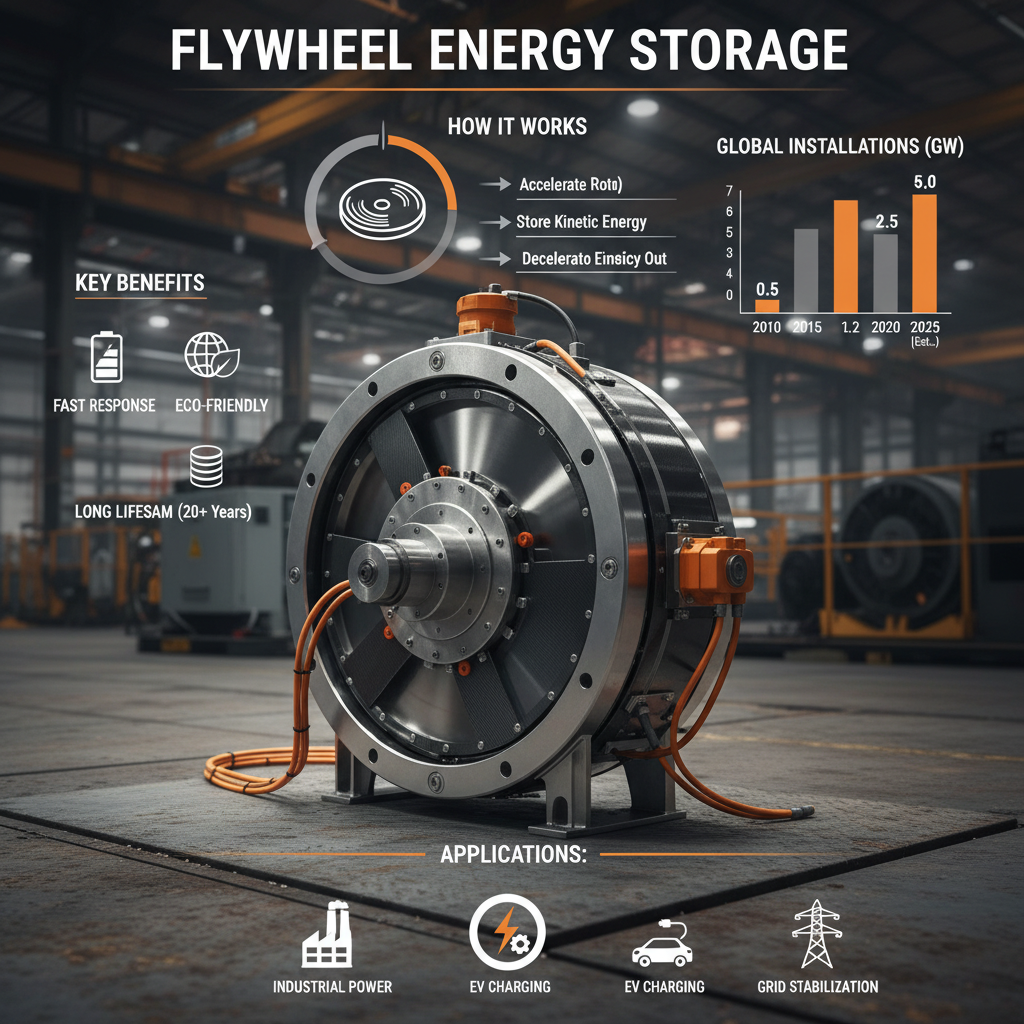
The unique characteristics of flywheel technology make it suitable for a wide range of applications. These include grid frequency regulation, providing short-term power stabilization to maintain grid reliability. They’re also used in uninterruptible power supplies (UPS) to ensure continuous power delivery during outages. In transportation, flywheels can be integrated into hybrid vehicles to capture and reuse braking energy, improving fuel efficiency. Moreover, flywheels are gaining traction in renewable energy systems, smoothing out the intermittent output of solar and wind power. ACDC BESS utilizes flywheel technology to provide robust and reliable energy storage solutions for various industries.
Future Trends and Innovations in Flywheel Technology
Ongoing research and development are continuously improving flywheel technology. Innovations in materials science, such as the use of carbon fiber composites, are increasing energy density and reducing weight. Magnetic bearings are replacing traditional bearings to minimize friction and enhance efficiency. Advanced control systems are optimizing energy storage and retrieval processes. Furthermore, the integration of flywheels with other energy storage technologies, like batteries, is creating hybrid systems that combine the strengths of both. The future of flywheel technology for energy storage looks promising, with the potential to play a significant role in the transition to a sustainable energy future.
Conclusion: The Power of Inertia for a Sustainable Future
Flywheel energy storage represents a compelling alternative to traditional battery systems, offering a unique combination of longevity, safety, and environmental responsibility. With ongoing advancements in materials and control systems, flywheels are poised to become an increasingly important component of the modern energy landscape. ACDC BESS is dedicated to harnessing the power of flywheel technology to deliver innovative and reliable energy storage solutions.
Frequently Asked Questions (FAQs)
What are the primary advantages of flywheel energy storage over batteries?
Flywheels offer several key advantages. They boast a significantly longer lifespan and virtually unlimited cycle life compared to batteries, which degrade over time. Flywheels are also environmentally friendlier, utilizing non-toxic materials and avoiding the chemical reactions inherent in battery operation. Furthermore, flywheels generally have a faster response time and can operate effectively over a wider temperature range. While batteries currently offer higher energy density, ongoing flywheel advancements are closing this gap.
What types of applications are best suited for flywheel energy storage?
Flywheels excel in applications requiring frequent and rapid charge/discharge cycles, high power density, and long operational life. This includes grid frequency regulation, uninterruptible power supplies (UPS), regenerative braking in transportation systems, and smoothing the output of renewable energy sources like solar and wind. They’re particularly beneficial where minimizing environmental impact is a priority.
How does ACDC BESS utilize flywheel technology?
ACDC BESS integrates advanced flywheel technology into robust and reliable energy storage systems. These systems are designed to provide grid stabilization, power quality improvement, and backup power solutions for a variety of industries. ACDC BESS solutions leverage the inherent advantages of flywheels – longevity, high cycle life, and environmental sustainability – to deliver cost-effective and efficient energy storage.
What maintenance is required for a flywheel energy storage system?
Flywheel systems generally require minimal maintenance. Unlike batteries, there are no chemicals to replace or manage. Routine inspections of the rotor, bearings (if applicable), and control systems are typically sufficient. The vacuum system may require periodic monitoring to ensure optimal performance. Overall, the maintenance requirements for flywheels are significantly lower compared to other energy storage technologies.
-
Cedar Point EV Charging Solutions for Sustainable Tourism Experience
NewsApr.16,2026
-
Guide to Cedar Point Charging Stations for EV Park Visitors
NewsApr.16,2026
-
Acorn Stairlift Charging Point Guide for Home Mobility Optimization
NewsApr.16,2026
-
Integrating a Wireless Charging Point into Modern Infrastructure
NewsApr.16,2026
-
How to Optimize Your iPhone 14 Charging Point for Efficiency
NewsApr.16,2026
-
Analyzing the Charging Point Share Price Trends and Market Outlook
NewsApr.09,2026