


Mar . 26, 2026 01:55 Back to list
Exploring the Potential of GravityBased Energy Storage Technology for a Sustainable Future
Understanding Gravity-Based Energy Storage Technology
As the world transitions towards renewable energy sources, the need for efficient and large-scale energy storage solutions becomes increasingly critical. While batteries have gained prominence, gravity-based energy storage technology offers a compelling alternative, leveraging the fundamental principle of potential energy. This method provides a potentially sustainable, long-lasting, and environmentally friendly approach to storing excess energy. This article will delve into the principles, benefits, applications, and future prospects of gravity energy storage, exploring how it's poised to reshape the energy landscape. ACDC BESS is at the forefront of developing and implementing innovative energy storage solutions.
How Does Gravity-Based Energy Storage Work?
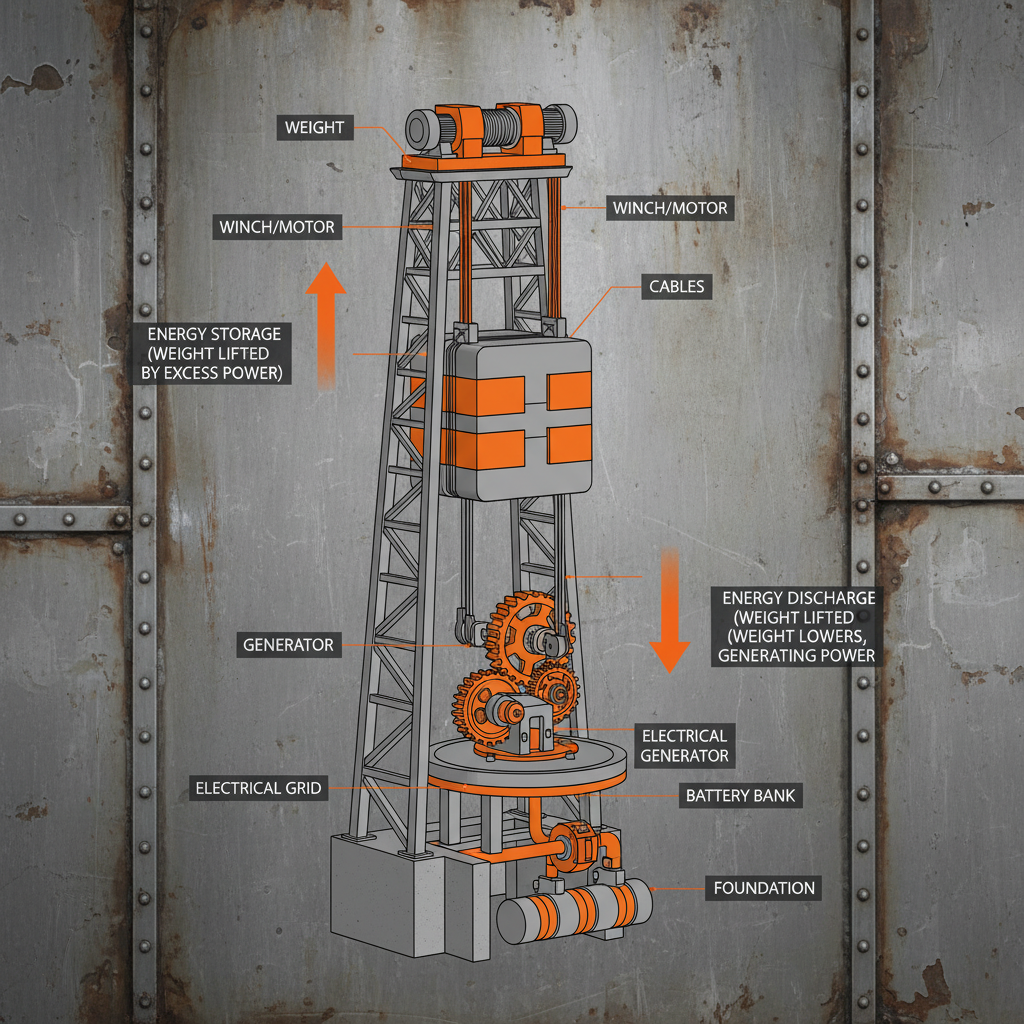
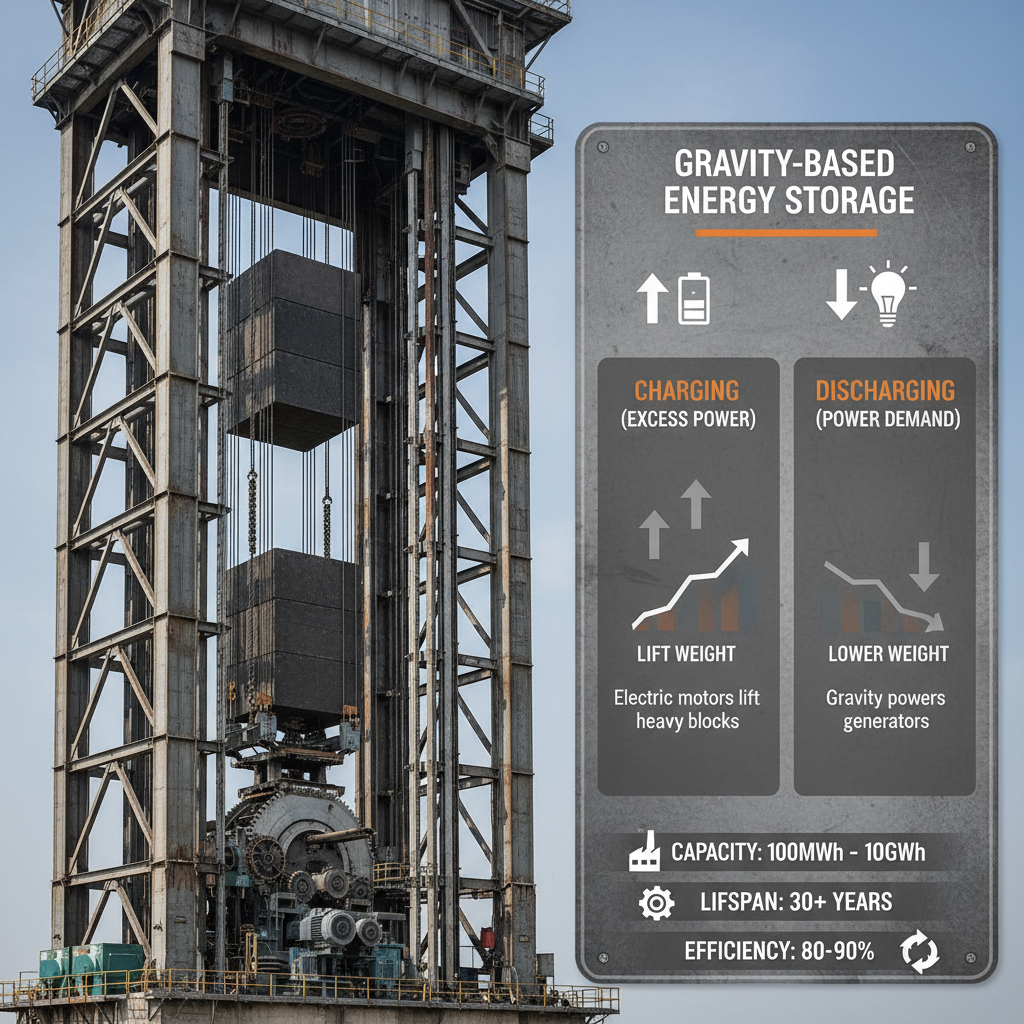
The core concept behind gravity-based energy storage is surprisingly simple. It involves lifting heavy masses (such as concrete blocks, rocks, or even water) to a higher elevation when excess energy is available – typically from renewable sources like solar or wind. This process converts electrical energy into potential energy. When energy is needed, these masses are lowered, driving generators to produce electricity. The efficiency of the system depends on factors like the mass used, the height of the lift, and the efficiency of the generators. The fundamental equation governing this process is PE = mgh (Potential Energy = mass x gravity x height). Different designs employ various methods for lifting and lowering these masses, ranging from crane-like systems to underground shaft configurations.
Key Advantages: Long lifespan, minimal environmental impact, scalability, and potential for lower costs compared to traditional battery storage.
Types of Gravity-Based Energy Storage Systems
Several different approaches are being developed for implementing gravity energy storage technology. These include:
- Elevated Weight Systems: These systems utilize cranes or similar mechanisms to lift and lower weights in a vertical shaft.
- Underground Systems: Utilizing abandoned mines or purpose-built underground shafts to store potential energy using masses. This offers greater space efficiency.
- Pumped Hydro Storage (PHS): A more established technology, PHS involves pumping water uphill to a reservoir during periods of excess energy and releasing it to generate electricity when needed. While not strictly 'gravity-based' in the same manner as lifting solid weights, it operates on the same principle of potential energy.
- Rail Systems: Using electric railcars traveling up and down steep inclines to store and release energy.
Each approach has its own advantages and disadvantages in terms of cost, efficiency, and geographic suitability. ACDC BESS is actively researching and developing innovative solutions across several of these methods.
Gravity Storage vs. Other Energy Storage Technologies
Comparing gravity energy storage with other popular methods reveals both strengths and weaknesses. Battery storage, like lithium-ion, offers high energy density and fast response times, but faces challenges related to material sourcing, degradation, and environmental impact. Pumped hydro storage is well-established but requires specific geographical features. Compressed air energy storage (CAES) requires suitable geological formations. The following table illustrates a comparative overview:
Applications and Future Prospects
Gravity-based energy storage has numerous potential applications, including grid stabilization, peak shaving (reducing demand during peak hours), and supporting renewable energy integration. It is particularly well-suited for providing long-duration storage, which is crucial for ensuring a reliable electricity supply during periods of low renewable energy output. Future advancements are focused on increasing efficiency, reducing costs, and developing innovative materials for the lifting masses. Research is also ongoing to optimize system designs for specific geographical locations. The demand for large-scale energy storage is only expected to grow, positioning gravity energy storage as a vital component of a sustainable energy future.
Conclusion: A Sustainable Path to Energy Storage
The potential of gravity-based energy storage technology is undeniable. Its long lifespan, low environmental impact, and scalability make it an attractive alternative to traditional energy storage methods. As technology continues to improve and costs decrease, we can expect to see wider adoption of this innovative solution, contributing to a more resilient and sustainable energy system. ACDC BESS is committed to pioneering the development and implementation of these crucial technologies for a cleaner energy future.
Frequently Asked Questions (FAQs)
What are the primary advantages of gravity storage over lithium-ion batteries?
Gravity storage offers several key advantages. First, it boasts a significantly longer lifespan – potentially decades – compared to the 5-10 year lifespan of lithium-ion batteries. Second, the environmental impact is lower, as it doesn't rely on rare earth minerals or materials with complex recycling processes. Third, gravity storage can offer lower levelized costs of storage (LCOS) over its lifetime, especially for long-duration storage applications. While batteries have higher energy density, gravity storage excels in long-term reliability and sustainability.
Is gravity storage suitable for residential use?
Currently, gravity storage systems are generally more suited for large-scale, grid-level applications due to the space requirements and infrastructure involved. Building a practical gravity storage system within a typical residential setting is challenging. However, ongoing research and development may lead to more compact and efficient designs that could potentially make it feasible for residential use in the future.
What is the efficiency of a typical gravity storage system?
The efficiency of a gravity storage system – the ratio of energy recovered to energy invested – typically ranges from 70% to 85%. This is comparable to other forms of energy storage, such as pumped hydro. Efficiency is affected by factors like friction in the lifting and lowering mechanisms, the efficiency of the generators, and energy losses due to air resistance. Ongoing research focuses on improving these factors to maximize overall efficiency.
How does ACDC BESS contribute to advancements in gravity storage?
ACDC BESS is actively investing in research and development to improve the efficiency, reduce the cost, and expand the scalability of gravity-based energy storage. This includes exploring innovative lifting mechanisms, optimizing system designs, and integrating advanced control systems for seamless grid integration. We’re committed to providing reliable and sustainable energy storage solutions to meet the growing global demand.
-
Cedar Point EV Charging Solutions for Sustainable Tourism Experience
NewsApr.16,2026
-
Guide to Cedar Point Charging Stations for EV Park Visitors
NewsApr.16,2026
-
Acorn Stairlift Charging Point Guide for Home Mobility Optimization
NewsApr.16,2026
-
Integrating a Wireless Charging Point into Modern Infrastructure
NewsApr.16,2026
-
How to Optimize Your iPhone 14 Charging Point for Efficiency
NewsApr.16,2026
-
Analyzing the Charging Point Share Price Trends and Market Outlook
NewsApr.09,2026