


Apr . 04, 2026 01:55 Back to list
Exploring Mechanical Energy Storage Flywheel Technology and Future Applications
Mechanical Energy Storage Flywheels: A Comprehensive Guide
In the pursuit of efficient and reliable energy storage solutions, flywheels are gaining prominence. Unlike batteries, mechanical energy storage flywheels offer long lifecycles, rapid charge/discharge rates, and environmental benefits. This article will provide a detailed overview of flywheel technology, its applications, advantages, and future trends. We’ll delve into how flywheels function and explore why they are a compelling option for various energy storage needs.
How Do Mechanical Energy Storage Flywheels Work?
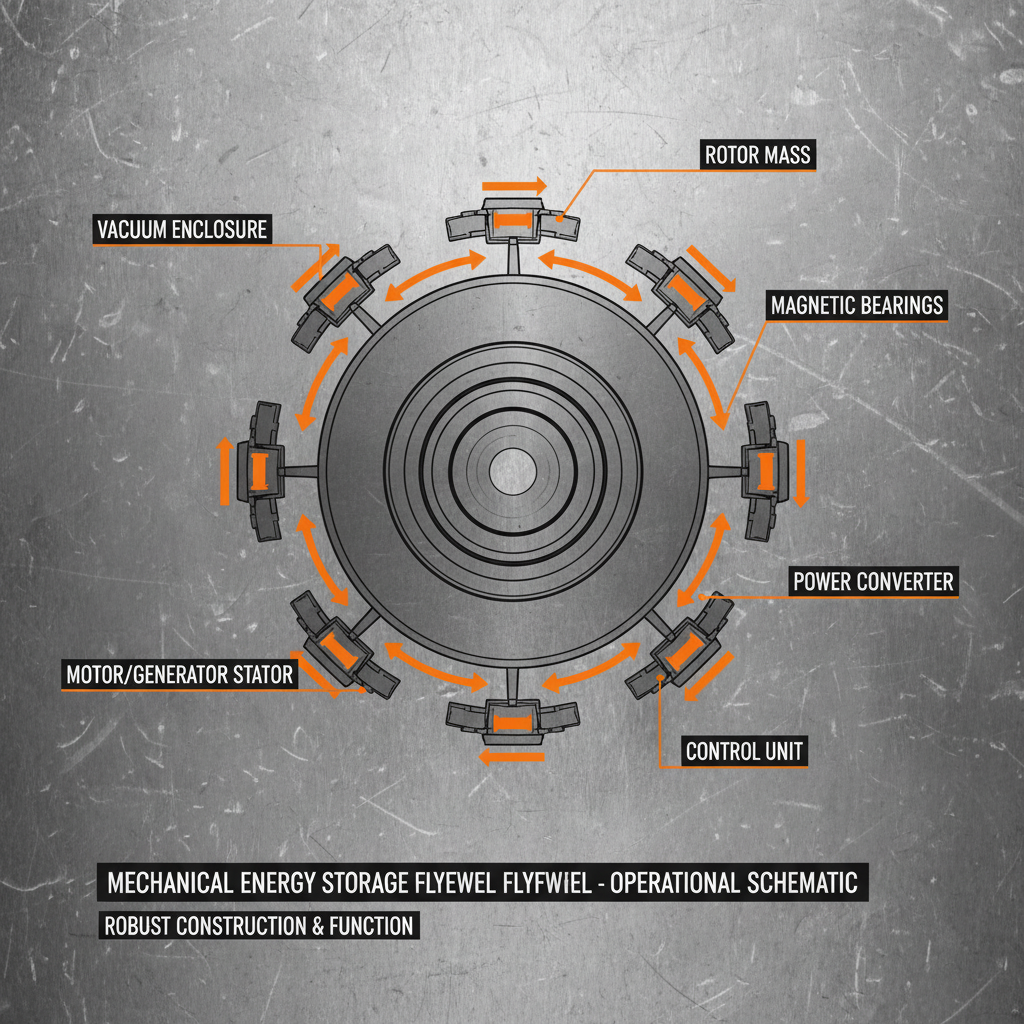
At its core, a flywheel stores energy by rotating a heavy rotor at high speeds. Electrical energy is used to accelerate the rotor, and kinetic energy is stored in the process. When energy is needed, the rotor’s rotation is slowed, and the kinetic energy is converted back into electricity. Key components include the rotor, bearings, and a vacuum chamber to minimize air friction. Modern flywheels frequently use composite materials like carbon fiber to increase strength and reduce weight, allowing for higher rotational speeds and greater energy density. The efficiency of energy storage and retrieval is a critical performance metric, and ongoing innovations are focusing on reducing losses due to friction and air resistance. ACDC BESS provides advanced flywheel solutions engineered for optimal performance.
Key Highlights: Flywheels store energy kinetically through rotation, offering rapid charge/discharge, long lifecycles, and environmental benefits. Composite materials and vacuum environments enhance efficiency.
Applications of Mechanical Energy Storage Flywheels
Flywheels find applications in a variety of sectors. They are increasingly used in grid stabilization to manage fluctuations in renewable energy sources like solar and wind power. In transportation, flywheels can power electric buses and trains, offering a cleaner and more sustainable alternative to traditional fuels. Furthermore, they are utilized in uninterruptible power supplies (UPS) to provide backup power for critical systems, such as data centers and hospitals. Flywheel energy storage is also beneficial in motorsport, providing bursts of power during acceleration. The versatility of flywheels makes them an adaptable solution for diverse energy storage challenges.
Flywheel Application Areas:
• Grid Stabilization
• Electric Transportation
• Uninterruptible Power Supplies (UPS)
• Motorsport
Mechanical Energy Storage Flywheel vs. Battery Storage: A Comparative Analysis
While batteries dominate the energy storage market, flywheels offer unique advantages. Batteries degrade over time and have limited lifecycles, while flywheels can endure millions of charge/discharge cycles with minimal degradation. Flywheels also offer faster response times, making them ideal for frequency regulation. However, batteries generally have a higher energy density than flywheels, meaning they can store more energy for a given size and weight. The choice between flywheels and batteries depends on the specific application and priorities. ACDC BESS helps you evaluate the optimal energy storage solution based on your needs.
Future Trends in Flywheel Technology
The future of flywheel technology is promising. Ongoing research focuses on increasing energy density through advanced materials and designs. Magnetic bearings are being developed to further reduce friction and improve efficiency. Furthermore, the integration of flywheels with power electronics is enhancing their grid support capabilities. As renewable energy penetration increases, the demand for efficient and reliable energy storage solutions will continue to grow, driving innovation in the flywheel sector. ACDC BESS is at the forefront of these advancements.
Product Specifications: ACDC BESS Flywheel Systems
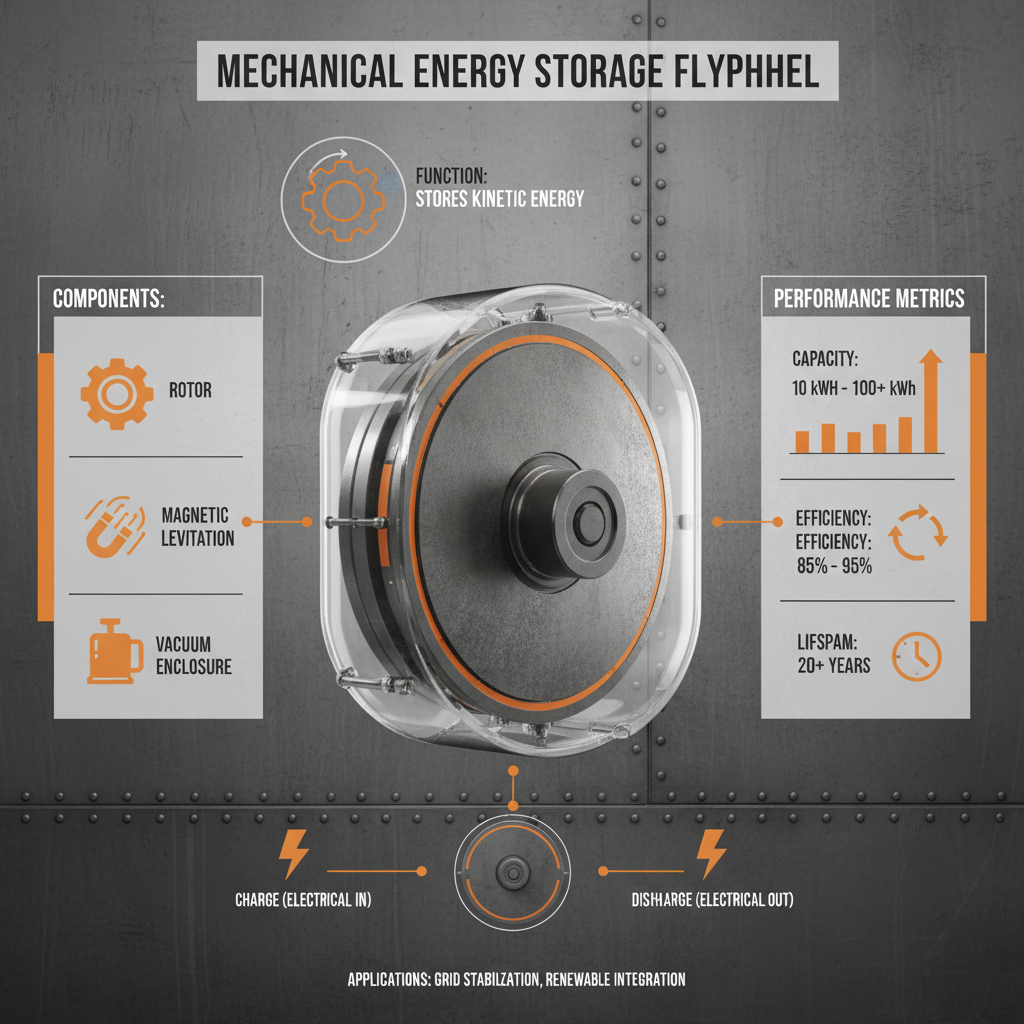
ACDC BESS offers a range of flywheel energy storage systems tailored to diverse applications. Here are some key specifications:
Conclusion: The Future is Kinetic
Mechanical energy storage flywheels represent a compelling alternative to traditional energy storage technologies. With their long lifecycles, rapid response times, and environmental benefits, they are poised to play a key role in the transition to a sustainable energy future. ACDC BESS is dedicated to developing and deploying innovative flywheel solutions to meet the evolving energy storage needs of the world.
Frequently Asked Questions (FAQs)
What are the primary advantages of using a flywheel for energy storage?
Flywheels offer several key advantages over other energy storage technologies. They boast an exceptionally long lifecycle, enduring hundreds of thousands of charge/discharge cycles with minimal degradation. They also provide rapid response times, making them ideal for applications like frequency regulation and grid stabilization. Furthermore, flywheels are environmentally friendly, utilizing materials that are recyclable and avoiding the hazardous chemicals found in some batteries. They are well-suited for applications needing frequent, short bursts of power.
How does the operating environment affect flywheel performance?
The operating environment significantly impacts flywheel performance. A vacuum chamber is crucial to minimize air friction and maximize efficiency. Temperature control is also important, as extreme temperatures can affect material properties. Vibration and shock loads should be minimized to prevent damage to the rotor and bearings. Proper maintenance and regular inspections are essential to ensure optimal performance and longevity. ACDC BESS designs flywheels to withstand demanding conditions.
What safety measures are in place to prevent flywheel failure?
Flywheel safety is paramount. Modern flywheels incorporate multiple layers of protection. High-strength materials and robust containment systems are used to prevent catastrophic failure in the event of rotor rupture. Monitoring systems track rotor speed and integrity, and automatic shutdown mechanisms are in place to address any anomalies. Regular inspections and maintenance are crucial for ensuring continued safety and reliability. Redundancy in the system also enhances safety, ensuring continued operation even in the event of a component failure.
-
Cedar Point EV Charging Solutions for Sustainable Tourism Experience
NewsApr.16,2026
-
Guide to Cedar Point Charging Stations for EV Park Visitors
NewsApr.16,2026
-
Acorn Stairlift Charging Point Guide for Home Mobility Optimization
NewsApr.16,2026
-
Integrating a Wireless Charging Point into Modern Infrastructure
NewsApr.16,2026
-
How to Optimize Your iPhone 14 Charging Point for Efficiency
NewsApr.16,2026
-
Analyzing the Charging Point Share Price Trends and Market Outlook
NewsApr.09,2026