


Apr . 04, 2026 01:55 Back to list
Exploring Mechanical Energy Storage Spring Systems and Their Diverse Applications
Understanding Mechanical Energy Storage with Springs
Mechanical energy storage is a crucial aspect of numerous engineering applications, offering a reliable method to capture and release power. Among the various technologies employed, springs stand out for their simplicity, efficiency, and cost-effectiveness. This article delves into the world of mechanical energy storage spring systems, exploring their principles, types, applications, and the latest advancements. Understanding these systems is vital for optimizing performance and reliability in a wide range of industries, from automotive to aerospace.
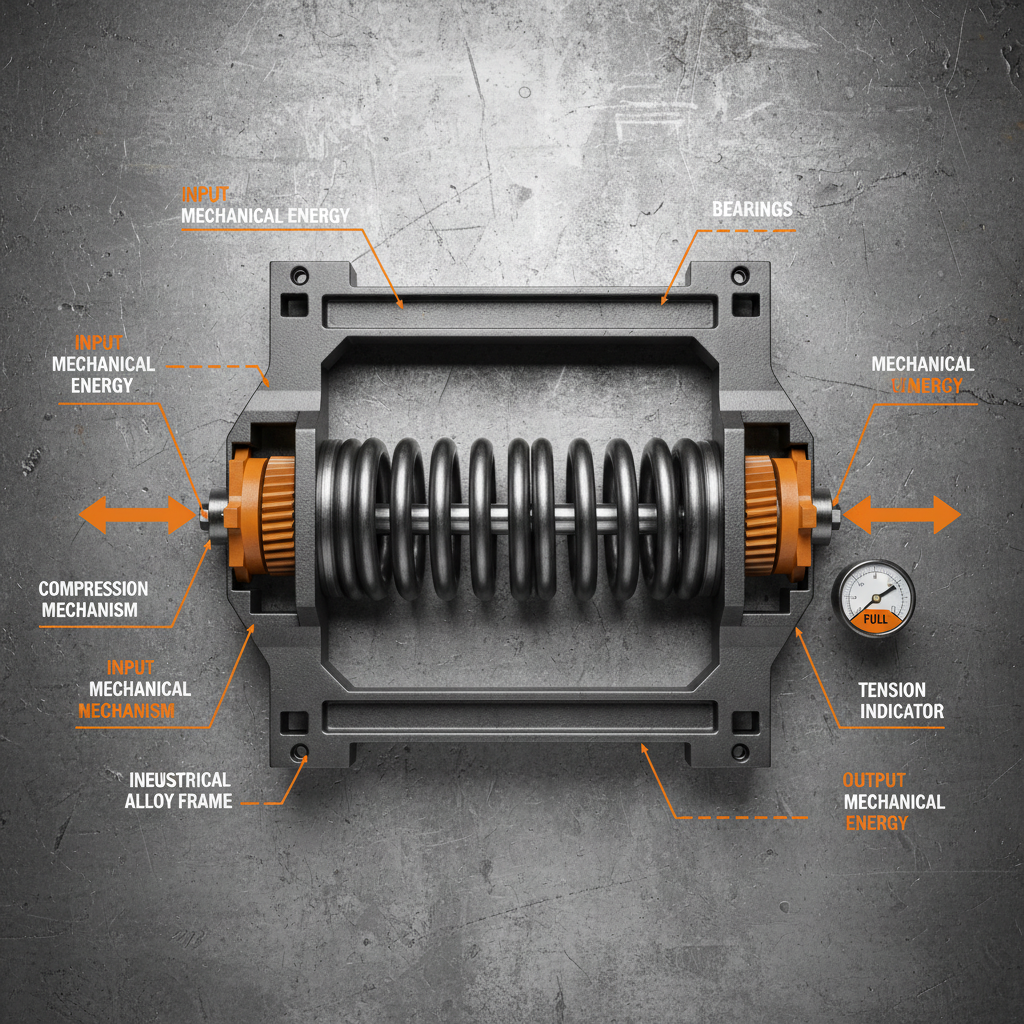
The Fundamentals of Mechanical Energy Storage Using Springs
At its core, mechanical energy storage using springs relies on the principle of elasticity – the ability of a material to deform under stress and return to its original shape when the stress is removed. When a force is applied to a spring, it stores that energy as potential energy. This potential energy can then be released, converting it back into kinetic energy or used to perform work. The amount of energy a spring can store is determined by several factors including the spring constant (stiffness), the distance the spring is compressed or stretched (displacement), and the material properties of the spring itself.
Types of Springs Used in Energy Storage
Various spring types are utilized for mechanical energy storage, each offering unique characteristics suitable for specific applications. The most common types include:
- Coil Springs: These are helical springs designed to resist compression or tension. They’re widely used in suspension systems and various mechanical devices.
- Leaf Springs: Composed of multiple layers of steel, leaf springs are typically used in vehicles for suspension. They offer high load-carrying capacity.
- Torsion Springs: These springs resist twisting forces and are often used in hinges, clamps, and other rotational mechanisms.
- Disc Springs (Belleville Washers): These conical springs provide high load capacity in a small space, making them ideal for applications where space is limited.
Key Considerations When Selecting a Mechanical Energy Storage Spring
Choosing the right spring for a particular application requires careful consideration of several factors. These include:
- Load Capacity: The maximum force the spring needs to withstand.
- Deflection: The amount the spring will be compressed or stretched.
- Fatigue Life: The number of cycles the spring can endure before failure.
- Material: The spring material should be selected based on its strength, corrosion resistance, and temperature tolerance.
- Space Constraints: The available space for the spring within the system.
Applications of Mechanical Energy Storage Springs
The applications of mechanical energy storage spring systems are vast and diverse. Some prominent examples include:
Recent Advancements and Future Trends
Ongoing research and development are focused on enhancing the performance and efficiency of mechanical energy storage systems. This includes exploring new materials with higher energy density, optimizing spring designs for improved fatigue life, and integrating springs with other energy storage technologies. The use of shape memory alloys and composite materials offers exciting possibilities for creating lighter, stronger, and more durable springs. Furthermore, advanced manufacturing techniques, such as additive manufacturing (3D printing), are enabling the creation of complex spring geometries tailored to specific applications. ACDC BESS is committed to innovation in energy storage solutions and is closely following these developments.
Conclusion: The Enduring Importance of Spring-Based Energy Storage
Mechanical energy storage using springs remains a vital technology across a multitude of industries. Its simplicity, reliability, and cost-effectiveness continue to make it a preferred choice for numerous applications. As materials science and manufacturing techniques advance, we can expect even more innovative and efficient spring-based energy storage solutions to emerge, addressing the growing demand for sustainable and resilient power systems.
Frequently Asked Questions (FAQs)
What are the limitations of using springs for energy storage?
While springs are efficient, they have limitations. Energy density is relatively low compared to other storage methods like batteries. Springs also exhibit energy losses due to friction and hysteresis during compression and release. Furthermore, springs can experience fatigue over time, leading to reduced performance and eventual failure. The size and weight of springs can also be a constraint in some applications. However, ongoing material science research is addressing some of these drawbacks.
How does spring material affect performance?
The material a spring is made from significantly impacts its performance. High-carbon steel is common due to its strength and elasticity, but stainless steel offers better corrosion resistance. Alloy steels provide enhanced strength and durability. Shape memory alloys offer unique capabilities for energy storage and release. The material's Young's modulus (stiffness) and yield strength are crucial parameters in determining a spring’s load capacity and deformation characteristics.
What maintenance is required for mechanical energy storage springs?
Regular inspection is essential to identify signs of fatigue, corrosion, or damage. Lubrication can reduce friction and extend the spring’s life. In harsh environments, protective coatings may be necessary to prevent corrosion. If a spring shows signs of weakening or deformation, it should be replaced immediately. Proper storage when not in use is also important to prevent deterioration.
Are there any environmental considerations when using springs?
The production of steel requires significant energy and resources. However, springs are generally recyclable, reducing their environmental impact. Choosing springs made from sustainable materials or with environmentally friendly coatings can further minimize their ecological footprint. Furthermore, the long lifespan of springs reduces the need for frequent replacements, contributing to resource conservation.
-
Cedar Point EV Charging Solutions for Sustainable Tourism Experience
NewsApr.16,2026
-
Guide to Cedar Point Charging Stations for EV Park Visitors
NewsApr.16,2026
-
Acorn Stairlift Charging Point Guide for Home Mobility Optimization
NewsApr.16,2026
-
Integrating a Wireless Charging Point into Modern Infrastructure
NewsApr.16,2026
-
How to Optimize Your iPhone 14 Charging Point for Efficiency
NewsApr.16,2026
-
Analyzing the Charging Point Share Price Trends and Market Outlook
NewsApr.09,2026