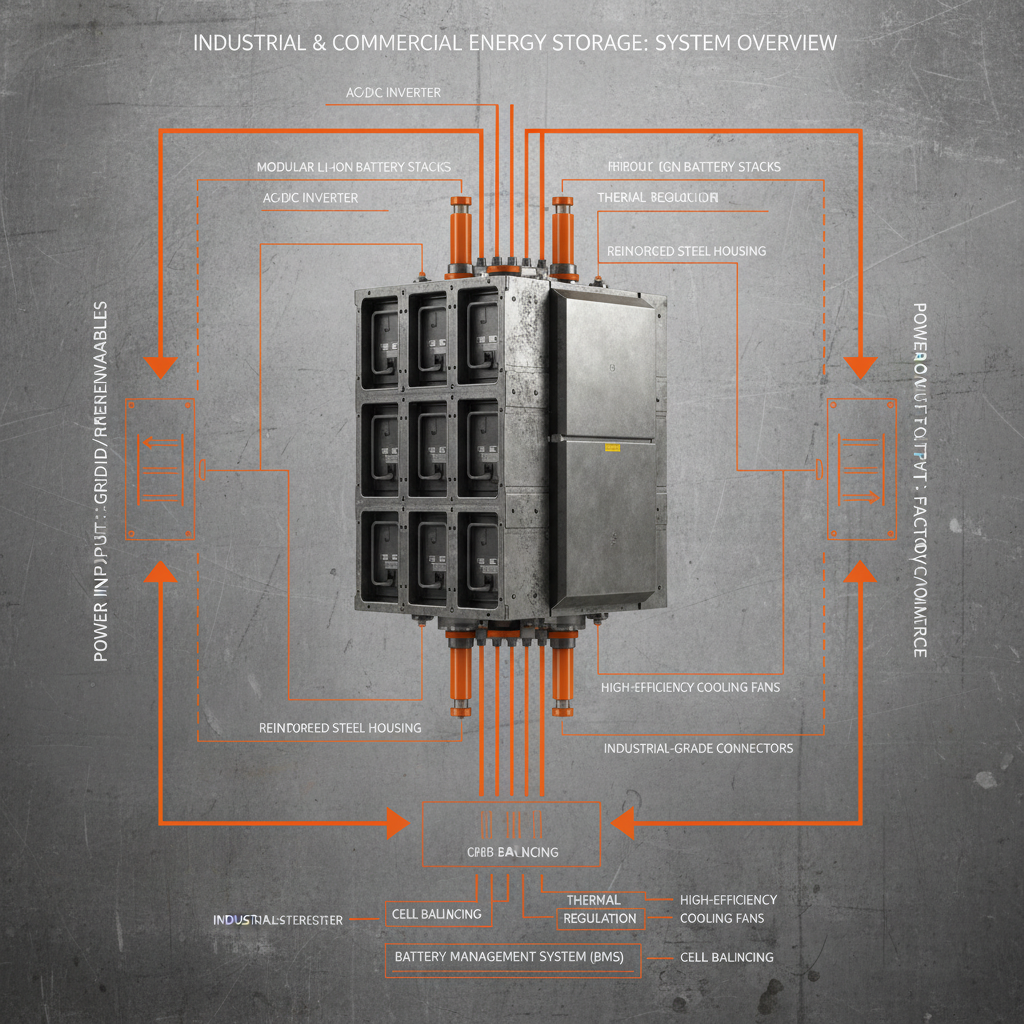
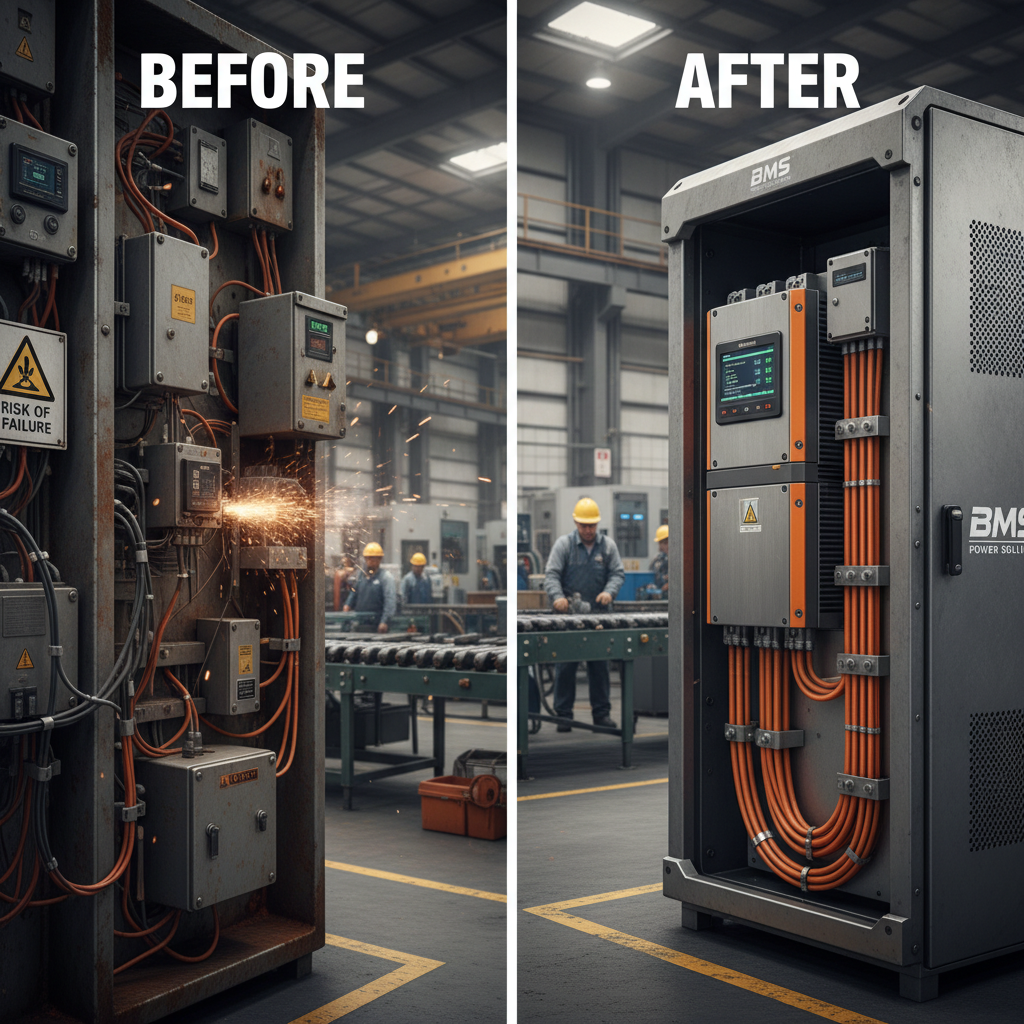
The global energy landscape is undergoing a dramatic transformation, driven by the urgent need for sustainable and reliable power sources. At the heart of this evolution lies the increasing adoption of energy storage systems, and a crucial component enabling these systems is the series inverter. This technology is no longer a niche application; it’s a fundamental building block for grid stabilization, renewable energy integration, and the creation of resilient power infrastructure.
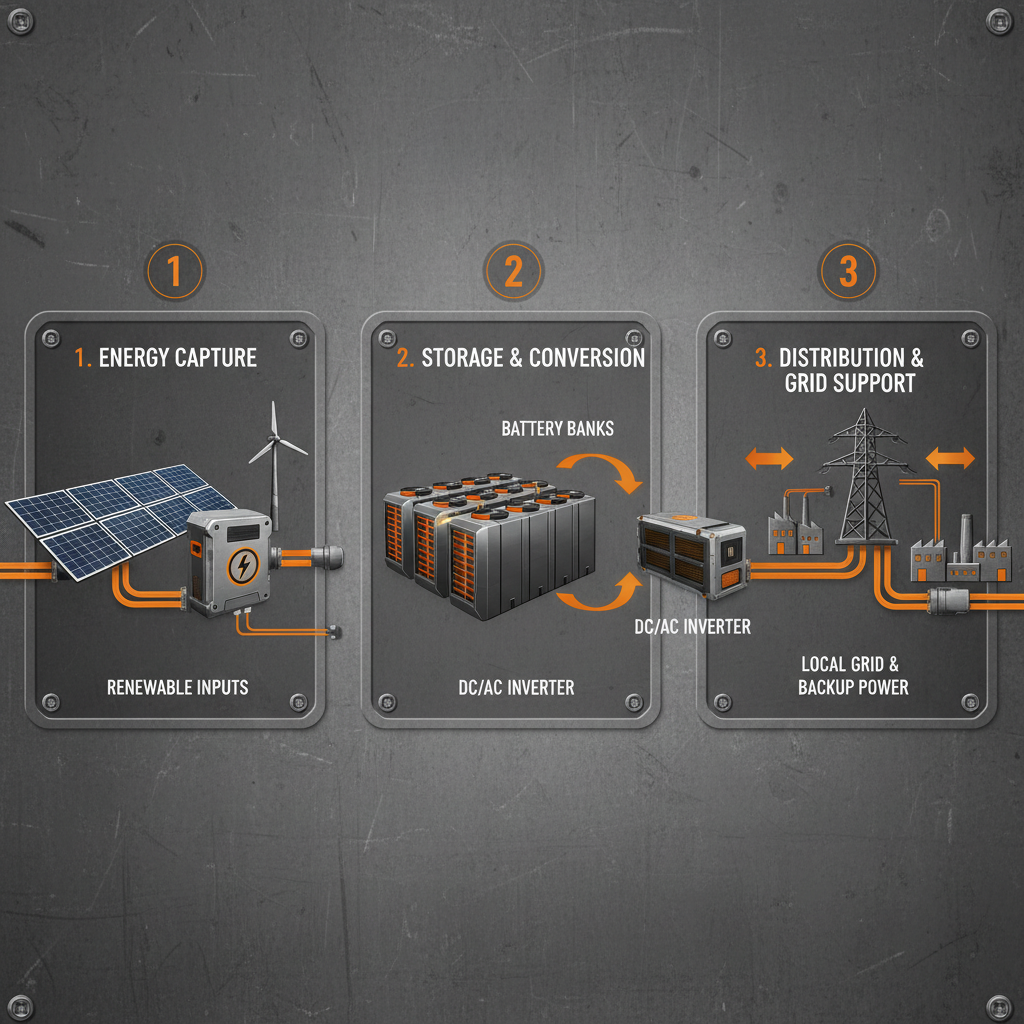
The demand for efficient and scalable energy storage solutions is surging worldwide, fueled by the proliferation of solar and wind power. However, intermittent renewable sources necessitate robust solutions to ensure a consistent energy supply. Series inverters play a vital role in bridging this gap, converting DC power from batteries into AC power usable by homes, businesses, and the grid.
Understanding the intricacies of series inverter technology – its design, capabilities, and applications – is paramount for professionals in the energy sector, policymakers, and anyone invested in a cleaner, more secure energy future. ACDC BESS is dedicated to providing cutting-edge solutions in this space.
The Core Principles of Series Inverter Technology
Series inverters are designed to efficiently convert direct current (DC) electricity, typically stored in batteries, into alternating current (AC) electricity, which is the standard power form used in homes, businesses, and the electrical grid. The ‘series’ designation refers to the configuration of multiple inverter modules connected in series to achieve higher voltage and power output.
This modular approach offers significant advantages in terms of scalability and redundancy. By adding or removing inverter modules, the system can be tailored to meet specific power requirements. Furthermore, the series configuration enhances system reliability – if one module fails, the others can continue to operate, minimizing downtime.
Defining the Series Inverter: A Fundamental Component
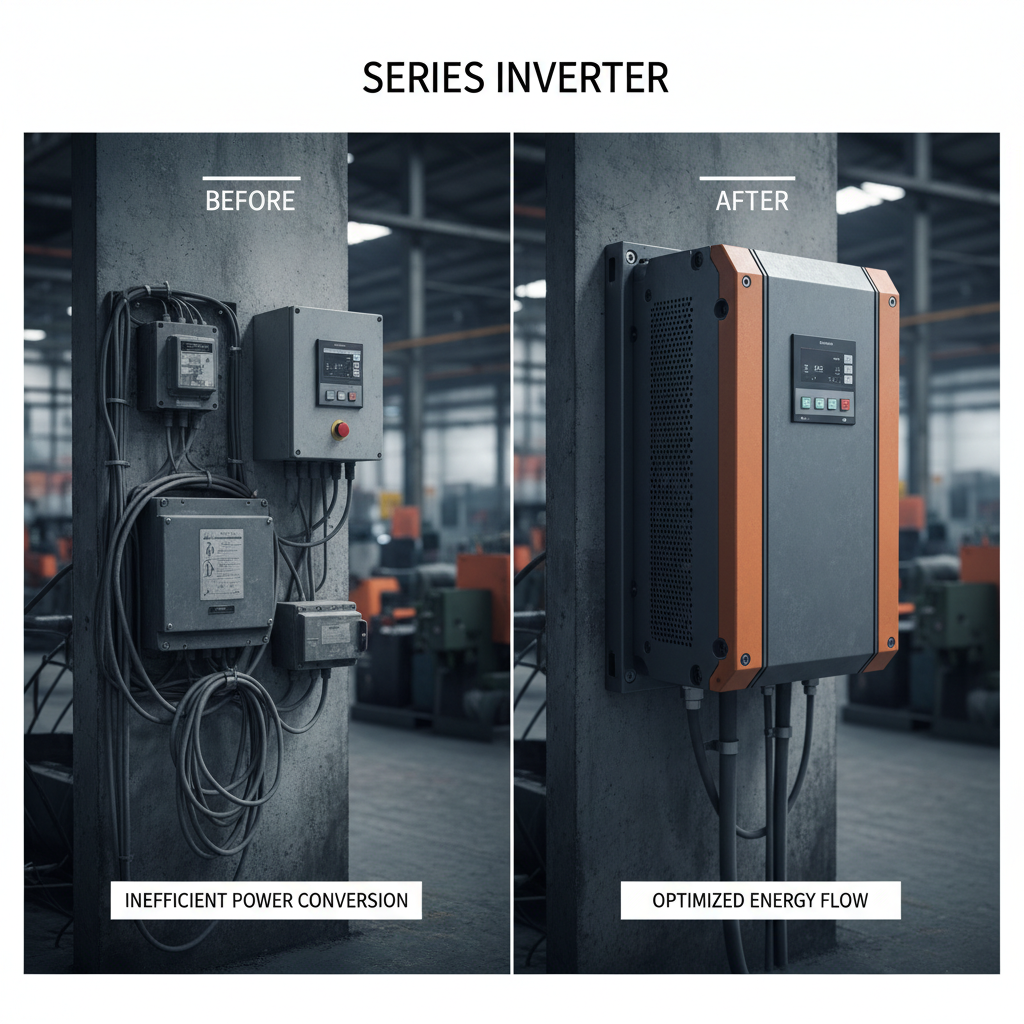
A series inverter is a power electronic device that transforms DC power into AC power, engineered for use in energy storage systems, particularly those integrated with renewable energy sources like solar and wind. Its primary function is to enable the utilization of stored energy when needed, ensuring a consistent and reliable power supply. It’s a vital link between energy generation, storage, and consumption.
The connection to modern industry and humanitarian needs is profound. Industries require uninterrupted power for critical processes, and series inverters ensure that even during grid outages, operations can continue seamlessly. In remote areas, or during disaster relief efforts, series inverters provide essential power to communities lacking access to the main grid.
Essentially, the series inverter is a key enabling technology for the modern energy transition, promoting energy independence and sustainability. Its ability to integrate with renewable sources makes it indispensable in a world striving for cleaner energy solutions.
Key Factors Driving Series Inverter Performance
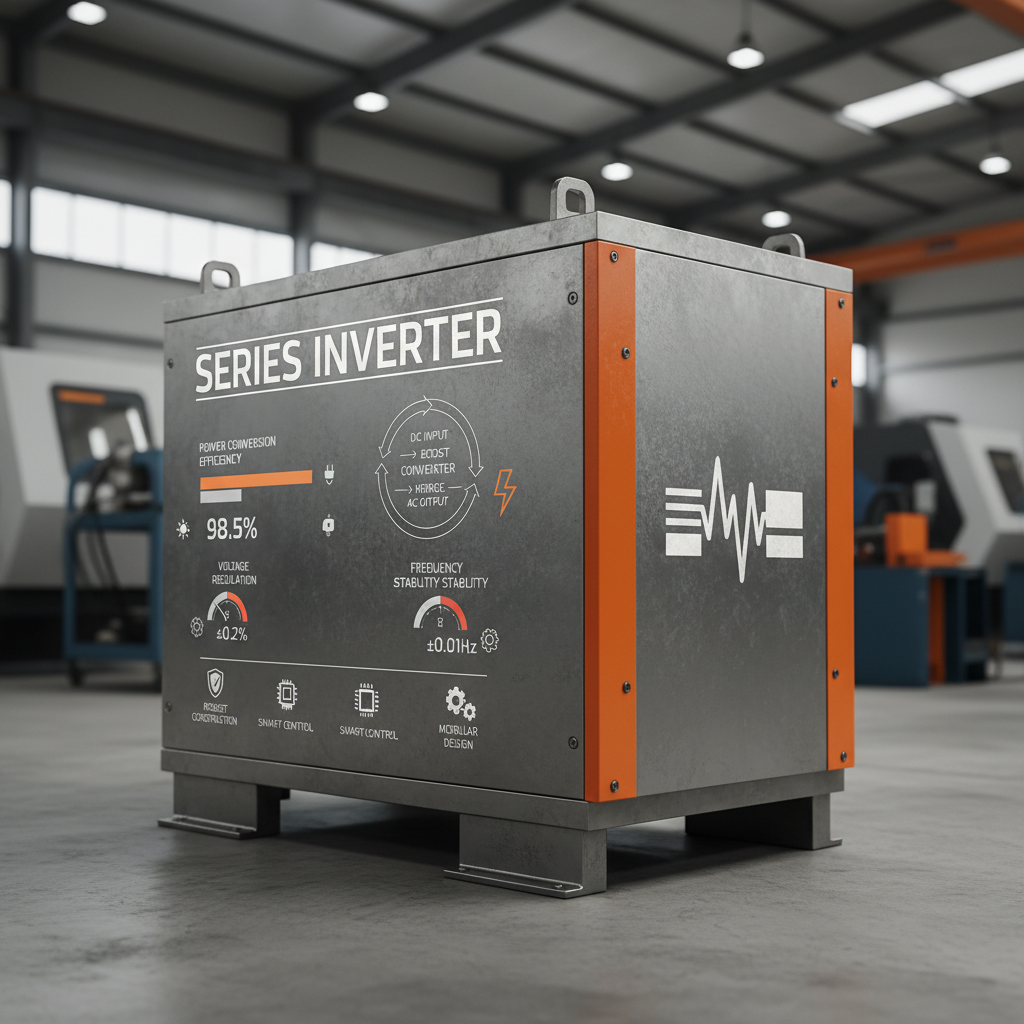
Several crucial factors determine the performance and reliability of series inverters. One key aspect is efficiency – the ability to convert DC to AC power with minimal energy loss. Higher efficiency translates to lower operating costs and reduced environmental impact.
Another critical factor is scalability. The ability to easily expand the system’s capacity by adding more inverter modules is essential for accommodating growing energy demands. Redundancy, ensuring continued operation even with module failure, is also paramount for applications requiring high uptime.
Furthermore, robust grid support functionalities, such as voltage and frequency regulation, are essential for maintaining grid stability. Advanced control algorithms and communication capabilities enable the inverter to respond quickly to grid disturbances and optimize power flow.
Global Applications of Series Inverters in Energy Storage
Series inverters find widespread application in diverse settings globally. They are integral to Commercial and Industrial (C&I) energy storage systems, providing backup power and peak shaving capabilities for businesses and facilities. The Container type energy storage system also relies heavily on these inverters for large-scale deployment.
In remote industrial zones lacking reliable grid access, series inverters paired with battery storage enable independent power systems, guaranteeing uninterrupted operations. They also play a crucial role in microgrids, providing localized power generation and distribution, enhancing resilience, and reducing reliance on centralized grids.
In regions prone to natural disasters, series inverter-based energy storage systems offer critical backup power for hospitals, emergency shelters, and communication networks, ensuring essential services remain operational during times of crisis. Furthermore, they support the integration of renewable energy sources into the grid in countries committed to reducing their carbon footprint.
Series Inverter Performance Metrics
Advantages and Long-Term Value Proposition
The benefits of implementing series inverters extend far beyond immediate cost savings. While reduced electricity bills and lower operational expenses are tangible advantages, the long-term value proposition encompasses sustainability, resilience, and improved energy security.
From an environmental standpoint, integrating series inverters with renewable energy sources reduces reliance on fossil fuels, lowering carbon emissions and mitigating the impacts of climate change. Socially, providing reliable power to remote communities enhances quality of life and fosters economic development.
Future Trends and Innovations in Series Inverter Technology
The future of series inverter technology is characterized by continuous innovation. Advances in wide bandgap semiconductors, such as silicon carbide (SiC) and gallium nitride (GaN), are enabling higher efficiency, power density, and operating temperatures.
Digitalization and the integration of artificial intelligence (AI) are also playing a significant role, with smart inverters capable of self-optimization, predictive maintenance, and advanced grid support functions. Furthermore, research into new topologies and control algorithms is pushing the boundaries of performance and reliability.
The confluence of these trends promises even more powerful, efficient, and intelligent series inverters, driving the transition towards a more sustainable and resilient energy future.
Challenges and Solutions in Series Inverter Deployment
Despite the significant advancements in series inverter technology, some challenges remain. One key concern is thermal management – effectively dissipating heat generated by the inverter components is crucial for maintaining performance and reliability.
Another challenge is ensuring seamless integration with existing grid infrastructure. Standards development and interoperability testing are essential for facilitating widespread adoption. Additionally, cybersecurity vulnerabilities must be addressed to protect critical energy infrastructure from cyberattacks.
Solutions include advanced cooling technologies, sophisticated control algorithms, robust cybersecurity protocols, and collaboration between industry stakeholders to develop common standards and best practices.
Summary of Key Series Inverter Challenges and Proposed Solutions
| Challenge |
Impact |
Proposed Solution |
Implementation Cost (Scale 1-10) |
| Thermal Management |
Reduced Efficiency, Component Failure |
Advanced Cooling Systems (Liquid Cooling, Heat Sinks) |
7 |
| Grid Interoperability |
Integration Issues, System Instability |
Adherence to Industry Standards, Interoperability Testing |
5 |
| Cybersecurity Threats |
Data Breaches, System Compromise |
Robust Encryption, Intrusion Detection Systems |
8 |
| Component Cost |
High Initial Investment |
Economies of Scale, Material Optimization |
6 |
| System Complexity |
Installation & Maintenance Difficulties |
Modular Design, Remote Monitoring & Diagnostics |
4 |
| Regulatory Compliance |
Permitting Delays, Legal Hurdles |
Proactive Engagement with Regulatory Bodies, Standardized Certification |
5 |
FAQS
The typical lifespan of a series inverter in a commercial energy storage system is generally between 10 to 15 years, depending on factors such as operating temperature, load cycles, and maintenance practices. However, with proper maintenance and optimized operating conditions, some inverters can exceed this timeframe. ACDC BESS inverters are designed for longevity and come with extended warranty options.
Series inverters contribute to grid stability by providing ancillary services such as frequency regulation and voltage support. They can rapidly respond to grid disturbances, injecting or absorbing reactive power to maintain grid frequency within acceptable limits. This is particularly crucial with the increasing penetration of intermittent renewable energy sources.
In a series configuration, inverters are connected in series to increase the output voltage, while in a parallel configuration, they are connected to increase the output current. Series configurations offer higher voltage capabilities and improved redundancy, while parallel configurations provide greater current capacity. The optimal configuration depends on the specific application requirements.
Sizing a series inverter involves carefully considering the battery voltage, power capacity, and the anticipated load requirements. It's essential to select an inverter with a voltage rating that matches the battery system and a power rating that can handle the peak load demand. Consulting with an experienced energy storage system integrator is highly recommended.
ACDC BESS series inverters are designed with multiple safety features, including overvoltage protection, overcurrent protection, short-circuit protection, and thermal monitoring. They also comply with stringent industry safety standards to ensure reliable and safe operation.
ACDC BESS series inverters boast a high efficiency rating, typically exceeding 96% under optimal operating conditions. This high efficiency minimizes energy losses during DC-to-AC conversion, resulting in lower operating costs and a reduced environmental footprint.
Conclusion
In conclusion, the series inverter stands as a cornerstone technology in the evolving energy landscape, enabling the widespread adoption of renewable energy and enhancing grid resilience. Its scalability, efficiency, and reliability make it an indispensable component of modern energy storage systems, driving down costs and promoting a sustainable future.
As technology continues to advance, we can expect even more innovative series inverter solutions to emerge, further optimizing energy storage performance and unlocking new possibilities for a cleaner, more secure energy future. Visit our website at www.acdcbess.com to explore our comprehensive range of energy storage solutions and discover how we can help you achieve your energy goals.