


Mar . 31, 2026 01:55 Back to list
Exploring Mechanical Flywheel Energy Storage for Sustainable Power Solutions
Mechanical Flywheel Energy Storage: A Comprehensive Overview
In a world increasingly focused on sustainable energy solutions, efficient energy storage is paramount. Mechanical flywheel energy storage presents a compelling alternative to traditional battery systems, offering unique advantages for a variety of applications. This article will delve into the principles, benefits, applications, and future trends of flywheel energy storage, providing a comprehensive guide for those seeking reliable and sustainable power solutions. Understanding the nuances of this technology is crucial for informed decision-making in the rapidly evolving energy landscape.

How Mechanical Flywheel Energy Storage Works
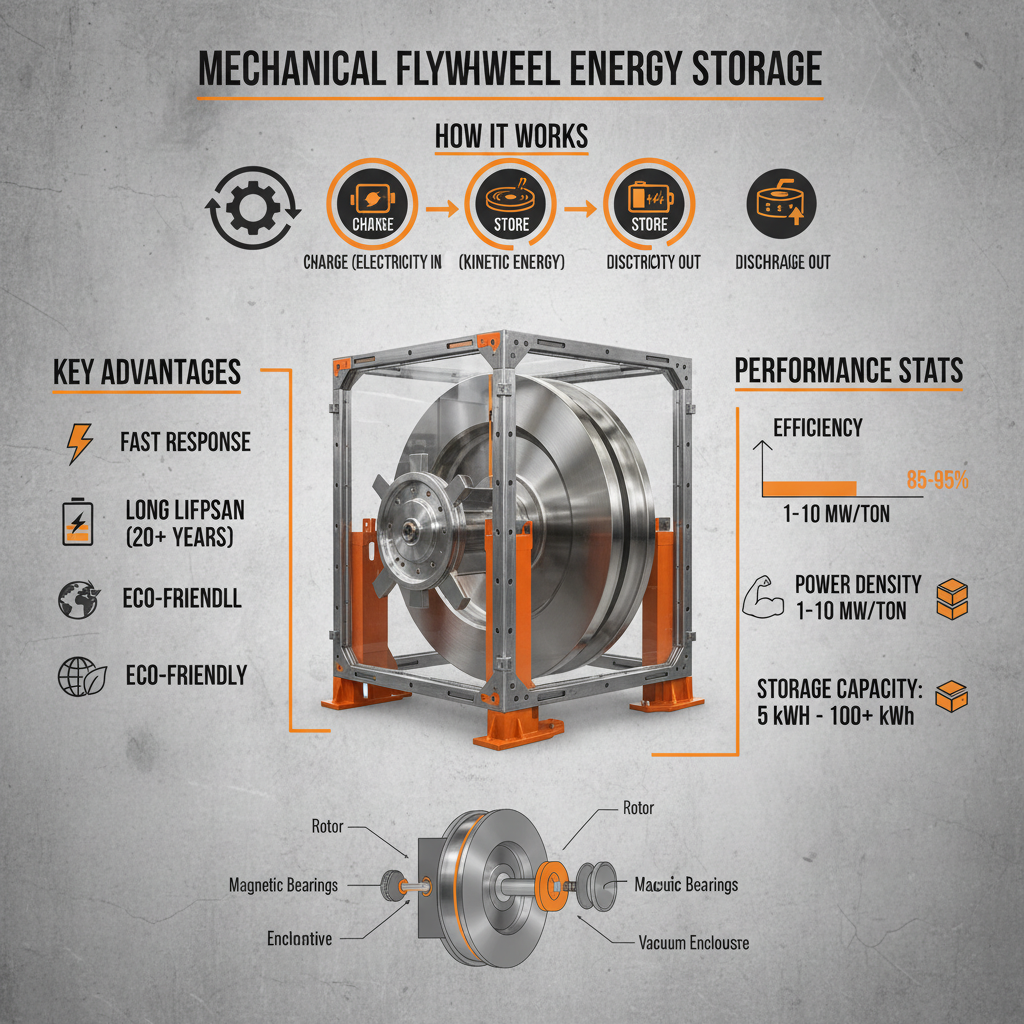
At its core, a mechanical flywheel energy storage system stores energy in the form of kinetic energy. A heavy rotor (the flywheel) is spun up to a very high speed. The energy is then stored in the rotating mass. When energy is needed, the flywheel's rotational energy is converted back into electricity using an integrated generator. This process is remarkably efficient, often exceeding 90%. Unlike batteries, flywheels don't rely on chemical reactions, resulting in a longer lifespan and minimal degradation over time. The speed and therefore energy storage is controlled via a motor-generator unit. Modern flywheels often utilize magnetic bearings to minimize friction and maximize efficiency. ACDC BESS offers advanced flywheel solutions engineered for optimal performance and reliability.
The Advantages of Flywheel Energy Storage
Flywheel energy storage boasts a number of compelling advantages over traditional energy storage technologies. These include: Long Lifespan: Flywheels can withstand hundreds of thousands of charge/discharge cycles with minimal degradation. High Power Density: They deliver bursts of power quickly and efficiently. Environmental Friendliness: Flywheels are constructed from readily recyclable materials and don't contain hazardous chemicals. Fast Response Times: They can respond to changes in power demand almost instantaneously, making them ideal for grid stabilization. Low Maintenance: Modern designs with magnetic bearings require minimal maintenance. Explore our range of flywheel systems to see how these benefits can be applied to your specific needs.
Key Advantages: Long lifespan, high power density, environmentally friendly, fast response times, and low maintenance.
Flywheel Energy Storage vs. Battery Energy Storage: A Detailed Comparison
While both flywheel and battery energy storage systems serve the same fundamental purpose – storing energy – they differ significantly in their characteristics. Flywheels excel in applications requiring rapid charge/discharge cycles and a long lifespan, whereas batteries typically offer higher energy density but suffer from degradation over time. The table below highlights a comprehensive comparison.
Key Applications of Mechanical Flywheel Energy Storage
The unique characteristics of mechanical flywheels make them suitable for a wide range of applications, including: Grid Stabilization: Providing frequency regulation and voltage support to the power grid. Transportation: Used in hybrid and electric vehicles for regenerative braking and power assist. Industrial Applications: Powering machinery and equipment, particularly in applications requiring short bursts of high power. UPS Systems: Providing uninterruptible power supply for critical infrastructure. Renewable Energy Integration: Smoothing out the intermittent output of solar and wind power. ACDC BESS is actively deploying flywheel solutions across these diverse sectors.
Future Trends in Flywheel Technology
The field of flywheel energy storage is continually evolving. Current research and development efforts are focused on improving energy density through advanced materials like carbon fiber composites, reducing friction further with advanced magnetic bearing technologies, and optimizing system integration for specific applications. We can expect to see more widespread adoption of flywheel systems as costs decrease and performance improves. ACDC BESS is at the forefront of these innovations, committed to delivering cutting-edge flywheel energy storage solutions.
Conclusion: The Future is Rotational
Mechanical flywheel energy storage represents a significant advancement in energy storage technology. Its unique benefits—long lifespan, high power density, and environmental friendliness—make it a compelling alternative to traditional battery systems. As technology continues to evolve, flywheels are poised to play an increasingly vital role in building a sustainable and resilient energy future.
Frequently Asked Questions (FAQs)
What are the main advantages of using a flywheel over a lithium-ion battery for grid frequency regulation?
Flywheels significantly outperform lithium-ion batteries in grid frequency regulation due to their superior response time and cycle life. Flywheels can react to frequency fluctuations almost instantaneously, providing faster and more precise stabilization compared to the relatively slower response of batteries. Furthermore, flywheels can withstand hundreds of thousands of charge/discharge cycles without degradation, whereas lithium-ion batteries experience capacity fade with each cycle. This makes flywheels a more cost-effective and reliable long-term solution for maintaining grid stability. Their ability to deliver high power bursts rapidly is also crucial for addressing sudden imbalances in the grid, something batteries struggle to match consistently.
How do magnetic bearings contribute to the efficiency of flywheel energy storage?
Magnetic bearings are a critical component in modern flywheel energy storage systems, dramatically improving efficiency. Traditional bearings create friction, leading to energy losses and requiring regular maintenance. Magnetic bearings, however, utilize magnetic levitation to suspend the flywheel rotor, eliminating physical contact and thus minimizing friction. This reduction in friction allows the flywheel to maintain its rotational speed for extended periods with minimal energy loss, resulting in higher overall system efficiency. Additionally, magnetic bearings reduce wear and tear, significantly lowering maintenance requirements and increasing the lifespan of the flywheel.
What safety measures are in place to contain a flywheel in case of a catastrophic failure?
Safety is paramount in flywheel design. Multiple layers of containment are employed to mitigate the risks associated with a potential rotor failure. Typically, flywheels are enclosed in a robust vacuum chamber constructed from high-strength materials like carbon fiber or steel. This chamber is designed to contain any fragments in the event of a rotor burst. Additionally, sophisticated monitoring systems continuously track the flywheel's performance and identify potential issues before they escalate. These systems can automatically slow down or shut down the flywheel if anomalies are detected. ACDC BESS adheres to the highest safety standards in the design and manufacturing of its flywheel systems.
-
Cedar Point EV Charging Solutions for Sustainable Tourism Experience
NewsApr.16,2026
-
Guide to Cedar Point Charging Stations for EV Park Visitors
NewsApr.16,2026
-
Acorn Stairlift Charging Point Guide for Home Mobility Optimization
NewsApr.16,2026
-
Integrating a Wireless Charging Point into Modern Infrastructure
NewsApr.16,2026
-
How to Optimize Your iPhone 14 Charging Point for Efficiency
NewsApr.16,2026
-
Analyzing the Charging Point Share Price Trends and Market Outlook
NewsApr.09,2026