


Mar . 31, 2026 01:55 Back to list
Exploring the Growth and Innovation in the Mechanical Energy Storage Market
The Expanding Mechanical Energy Storage Market: Trends, Technologies & Future Outlook
The global demand for energy storage solutions is surging, driven by the increasing adoption of renewable energy sources and the need for grid stability. While electrochemical storage (batteries) dominates headlines, mechanical energy storage is rapidly emerging as a viable and cost-effective alternative. This article will explore the current state of the mechanical energy storage market, key technologies, major players, and future growth projections. We'll delve into the advantages and disadvantages of different mechanical storage solutions and their potential applications.
Understanding Mechanical Energy Storage Technologies
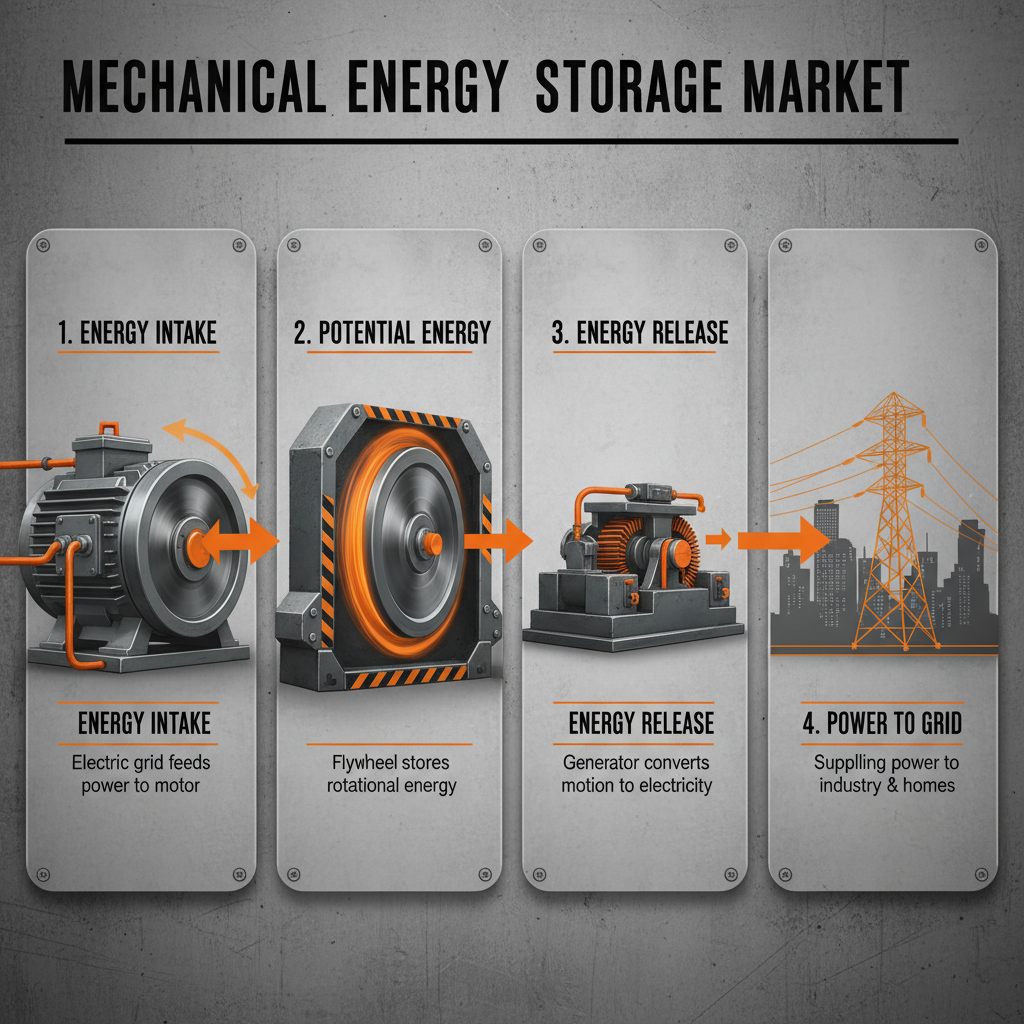
Mechanical energy storage encompasses several technologies, each with unique characteristics. These include Pumped Hydro Storage (PHS), Compressed Air Energy Storage (CAES), Flywheel Energy Storage (FES), and Gravity Energy Storage. PHS is the most mature and widely deployed technology, accounting for the vast majority of current mechanical storage capacity. CAES involves compressing air and storing it underground, while FES utilizes rotating cylinders to store kinetic energy. Gravity storage, a relatively new concept, employs lifting and lowering heavy weights to store and release energy. Each technology presents a distinct set of advantages and limitations regarding efficiency, cost, scalability, and environmental impact.
Key Considerations: Efficiency, cost, scalability, lifespan, geographic limitations, and environmental impact are crucial factors when evaluating mechanical energy storage technologies.
The Growth Drivers of the Mechanical Energy Storage Market
Several key factors are propelling the growth of the mechanical energy storage market. The increasing penetration of intermittent renewable energy sources like solar and wind power creates a need for reliable storage solutions to balance supply and demand. Grid modernization efforts, aimed at enhancing grid resilience and efficiency, also drive demand. Furthermore, the declining costs of energy storage technologies, coupled with supportive government policies and incentives, are making mechanical storage more economically viable. Finally, a growing focus on energy independence and security is encouraging investment in domestic energy storage capacity.
Key Growth Drivers:
• Increasing renewable energy penetration
• Grid modernization initiatives
• Declining storage costs
• Supportive government policies
Mechanical Energy Storage Technologies: A Comparative Analysis
While all mechanical storage technologies aim to store energy, their performance characteristics vary significantly. Here's a comparison of key technologies:
Regional Market Trends and Key Players
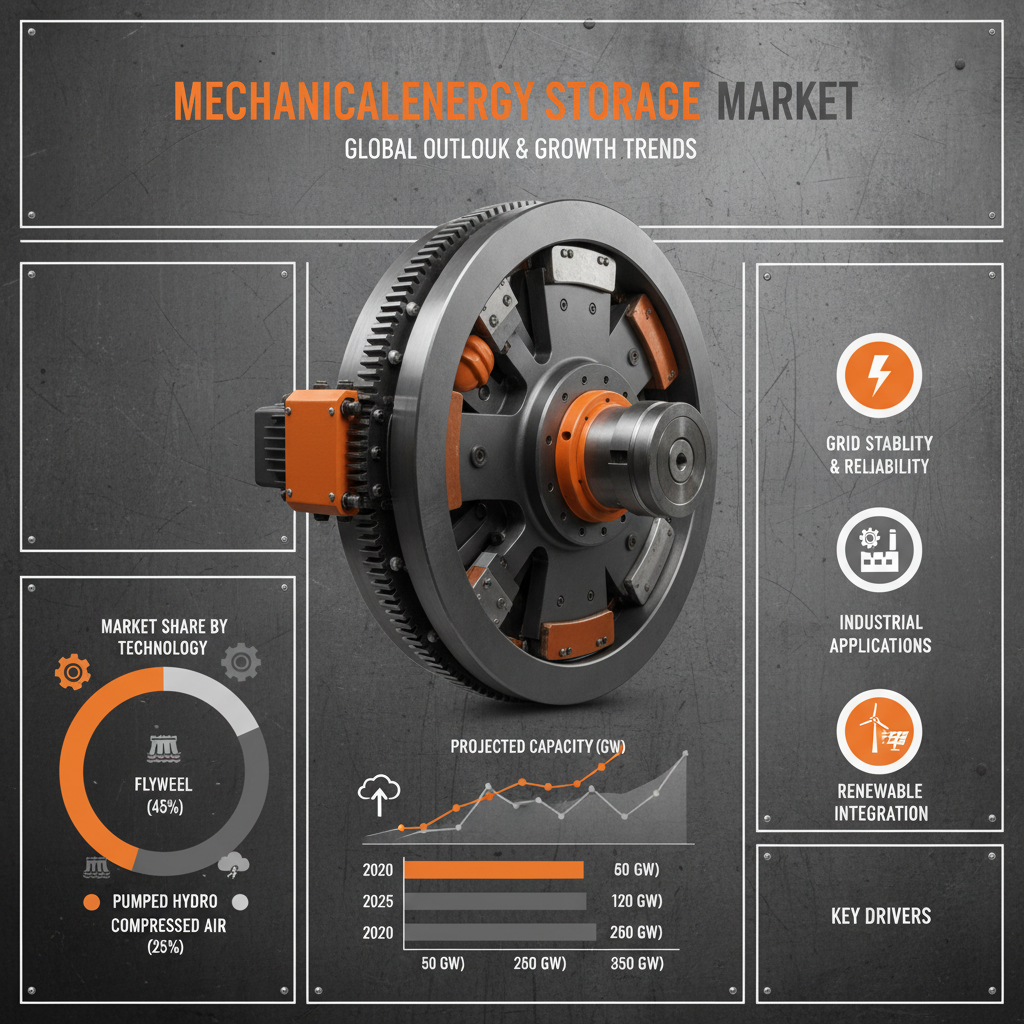
North America and Europe currently lead the mechanical energy storage market, driven by ambitious renewable energy targets and supportive policies. Asia-Pacific is expected to witness the fastest growth, fueled by increasing energy demand and large-scale renewable energy deployments. Key players in the market include GE Renewable Energy, Siemens Gamesa, General Electric, and several emerging startups specializing in innovative gravity and flywheel storage solutions. ACDC BESS is actively involved in providing advanced energy storage solutions, including mechanical storage integration, to meet evolving market demands.
Future Outlook and Challenges
The mechanical energy storage market is poised for significant growth in the coming years. However, several challenges remain, including the geographic limitations of PHS, the high initial costs of some technologies, and the need for further research and development to improve efficiency and performance. Overcoming these hurdles will require continued innovation, supportive policies, and strategic investments. We anticipate a diversified energy storage landscape, with mechanical storage playing an increasingly important role in enabling a sustainable and reliable energy future.
Conclusion: A Critical Component of the Energy Transition
Mechanical energy storage is becoming increasingly vital to the energy transition. As renewable energy sources continue to grow, the need for reliable and cost-effective storage solutions will only increase. Companies like ACDC BESS are at the forefront of this revolution, providing innovative solutions to meet the challenges of a changing energy landscape. Investing in mechanical energy storage is an investment in a sustainable future.
Frequently Asked Questions (FAQs)
What are the main advantages of mechanical energy storage over battery storage?
Mechanical energy storage generally offers longer lifespans and lower degradation rates compared to battery storage. Some technologies, like PHS, can provide very large-scale storage capacity at relatively low costs. Furthermore, mechanical storage often uses more readily available and environmentally benign materials than batteries. However, batteries typically have higher energy densities and are more suitable for applications requiring rapid response times.
What is the role of ACDC BESS in the mechanical energy storage market?
ACDC BESS provides comprehensive energy storage solutions, including the integration of mechanical storage technologies into larger energy systems. We offer expertise in system design, engineering, procurement, and construction (EPC) services, ensuring seamless integration and optimal performance. We aim to deliver innovative and cost-effective energy storage solutions tailored to our clients' specific needs.
What are the environmental concerns associated with Pumped Hydro Storage (PHS)?
While PHS is a relatively clean energy storage technology, it can have environmental impacts. Construction of reservoirs can alter river ecosystems and potentially displace communities. There are also concerns about the impact on aquatic life. Careful site selection and mitigation measures are crucial to minimize these environmental impacts. Closed-loop PHS systems, which do not rely on existing water bodies, are gaining popularity as a more sustainable alternative.
How is the cost of mechanical energy storage expected to evolve in the future?
The cost of mechanical energy storage is expected to decline in the coming years, driven by technological advancements, economies of scale, and increased competition. Gravity storage and advanced CAES systems are showing particular promise in terms of cost reduction. As demand for energy storage grows, further innovation and investment will likely lead to even more affordable solutions.
-
Cedar Point EV Charging Solutions for Sustainable Tourism Experience
NewsApr.16,2026
-
Guide to Cedar Point Charging Stations for EV Park Visitors
NewsApr.16,2026
-
Acorn Stairlift Charging Point Guide for Home Mobility Optimization
NewsApr.16,2026
-
Integrating a Wireless Charging Point into Modern Infrastructure
NewsApr.16,2026
-
How to Optimize Your iPhone 14 Charging Point for Efficiency
NewsApr.16,2026
-
Analyzing the Charging Point Share Price Trends and Market Outlook
NewsApr.09,2026