


Apr . 04, 2026 01:55 Back to list
Exploring Mechanical Gravity Energy Storage for a Sustainable Future
Mechanical Gravity Energy Storage: A Deep Dive
As the world shifts towards renewable energy sources, efficient energy storage solutions are becoming increasingly vital. While batteries dominate the conversation, mechanical gravity energy storage (MGES) is gaining significant traction as a compelling alternative. This article explores the principles behind MGES, its advantages, different types, applications, and the role ACDC BESS plays in advancing this technology. Understanding MGES is crucial for building a sustainable and resilient energy future.
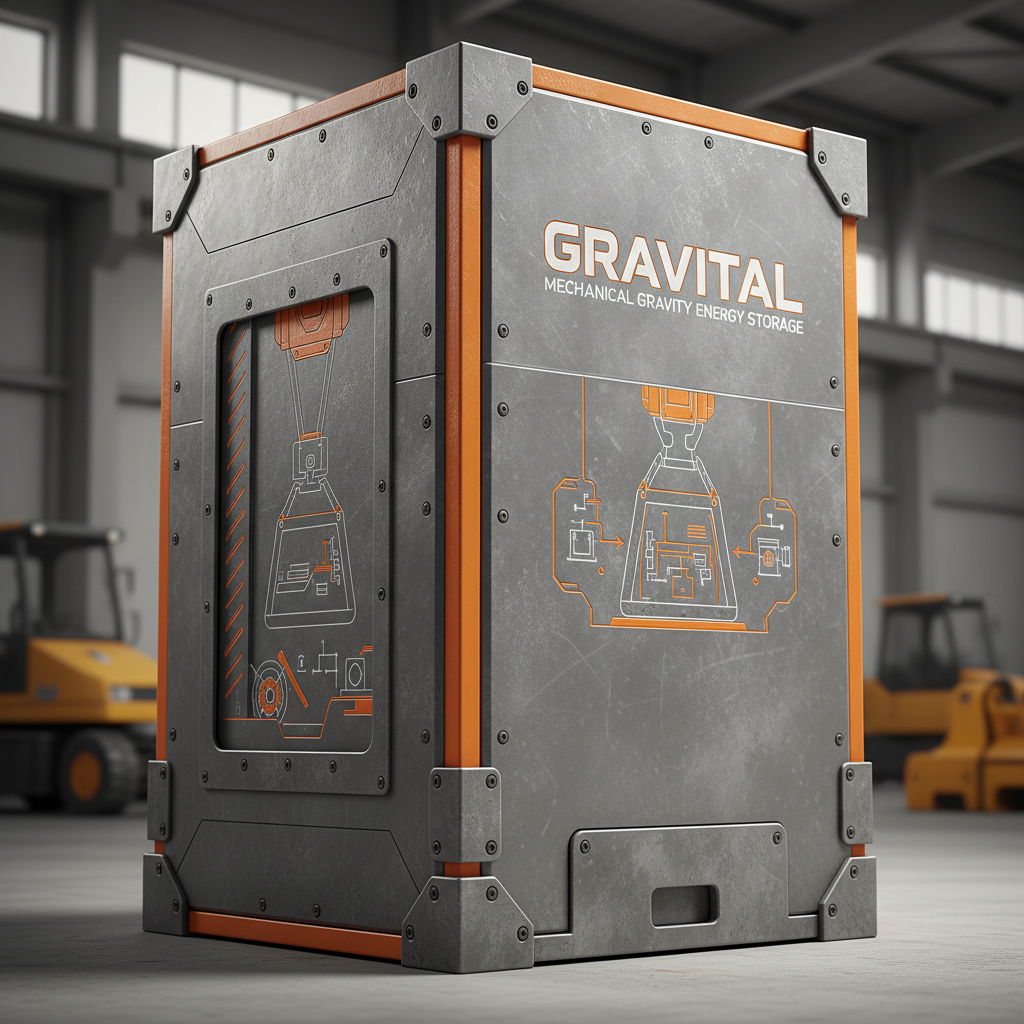
Understanding the Fundamentals of Mechanical Gravity Energy Storage
At its core, mechanical gravity energy storage leverages the potential energy of raised weights. The process involves lifting heavy masses to a higher elevation using excess energy (typically from renewable sources like solar or wind) and then lowering them when energy is needed, converting the potential energy back into electricity. Think of it as a large-scale, sophisticated version of a grandfather clock. This method offers a different approach compared to electrochemical storage (batteries), bypassing many of the material sourcing and degradation challenges associated with batteries. It’s a physically robust and scalable solution.
Types of Mechanical Gravity Energy Storage Systems
Several MGES designs are currently being developed and deployed. Each has its strengths and weaknesses. The most prominent include:
- Pumped Hydro Storage (PHS): The most mature MGES technology, using water pumped to an elevated reservoir.
- Elevated Weight Systems: Utilize solid masses (like concrete blocks or specialized weights) lifted and lowered.
- Compressed Air Energy Storage (CAES): Compresses air into underground caverns or tanks. While using a different medium, it's fundamentally storing potential energy.
- Rail-Based Systems: Employing electric railcars moving up and down inclines.
The choice of system depends on geographical factors, available resources, and energy storage requirements. ACDC BESS specializes in integrating MGES with advanced control systems for optimized performance.
Advantages of Mechanical Gravity Energy Storage
MGES offers several compelling advantages over traditional energy storage methods:
- Long Lifespan: MGES systems have a much longer lifespan than batteries, often exceeding 50 years.
- Scalability: Systems can be scaled up or down to meet specific energy storage needs.
- Environmental Friendliness: MGES avoids the use of rare earth materials and reduces reliance on battery recycling.
- Cost-Effectiveness: While initial investment can be substantial, long-term operating costs are typically lower than batteries.
- Grid Stability: MGES can provide rapid response times to stabilize the grid and support renewable energy integration.
Comparing MGES with Battery Energy Storage Systems
While both MGES and Battery Energy Storage Systems (BESS) serve the same purpose – storing energy – they differ significantly in several key areas. Here’s a comparison:
Applications of Mechanical Gravity Energy Storage
The versatility of MGES makes it suitable for a diverse range of applications:
- Grid-Scale Energy Storage: Providing large-scale storage to stabilize the grid and integrate renewable energy.
- Microgrids: Enhancing the reliability and resilience of microgrids in remote areas.
- Renewable Energy Integration: Storing excess energy generated by solar and wind farms.
- Peak Shaving: Reducing peak demand charges by storing energy during off-peak hours.
ACDC BESS is actively developing and deploying MGES solutions tailored to these applications.
Conclusion: The Future of Energy Storage
Mechanical gravity energy storage represents a promising pathway toward a more sustainable energy future. Its long lifespan, scalability, and environmental benefits make it a compelling alternative to traditional energy storage solutions. As technology advances and costs decrease, MGES is poised to play a significant role in enabling the widespread adoption of renewable energy.
Frequently Asked Questions (FAQs)
What are the main challenges facing the widespread adoption of MGES?
While MGES holds immense potential, several challenges need to be addressed. The primary challenge is the land footprint required for many designs, particularly for pumped hydro storage. Additionally, the initial capital investment can be significant, and identifying suitable geographical locations (e.g., with elevation differences) is crucial. Technological advancements in materials and system design are focused on mitigating these challenges, aiming for more compact and cost-effective MGES solutions. ACDC BESS is actively researching innovative designs to overcome these hurdles.
How does ACDC BESS contribute to the development of MGES technology?
ACDC BESS is dedicated to the innovation and deployment of advanced energy storage solutions, including MGES. We focus on integrating MGES systems with intelligent control algorithms and power conversion systems to optimize performance and grid stability. Our expertise in energy management and system integration allows us to deliver customized MGES solutions tailored to specific client needs. We are also involved in research and development to improve the efficiency and cost-effectiveness of MGES technologies.
Is MGES suitable for residential applications?
Currently, MGES systems are generally more suited to large-scale, grid-level applications due to their size and infrastructure requirements. However, smaller-scale MGES concepts are being explored for potential residential use. These may involve utilizing existing structures or developing compact, modular designs. While not yet commercially widespread, the possibility of residential MGES is a growing area of research and development. The economic viability for residential applications is still being evaluated.
What is the role of MGES in a future renewable energy grid?
MGES is poised to play a critical role in enabling a future powered by renewable energy. Its ability to store large amounts of energy for extended periods, coupled with its long lifespan and environmental benefits, makes it an ideal complement to intermittent renewable sources like solar and wind. MGES can provide grid stability, reduce reliance on fossil fuels, and enhance the overall resilience of the energy system. As renewable energy penetration increases, the demand for efficient and sustainable energy storage solutions like MGES will continue to grow.
-
Cedar Point EV Charging Solutions for Sustainable Tourism Experience
NewsApr.16,2026
-
Guide to Cedar Point Charging Stations for EV Park Visitors
NewsApr.16,2026
-
Acorn Stairlift Charging Point Guide for Home Mobility Optimization
NewsApr.16,2026
-
Integrating a Wireless Charging Point into Modern Infrastructure
NewsApr.16,2026
-
How to Optimize Your iPhone 14 Charging Point for Efficiency
NewsApr.16,2026
-
Analyzing the Charging Point Share Price Trends and Market Outlook
NewsApr.09,2026