


Apr . 04, 2026 01:55 Back to list
Exploring Mechanical Means of Energy Storage for a Sustainable Future
Mechanical Means of Energy Storage: A Comprehensive Overview
As the world shifts towards sustainable energy solutions, efficient energy storage becomes paramount. While electrochemical storage (batteries) often dominates the conversation, mechanical means of energy storage offer compelling alternatives with unique advantages. This article will explore various mechanical energy storage technologies, their principles, applications, and potential for a greener future. Understanding these systems is crucial for navigating the evolving landscape of renewable energy integration. Learn more about advanced energy solutions at ACDC BESS.
Exploring the Different Types of Mechanical Energy Storage
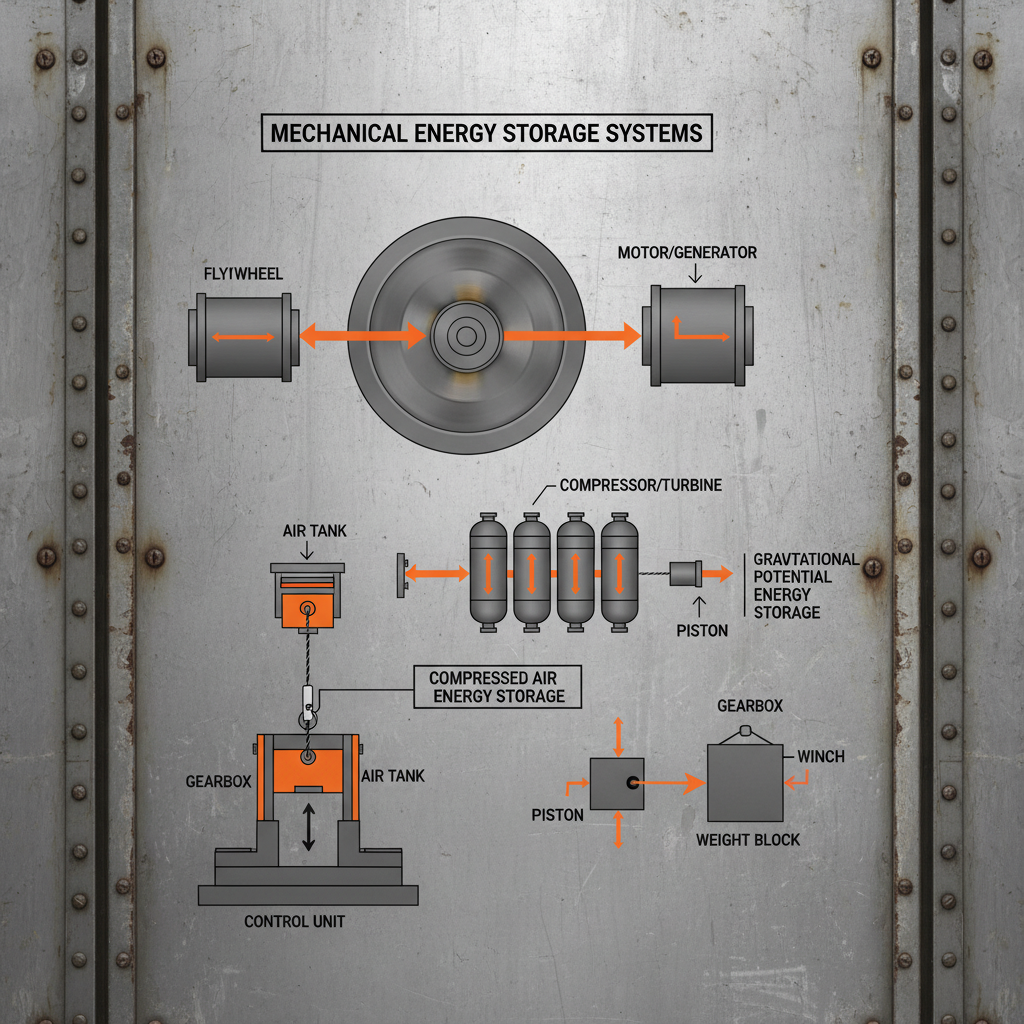
Mechanical energy storage encompasses several distinct technologies, each leveraging different physical principles. These include: Pumped Hydro Storage (PHS), the most mature and widely deployed technology, using gravity to store energy by pumping water uphill; Compressed Air Energy Storage (CAES), storing energy by compressing air into underground caverns; Flywheel Energy Storage (FES), utilizing a rotating cylinder to store kinetic energy; Gravitational Energy Storage (GES), an emerging technology employing the raising and lowering of heavy weights; Spring-based energy storage, which stores energy via the compression or extension of springs. Each method has specific advantages and disadvantages concerning efficiency, scalability, and cost.
Key Takeaway: Mechanical energy storage offers diverse solutions, each suited to different application requirements and scales. The choice depends on factors like geography, grid characteristics, and desired storage capacity.
Pumped Hydro Storage: The Established Leader
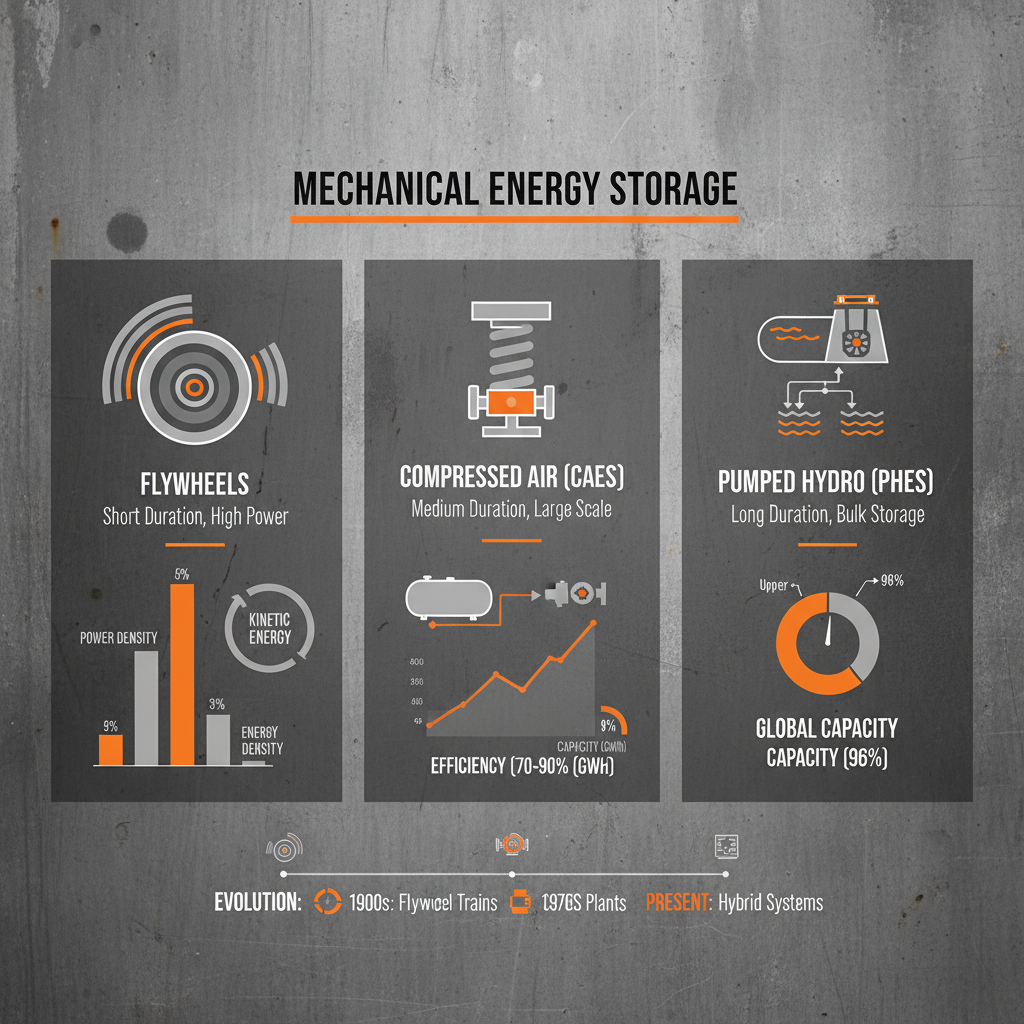
Pumped Hydro Storage (PHS) currently accounts for the vast majority of global energy storage capacity. Its principle is straightforward: during periods of low demand, excess energy is used to pump water from a lower reservoir to an upper reservoir. When demand increases, water is released back down, driving turbines to generate electricity. PHS offers high storage capacity, long lifespan, and relatively low operating costs. However, it's geographically constrained, requiring suitable elevation differences and water sources.
Pumped Hydro Storage Advantages:
• High Storage Capacity
• Long Lifespan (50+ years)
• Relatively Low Operating Costs
• Established Technology
Compressed Air Energy Storage (CAES) and Flywheel Energy Storage
Compressed Air Energy Storage (CAES), involves compressing air and storing it in underground caverns (salt domes, aquifers). When electricity is needed, the compressed air is released, heated, and used to drive a turbine. CAES faces challenges related to thermal management and the availability of suitable geological formations. Flywheel Energy Storage (FES), conversely, utilizes a rotating cylinder (the flywheel) to store kinetic energy. FES systems offer rapid response times, high cycle life, and are suitable for grid stabilization and power quality applications, but typically have lower storage capacity than PHS or CAES.
Emerging Technologies: Gravitational and Spring-based Storage
Newer approaches like Gravitational Energy Storage (GES), which involves lifting and lowering heavy weights, are gaining traction. These systems can utilize abandoned mine shafts or purpose-built towers, offering potential cost advantages and reduced environmental impact. Spring-based storage, also an evolving technology, compresses or extends springs to store energy, providing compact and potentially efficient storage solutions. These technologies are still under development but hold promise for niche applications and distributed energy storage.
The Future of Mechanical Energy Storage
The future of mechanical means of energy storage looks promising, with ongoing research and development focused on improving efficiency, reducing costs, and expanding application scope. Combining mechanical storage with other technologies, such as hybrid systems, could unlock further benefits. As renewable energy penetration increases, the demand for reliable and scalable energy storage solutions will continue to grow, positioning mechanical storage as a vital component of a sustainable energy future. Explore innovative battery energy storage solutions at ACDC BESS to complement these mechanical systems.
Conclusion
Mechanical energy storage represents a crucial part of the energy transition. From the established PHS to the emerging GES and spring-based systems, these technologies offer viable alternatives to electrochemical storage, each with unique benefits. Continued innovation and strategic deployment will be key to harnessing their full potential and building a resilient and sustainable energy grid.
Frequently Asked Questions (FAQs)
What are the main advantages of mechanical energy storage over batteries?
Mechanical energy storage often boasts longer lifespans and lower degradation rates compared to batteries. PHS, for example, can operate for 50+ years with minimal performance decline. Furthermore, some mechanical systems utilize readily available and environmentally benign materials, reducing reliance on critical minerals. However, batteries generally offer higher energy density and are more suitable for mobile applications. The best choice depends on the specific application requirements.
What are the environmental impacts of pumped hydro storage?
Pumped hydro storage, while generally considered clean, can have environmental impacts. Construction of reservoirs can alter river ecosystems and displace habitats. Changes in water flow patterns can also affect downstream water quality and aquatic life. Careful site selection and mitigation measures are crucial to minimize these impacts. Newer closed-loop PHS systems, which don't rely on natural water sources, are being developed to reduce environmental concerns.
How efficient are different mechanical energy storage technologies?
Efficiency varies significantly between technologies. PHS typically achieves round-trip efficiencies of 70-85%, while CAES ranges from 40-70% depending on whether it utilizes heat recovery. Flywheel systems can reach efficiencies of 70-90%. Emerging technologies like GES and spring-based storage are still under development, and their efficiencies are improving. Overall efficiency is a key consideration when evaluating the economic viability of each technology.
What is the role of mechanical energy storage in grid stabilization?
Mechanical energy storage, particularly FES, plays a crucial role in grid stabilization by providing fast response times and frequency regulation services. These systems can quickly absorb or inject power to counteract fluctuations in grid frequency, ensuring grid stability and reliability. They can also help mitigate the intermittency of renewable energy sources like solar and wind, making them essential components of a modern, resilient grid.
-
Cedar Point EV Charging Solutions for Sustainable Tourism Experience
NewsApr.16,2026
-
Guide to Cedar Point Charging Stations for EV Park Visitors
NewsApr.16,2026
-
Acorn Stairlift Charging Point Guide for Home Mobility Optimization
NewsApr.16,2026
-
Integrating a Wireless Charging Point into Modern Infrastructure
NewsApr.16,2026
-
How to Optimize Your iPhone 14 Charging Point for Efficiency
NewsApr.16,2026
-
Analyzing the Charging Point Share Price Trends and Market Outlook
NewsApr.09,2026