


Apr . 07, 2026 01:45 Back to list
Exploring Mechanical Spring Energy Storage Technologies and Future Applications
Mechanical Spring Energy Storage: A Comprehensive Overview
Mechanical spring energy storage is a fascinating and increasingly important field within the broader energy storage landscape. Unlike chemical batteries, it relies on the physical deformation of springs to store and release energy. This technology offers unique advantages, including high power density, long cycle life, and environmental friendliness. This article explores the principles, applications, benefits, and emerging trends in mechanical spring energy storage, examining its potential to address diverse energy needs. Understanding the capabilities of this technology is crucial for innovators and businesses looking for sustainable energy solutions.
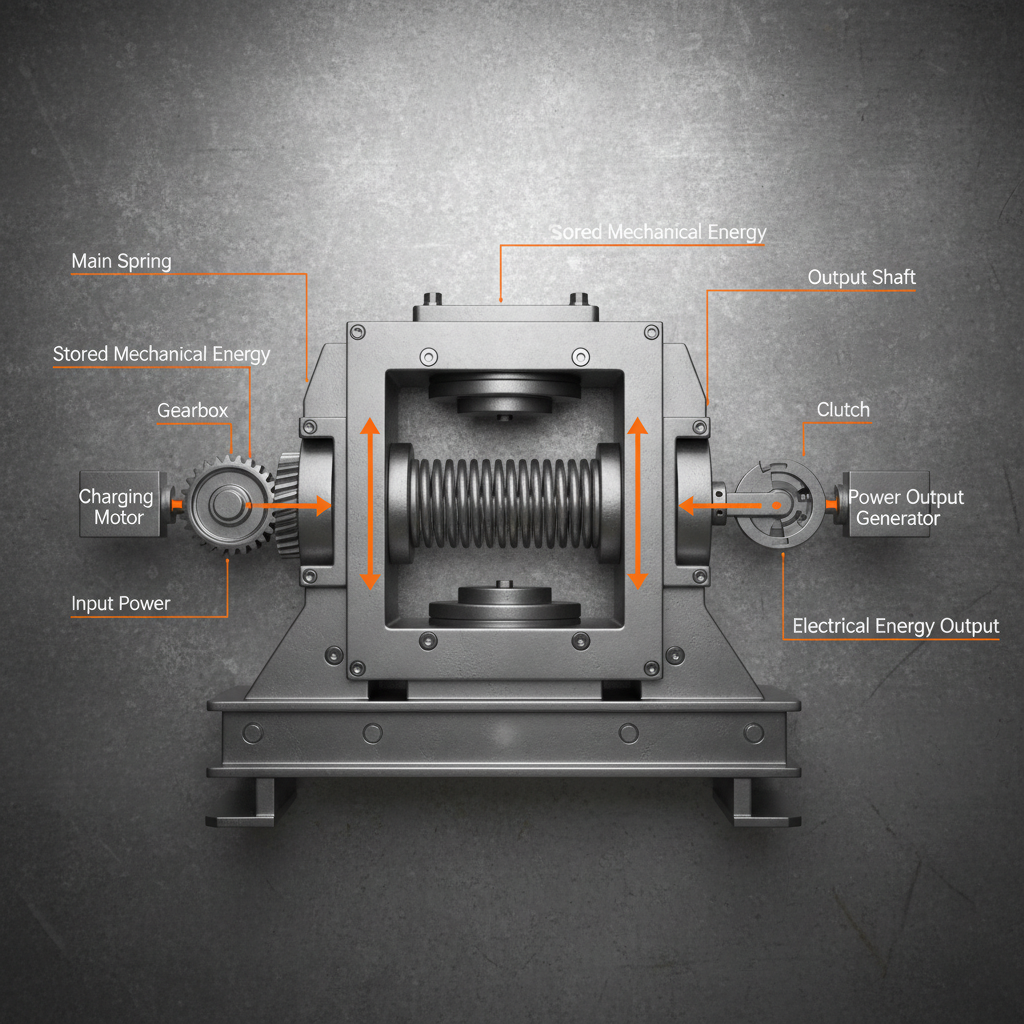
How Mechanical Spring Energy Storage Works
At its core, mechanical spring energy storage involves converting electrical energy into mechanical energy by compressing or extending a spring. This mechanical energy is then stored within the deformed spring. When energy is needed, the spring releases its stored energy, driving a generator to produce electricity. The efficiency of this process depends on the spring material, design, and the effectiveness of the energy conversion systems. Common spring types used include coil springs, leaf springs, and torsion springs, each offering different characteristics in terms of energy density and stress distribution. This is a simple, robust, and scalable method for storing energy.
Key Highlights: This is a simple, robust, and scalable method for storing energy. The process is environmentally friendly, utilizing physical deformation rather than chemical reactions.
Applications of Mechanical Spring Energy Storage
The applications for mechanical spring energy storage are diverse and expanding. A significant area is in grid-scale energy storage, providing short-duration, high-power support for grid stabilization. It's also ideal for applications requiring rapid discharge, such as regenerative braking systems in vehicles and pulse power applications in industrial machinery. Furthermore, it can be used for backup power systems and off-grid energy solutions, particularly in remote locations. The technology’s fast response time and high cycle life make it an attractive option for various applications where reliability is paramount.
Application Benefits:
• Grid Stabilization
• Regenerative Braking
• Pulse Power Systems
• Backup Power
Mechanical Spring Energy Storage vs. Battery Storage
While battery storage currently dominates the energy storage market, mechanical spring energy storage presents a compelling alternative for specific applications. Batteries excel in energy density, storing a large amount of energy for their size. However, they suffer from degradation over time and have a limited cycle life. Spring storage, conversely, has a significantly longer cycle life, can be charged and discharged much faster, and is less susceptible to performance degradation. However, spring storage generally has a lower energy density than batteries.
Future Trends and Innovations in Mechanical Spring Energy Storage
Ongoing research and development are focused on improving the energy density of spring storage systems. This includes exploring new spring materials with higher strength-to-weight ratios and optimizing spring designs to maximize energy storage capacity. The integration of advanced control systems and power electronics is also crucial for enhancing efficiency and responsiveness. Furthermore, combining mechanical spring storage with other energy storage technologies, such as batteries or flywheels, could create hybrid systems that leverage the strengths of each technology. ACDCBESS is at the forefront of integrating innovative energy storage solutions, including exploring advanced mechanical storage technologies.
Advantages of Mechanical Spring Energy Storage
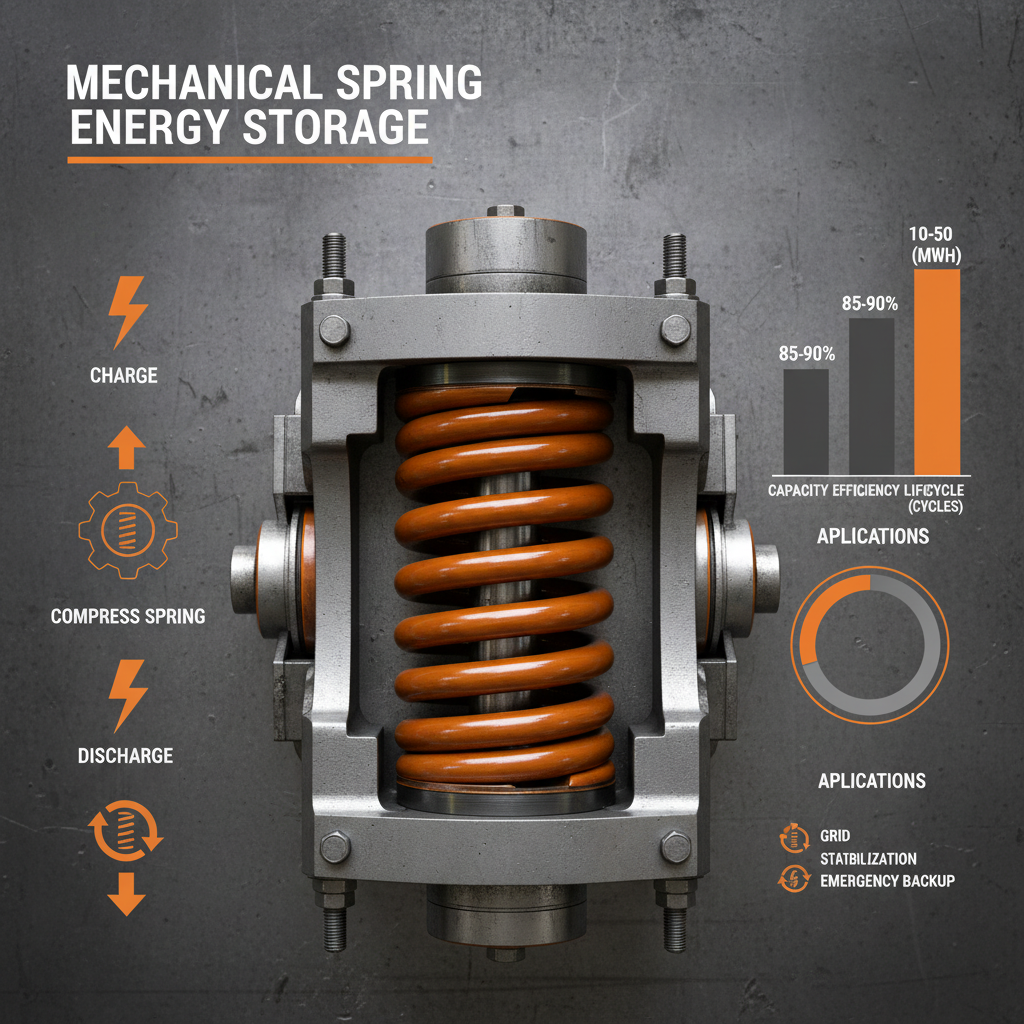
The benefits of adopting mechanical spring energy storage are numerous. Beyond the long cycle life and fast discharge rates, these systems boast high power density, making them suitable for applications requiring bursts of energy. They also present a more environmentally friendly option compared to traditional battery technologies, as they avoid the use of rare earth materials and toxic chemicals. Furthermore, the operational costs are often lower, due to reduced maintenance and replacement requirements. These advantages contribute to a sustainable and economically viable energy storage solution.
Conclusion: A Promising Future for Mechanical Spring Energy Storage
Mechanical spring energy storage is a compelling alternative to traditional energy storage solutions, offering unique advantages in terms of cycle life, power density, and environmental impact. While challenges remain in improving energy density, ongoing innovation and integration with other technologies promise a bright future for this technology. As the demand for sustainable and reliable energy storage grows, mechanical spring systems are poised to play an increasingly important role in powering a cleaner, more efficient future. Explore the latest innovations in energy storage at ACDCBESS.
Frequently Asked Questions (FAQs)
What are the main limitations of mechanical spring energy storage?
The primary limitation is its relatively lower energy density compared to battery technologies. This means that for a given size and weight, spring storage systems can store less energy. Another challenge is the potential for energy losses due to friction within the spring mechanism and during the energy conversion process. However, ongoing research into advanced materials and efficient conversion systems is actively addressing these limitations. Cost can also be a factor depending on the materials used and the complexity of the system.
Is mechanical spring storage environmentally friendly?
Yes, mechanical spring energy storage is generally considered more environmentally friendly than many battery technologies. It avoids the use of rare earth materials and toxic chemicals commonly found in batteries. The manufacturing process is also less energy-intensive. Furthermore, the long cycle life of spring storage systems reduces the frequency of replacements, minimizing waste. However, the environmental impact of the spring material itself should be considered.
How does the performance of mechanical spring storage vary with temperature?
The performance of spring materials can be affected by temperature fluctuations. Extreme temperatures can alter the spring's elasticity and strength, potentially impacting its energy storage capacity. However, selecting appropriate spring materials designed to withstand a wide range of temperatures can mitigate this effect. Temperature control measures may also be necessary in certain applications to ensure optimal performance. ACDC Bess offers systems that can be adapted to various climactic conditions.
What types of maintenance are required for mechanical spring energy storage systems?
Mechanical spring storage systems typically require minimal maintenance. Regular inspections for signs of wear and tear, corrosion, or fatigue are recommended. Lubrication of moving parts may be necessary to reduce friction and ensure smooth operation. Periodic checks of the energy conversion systems (generators) are also essential. Compared to batteries, these systems generally have lower maintenance costs and longer operational lifetimes.
-
Cedar Point EV Charging Solutions for Sustainable Tourism Experience
NewsApr.16,2026
-
Guide to Cedar Point Charging Stations for EV Park Visitors
NewsApr.16,2026
-
Acorn Stairlift Charging Point Guide for Home Mobility Optimization
NewsApr.16,2026
-
Integrating a Wireless Charging Point into Modern Infrastructure
NewsApr.16,2026
-
How to Optimize Your iPhone 14 Charging Point for Efficiency
NewsApr.16,2026
-
Analyzing the Charging Point Share Price Trends and Market Outlook
NewsApr.09,2026