


Apr . 07, 2026 01:55 Back to list
Exploring Mechanical Storage of Electrical Energy for Sustainable Power Solutions
Mechanical Storage of Electrical Energy: A Comprehensive Overview
In an era demanding sustainable and efficient energy solutions, exploring diverse energy storage methods is crucial. Mechanical storage of electrical energy offers a compelling alternative to traditional chemical batteries. This article delves into the principles, technologies, advantages, and disadvantages of mechanical energy storage, with a focus on its potential for grid-scale applications and integration with renewable energy sources. We will explore how companies like ACDC BESS are innovating in this space. Understanding these technologies is vital for creating a more resilient and sustainable energy future.
Understanding the Core Principles of Mechanical Energy Storage
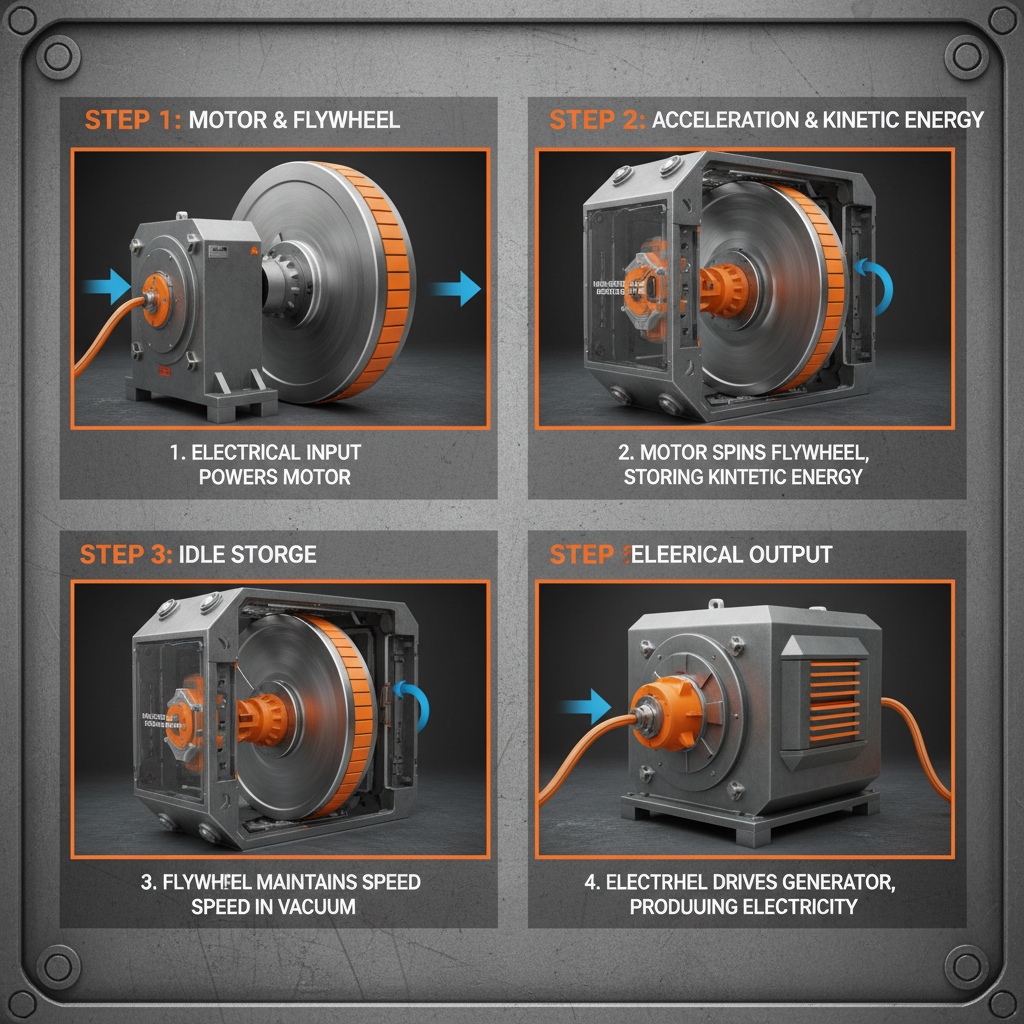
Mechanical energy storage involves converting electrical energy into mechanical energy, storing it, and then converting it back into electrical energy when needed. Unlike batteries that rely on chemical reactions, these systems store energy through physical means. This approach offers several benefits, including longer lifecycles, higher safety profiles, and potentially lower environmental impact. The key is to efficiently manage the energy conversion and storage processes with minimal losses. Different technologies utilize different mechanical forms – kinetic (motion) or potential (position) – to achieve this storage. ACDC BESS specializes in energy storage solutions, including integrating mechanical storage systems into broader energy solutions.
Key Principles: Converting electrical energy to mechanical energy, storing it physically, and reconverting it to electricity. Longer lifecycles and improved safety are core advantages.
Key Technologies in Mechanical Storage of Electrical Energy
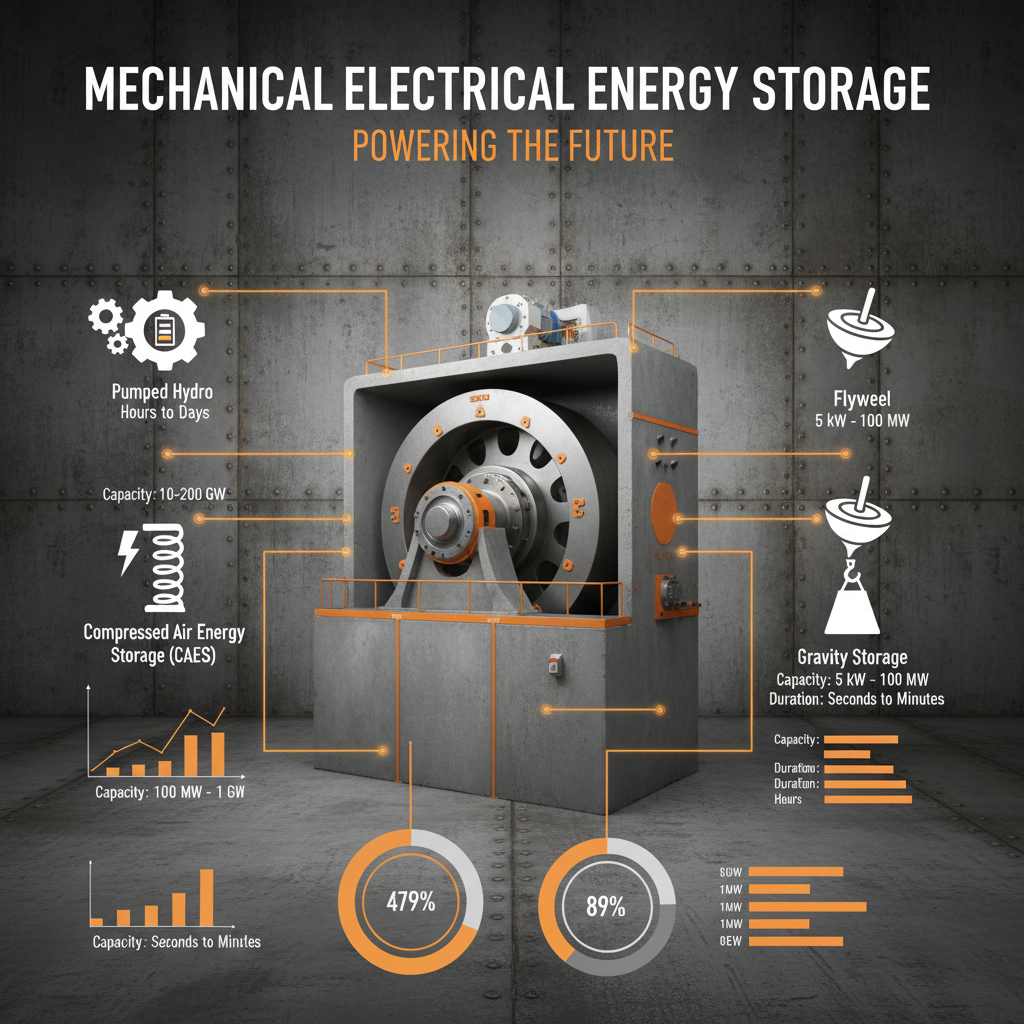
Several technologies fall under the umbrella of mechanical energy storage. These include Pumped Hydro Storage (PHS), Compressed Air Energy Storage (CAES), Flywheel Energy Storage, and Gravitational Energy Storage. PHS, the most mature technology, utilizes elevation differences and pumps to store energy by pumping water uphill. CAES compresses air and stores it underground, releasing it to drive turbines. Flywheels store energy in a rotating mass, and gravitational systems use the potential energy of lifted weights. Each technology possesses unique characteristics suitable for different applications. The selection of the appropriate technology depends on factors such as energy capacity, response time, and geographical constraints. Companies like ACDC BESS can provide tailored mechanical energy storage solutions.
Mechanical Energy Storage Technologies:
• Pumped Hydro Storage (PHS)
• Compressed Air Energy Storage (CAES)
• Flywheel Energy Storage
• Gravitational Energy Storage
A Comparative Analysis: Mechanical Storage vs. Battery Storage
While batteries dominate the current energy storage market, mechanical storage of electrical energy offers distinct advantages and disadvantages. Batteries boast high energy density and rapid response times, making them suitable for applications like electric vehicles and portable devices. However, they suffer from limited lifecycles, degradation over time, and environmental concerns related to material sourcing and disposal. Mechanical storage, conversely, generally offers longer lifecycles, higher safety, and lower environmental impact, but often at the expense of energy density and response time. The optimal choice depends on the specific application requirements.
Applications and Future Trends in Mechanical Energy Storage
Mechanical energy storage systems are finding increasing application in grid-scale energy storage, frequency regulation, and integration with renewable energy sources like solar and wind. PHS remains the most widely deployed, but CAES and flywheel technologies are gaining traction. Gravitational storage, a relatively new entrant, holds promise for niche applications. Future trends include advancements in materials science to improve energy density, innovative designs to reduce costs, and hybrid systems that combine the strengths of different storage technologies. ACDC BESS is at the forefront of these developments, providing integrated energy storage solutions tailored to specific client needs.
Addressing the Challenges of Mechanical Storage Implementation
Despite their advantages, mechanical storage technologies face implementation challenges. PHS requires specific geographical features (elevation differences), while CAES needs suitable geological formations for air storage. Flywheels can be expensive and require precise manufacturing. Gravitational storage is still in its early stages of development. Overcoming these challenges requires continued research and development, innovative engineering solutions, and supportive policies. ACDC BESS offers expertise in navigating these challenges and delivering cost-effective, reliable mechanical storage solutions.
Conclusion: The Future of Energy Storage is Diversified
Mechanical storage of electrical energy represents a vital component of a diversified and sustainable energy future. While batteries play a crucial role, mechanical storage offers unique benefits in terms of lifecycle, safety, and environmental impact. Companies like ACDC BESS are driving innovation in this field, developing solutions to overcome implementation challenges and unlock the full potential of mechanical energy storage. Investing in these technologies is critical for creating a more resilient and reliable energy grid.
Frequently Asked Questions (FAQs)
What are the primary advantages of mechanical energy storage over chemical batteries?
Mechanical energy storage generally offers significantly longer lifecycles compared to batteries, often lasting for decades with minimal degradation. They also tend to have improved safety profiles, as they don't rely on flammable or corrosive chemicals. Furthermore, the materials used in mechanical storage systems are often more readily available and environmentally friendly than those used in battery production. This leads to a lower overall environmental impact and reduces concerns related to resource depletion and responsible disposal. ACDC BESS can help assess the advantages for your specific needs.
What is the current efficiency of mechanical energy storage technologies?
The efficiency of mechanical energy storage technologies varies depending on the specific technology. Pumped Hydro Storage typically achieves efficiencies of 70-85%, while Compressed Air Energy Storage ranges from 40-70%. Flywheel systems can reach efficiencies of up to 90%, and gravitational storage is still developing, with current efficiencies around 70-80%. Ongoing research and development efforts are focused on improving the efficiency of all these technologies to minimize energy losses during conversion and storage.
How does geographical location impact the feasibility of mechanical energy storage?
Geographical location plays a significant role, particularly for technologies like Pumped Hydro Storage and Compressed Air Energy Storage. PHS requires elevation differences and access to water sources, limiting its deployment to suitable terrains. CAES necessitates underground caverns or salt domes for air storage, which are not available everywhere. Flywheel and gravitational storage are less geographically constrained but still benefit from specific site characteristics. ACDC BESS conducts thorough site assessments to determine the feasibility of mechanical energy storage solutions.
What is the role of mechanical energy storage in supporting renewable energy integration?
Mechanical energy storage is crucial for mitigating the intermittency of renewable energy sources like solar and wind. By storing excess energy generated during periods of high production, it can be released when demand exceeds supply or when renewable generation is low. This helps stabilize the grid, improve reliability, and increase the overall penetration of renewable energy. Furthermore, mechanical storage can provide ancillary services such as frequency regulation and voltage support, enhancing grid resilience.
-
Cedar Point EV Charging Solutions for Sustainable Tourism Experience
NewsApr.16,2026
-
Guide to Cedar Point Charging Stations for EV Park Visitors
NewsApr.16,2026
-
Acorn Stairlift Charging Point Guide for Home Mobility Optimization
NewsApr.16,2026
-
Integrating a Wireless Charging Point into Modern Infrastructure
NewsApr.16,2026
-
How to Optimize Your iPhone 14 Charging Point for Efficiency
NewsApr.16,2026
-
Analyzing the Charging Point Share Price Trends and Market Outlook
NewsApr.09,2026