The world is undergoing a rapid energy transition, driven by concerns about climate change and the increasing demand for sustainable power solutions. Within this landscape, distributed energy resources (DERs) are gaining prominence, and the microinverter is a crucial component enabling this shift. These devices aren’t just about converting DC to AC power; they represent a fundamental change in how we approach solar energy management, enhancing grid resilience and unlocking new possibilities for energy independence.
The rise of microinverters coincides with the growth of residential and commercial solar installations. Traditional string inverters, while cost-effective, present limitations in performance, particularly in shaded conditions or with mismatched panels. Microinverters offer a compelling alternative, maximizing energy harvest and providing granular control over individual solar panels. This has significant implications for return on investment and overall system efficiency.
ACDC BESS, a leading provider of energy storage solutions, recognizes the critical role of microinverters in modern energy systems. Our C&I energy storage systems, container type energy storage systems, and intelligent integrated power supply systems are designed to seamlessly integrate with these technologies, creating robust and reliable power solutions for a diverse range of applications. The microinverter allows us to build smarter, more adaptable energy networks.
The Fundamentals of microinverter Technology
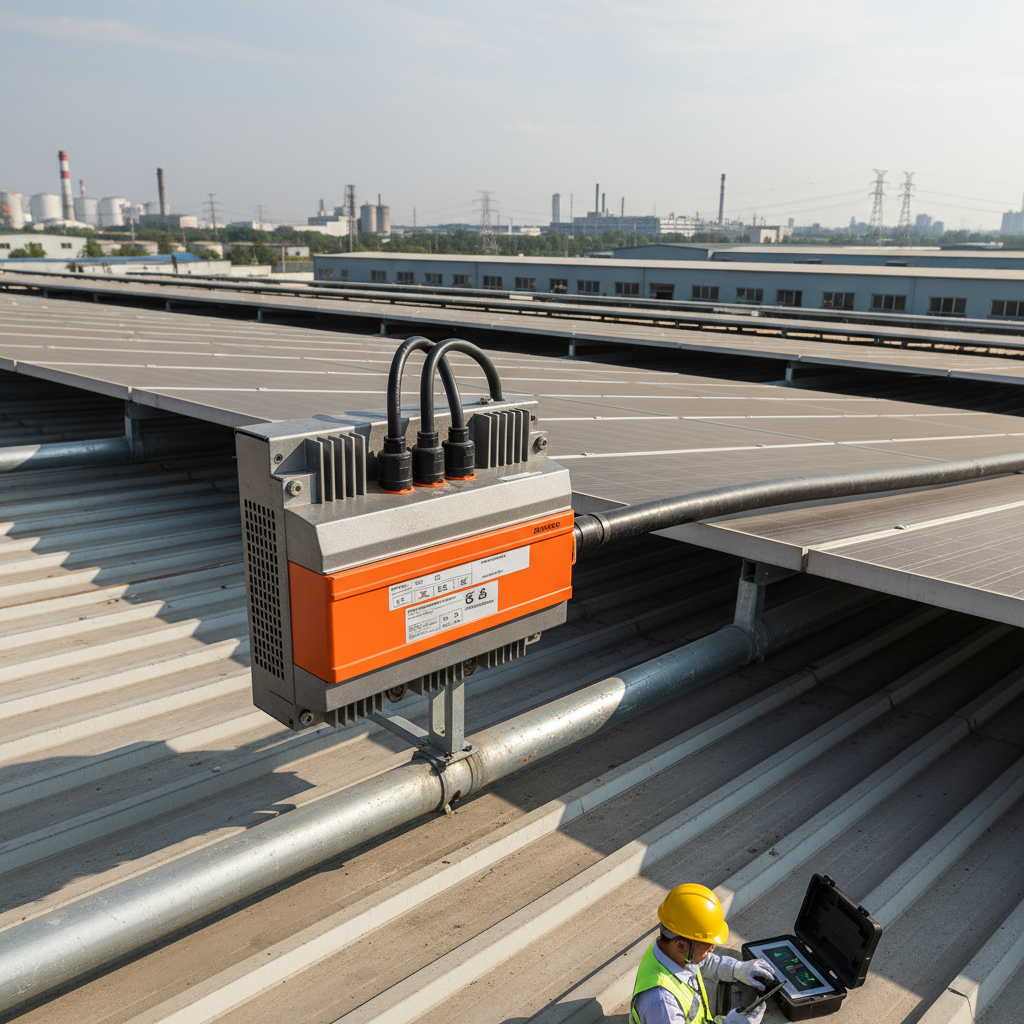
At its core, a microinverter is a compact DC-to-AC converter specifically designed to be paired with a single solar panel. Unlike traditional string inverters which consolidate DC power from multiple panels before conversion, microinverters perform the conversion at the panel level. This decentralized architecture provides several key advantages, including improved performance monitoring and increased system reliability.
The architecture of a microinverter system consists of numerous individual microinverters connected in parallel, each dedicated to maximizing the output of its associated solar panel. A central monitoring platform aggregates data from each microinverter, providing detailed insights into system performance and allowing for proactive maintenance. This granular control is a cornerstone of modern solar energy management, and ACDC BESS leverages this in our energy storage solutions.
The Global Relevance and Market Trends of microinverter
The global solar energy market is experiencing exponential growth, driven by government incentives, declining costs, and increasing environmental awareness. According to the International Energy Agency (IEA), solar PV capacity is projected to increase dramatically in the coming decades, becoming a dominant source of electricity generation. Within this context, the microinverter market is outpacing the growth of traditional string inverter technologies.
This growth is particularly pronounced in residential and commercial sectors where distributed generation is becoming increasingly popular. Factors contributing to this trend include the desire for energy independence, the ability to reduce electricity bills, and the availability of attractive financing options. The demand for intelligent energy management systems, such as those offered by ACDC BESS, is further fueling the adoption of microinverter technology.
North America and Europe are currently leading the market for microinverters, with significant growth also occurring in Asia-Pacific. This regional diversification reflects the global commitment to renewable energy and the growing recognition of the benefits offered by decentralized solar power systems that leverage microinverter technology.
Defining a microinverter: Core Principles & Functionality
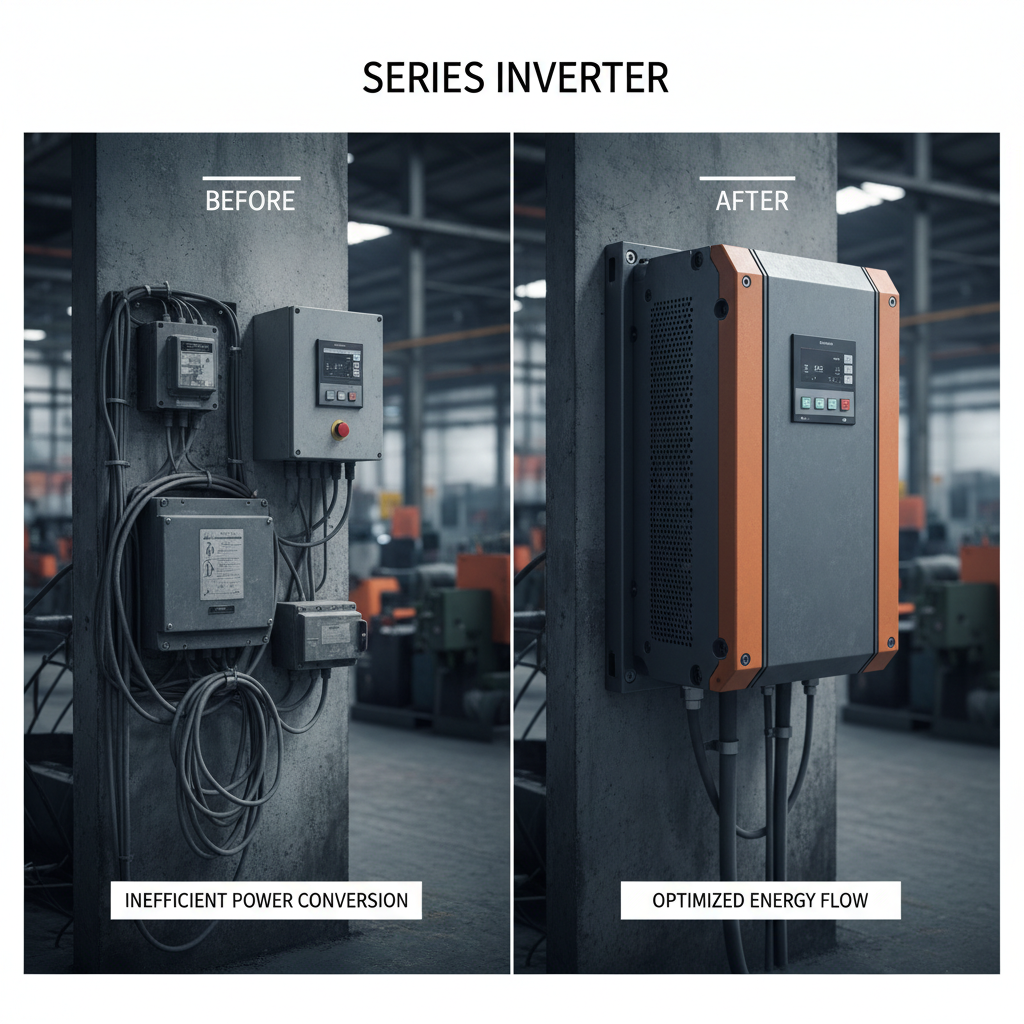
A microinverter fundamentally differs from a string inverter in its approach to DC-to-AC conversion. While a string inverter processes the combined DC output of multiple solar panels, a microinverter handles the conversion for each panel individually. This design eliminates the "weakest link" effect, where the performance of the entire string is limited by the lowest-performing panel.
The core functionality of a microinverter includes Maximum Power Point Tracking (MPPT) for each panel, ensuring that each panel operates at its optimal efficiency. It also incorporates sophisticated monitoring and communication capabilities, allowing for real-time performance data to be transmitted to a central monitoring system. This data is critical for identifying and resolving potential issues, maximizing energy harvest, and ensuring system reliability.
In essence, a microinverter acts as an independent power source for each panel, providing greater flexibility, scalability, and resilience compared to traditional string inverter systems. This is particularly beneficial in complex installations with shading, varying panel orientations, or different panel types. ACDC BESS strategically incorporates microinverter technologies within our comprehensive energy storage offerings.
Key Performance Indicators of microinverter Systems
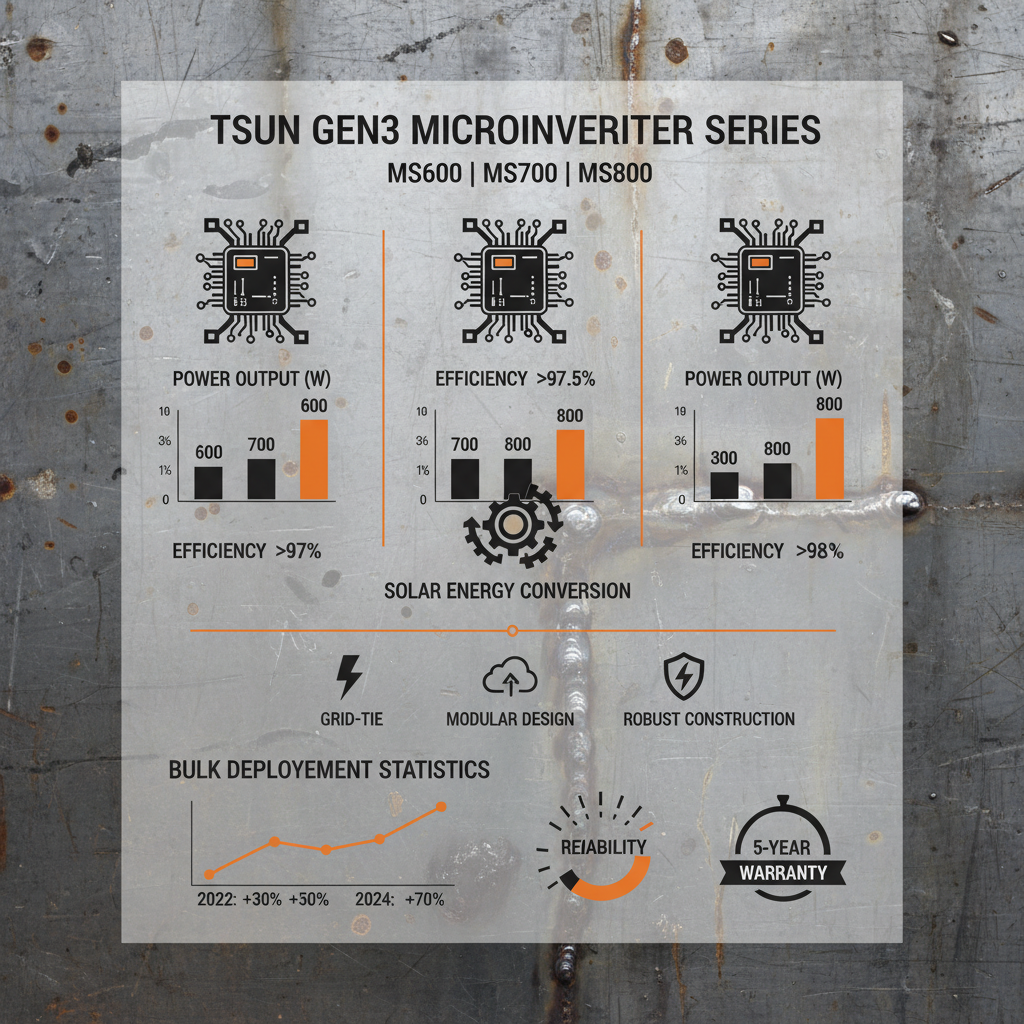
Evaluating the performance of a microinverter system requires considering several key performance indicators (KPIs). These metrics provide insights into system efficiency, reliability, and return on investment. Monitoring these KPIs allows for proactive maintenance and optimization, ensuring maximum energy production.
Some of the most important KPIs include panel-level efficiency, system uptime, inverter efficiency, and communication latency. High panel-level efficiency indicates that each panel is operating at its optimal output, while high system uptime demonstrates the reliability of the microinverter system.
Microinverter Performance Comparison
Real-World Applications and Use Cases of microinverter
Microinverters are deployed in a wide range of applications, from residential rooftop solar systems to large-scale commercial and industrial installations. They are particularly well-suited for environments with complex shading patterns, such as areas with trees or buildings that cast shadows on solar panels. In these situations, microinverters can maximize energy harvest by optimizing the output of each panel independently.
Furthermore, microinverters are increasingly used in off-grid and remote power systems, providing reliable electricity to areas where grid access is limited or unavailable. This is particularly valuable in developing countries and disaster-prone regions. ACDC BESS utilizes microinverter technologies in our containerized energy storage systems for these types of applications.
Advantages and Long-Term Value Proposition of microinverter
The advantages of microinverters extend beyond improved energy harvest. Their decentralized architecture enhances system reliability by eliminating single points of failure. If one microinverter fails, the rest of the system continues to operate, minimizing downtime and maximizing energy production. This is crucial for critical applications where uninterrupted power supply is essential.
Furthermore, microinverters offer significant long-term cost savings through reduced maintenance and increased system lifespan. Their modular design simplifies troubleshooting and replacement, reducing the need for costly repairs. ACDC BESS integrates microinverter solutions into our energy storage solutions, providing a sustainable and cost-effective energy solution for our clients.
Future Trends and Challenges in microinverter Technology
The future of microinverter technology is bright, with ongoing innovation focused on increasing efficiency, reducing costs, and enhancing integration with smart grids. Advancements in power electronics, materials science, and communication technologies are driving these improvements.
However, challenges remain. The initial cost of microinverters is typically higher than that of string inverters, although this gap is narrowing. Ensuring interoperability between different microinverter manufacturers and grid infrastructure is also critical. ACDC BESS is committed to addressing these challenges and delivering cutting-edge microinverter-based solutions.
Summary of Key Technical Attributes of microinverter
| Component |
Efficiency Rating |
Lifespan (Years) |
Communication Protocol |
| Microinverter Core |
96-98% |
25+ |
Wi-Fi, PLC |
| MPPT Controller |
99% |
20+ |
Modbus, Zigbee |
| DC-AC Conversion Stage |
95-97% |
20+ |
TCP/IP |
| Thermal Management System |
N/A |
15+ |
Alert system |
| Enclosure & Protection |
N/A |
20+ |
Status Indicator |
| Monitoring Interface |
N/A |
10+ |
Web UI, API |
FAQS
Microinverters offer several advantages including increased energy harvest through panel-level MPPT, improved system reliability due to the elimination of single points of failure, and enhanced monitoring capabilities. They also provide greater flexibility in system design, particularly in situations with shading or mismatched panels. This results in higher overall system performance and a more resilient energy solution.
Microinverter systems contribute to grid stability by providing reactive power support and voltage regulation. Their ability to independently control the output of each panel allows for more precise grid integration. ACDC BESS solutions integrate these benefits, providing frequency and voltage ride-through capabilities to enhance grid resilience.
While microinverters offer significant benefits, they may not be the ideal choice for every installation. Systems with simple, unshaded rooftops and matching panels may be adequately served by a string inverter. However, for complex installations with shading, varying panel orientations, or differing panel specifications, microinverters are generally the superior option.
Most reputable microinverter manufacturers offer warranties of 25 years, indicating an expected lifespan of at least that long. The actual lifespan can vary depending on environmental conditions and operating temperatures. ACDC BESS partners with leading manufacturers to provide reliable and long-lasting microinverter solutions.
Microinverter systems offer sophisticated monitoring capabilities, allowing you to track the performance of each individual panel in real-time. This data is typically accessible through a web-based interface or mobile app, providing valuable insights into system efficiency and potential issues. ACDC BESS’s integrated energy management systems offer seamless monitoring solutions.
Microinverter systems generally require minimal maintenance. Since each panel operates independently, a failure in one microinverter does not affect the performance of the others. Regular visual inspections and monitoring of system performance are recommended, but extensive maintenance is typically not required.
Conclusion
In conclusion, microinverters represent a significant advancement in solar energy technology, offering enhanced performance, reliability, and flexibility compared to traditional string inverters. Their decentralized architecture, panel-level MPPT, and sophisticated monitoring capabilities make them a compelling choice for a wide range of applications. As the demand for renewable energy continues to grow, microinverters will play an increasingly vital role in building a sustainable energy future.
Looking ahead, continued innovation in power electronics, materials science, and communication technologies will further enhance the performance and reduce the cost of microinverters. ACDC BESS is dedicated to staying at the forefront of this evolution, delivering cutting-edge energy storage solutions that leverage the full potential of microinverter technology. Visit our website at www.acdcbess.com to learn more.