


Apr . 07, 2026 01:55 Back to list
Exploring Mechanical Storage of Solar Energy for a Sustainable Future
Mechanical Storage of Solar Energy: A Comprehensive Overview
The growing demand for renewable energy sources has led to increased interest in efficient energy storage solutions. While electrochemical storage (batteries) dominates the current market, mechanical storage of solar energy offers a promising alternative, particularly for long-duration storage. This article explores the various methods of mechanical storage, their advantages, disadvantages, and potential applications. Understanding these technologies is crucial for building a sustainable and reliable energy future. We'll delve into the specifics of each method, helping you assess which best suits your energy storage needs.
Understanding Mechanical Energy Storage
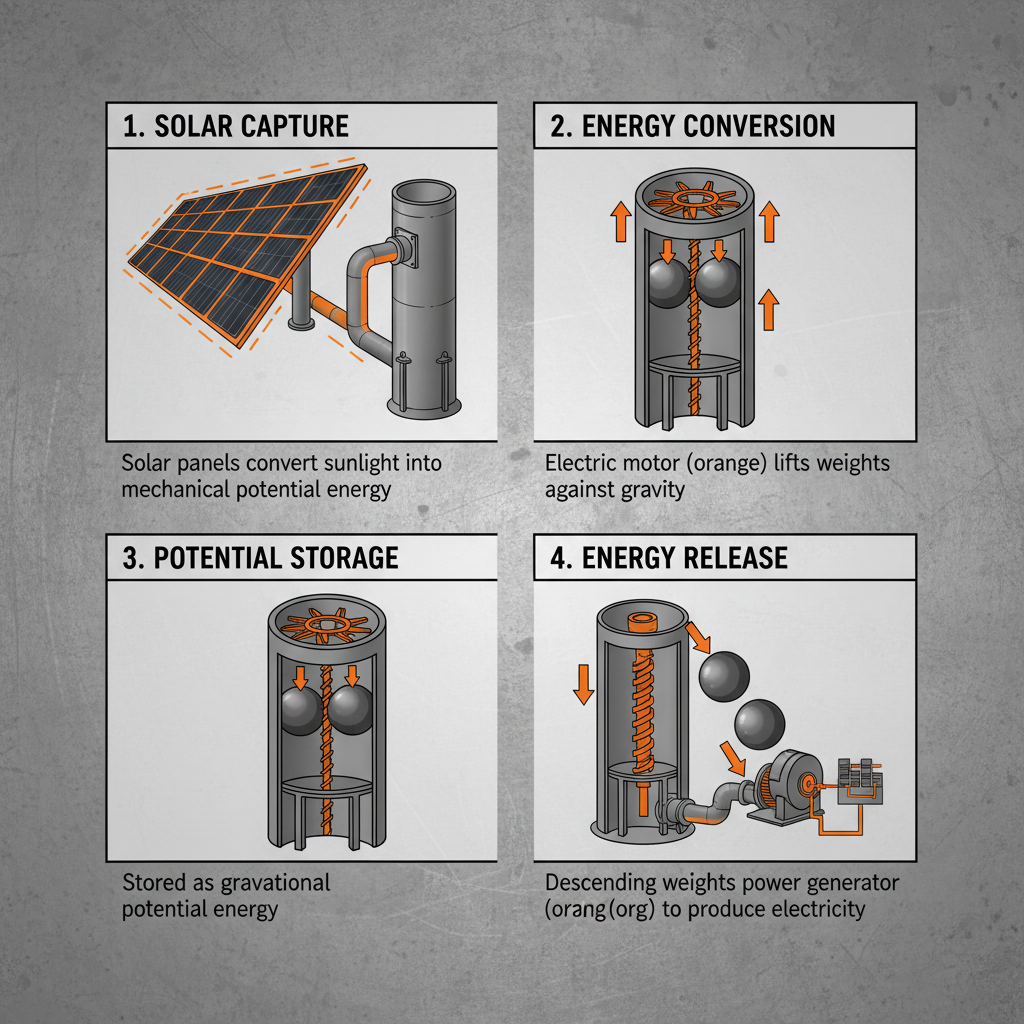
Mechanical energy storage involves converting excess energy into a mechanical form, such as potential energy stored in elevated weights or compressed air. This energy can then be released when needed, generating electricity. Unlike batteries, many mechanical storage systems have the potential for very long lifespans and minimal degradation. These systems are often environmentally friendly, relying on readily available materials and avoiding the use of rare earth minerals. They can be particularly effective when paired with intermittent renewable sources like solar and wind power.
Key Benefit: Mechanical storage offers potential for long lifespans, minimal degradation, and the use of readily available materials.
Key Mechanical Storage Technologies
Several mechanical energy storage technologies are currently under development or in commercial use. These include Pumped Hydro Storage (PHS), Compressed Air Energy Storage (CAES), Flywheel Energy Storage, and Gravity Energy Storage. Each technology has its own unique characteristics, advantages, and disadvantages. The choice of the best technology depends on factors such as geographical location, energy demand profiles, and cost considerations. ACDC BESS provides expertise in integrating various storage solutions with renewable energy systems, ensuring optimal performance and reliability.
Technology Comparison:
• Pumped Hydro Storage: Mature technology, high capacity, geographically limited.
• Compressed Air Energy Storage: High capacity, requires suitable geological formations.
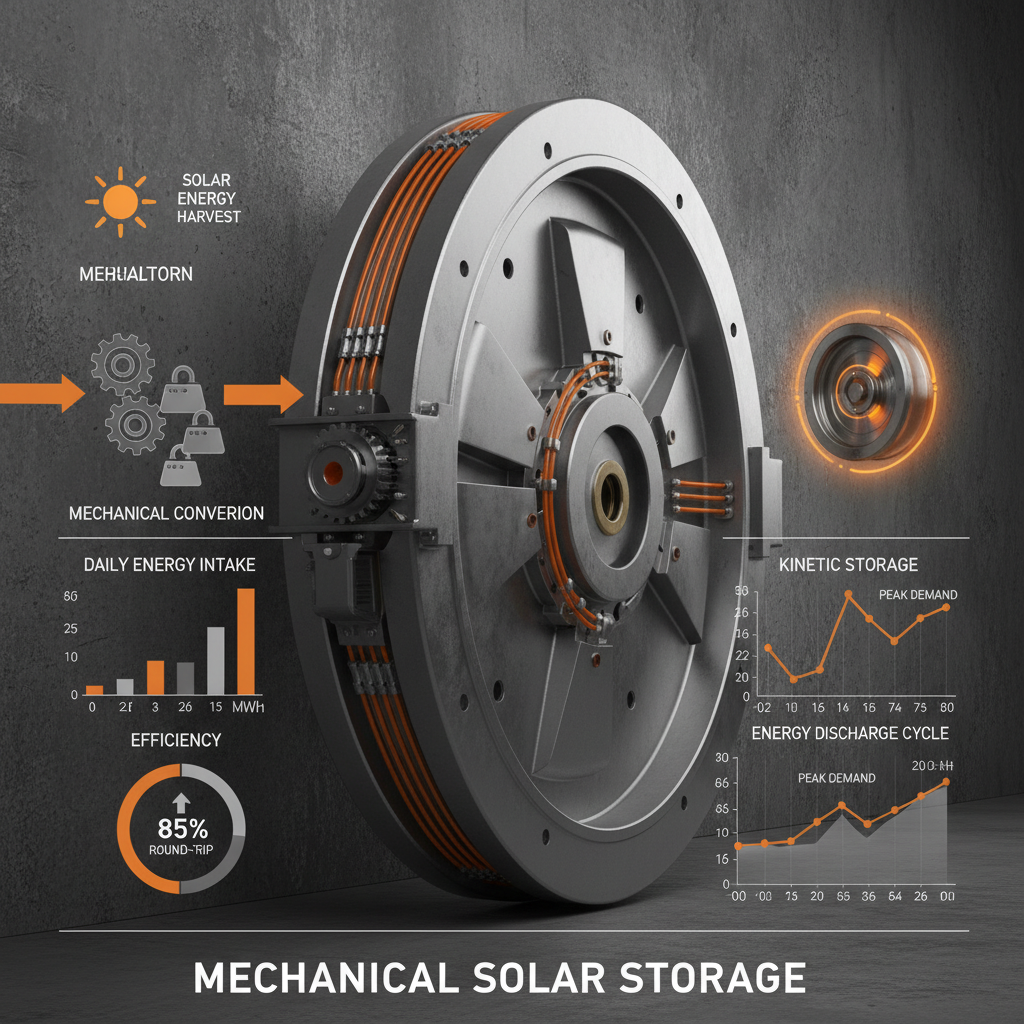
• Flywheel Energy Storage: Rapid response, shorter duration, high cycle life.
• Gravity Energy Storage: Scalable, potentially lower cost, dependent on lifting mechanisms.
Compressed Air Energy Storage (CAES) – A Closer Look
CAES involves compressing air and storing it underground in caverns, salt domes, or abandoned mines. When energy is needed, the compressed air is released, heated (often using natural gas), and used to drive a turbine, generating electricity. Advanced Adiabatic CAES (AA-CAES) systems aim to eliminate the need for fossil fuels by storing the heat generated during compression and reusing it during expansion. ACDC BESS offers solutions that can integrate CAES systems with other renewable energy sources to maximize efficiency and sustainability.
Mechanical Storage and the Future of Renewable Energy
As the world transitions towards a more sustainable energy system, mechanical storage technologies will play an increasingly important role. Their ability to provide long-duration storage at potentially lower costs compared to batteries makes them an attractive option for grid-scale energy storage. Continued research and development, along with supportive government policies, are essential to unlock the full potential of these technologies. ACDC BESS is committed to staying at the forefront of energy storage innovation, offering tailored solutions to meet the evolving needs of our clients.
Conclusion: Embracing Mechanical Energy Storage
Mechanical storage of solar energy represents a compelling alternative to traditional battery storage, particularly for applications requiring long-duration storage. While each technology has its own limitations, ongoing advancements are addressing these challenges and making mechanical storage increasingly viable. ACDC BESS is dedicated to helping you navigate the complexities of energy storage and choose the best solution for your specific requirements.
Frequently Asked Questions (FAQs)
What are the primary advantages of mechanical energy storage over battery storage?
Mechanical storage systems often boast longer lifespans and reduced degradation compared to batteries. Many utilize readily available materials, minimizing reliance on scarce resources like lithium. They can also be more cost-effective for long-duration storage applications. However, batteries typically offer higher energy density and faster response times. The choice depends on the specific application and energy storage needs.
What are the geographical limitations of Pumped Hydro Storage?
Pumped Hydro Storage requires significant elevation differences and the availability of suitable water reservoirs. This limits its deployment to regions with favorable topography. Finding appropriate sites that minimize environmental impact can also be challenging. Despite these limitations, PHS remains the most widely deployed form of large-scale energy storage globally.
How does ACDC BESS integrate mechanical storage with renewable energy systems?
ACDC BESS provides comprehensive integration solutions, including power conversion systems, control algorithms, and grid interconnection expertise. We work with our clients to optimize the operation of mechanical storage systems in conjunction with solar, wind, and other renewable energy sources. This ensures maximum efficiency, reliability, and cost savings. We can also provide hybrid solutions that combine mechanical storage with battery storage to leverage the strengths of each technology.
What is the current state of Gravity Energy Storage technology?
Gravity Energy Storage is a relatively new technology that is gaining traction. It involves lifting heavy weights (such as concrete blocks) and lowering them to generate electricity. While still in the early stages of development, it offers potential advantages in terms of scalability and cost. Several pilot projects are underway around the world to demonstrate the feasibility of this technology.
-
Cedar Point EV Charging Solutions for Sustainable Tourism Experience
NewsApr.16,2026
-
Guide to Cedar Point Charging Stations for EV Park Visitors
NewsApr.16,2026
-
Acorn Stairlift Charging Point Guide for Home Mobility Optimization
NewsApr.16,2026
-
Integrating a Wireless Charging Point into Modern Infrastructure
NewsApr.16,2026
-
How to Optimize Your iPhone 14 Charging Point for Efficiency
NewsApr.16,2026
-
Analyzing the Charging Point Share Price Trends and Market Outlook
NewsApr.09,2026