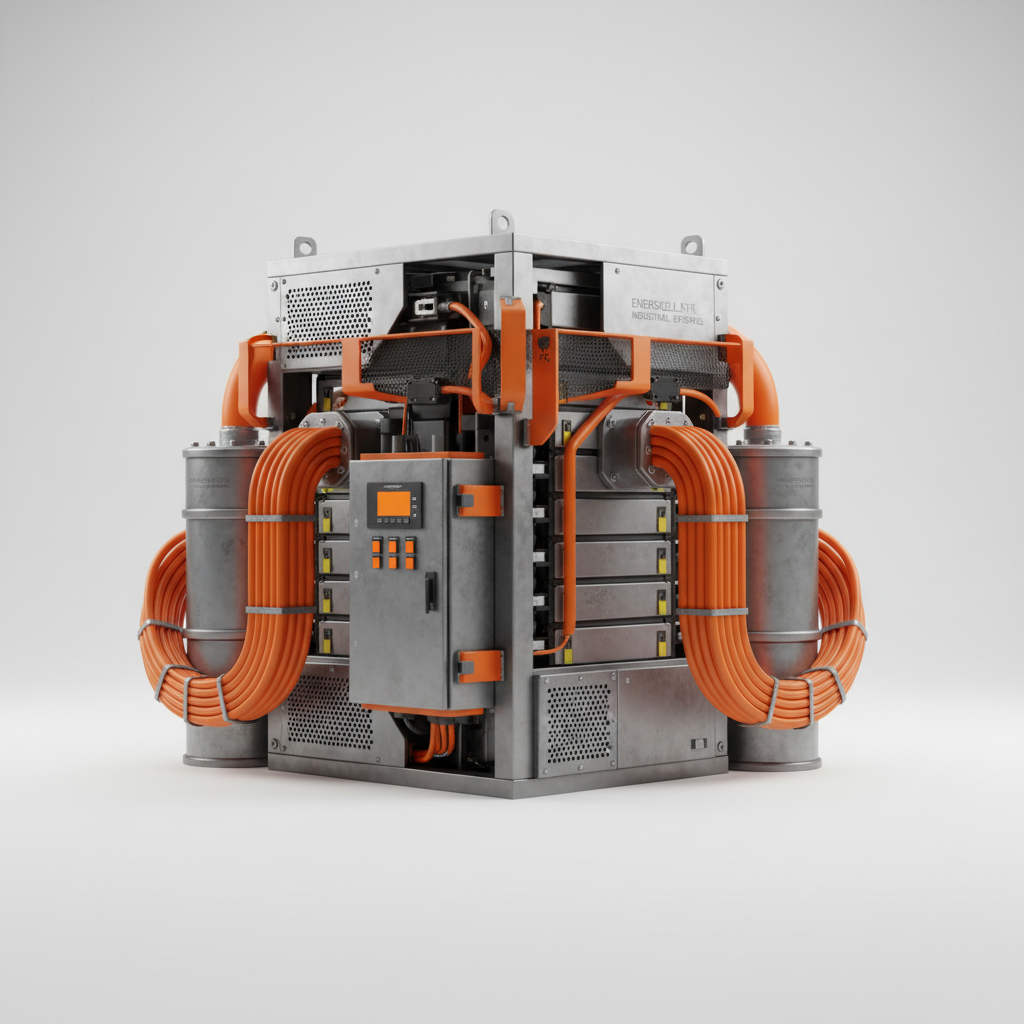
Lithium iron phosphate (LiFePO₄) batteries are rapidly becoming a cornerstone of modern energy storage solutions, powering everything from electric vehicles and grid-scale energy storage to portable power stations. Their inherent safety, long lifespan, and thermal stability make them a compelling alternative to traditional lithium-ion chemistries. Understanding the nuances of lithium iron phosphate technology is increasingly important for industries and individuals alike seeking reliable and sustainable energy solutions.
The global demand for energy storage is soaring, driven by the growth of renewable energy sources like solar and wind. Intermittency is a key challenge with these sources, and efficient storage solutions are vital to ensure a consistent and reliable power supply. Lithium iron phosphate batteries address this need with their robust performance and ability to handle frequent charge-discharge cycles, making them crucial for grid stabilization and energy independence. This demand is reflected in market data, with the LiFePO₄ battery sector experiencing exponential growth in recent years.
Beyond large-scale applications, the benefits of lithium iron phosphate extend to consumer products and specialized industries. Their safety profile—less prone to thermal runaway than other lithium-ion types—makes them ideal for applications where safety is paramount, such as marine vessels, RVs, and backup power systems. This versatility, coupled with increasing cost-competitiveness, is accelerating the adoption of lithium iron phosphate batteries across diverse sectors.
Introduction to Lithium Iron Phosphate
Lithium iron phosphate is a type of rechargeable battery gaining immense traction due to its superior safety features and extended lifespan compared to other lithium-ion battery chemistries. Its chemical composition, LiFePO₄, offers exceptional thermal stability, reducing the risk of overheating and thermal runaway—a critical concern in energy storage applications.
The growing adoption of lithium iron phosphate isn’t just about safety; it's about performance and sustainability. These batteries can endure thousands of charge-discharge cycles with minimal degradation, making them a cost-effective long-term solution. As the world transitions towards renewable energy, lithium iron phosphate batteries play a vital role in reliable energy storage and distribution.
Defining Lithium Iron Phosphate
Lithium iron phosphate (LiFePO₄) is a cathode material used in lithium-ion batteries. Unlike traditional lithium-ion batteries that utilize nickel manganese cobalt oxide (NMC) or lithium cobalt oxide (LCO) cathodes, LiFePO₄ employs a phosphate-based compound, resulting in a significantly more stable and safer battery. This chemical structure contributes to its inherent safety, even under harsh conditions.
The connection to modern industry is clear: the demand for reliable, long-lasting, and safe energy storage solutions is escalating rapidly. From electric vehicles and solar energy storage to backup power systems, LiFePO₄ batteries are increasingly favored by manufacturers and consumers seeking a dependable power source. The expanding electric vehicle market, coupled with the drive for renewable energy integration, fuels the growth of lithium iron phosphate battery production.
Furthermore, lithium iron phosphate is becoming increasingly relevant in addressing humanitarian needs, particularly in providing off-grid power to remote communities. Its robustness and longevity make it an ideal solution for areas lacking consistent access to electricity, enabling access to essential services and improving quality of life.
Key Characteristics of LiFePO₄ Batteries
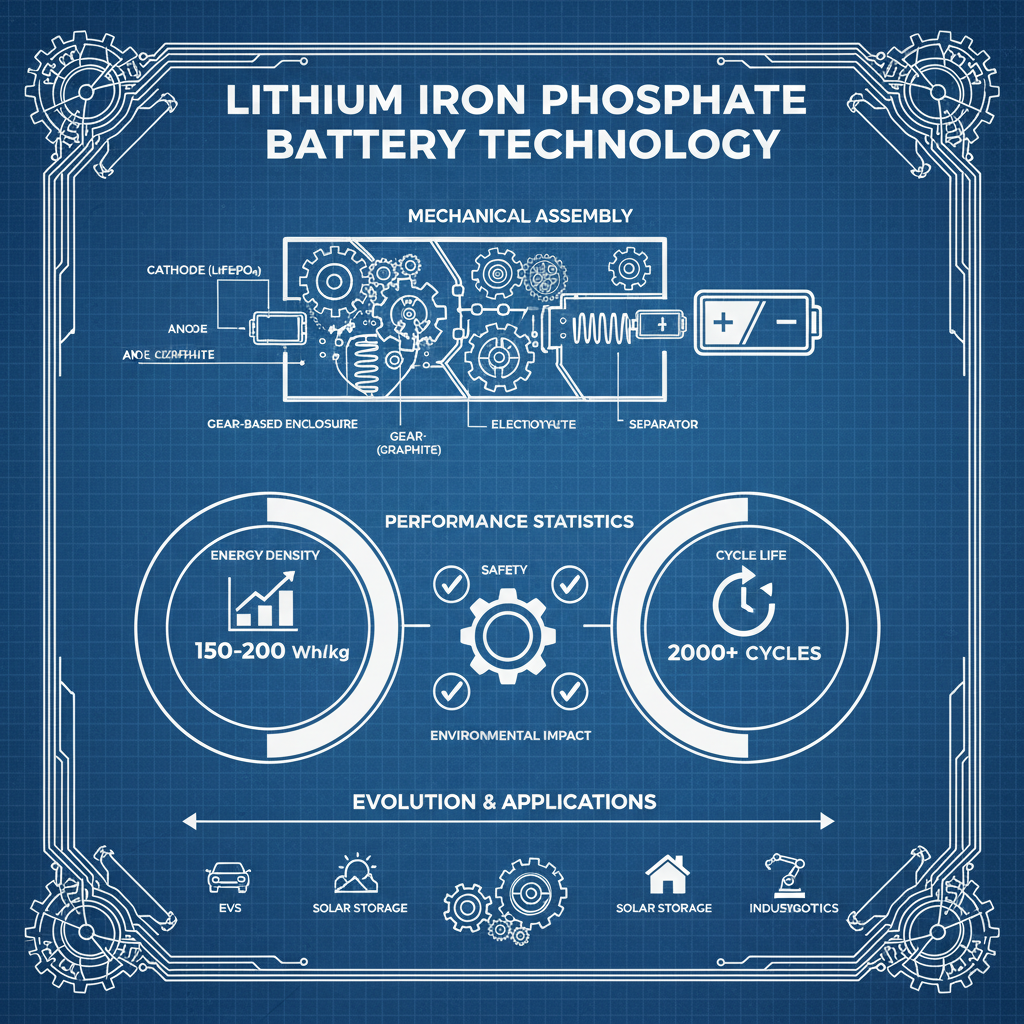
One of the defining characteristics of lithium iron phosphate batteries is their exceptional thermal stability. The phosphate-based chemistry makes them far less susceptible to overheating and thermal runaway, significantly improving safety compared to other lithium-ion options. This is crucial for applications where safety is a primary concern.
Another key aspect is its long cycle life. LiFePO₄ batteries can withstand upwards of 2,000-5,000 charge-discharge cycles, and in some cases even more, without significant degradation in capacity. This extended lifespan translates into lower long-term costs and reduced environmental impact.
Beyond safety and lifespan, lithium iron phosphate batteries boast a high discharge rate. This allows them to deliver substantial power output quickly, making them suitable for demanding applications such as power tools, electric vehicles, and uninterruptible power supplies (UPS).
Real-World Applications of Lithium Iron Phosphate
Lithium iron phosphate batteries are finding widespread application in the electric vehicle (EV) sector, particularly in buses, commercial vehicles, and increasingly, passenger cars. Their safety and long lifespan make them a favored choice for manufacturers seeking to deliver reliable and long-lasting EV solutions.
In grid-scale energy storage, LiFePO₄ batteries are being deployed to stabilize the power grid, integrate renewable energy sources, and provide backup power during outages. These systems are crucial for enabling a more resilient and sustainable energy infrastructure. Regions with high renewable energy penetration, such as California and Germany, are leading adopters of this technology.
Lithium Iron Phosphate Application Distribution
The Advantages of Choosing Lithium Iron Phosphate
The tangible benefits of utilizing lithium iron phosphate batteries are substantial. From a cost perspective, while the initial investment might be slightly higher than some lead-acid alternatives, the extended lifespan and minimal maintenance requirements result in lower total cost of ownership over the battery’s life.
In terms of sustainability, LiFePO₄ batteries are environmentally friendly due to their long lifespan and reduced need for replacement. They also contain no toxic heavy metals like cobalt, making them a more responsible choice for the planet. This aligns with the growing global focus on circular economy principles and responsible resource management.
Future Trends in Lithium Iron Phosphate Technology
Ongoing research and development are focused on enhancing the energy density of lithium iron phosphate batteries. While traditionally lower than NMC batteries, advancements in material science and cell design are steadily improving this metric, making them more competitive in applications where weight and size are critical.
Furthermore, integration with smart grid technologies and battery management systems (BMS) is becoming increasingly sophisticated. Advanced BMS algorithms optimize battery performance, extend lifespan, and enhance safety by monitoring and controlling key parameters like voltage, current, and temperature.
The development of solid-state lithium iron phosphate batteries is another exciting area of innovation, promising even higher energy density, improved safety, and faster charging times. These advancements position LiFePO₄ as a key enabler of a sustainable and electrified future.
Overcoming Challenges with LiFePO₄ Batteries
Despite their many advantages, lithium iron phosphate batteries face some challenges. Lower energy density compared to other lithium-ion chemistries can be a limitation in certain applications where space and weight are critical. However, continuous improvements in material science are addressing this issue.
Another challenge is the cost of raw materials, particularly lithium and phosphate. Fluctuations in the prices of these materials can impact the overall cost of batteries. Diversifying sourcing and developing alternative materials are key strategies to mitigate this risk.
Finally, cold-weather performance can be a concern, as LiFePO₄ batteries exhibit reduced capacity at low temperatures. Implementing thermal management systems and optimizing battery design for cold climates are effective solutions to overcome this limitation.
Summary of Key Challenges and Solutions for Lithium Iron Phosphate Batteries
| Challenge |
Impact Area |
Severity (1-10) |
Proposed Solution |
| Lower Energy Density |
Weight & Space Constrained Applications |
7 |
Advanced Material Composition & Cell Design |
| Raw Material Cost |
Battery Production Costs |
6 |
Diversified Sourcing & Alternative Materials |
| Cold Weather Performance |
Capacity Reduction in Low Temperatures |
5 |
Thermal Management Systems & Optimized Design |
| Charge Rate Limitations |
Faster Charging Requirements |
4 |
Improved BMS & Cell Chemistry Optimizations |
| Manufacturing Complexity |
Production Scalability |
5 |
Automated Production Processes & Quality Control |
| Long-Term Degradation |
Capacity Fade Over Extended Use |
6 |
Advanced BMS Algorithms & Electrolyte Enhancements |
FAQs
Lithium iron phosphate batteries exhibit superior thermal stability, meaning they are far less prone to overheating and thermal runaway, a dangerous condition that can lead to fires or explosions. The phosphate chemistry is inherently more stable than the nickel manganese cobalt (NMC) or lithium cobalt oxide (LCO) chemistries commonly used in other lithium-ion batteries. This makes LiFePO₄ batteries a safer option for a wide range of applications, particularly those where safety is paramount.
Lithium iron phosphate batteries boast a significantly longer lifespan than lead-acid batteries. A typical LiFePO₄ battery can withstand 2,000 to 5,000 charge-discharge cycles, and even more in some cases, with minimal degradation in capacity. In contrast, a lead-acid battery typically lasts for only 300 to 500 cycles. This extended lifespan translates to lower total cost of ownership and reduced environmental impact over the battery's lifetime.
Yes, lithium iron phosphate batteries are considered more environmentally friendly than many other battery chemistries. They do not contain toxic heavy metals like cobalt, which are found in many other lithium-ion batteries. Furthermore, their long lifespan reduces the need for frequent replacements, minimizing waste. However, responsible recycling practices are still crucial to recover valuable materials and minimize environmental impact at the end of the battery’s life.
Lithium iron phosphate batteries can be used in cold weather, but their performance may be reduced at low temperatures. Capacity can decrease and charging rates may slow down. To mitigate this, thermal management systems, such as heaters, can be employed to maintain optimal battery temperature. Additionally, choosing batteries specifically designed for cold-weather operation can improve performance in frigid conditions.
Lithium iron phosphate batteries find application in a wide range of areas including electric vehicles (EVs) - especially buses and commercial vehicles, grid-scale energy storage for renewable energy integration, marine applications (boats and yachts), RVs and camping setups, backup power systems, and portable power stations. Their safety, longevity, and reliable performance make them ideal for diverse applications.
The initial cost of lithium iron phosphate batteries can be slightly higher than some lead-acid batteries. However, considering their significantly longer lifespan, lower maintenance requirements, and superior performance, LiFePO₄ batteries often offer a lower total cost of ownership over the long term. As production scales up and technology advances, the price of LiFePO₄ batteries is becoming increasingly competitive.
Conclusion
In conclusion, lithium iron phosphate batteries represent a significant advancement in energy storage technology. Their exceptional safety, long lifespan, and increasing cost-competitiveness make them a compelling solution for a wide range of applications, from electric vehicles and grid-scale storage to portable power and beyond. As the world transitions towards a more sustainable energy future, LiFePO₄ batteries are poised to play an increasingly vital role.
Looking ahead, continued innovation in materials science and battery management systems will further enhance the performance and affordability of lithium iron phosphate technology. Investing in research and development, promoting responsible manufacturing practices, and implementing robust recycling programs are crucial steps to unlock the full potential of lithium iron phosphate batteries and accelerate the adoption of clean energy solutions.