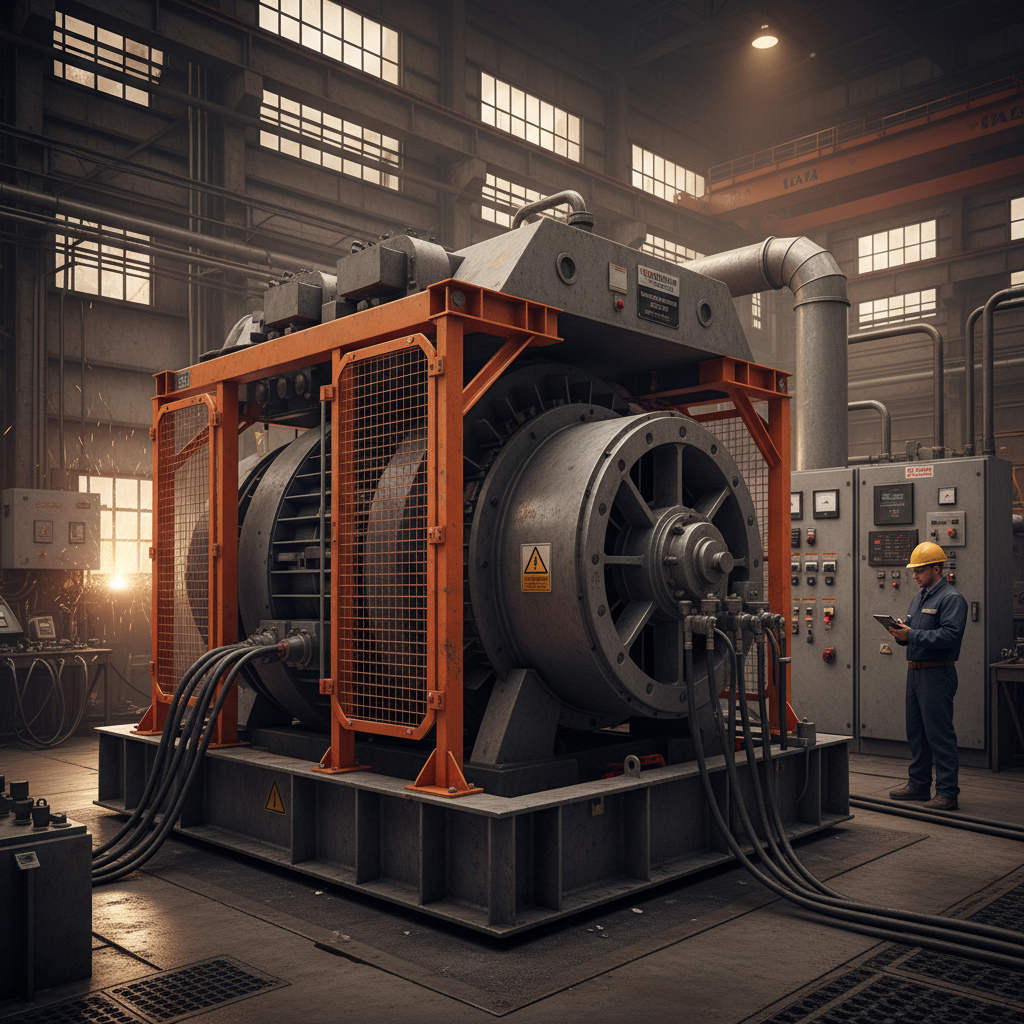
The global demand for reliable and efficient energy storage solutions is rapidly increasing, driven by the transition to renewable energy sources and the growing need for grid stability. At the heart of this burgeoning market are companies specializing as an energy storage manufacturer, providing the critical components and systems required to store and dispatch energy effectively. This is not merely a technological advancement; it’s a cornerstone of sustainable development and future energy security.
The role of an energy storage manufacturer is becoming increasingly pivotal in addressing the intermittent nature of renewable energy sources like solar and wind. Without adequate storage, these sources cannot consistently meet energy demand. Furthermore, advancements in battery technology and power electronics have dramatically lowered the cost of energy storage, making it a viable solution for a broader range of applications, from residential energy management to large-scale grid stabilization.
Understanding the capabilities and innovations coming from an energy storage manufacturer is crucial for anyone involved in the energy sector – from policymakers and utilities to businesses and consumers. This knowledge empowers informed decision-making, facilitates strategic investment, and ultimately accelerates the adoption of clean energy technologies.
The Importance of Energy Storage Manufacturing
The modern energy landscape is undergoing a radical transformation, moving away from traditional fossil fuels and towards renewable sources. However, the intermittent nature of renewables poses a significant challenge. A robust energy storage manufacturer industry is essential to bridge this gap, providing the technologies needed to store excess energy generated during peak production and release it when demand exceeds supply.
Furthermore, a thriving energy storage manufacturing sector fosters economic growth, creates skilled jobs, and strengthens national energy independence. It’s not just about building batteries; it’s about establishing a complete supply chain, from raw material sourcing to system integration and ongoing maintenance.
Defining Energy Storage Manufacturing
Energy storage manufacturing encompasses the design, development, and production of systems that capture energy for later use. While the term often evokes images of lithium-ion batteries, it’s a much broader field. An energy storage manufacturer can specialize in a variety of technologies, including flow batteries, solid-state batteries, thermal energy storage, and even pumped hydro storage components.
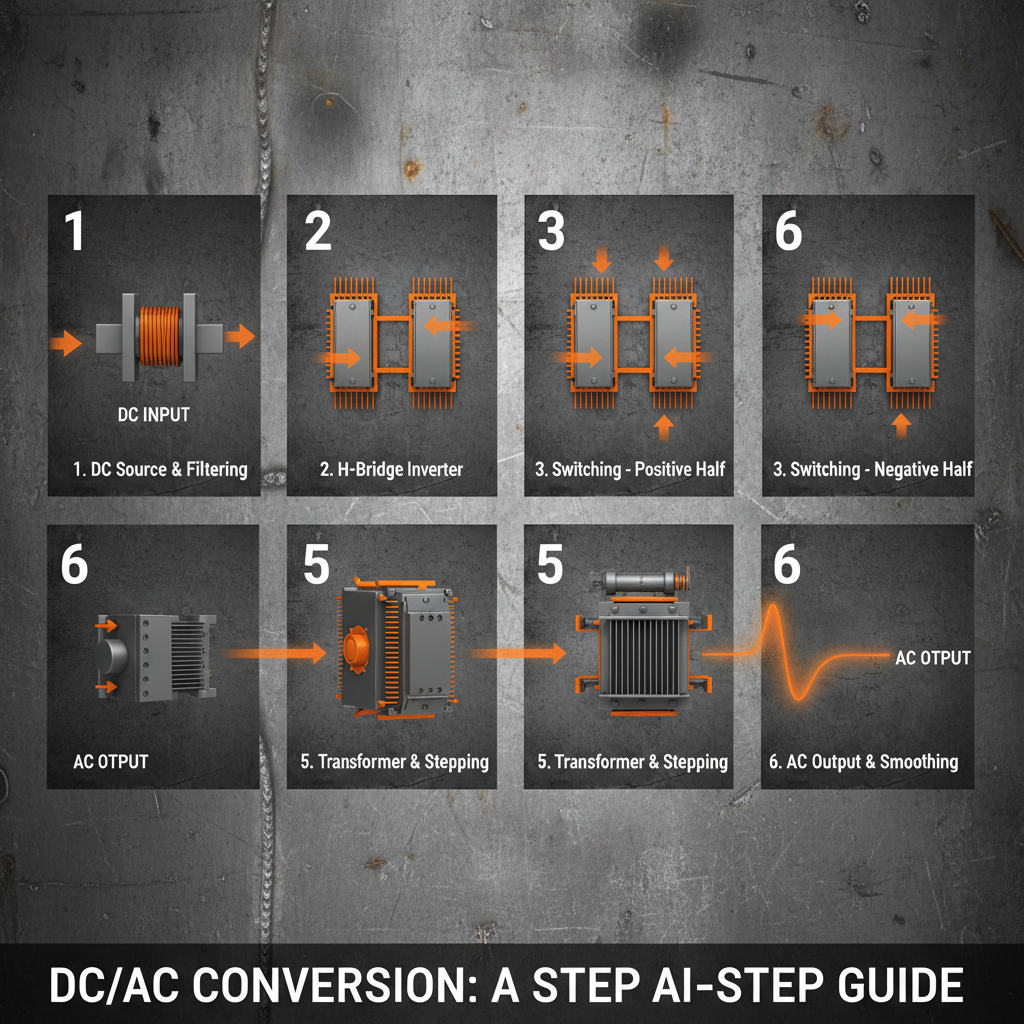
The process includes not just the assembly of cells or modules, but also the intricate engineering of Battery Management Systems (BMS), power conversion systems (PCS), and thermal management systems. These components work in harmony to ensure safe, efficient, and reliable energy storage and delivery.
Ultimately, an energy storage manufacturer provides the building blocks for a more resilient, sustainable, and affordable energy future, directly contributing to the realization of a clean energy economy.
Key Factors in Energy Storage Manufacturing
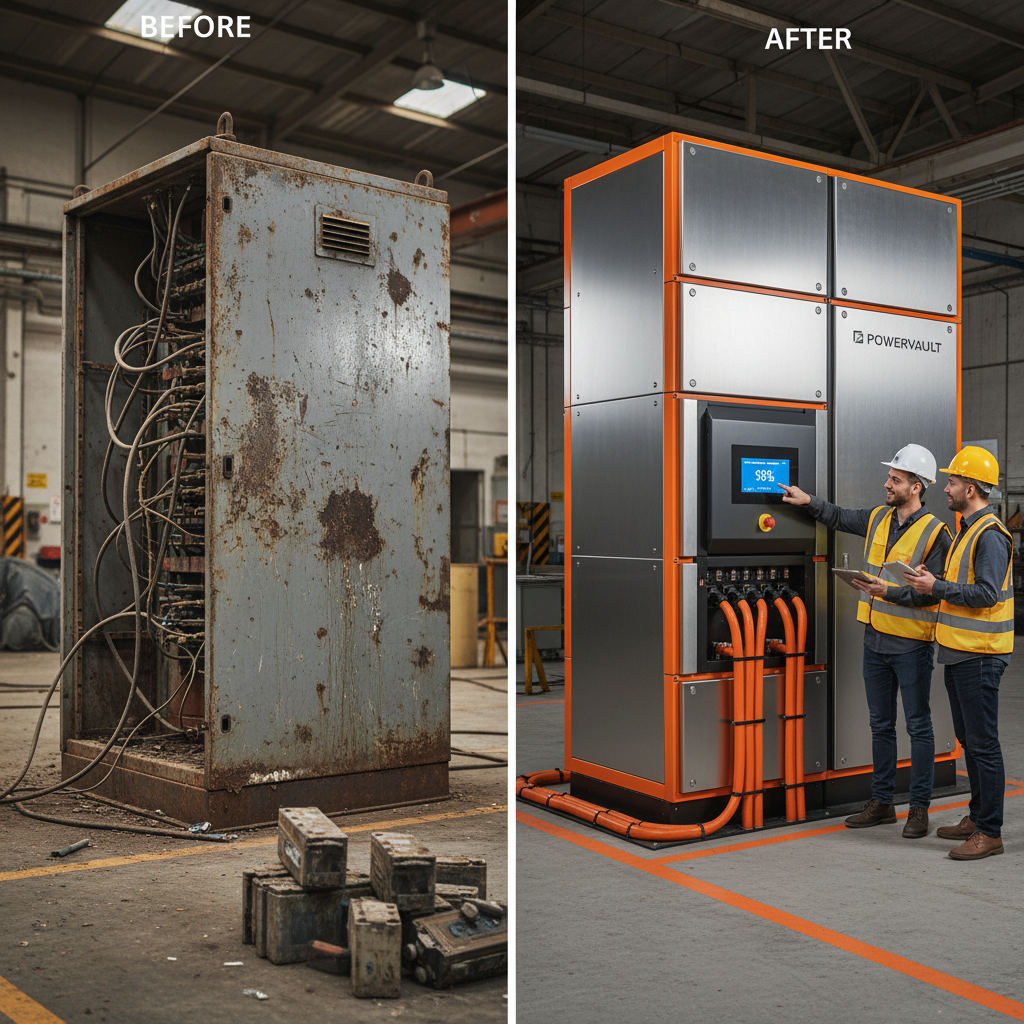
Durability is paramount for any energy storage system. An effective energy storage manufacturer focuses on robust designs, high-quality materials, and rigorous testing to ensure long lifespans and minimal degradation over time. This impacts the total cost of ownership and reduces the need for frequent replacements.
Cost-efficiency is another critical factor. While initial investment is important, an energy storage manufacturer must also consider lifecycle costs, including maintenance, replacement, and disposal. Innovations in materials science and manufacturing processes are driving down costs and making energy storage more accessible.
Safety is non-negotiable. Energy storage systems, particularly those based on lithium-ion technology, require sophisticated safety features to prevent thermal runaway and other hazards. A responsible energy storage manufacturer prioritizes safety through careful design, advanced BMS, and adherence to stringent industry standards.
Scalability and Integration Capabilities
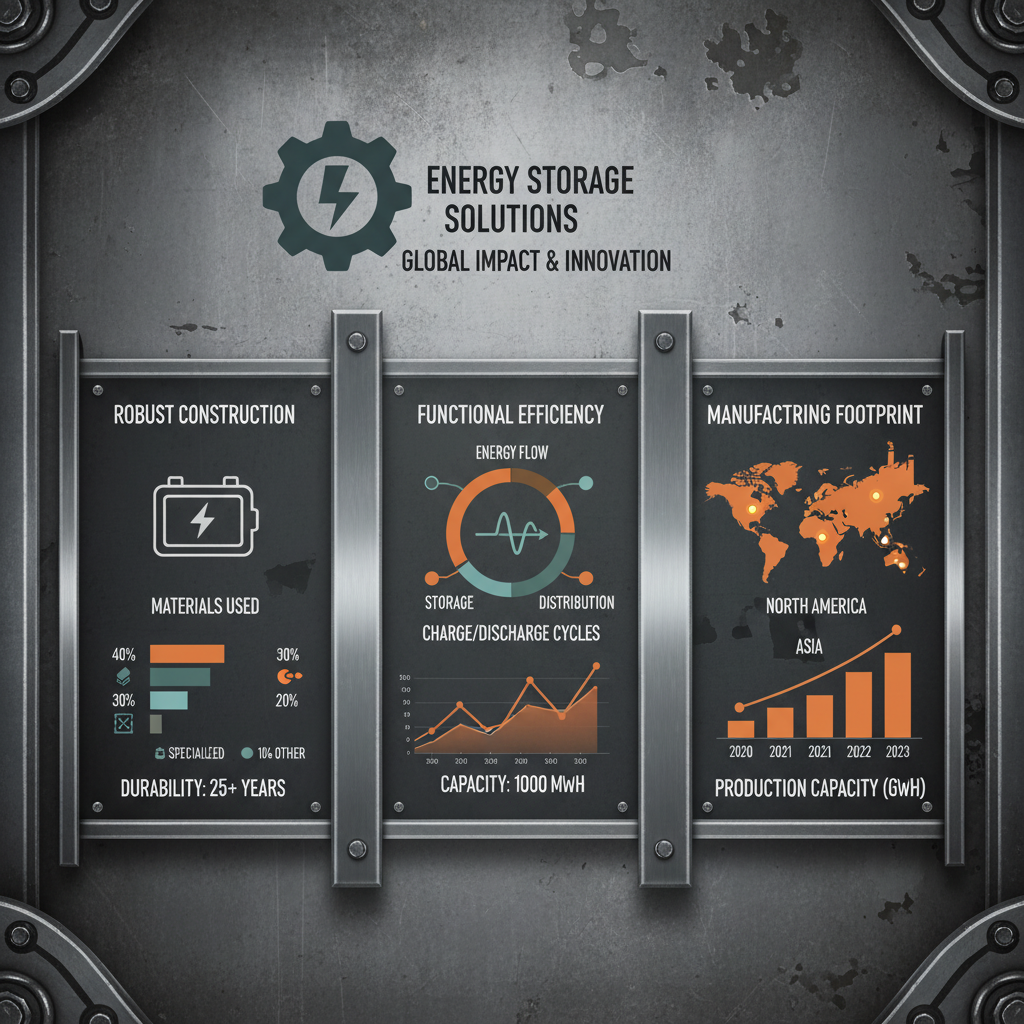
A key characteristic of a successful energy storage manufacturer is the ability to scale production to meet growing demand. This requires not only significant capital investment but also efficient supply chain management and advanced manufacturing techniques.
Equally important is the ability to seamlessly integrate energy storage systems into existing grid infrastructure. This necessitates compatibility with various voltage levels, communication protocols, and control systems. An energy storage manufacturer that can offer customized solutions and comprehensive integration support is highly valued.
Energy Storage Manufacturing Performance Metrics
Global Applications and Real-World Use Cases
The applications of energy storage manufactured by companies like energy storage manufacturer are incredibly diverse. From grid-scale energy storage projects that stabilize the electricity supply to residential battery systems that enable self-consumption of solar power, the possibilities are vast. In remote industrial zones without reliable grid access, energy storage provides a dependable power source for critical operations.
In post-disaster relief operations, mobile energy storage units can deliver immediate power to affected communities, supporting emergency response efforts and restoring essential services. Furthermore, the transportation sector is rapidly embracing energy storage, with electric vehicles (EVs) driving significant demand for advanced battery technologies.
The Long-Term Value Proposition
Investing in energy storage isn’t just about addressing immediate energy challenges; it’s about securing a more sustainable and resilient future. The tangible benefits are numerous, including reduced electricity costs, improved grid reliability, and decreased carbon emissions. Beyond the economic and environmental advantages, energy storage empowers communities and enhances energy independence.
The long-term value proposition extends to increased safety and security. Energy storage can act as a backup power source during grid outages, protecting critical infrastructure and ensuring the continuity of essential services. Furthermore, the ongoing innovation within the energy storage manufacturer sector is constantly improving performance, lowering costs, and expanding the range of applications.
Future Trends and Innovations in Energy Storage
The energy storage landscape is evolving rapidly. Emerging technologies like solid-state batteries promise higher energy density, improved safety, and longer lifespans. Flow batteries are gaining traction for large-scale, long-duration storage applications. Digitalization and AI are playing an increasingly important role in optimizing energy storage system performance and predicting grid needs.
Green energy initiatives and supportive government policies are accelerating the adoption of energy storage. Automation in manufacturing processes is driving down costs and increasing production efficiency. The integration of energy storage with renewable energy sources is becoming increasingly seamless, creating a cleaner, more sustainable, and reliable energy future.
Companies like energy storage manufacturer are at the forefront of these innovations, continuously pushing the boundaries of what’s possible and paving the way for a more energy-secure world.
Key Competitive Advantages of Energy Storage Manufacturers
| Technology Innovation |
Production Capacity |
Supply Chain Resilience |
Cost Competitiveness |
| R&D investment in next-gen battery tech |
Gigafactory scale output |
Diversified sourcing of raw materials |
Economies of scale and efficient processes |
| Patent portfolio & intellectual property |
Agile manufacturing & quick scaling |
Strong relationships with key suppliers |
Optimized BOM & component costs |
| Collaboration with research institutions |
Automated production lines |
Regional manufacturing hubs |
Vertical integration of key components |
| Focus on safety and reliability features |
Capacity to meet peak demand |
Risk mitigation strategies |
Value engineering & design optimization |
| Development of custom energy storage solutions |
Rapid prototyping and testing |
Strategic partnerships with logistics providers |
Competitive pricing strategies |
| Adoption of Industry 4.0 technologies |
Scalable manufacturing processes |
Circular economy initiatives |
Focus on lifecycle cost reduction |
FAQS
Currently, the most widely manufactured energy storage technologies include Lithium-ion batteries, lead-acid batteries, flow batteries, and thermal energy storage systems. Lithium-ion dominates the market due to its high energy density and efficiency, but other technologies are gaining ground for specific applications. An energy storage manufacturer typically specializes in one or more of these core technologies, optimizing production and performance for their target market.
The lifespan of an energy storage system varies significantly depending on the technology, operating conditions, and depth of discharge. Lithium-ion batteries typically last between 5 to 15 years, with a degradation rate of a few percent per year. Flow batteries can have lifespans exceeding 20 years. Careful monitoring, thermal management, and adherence to manufacturer recommendations are crucial for maximizing lifespan.
Safety is a paramount concern in energy storage manufacturing. Manufacturers employ multiple layers of protection, including robust cell design, Battery Management Systems (BMS) to monitor voltage, current, and temperature, and thermal management systems to prevent overheating. Compliance with stringent industry standards (like UL and IEC) and rigorous testing are also essential components of a safe manufacturing process.
The environmental impact of energy storage manufacturing is a growing concern. Manufacturers are increasingly focusing on sustainable practices, including responsible sourcing of raw materials, reducing energy consumption during production, and developing recycling programs for end-of-life batteries. Circular economy initiatives aim to minimize waste and maximize resource utilization.
Battery Management Systems (BMS) are integral to the performance and safety of manufactured energy storage systems. The BMS monitors and controls various parameters like voltage, current, temperature, and state of charge. It protects the battery from overcharging, over-discharging, and overheating, and optimizes performance by balancing cell voltages.
Quality control is maintained throughout the entire energy storage manufacturing process, from raw material inspection to final product testing. This includes automated inspection systems, statistical process control, and adherence to ISO 9001 quality management standards. Regular audits and third-party certifications ensure consistent quality and reliability.
Conclusion
In conclusion, the role of an energy storage manufacturer is fundamentally reshaping the energy landscape, enabling the widespread adoption of renewable energy, enhancing grid reliability, and fostering a more sustainable future. From innovations in battery technology to advancements in manufacturing processes, the sector is driving down costs, improving performance, and expanding the range of applications. Understanding the key factors driving this industry – scalability, durability, safety, and cost-efficiency – is crucial for anyone involved in the energy transition.
Looking ahead, continued investment in research and development, coupled with supportive government policies, will be essential to accelerate the growth of energy storage. By embracing innovation and prioritizing sustainability, energy storage manufacturers will play a pivotal role in creating a cleaner, more secure, and more resilient energy future for all. Visit our website at www.acdcbess.com to learn more about our solutions and how we are powering the future of energy.