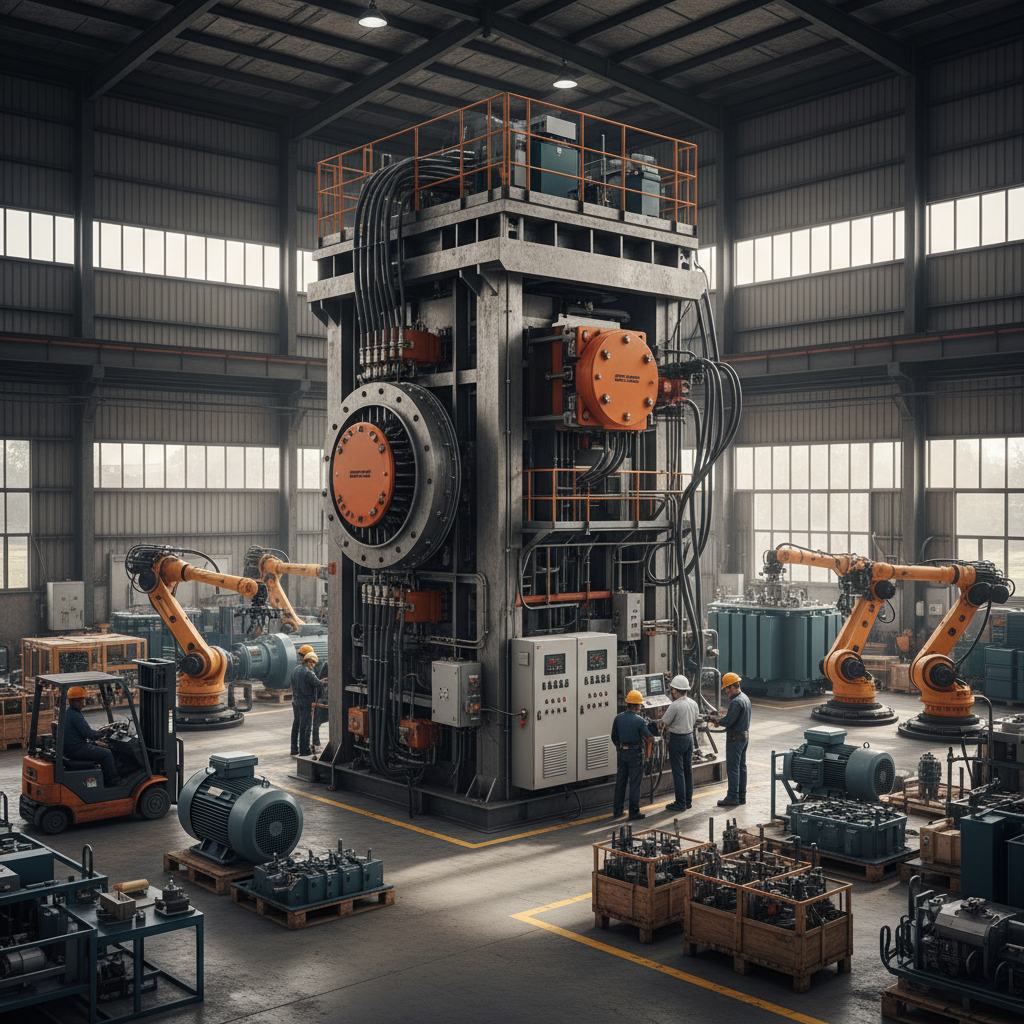
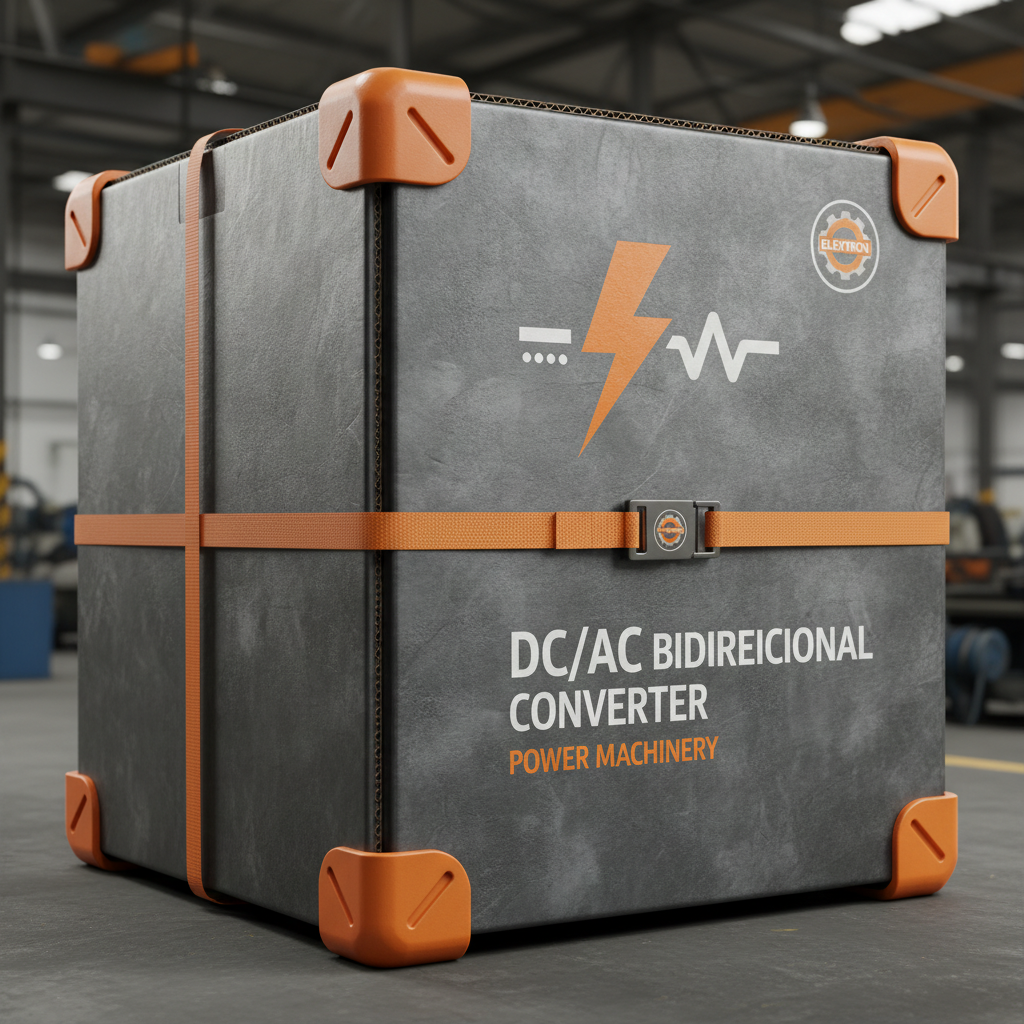
The world’s power needs are growing exponentially, and with that comes a demand for resilient, efficient energy infrastructure. Centralized inverters are at the heart of this shift, taking the raw DC power generated by solar farms and converting it into the AC power that fuels our lives. It's not just about renewable energy either; centralized inverters are crucial for grid stability and integrating diverse energy sources. I’ve spent years on sites watching these systems come online, and frankly, a robust, well-designed centralized inverter is the backbone of any serious energy project.
We’re talking about massive installations, often in challenging environments. From scorching deserts to frigid mountaintops, these inverters need to operate reliably, day in and day out. I've seen projects delayed, and budgets blown, because of inverter failures. It's a headache for everyone involved – developers, engineers, and ultimately, the consumers who rely on the power. That’s why understanding their capabilities and limitations is so critical.
The industry is moving fast. It’s no longer enough to just convert power; we need intelligent inverters that can respond to grid fluctuations, optimize performance, and provide valuable data for monitoring and control. The future is about smart grids, and smart grids depend on smart, centralized inverters.
The Rise of Centralized Inverter Technology
The global push for renewable energy, driven by climate concerns and economic incentives, has fueled the demand for large-scale solar and wind power generation. This, in turn, has driven the evolution of centralized inverter technology. I’ve watched the power requirements climb steadily year after year. These aren't your grandfather's inverters; we're talking about sophisticated power conversion systems capable of handling megawatts of power.
According to the International Renewable Energy Agency (IRENA), global renewable energy capacity needs to increase significantly to meet the Paris Agreement goals. Centralized inverters play a vital role in facilitating this growth, offering a cost-effective and efficient solution for converting DC power from large-scale renewable sources into grid-compatible AC power. It's a fundamental piece of the puzzle.
Defining the Centralized Inverter
Simply put, a centralized inverter takes the direct current (DC) electricity generated by a large array of solar panels – think a sprawling solar farm – and transforms it into alternating current (AC) electricity. AC is what powers our homes, businesses, and the grid. It’s a critical function. Unlike string inverters or microinverters which handle individual panels or small strings, a centralized inverter handles the entire output of a large installation.
Its connection to modern industry isn’t just about renewables. It's about improving grid resilience and enabling the integration of distributed energy resources. Centralized inverters are becoming increasingly important for grid operators looking to stabilize the grid and respond to dynamic changes in energy supply and demand. We’re seeing more and more requests for grid support features in inverter specifications.
This technology is also vital for humanitarian needs, specifically in providing reliable power to remote communities or disaster relief efforts. A properly sized centralized inverter can power essential services like hospitals and communication systems in areas where grid access is limited or nonexistent.
Core Components and Key Characteristics
A centralized inverter isn't just a single component; it’s a complex system comprised of several key elements. These include power conversion modules, DC filters, AC filters, transformers, control systems, and cooling systems. The quality of each component directly impacts the overall performance and reliability. I’ve seen failures traced back to seemingly minor components.
Key characteristics include high power capacity – often in the megawatt range – high efficiency, robust grid support functionalities, and remote monitoring and control capabilities. Durability is paramount; these units need to withstand harsh environmental conditions for decades. Scalability is also crucial, allowing for expansion as energy demands grow. And, frankly, ease of maintenance is a huge factor for us on the ground.
Cost-efficiency is a constant balancing act. You need a reliable inverter, but it has to fit within the project budget. That’s why we're always evaluating different manufacturers and technologies to find the optimal solution. Sometimes, spending a little more upfront can save you a lot of money in the long run by reducing downtime and maintenance costs.
Performance Metrics of Centralized Inverters
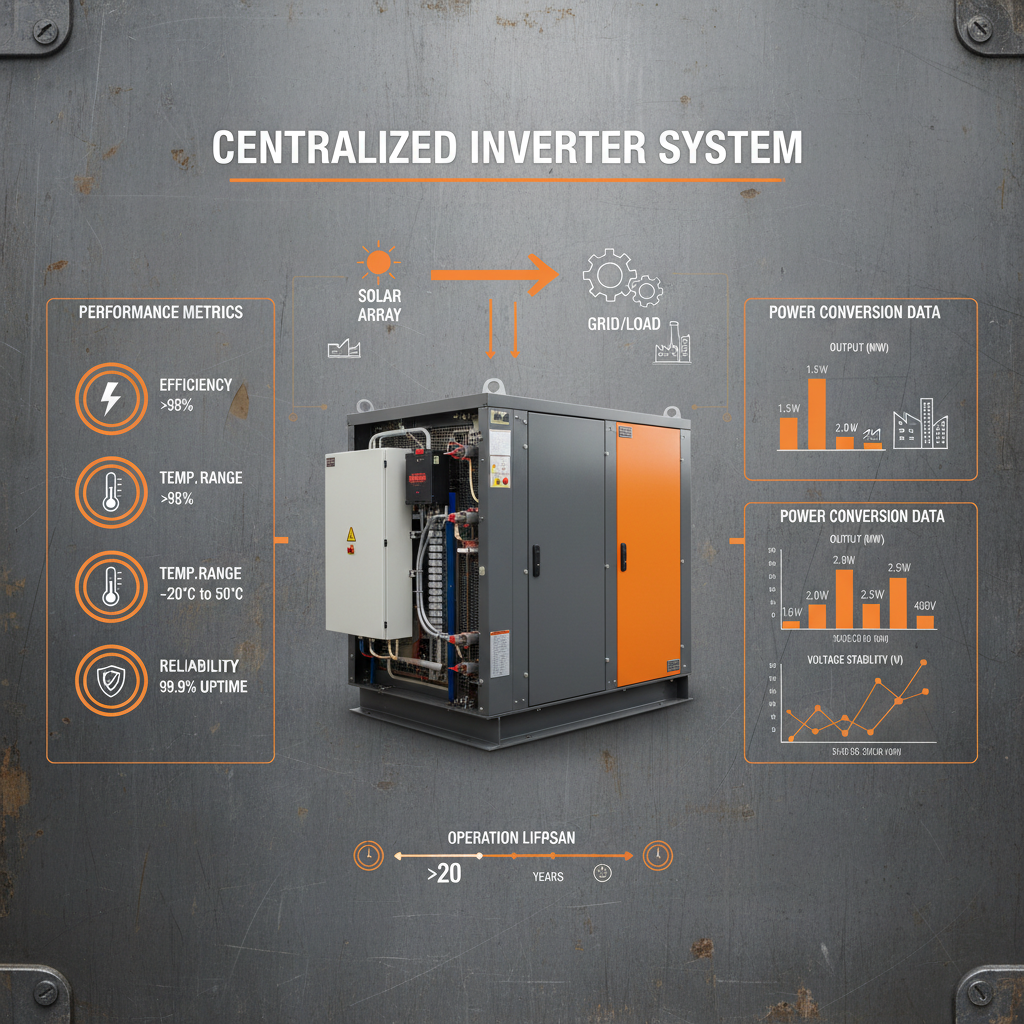
When assessing a centralized inverter, several key performance metrics are critical. Peak efficiency is the percentage of DC power converted to AC power under ideal conditions. But real-world efficiency, across a range of operating conditions, is what really matters. We're looking for consistently high efficiency, even during partial load conditions.
Total Harmonic Distortion (THD) measures the distortion of the AC waveform. Low THD is essential for maintaining grid stability. Power factor, which indicates how effectively the inverter utilizes the available power, is also crucial. And, of course, reliability – measured in terms of Mean Time Between Failures (MTBF) – is paramount.
Centralized Inverter Performance Comparison
Real-World Applications of Centralized Inverters
The most common application is, of course, in large-scale solar farms. These inverters are the workhorses of utility-scale renewable energy generation. I've seen them deployed in projects ranging from a few megawatts to over 100 megawatts in capacity. The sheer scale of these installations is impressive.
Beyond solar, centralized inverters are also used in wind power plants, particularly for converting the variable frequency AC power generated by wind turbines into grid-compatible AC power. They’re also finding applications in energy storage systems, managing the flow of power between batteries and the grid.
Advantages and Long-Term Value Proposition
The advantages of utilizing centralized inverter systems extend beyond just efficient power conversion. Their centralized nature simplifies system design and reduces the number of components, leading to lower installation and maintenance costs. A well-maintained system can deliver decades of reliable performance.
From a sustainability perspective, centralized inverters are essential for maximizing the utilization of renewable energy sources, reducing reliance on fossil fuels, and mitigating climate change. The long-term value is clear: cleaner energy, a more resilient grid, and a more sustainable future.
And for those of us in the field, the reliability and ease of monitoring offer a level of confidence and peace of mind that you just don’t get with more fragmented systems.
Future Trends and Innovations in Centralized Inverter Technology
We're seeing a move towards smarter inverters, equipped with advanced grid support features like reactive power control, voltage regulation, and frequency response. These features are becoming increasingly important as grids become more complex and decentralized. Digitalization and AI will play a bigger role, optimizing inverter performance in real-time.
There’s also a lot of innovation happening in materials science, with manufacturers exploring new materials to improve inverter efficiency, reduce size and weight, and enhance durability. Expect to see more inverters incorporating silicon carbide (SiC) and gallium nitride (GaN) technologies.
The integration of energy storage with centralized inverters is another key trend. Combining solar or wind power with battery storage allows for smoother, more reliable power delivery, even when the sun isn’t shining or the wind isn’t blowing.
Summary of Centralized Inverter Technological Advancements
| Advancement Area |
Current Status (2024) |
Expected Development (2028) |
Impact on Centralized Inverters |
| Grid Support Features |
Reactive power control and voltage regulation are standard. |
Advanced grid forming capabilities, dynamic islanding. |
Increased grid stability and resilience. |
| Materials Technology |
Silicon-based power semiconductors dominate. |
Widespread adoption of SiC and GaN. |
Higher efficiency, reduced size and weight, improved thermal management. |
| Digitalization & AI |
Remote monitoring and basic data analytics. |
Predictive maintenance, real-time performance optimization. |
Reduced downtime, improved energy yield, extended lifespan. |
| Energy Storage Integration |
Basic battery integration for peak shaving. |
Seamless integration with advanced battery management systems. |
Enhanced grid flexibility, increased renewable energy penetration. |
| Cooling Systems |
Air-cooled systems are the most common. |
Liquid cooling systems gaining traction for higher power densities. |
Improved thermal management, increased inverter lifespan. |
| Cybersecurity |
Basic security protocols are implemented. |
Advanced encryption, intrusion detection, and threat mitigation. |
Protection against cyberattacks and data breaches. |
FAQS
Generally, a well-maintained centralized inverter in a solar farm can last between 15 to 25 years. However, this depends heavily on the quality of the components, environmental conditions, and regular maintenance. We’ve seen some units exceed 20 years with diligent upkeep, but realistically, plan for replacement every 15-20 years for optimal performance. A preventative maintenance schedule is key – cleaning, thermal scans, and regular inspections can significantly extend its life.
Temperature is a major factor. High temperatures reduce efficiency and can lead to component failure. Inverters are typically designed to operate within a specific temperature range. Overheating can cause derating – a reduction in output power – to protect the inverter. That’s why effective cooling systems are crucial, especially in hot climates. We always look at the inverter’s temperature derating curve when assessing a project, and ensure proper ventilation and cooling are in place.
Regular maintenance includes visual inspections for any signs of damage or corrosion, cleaning of cooling fans and filters, thermal imaging to identify hot spots, and checking the tightness of electrical connections. Software updates are also important for optimizing performance and security. A comprehensive preventative maintenance plan, performed annually or bi-annually, is highly recommended.
Modern centralized inverters often have grid support functions that allow them to ride through short grid disturbances. However, they are typically designed to disconnect from the grid during prolonged outages for safety reasons. Advanced inverters can be configured to provide backup power to critical loads during an outage, but this requires a separate energy storage system and specific grid interconnection agreements.
The main difference lies in their scale and architecture. String inverters are designed for smaller installations, handling power from a string of solar panels. Centralized inverters are used for much larger-scale projects, converting the combined output of numerous strings. Centralized inverters are typically more efficient and cost-effective for large-scale applications, but string inverters offer more flexibility for smaller or complex installations.
Harmonic distortion refers to the presence of unwanted frequencies in the AC waveform, caused by non-linear loads. High harmonic distortion can damage equipment, reduce power quality, and interfere with other devices on the grid. Centralized inverters are designed to minimize harmonic distortion through the use of filters and advanced control algorithms. Lower THD levels are crucial for maintaining grid stability and compliance with grid standards.
Conclusion
Centralized inverters are the unsung heroes of the renewable energy revolution. They are complex, vital pieces of equipment that require careful consideration, proper installation, and diligent maintenance. Their role in enabling large-scale solar and wind power generation, improving grid stability, and driving down the cost of clean energy cannot be overstated. Understanding their capabilities and limitations is essential for anyone involved in the energy industry.
As technology continues to evolve, we can expect to see even smarter, more efficient, and more resilient centralized inverters. Investing in these technologies isn’t just about generating clean energy; it’s about building a sustainable future. If you're looking for reliable and innovative centralized inverter solutions, visit our website to learn more.