


Mar . 31, 2026 01:55 Back to list
Exploring the Diverse Types of Mechanical Energy Storage for Modern Energy Systems
Understanding the Different Types of Mechanical Energy Storage
Mechanical energy storage is a critical component in modern energy systems, offering a diverse range of solutions for grid stabilization, renewable energy integration, and peak shaving. Unlike electrochemical storage (like batteries), mechanical methods store energy through physical means – by altering the position or state of a mechanical system. This article explores the various types of mechanical energy storage, their principles, advantages, disadvantages, and current applications. As the demand for efficient and reliable energy storage grows, understanding these technologies is paramount.
Pumped Hydro Storage: The Established Leader
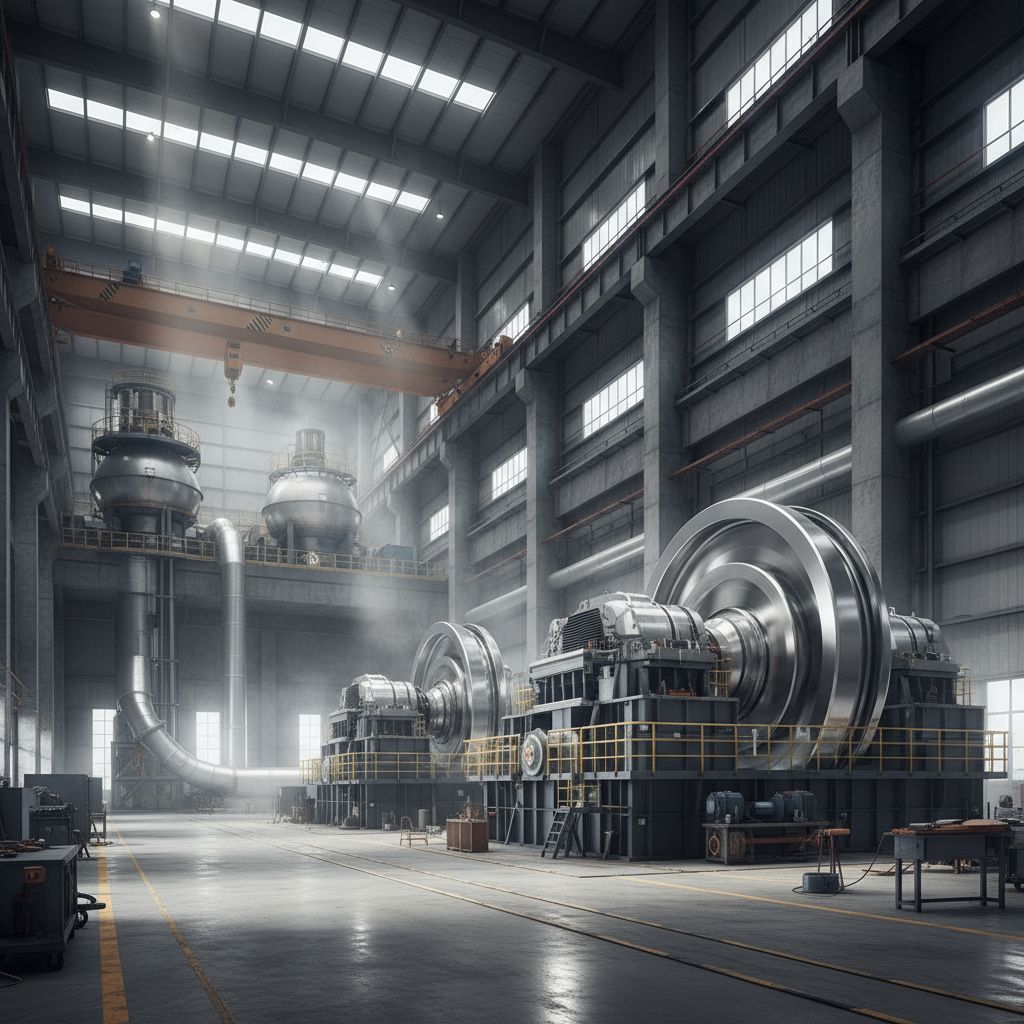
Pumped hydro storage (PHS) is the most mature and widely deployed form of large-scale energy storage. It functions by pumping water from a lower reservoir to a higher reservoir during periods of low demand (and often, excess renewable energy generation) and then releasing it back down through turbines to generate electricity when demand is high. PHS offers significant storage capacity and long lifespans. However, its deployment is geographically constrained, requiring suitable elevation differences and water availability. The upfront capital cost can also be substantial, though the long-term operating costs are relatively low. ACDC BESS provides complementary energy storage solutions that can address limitations of PHS.
Key Highlights: Pumped hydro is the most mature large-scale mechanical energy storage technology offering significant storage capacity and long lifespans.
Compressed Air Energy Storage (CAES): Harnessing Pneumatic Power
Compressed Air Energy Storage (CAES) involves compressing air and storing it in underground caverns (such as salt domes or abandoned mines). When electricity is needed, the compressed air is released, heated (typically using natural gas), and used to drive a turbine. CAES offers large-scale storage capability and can have lower costs than PHS in suitable geological locations. The need for fossil fuels for heating (in conventional CAES) is a significant drawback, but advanced adiabatic CAES (A-CAES) systems aim to store the heat generated during compression, eliminating the need for fossil fuels and improving efficiency.
CAES Benefits:
• Large-scale storage capacity
• Potentially lower costs than PHS (location dependent)
• Long lifespan
Flywheel Energy Storage: Kinetic Energy on Demand
Flywheel energy storage utilizes a rotating cylinder (the flywheel) to store kinetic energy. Energy is added by accelerating the flywheel, and energy is released by slowing it down. Flywheels are known for their rapid response times, high cycle life, and low maintenance. They are ideal for applications requiring short bursts of power, such as frequency regulation and power quality improvement. However, flywheels typically have lower energy density compared to PHS or CAES, making them less suitable for long-duration storage. ACDC BESS offers flywheels alongside other energy storage options to best suit client needs.
Comparing Mechanical Energy Storage Technologies
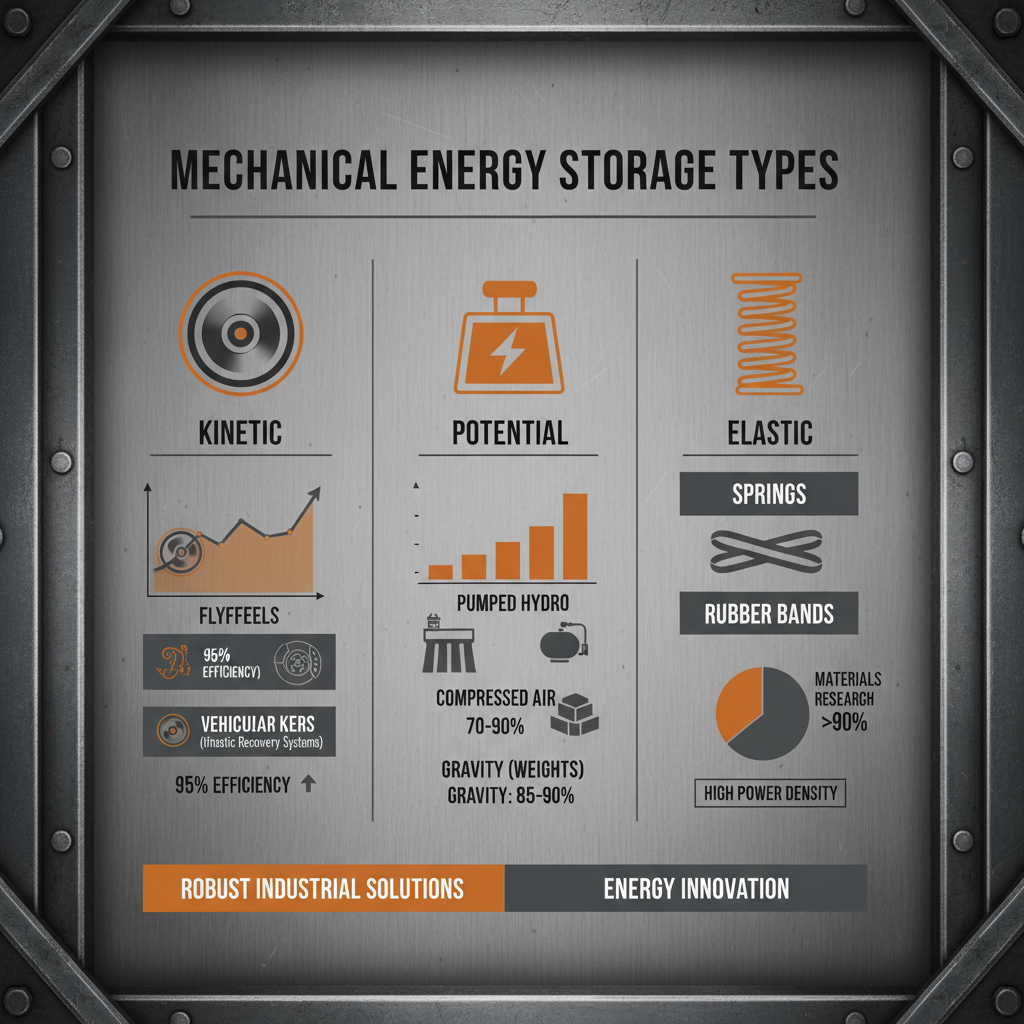
Choosing the right mechanical energy storage technology depends on specific application requirements. The table below summarizes key characteristics of the major types:
Emerging Technologies and Future Trends
Research and development continue to push the boundaries of mechanical energy storage. Gravity energy storage, utilizing the potential energy of raised weights, is gaining traction as a potentially low-cost and environmentally friendly option. Other innovative concepts, such as liquid air energy storage (LAES) and thermal energy storage, are also being explored. The integration of mechanical storage with renewable energy sources and smart grids will be crucial for creating a more sustainable and resilient energy future.
Conclusion: The Role of Mechanical Energy Storage
Mechanical energy storage offers a diverse and evolving toolkit for addressing the challenges of energy management. From the established reliability of pumped hydro to the emerging potential of gravity storage, these technologies play a vital role in building a cleaner, more efficient, and resilient energy system. ACDC BESS is committed to providing cutting-edge energy storage solutions, including mechanical options, to meet the evolving needs of our clients.
Frequently Asked Questions (FAQs)
What are the main advantages of mechanical energy storage over batteries?
Mechanical energy storage systems often boast longer lifespans and higher cycle lives compared to batteries. They can also be more environmentally friendly, especially when utilizing existing infrastructure (like abandoned mines for CAES). Furthermore, some mechanical storage technologies, such as PHS and CAES, offer very large-scale storage capacity that is currently difficult to achieve with batteries. However, batteries generally have higher energy density and faster response times in some applications.
What geological conditions are necessary for CAES?
CAES requires suitable geological formations for storing compressed air. Salt caverns, depleted natural gas fields, and abandoned hard rock mines are commonly used. The formation must be airtight and capable of withstanding high pressures. The proximity to a power plant and transmission infrastructure is also crucial to minimize energy losses during transport.
Is flywheel energy storage suitable for grid-scale applications?
While flywheels excel in short-duration, high-power applications (like frequency regulation), their lower energy density currently limits their suitability for large-scale, long-duration grid storage. However, advancements in flywheel technology, such as using composite materials and magnetic bearings, are increasing their energy density and making them more competitive for grid-scale deployments.
How does gravity energy storage work?
Gravity energy storage involves raising heavy weights (typically massive blocks of concrete or other materials) during periods of excess energy and lowering them to generate electricity when needed. This is similar in principle to pumped hydro, but uses solid weights instead of water. The system can be built underground or above ground, and is particularly attractive in locations with limited water resources.
-
Cedar Point EV Charging Solutions for Sustainable Tourism Experience
NewsApr.16,2026
-
Guide to Cedar Point Charging Stations for EV Park Visitors
NewsApr.16,2026
-
Acorn Stairlift Charging Point Guide for Home Mobility Optimization
NewsApr.16,2026
-
Integrating a Wireless Charging Point into Modern Infrastructure
NewsApr.16,2026
-
How to Optimize Your iPhone 14 Charging Point for Efficiency
NewsApr.16,2026
-
Analyzing the Charging Point Share Price Trends and Market Outlook
NewsApr.09,2026