


Apr . 04, 2026 01:55 Back to list
Exploring the Expanding Mechanical Energy Storage Market Size and Future Trends
The Growing Mechanical Energy Storage Market Size
The demand for energy storage solutions is rapidly increasing globally, driven by the need for reliable power, grid stabilization, and the integration of renewable energy sources. While electrochemical storage (batteries) dominates headlines, the mechanical energy storage market is gaining significant traction. This article delves into the current mechanical energy storage market size, key technologies, driving forces, and future trends. Understanding this evolving landscape is crucial for investors, businesses, and policymakers seeking to capitalize on this promising sector. We'll explore the different types of mechanical storage, their advantages, and where they fit within the broader energy storage ecosystem.
Understanding Mechanical Energy Storage Technologies
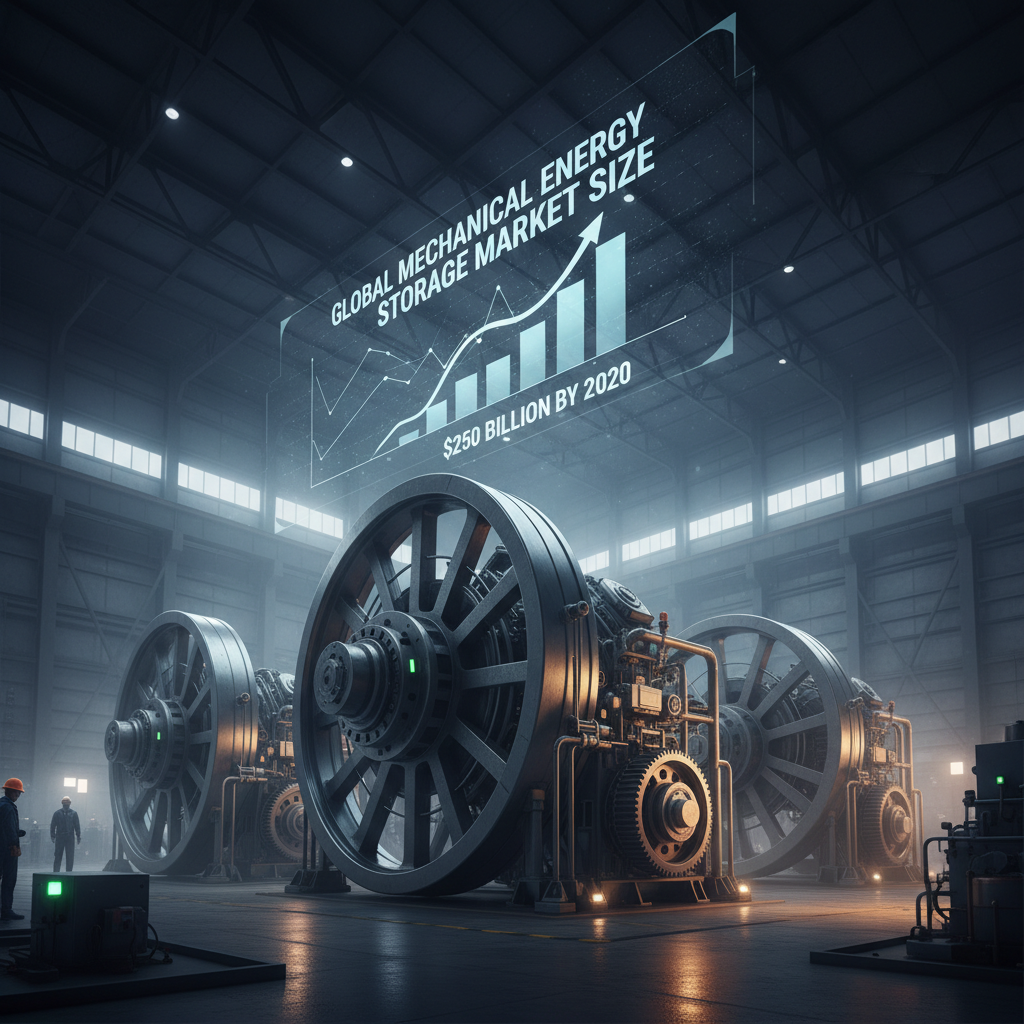
Mechanical energy storage encompasses several distinct technologies, each with unique characteristics. Pumped hydro storage (PHS) remains the dominant form, utilizing gravity to store energy by pumping water uphill to a reservoir. Flywheel energy storage (FES) employs rotating cylinders to store kinetic energy. Compressed air energy storage (CAES) uses compressed air in underground caverns. Finally, gravity energy storage (GES) leverages raised weights. Each technology offers different advantages in terms of capacity, response time, and cost, making them suitable for various applications. These technologies offer a viable alternative to chemical batteries in certain scenarios, particularly for long-duration storage.
Key Mechanical Storage Technologies: Pumped Hydro Storage, Flywheel Energy Storage, Compressed Air Energy Storage, Gravity Energy Storage. Each provides unique benefits regarding response time, storage duration, and cost.
Current Mechanical Energy Storage Market Size & Growth Projections
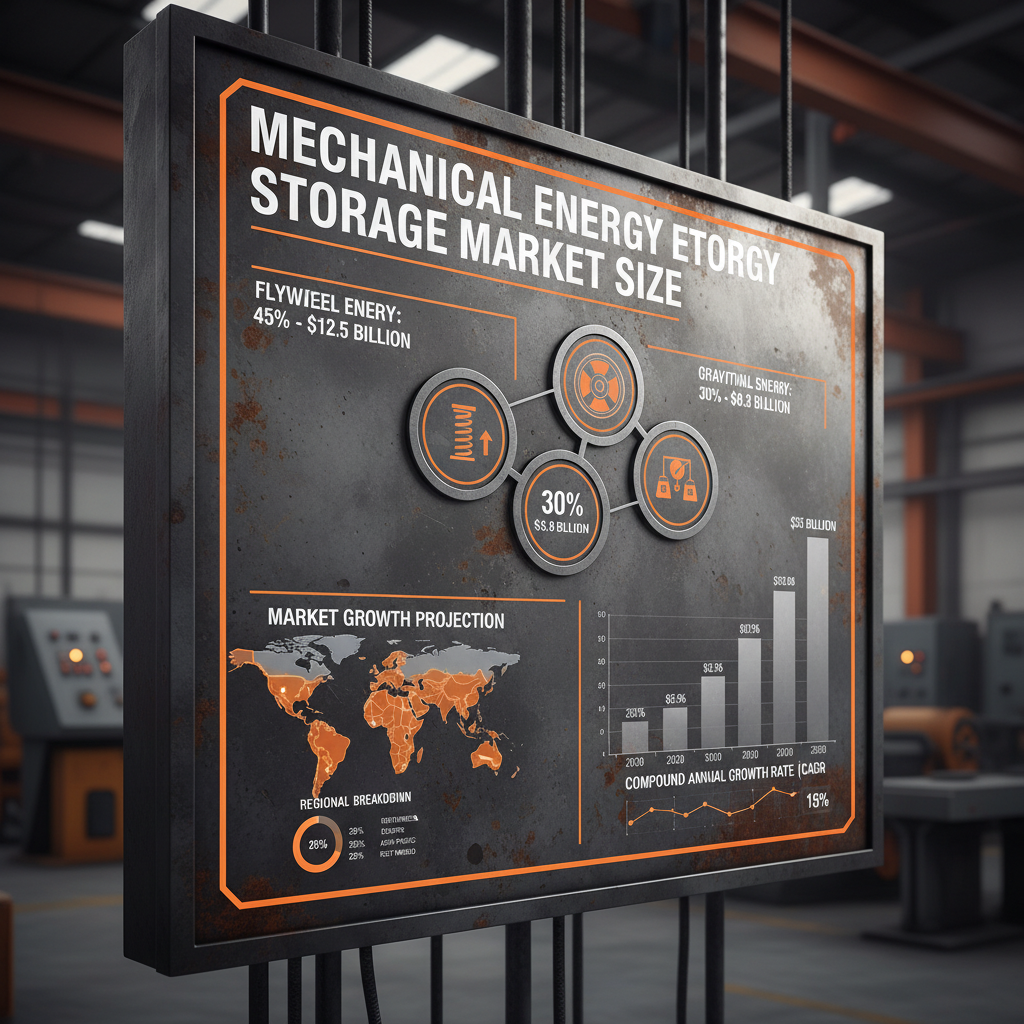
The global mechanical energy storage market was valued at approximately USD 14.7 billion in 2023. Driven by increasing renewable energy deployment and grid modernization efforts, the market is projected to reach USD 35.2 billion by 2033, exhibiting a compound annual growth rate (CAGR) of 8.5% during the forecast period (2024-2033). Pumped hydro storage currently accounts for the vast majority of this market, but newer technologies like gravity and CAES are experiencing rapid growth. North America and Europe currently lead in market share, but the Asia-Pacific region is expected to witness the highest growth rate due to increasing energy demand and supportive government policies. ACDC BESS provides cutting-edge mechanical energy storage solutions contributing to this expansion.
Market Growth Drivers:
• Increasing adoption of renewable energy sources.
• Growing need for grid stability and reliability.
• Government incentives and supportive policies.
• Declining costs of energy storage technologies.
Mechanical Energy Storage Technologies: A Comparative Analysis
Different mechanical energy storage technologies possess varying strengths and weaknesses. Pumped hydro offers large-scale capacity but requires specific geographical features. Flywheel storage provides fast response times but is limited in capacity. Compressed air storage provides moderate capacity and cost-effectiveness, but efficiency can be a concern. Gravity energy storage presents a scalable and environmentally friendly solution, but its technology is still maturing. The choice of technology depends on the specific application and grid requirements. Understanding these differences is critical for informed decision-making.
The Role of ACDC BESS in the Mechanical Energy Storage Sector
ACDC BESS is actively contributing to the advancement of mechanical energy storage solutions. We specialize in integrating mechanical storage with power conversion systems, optimizing efficiency and grid compatibility. Our expertise extends to the design, engineering, and deployment of customized solutions tailored to specific client needs. We offer innovative approaches to energy storage, ensuring a reliable and sustainable energy future. ACDC BESS is committed to delivering cutting-edge solutions that address the evolving challenges of the energy landscape.
Future Trends and Challenges in the Market
The mechanical energy storage market is poised for continued growth, driven by advancements in technology and increasing demand for sustainable energy solutions. Key trends include the development of more efficient CAES systems, the scaling up of gravity energy storage projects, and the integration of mechanical storage with hybrid energy storage systems. However, challenges remain, including the high upfront costs of some technologies and the geographical limitations of PHS. Overcoming these challenges will require continued innovation, supportive policies, and strategic investments. The future of mechanical energy storage is bright, offering a valuable contribution to a cleaner and more resilient energy grid.
Conclusion
The mechanical energy storage market is experiencing substantial growth, fueled by the global transition to renewable energy. Technologies like pumped hydro, flywheel, CAES, and gravity storage offer unique benefits, and companies like ACDC BESS are leading the way in innovation and deployment. Addressing challenges and embracing emerging trends will unlock the full potential of mechanical energy storage for a sustainable future.
Frequently Asked Questions (FAQs)
What are the primary benefits of mechanical energy storage over battery storage?
Mechanical energy storage often boasts longer lifespans and lower degradation rates compared to batteries. Certain technologies, like pumped hydro, offer significantly higher capacity for long-duration storage. Furthermore, many mechanical storage systems utilize readily available and environmentally benign materials, reducing reliance on critical minerals. While batteries excel in energy density and rapid response times, mechanical storage provides a cost-effective and sustainable alternative for grid-scale applications requiring long-duration storage capabilities. The choice depends on the specific application and priorities.
How does geographic location impact the feasibility of mechanical energy storage projects?
Geographic location plays a crucial role, particularly for pumped hydro and CAES. Pumped hydro requires significant elevation differences and access to water reservoirs. CAES necessitates suitable geological formations, such as underground caverns, for air storage. Gravity energy storage can be more flexible but still benefits from suitable terrain. Careful site selection and detailed geological surveys are essential for ensuring project feasibility and minimizing environmental impact. The availability of land and grid connection infrastructure are also important considerations.
What is the current level of investment in mechanical energy storage research and development?
Investment in mechanical energy storage R&D is growing, albeit at a slower pace than battery storage. Government funding programs and private sector initiatives are focusing on improving the efficiency, cost-effectiveness, and scalability of technologies like gravity storage and advanced CAES. Research is also underway to explore new materials and designs for flywheel systems. While historically dominated by pumped hydro, the landscape is diversifying with increased interest in innovative mechanical storage solutions. ACDC BESS actively invests in R&D to push the boundaries of mechanical storage technology.
What are the environmental considerations associated with mechanical energy storage?
Environmental impacts vary depending on the technology. Pumped hydro can alter water flow patterns and affect aquatic ecosystems. CAES may require careful management of compressed air emissions. Gravity storage requires responsible sourcing of materials for weight construction. However, compared to fossil fuel-based power generation, mechanical energy storage generally has a lower environmental footprint. Proper environmental impact assessments and mitigation strategies are crucial for minimizing potential negative effects. Sustainable design and construction practices are also essential.
-
Cedar Point EV Charging Solutions for Sustainable Tourism Experience
NewsApr.16,2026
-
Guide to Cedar Point Charging Stations for EV Park Visitors
NewsApr.16,2026
-
Acorn Stairlift Charging Point Guide for Home Mobility Optimization
NewsApr.16,2026
-
Integrating a Wireless Charging Point into Modern Infrastructure
NewsApr.16,2026
-
How to Optimize Your iPhone 14 Charging Point for Efficiency
NewsApr.16,2026
-
Analyzing the Charging Point Share Price Trends and Market Outlook
NewsApr.09,2026