


Apr . 04, 2026 01:55 Back to list
Exploring the Growth and Future of the Mechanical Energy Storage Industry
The Growing Mechanical Energy Storage Industry
The demand for efficient and reliable energy storage solutions is skyrocketing, driven by the global shift towards renewable energy sources and the increasing need for grid stability. While electrochemical storage (batteries) often dominates the conversation, mechanical energy storage is emerging as a compelling alternative, particularly for long-duration storage applications. This article will explore the current state of the mechanical energy storage industry, its key technologies, market trends, and future outlook. Understanding these trends is vital for investors, energy professionals, and anyone interested in the future of energy.
Understanding Mechanical Energy Storage Technologies
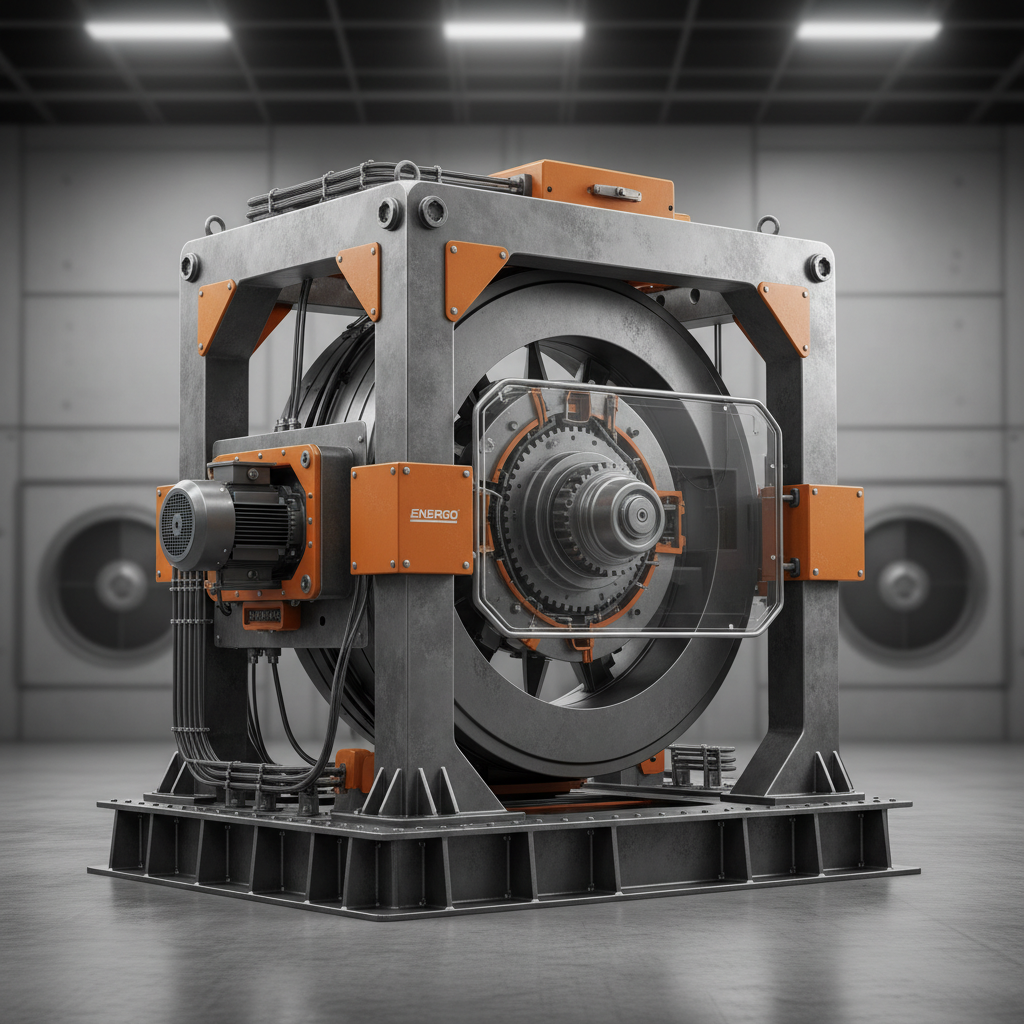
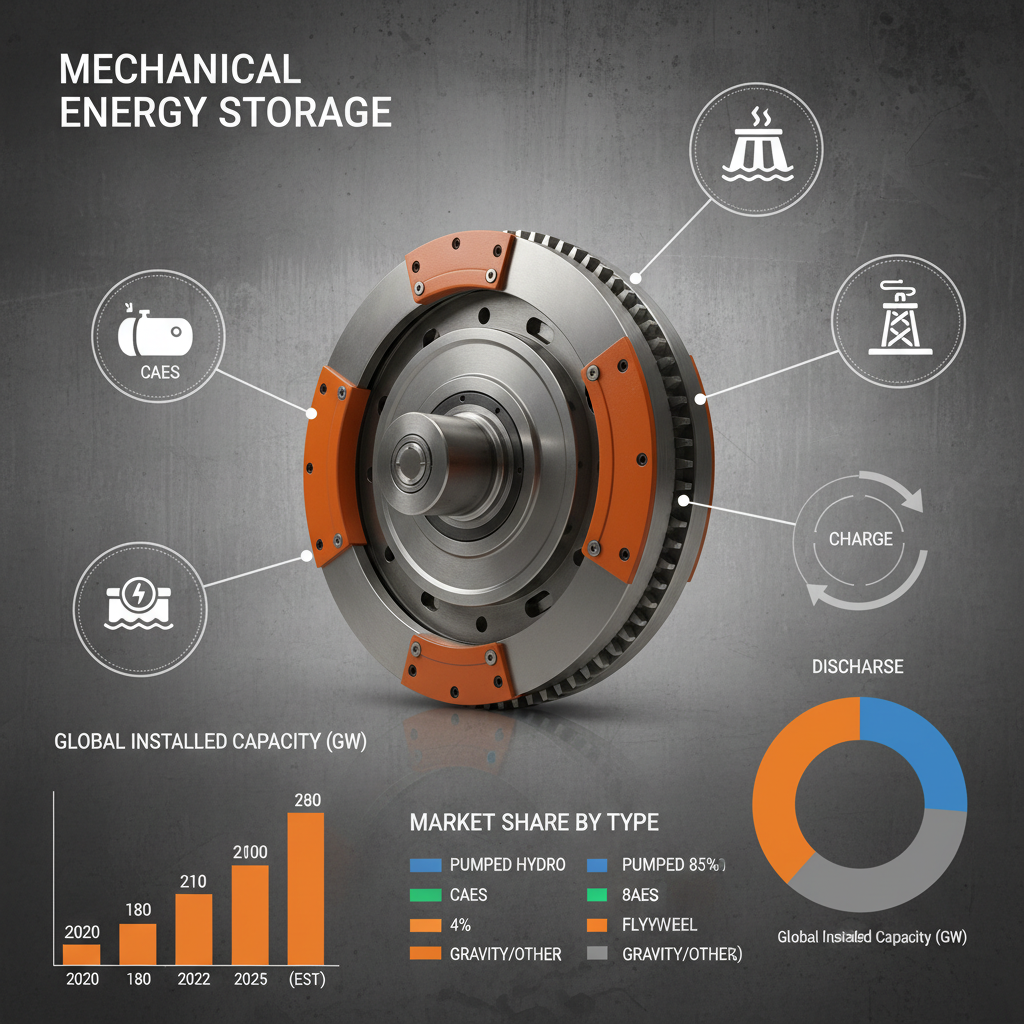
Mechanical energy storage encompasses several distinct technologies, each with its own strengths and weaknesses. These include Pumped Hydro Storage (PHS), Compressed Air Energy Storage (CAES), and Flywheel Energy Storage. PHS is the most mature and widely deployed technology, utilizing gravitational potential energy by pumping water uphill to a reservoir and releasing it through turbines to generate electricity. CAES stores energy by compressing air into underground caverns and releasing it to drive turbines. Flywheels store energy in a rotating mass, offering rapid response times but typically limited duration. ACDC BESS specializes in integrating advanced mechanical systems with energy storage solutions for optimized performance.
Key Technologies: PHS, CAES, and Flywheel Energy Storage offer distinct advantages for various energy storage applications.
Pumped Hydro Storage: The Dominant Force
Pumped Hydro Storage currently accounts for over 90% of global grid-scale energy storage capacity. Its advantages include high capacity, long lifespan (50+ years), and relatively low cost per kilowatt-hour (kWh). However, PHS is geographically constrained, requiring suitable elevation differences and water availability. Furthermore, environmental concerns related to dam construction and ecosystem impacts are significant hurdles. ACDC BESS is actively involved in developing innovative PHS solutions that minimize environmental impact and expand geographic applicability.
PHS Benefits:
• High Capacity and Long Lifespan
• Relatively Low Cost per kWh
• Mature and Proven Technology
Compressed Air Energy Storage (CAES) – A Promising Alternative
CAES offers a viable alternative to PHS, particularly in locations lacking suitable hydro resources. It involves compressing air into underground caverns (salt domes, abandoned mines) and releasing it to drive turbines when electricity is needed. Traditional CAES systems rely on natural gas to heat the compressed air, reducing overall efficiency. However, advanced Adiabatic CAES (A-CAES) systems store the heat generated during compression and reuse it during expansion, significantly improving efficiency and reducing reliance on fossil fuels. ACDC BESS is focusing on A-CAES integration to provide sustainable and cost-effective energy storage.
Market Trends and Future Outlook for Mechanical Energy Storage
The mechanical energy storage industry is poised for significant growth in the coming decades. Driven by increasing demand for long-duration energy storage, supportive government policies, and advancements in technology, the market is expected to expand rapidly. Analysts predict a substantial increase in CAES and flywheel deployments, alongside continued development of optimized PHS projects. The key to unlocking the full potential of mechanical energy storage lies in innovation, cost reduction, and environmental sustainability.
ACDC BESS: Pioneering Solutions in Mechanical Energy Storage
ACDC BESS is dedicated to developing and deploying innovative energy storage solutions, including advanced mechanical energy storage systems. We focus on integrating cutting-edge technologies to enhance efficiency, reduce costs, and minimize environmental impact. Our expertise encompasses project development, engineering, procurement, construction, and operation & maintenance. Contact us today to learn how we can help you meet your energy storage needs.
Conclusion: The Future is Mechanical
The mechanical energy storage industry is a crucial component of the evolving energy landscape. As the demand for reliable, long-duration storage increases, mechanical solutions will play an increasingly vital role in ensuring grid stability and enabling the widespread adoption of renewable energy. Investing in these technologies is an investment in a sustainable future.
Frequently Asked Questions (FAQs)
What are the primary advantages of mechanical energy storage over battery storage?
Mechanical energy storage generally boasts a longer lifespan and lower degradation rate compared to battery technologies. While batteries degrade with each charge/discharge cycle, many mechanical systems, like PHS and CAES, have lifespans exceeding 50 years with minimal capacity fade. Furthermore, mechanical systems can often be more cost-effective for long-duration storage applications (e.g., storing energy for days or weeks) due to their lower per-kWh cost. However, battery technologies typically offer faster response times and greater flexibility in deployment location.
What are the main environmental concerns associated with Pumped Hydro Storage?
The primary environmental concerns surrounding PHS include alterations to natural water flow, potential impacts on aquatic ecosystems, and land use requirements for reservoir construction. Building large dams can disrupt river ecosystems and affect fish migration patterns. Additionally, the flooding of land to create reservoirs can lead to habitat loss and displacement. Careful site selection, mitigation measures, and sustainable design practices are crucial to minimize these environmental impacts.
How does ACDC BESS contribute to the advancement of mechanical energy storage technologies?
ACDC BESS is at the forefront of innovation in mechanical energy storage. We are actively developing and implementing advanced A-CAES systems, focusing on maximizing efficiency and minimizing environmental impact. We also provide comprehensive engineering, procurement, and construction services for PHS and flywheel projects, ensuring reliable and cost-effective energy storage solutions tailored to our clients' specific needs.
-
Cedar Point EV Charging Solutions for Sustainable Tourism Experience
NewsApr.16,2026
-
Guide to Cedar Point Charging Stations for EV Park Visitors
NewsApr.16,2026
-
Acorn Stairlift Charging Point Guide for Home Mobility Optimization
NewsApr.16,2026
-
Integrating a Wireless Charging Point into Modern Infrastructure
NewsApr.16,2026
-
How to Optimize Your iPhone 14 Charging Point for Efficiency
NewsApr.16,2026
-
Analyzing the Charging Point Share Price Trends and Market Outlook
NewsApr.09,2026