Look, I've been on construction sites for fifteen years, getting my hands dirty alongside the engineers and the crews. And let me tell you, understanding dc/ac power solutions isn't some theoretical exercise; it’s about getting the job done, safely and efficiently. It's about powering tools, lighting up remote sites, and keeping everything running when the grid goes down. More and more projects, especially in renewables and off-grid applications, rely on having a solid grasp of how dc and ac power interact. It impacts everything from cost to timelines, and frankly, it’s become non-negotiable.
The global demand for reliable power is only going up. The UN estimates that billions still lack access to electricity, and a huge chunk of that is in areas where extending the traditional grid is simply too expensive or impractical. That’s where dc/ac solutions, particularly microgrids and portable power systems, come into play. The World Bank is heavily investing in infrastructure projects in developing nations, often prioritizing resilient, decentralized power. It’s not just about developing countries either; here in the US, the increasing frequency of extreme weather events is driving demand for backup power solutions capable of seamless transitions between dc sources like solar and ac loads.
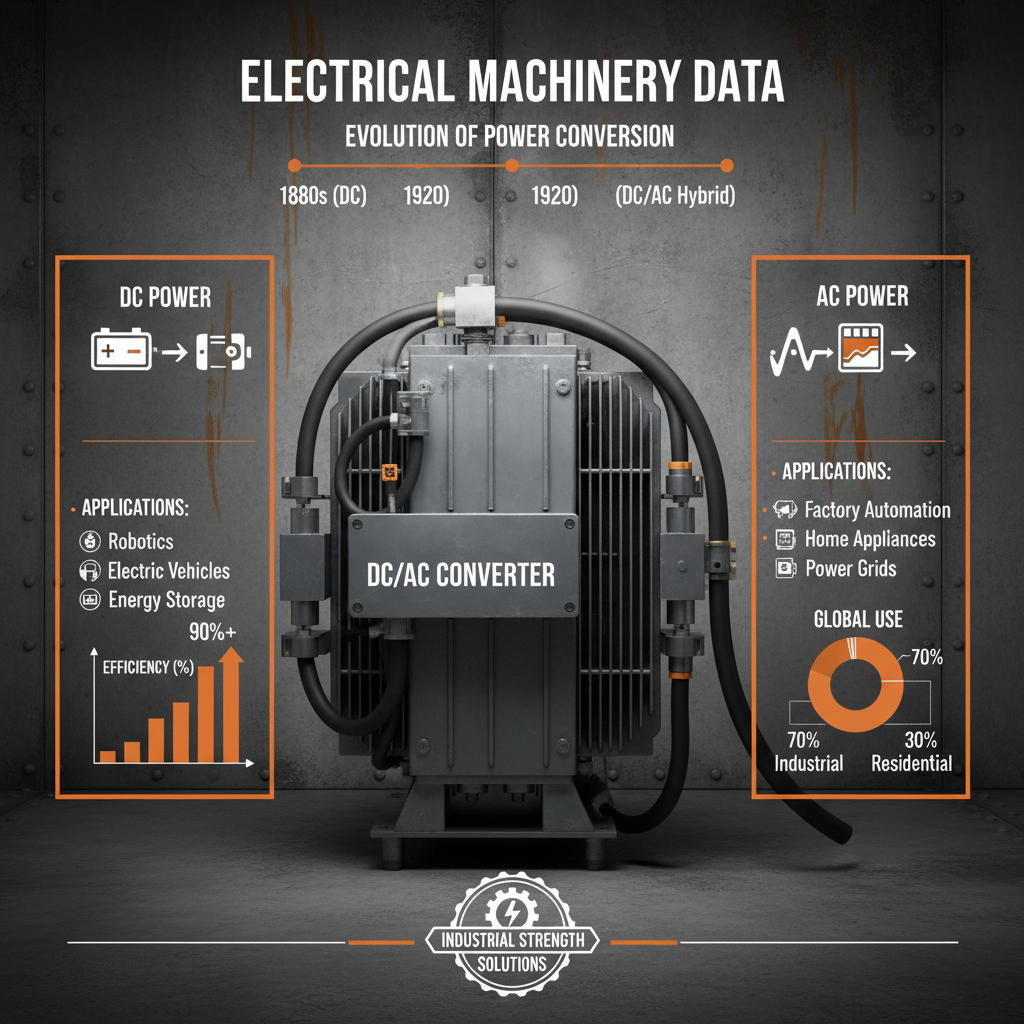
Simply put, dc/ac is the conversion between direct current (dc), where electricity flows in one direction, and alternating current (ac), where the flow reverses periodically. Think of dc as the power stored in a battery, and ac as what comes out of your wall socket. Modern industry needs both, and understanding how to efficiently and reliably switch between them – and often combine them – is the key to powering a huge range of applications, from electric vehicles to data centers, and increasingly, sustainable construction projects.
The Importance of dc/ac in Modern Power Systems
I’ve seen firsthand how crucial a reliable power supply is on a jobsite. Every delay costs money. But it’s not just about keeping the lights on. Efficient dc/ac conversion directly impacts the performance of the tools we use – from welding equipment to precision instruments. Poor conversion leads to power loss, reduced efficiency, and ultimately, increased costs. It’s a core consideration for anyone running a modern, large-scale operation.
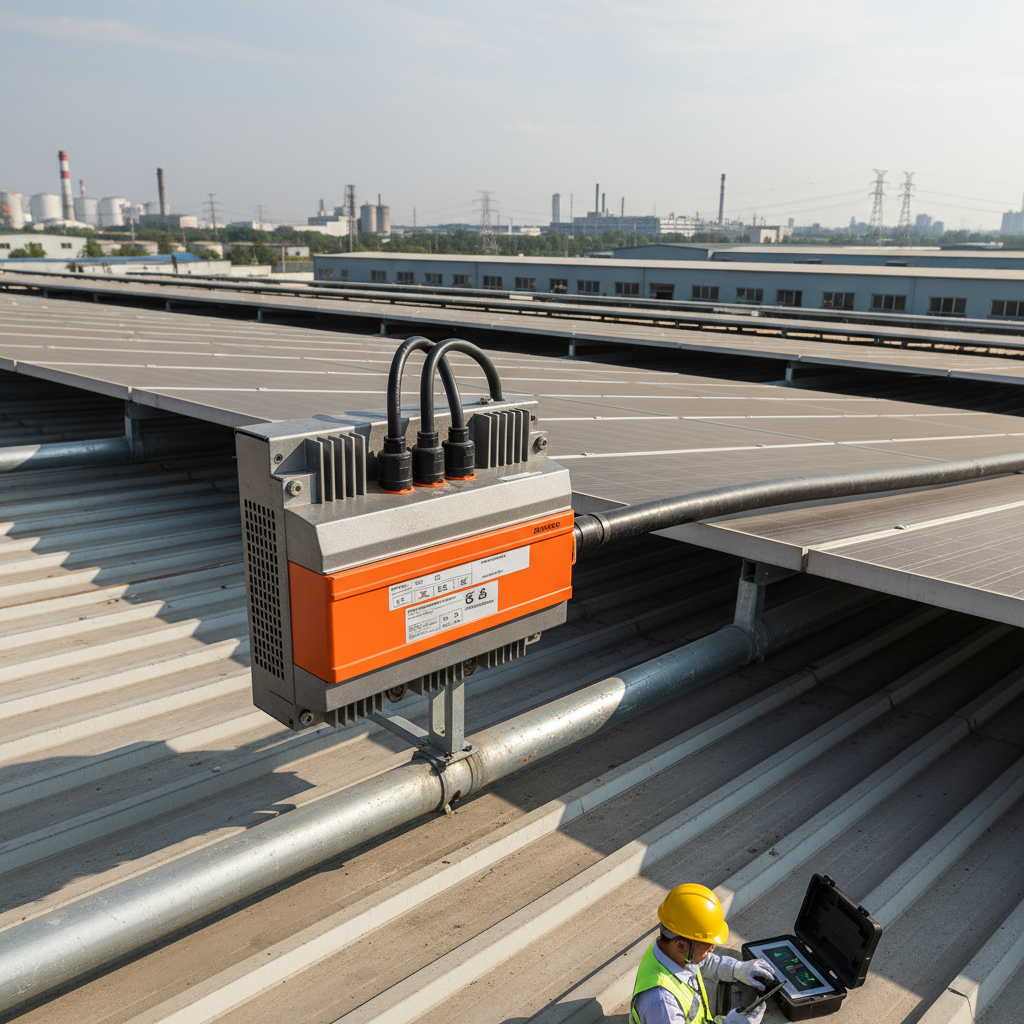
We're seeing a big push toward integrating more renewable energy sources like solar. Solar panels generate dc power, but most of our equipment runs on ac. That means you need a robust and reliable inverter—the device that converts dc to ac—to make it all work. And that inverter needs to be able to handle fluctuating power levels and deliver a clean, stable ac signal. Otherwise, you’re looking at equipment damage and project delays.
Defining dc/ac and Its Industrial Relevance
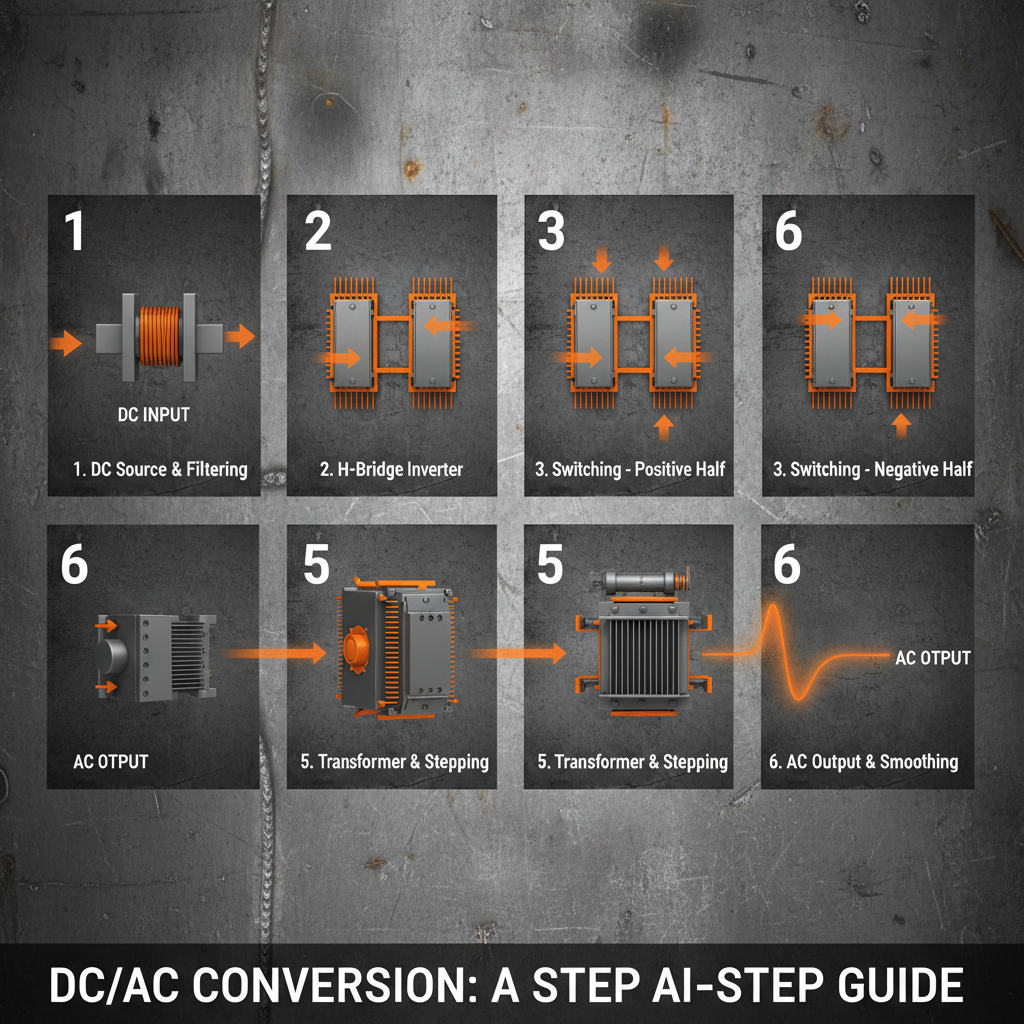
Alright, let's break it down. Direct Current, or dc, is electricity flowing in one direction, like a river. Batteries, solar panels – they all produce dc. Alternating Current, ac, is electricity that reverses direction periodically. That’s what comes out of the grid. The ‘conversion’ part – dc/ac – is about changing one form of power into the other. Inverters do the dc-to-ac thing, and rectifiers do the ac-to-dc thing.
In the field, it's about matching the power source to the load. A lot of modern equipment, especially electronics, internally convert ac back to dc to operate. That adds inefficiency and heat. Optimizing the entire system – from generation to usage – means minimizing these conversions. Smart power management systems are now doing this dynamically, figuring out the most efficient way to deliver power.
This isn’t just about efficiency either; it’s about safety. Proper dc/ac conversion ensures that the voltage and frequency are compatible with the equipment, preventing damage and reducing the risk of electrical hazards on site. We’re dealing with high voltages and currents out there, and a misconfigured system can have serious consequences.
Core Components and Factors of dc/ac Conversion
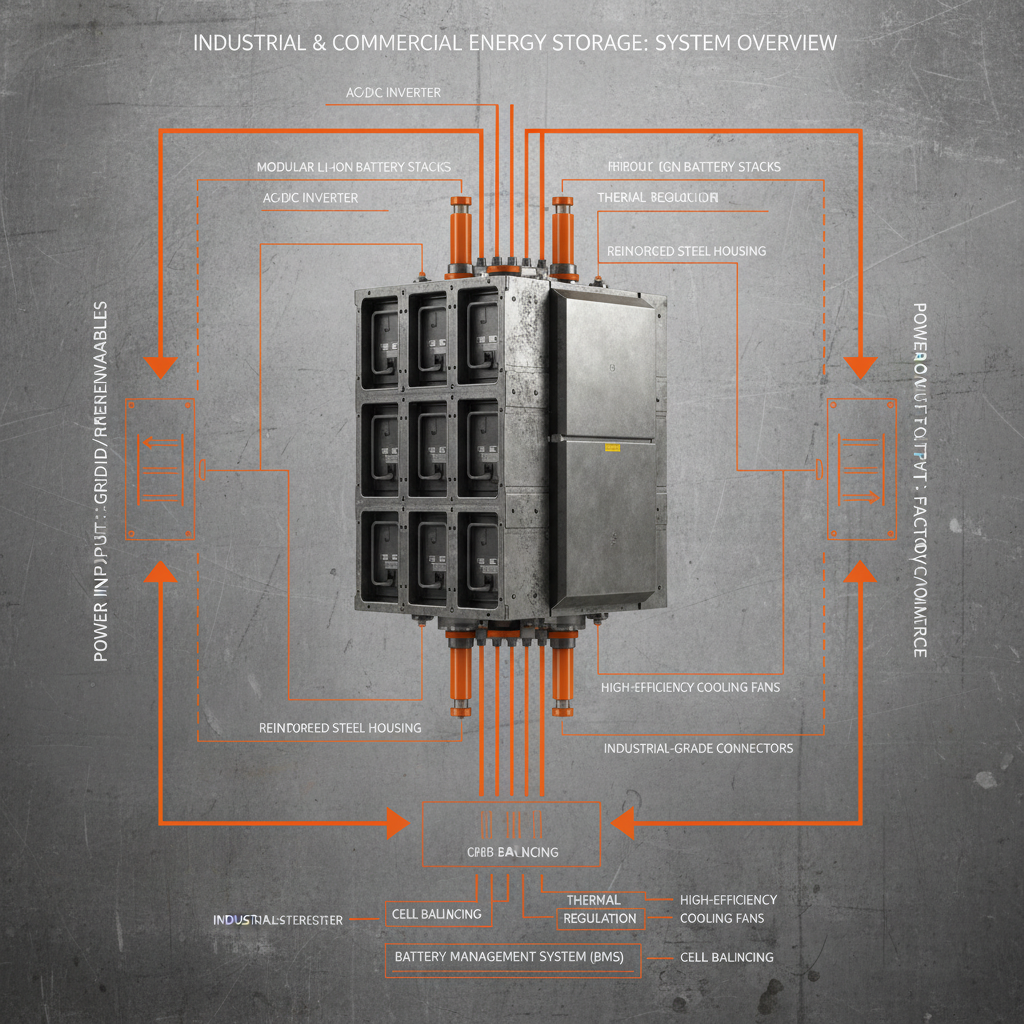
First, you’ve got the inverter itself – the workhorse of the operation. The quality of the components inside, like the semiconductors and transformers, directly impacts efficiency, reliability, and lifespan. Then there’s the control system, which regulates the voltage and frequency of the output. It needs to be responsive and accurate to handle varying loads.
Another critical factor is harmonic distortion. Inverters aren't perfect; they can introduce unwanted frequencies into the ac waveform. High harmonic distortion can damage sensitive equipment and reduce system efficiency. Good inverters minimize this, and we often use filters to clean up the signal further. Also, think about cooling. These things generate a lot of heat, especially at high power levels, so effective thermal management is essential.
Finally, don't underestimate the importance of protection circuits. Over-voltage, under-voltage, over-current, short-circuit – these things happen. A well-designed dc/ac system includes robust protection to prevent damage and ensure safety. It's about building redundancy into the system, because when things go wrong on a jobsite, you need to be able to rely on the power.
Practical Applications of dc/ac Technology
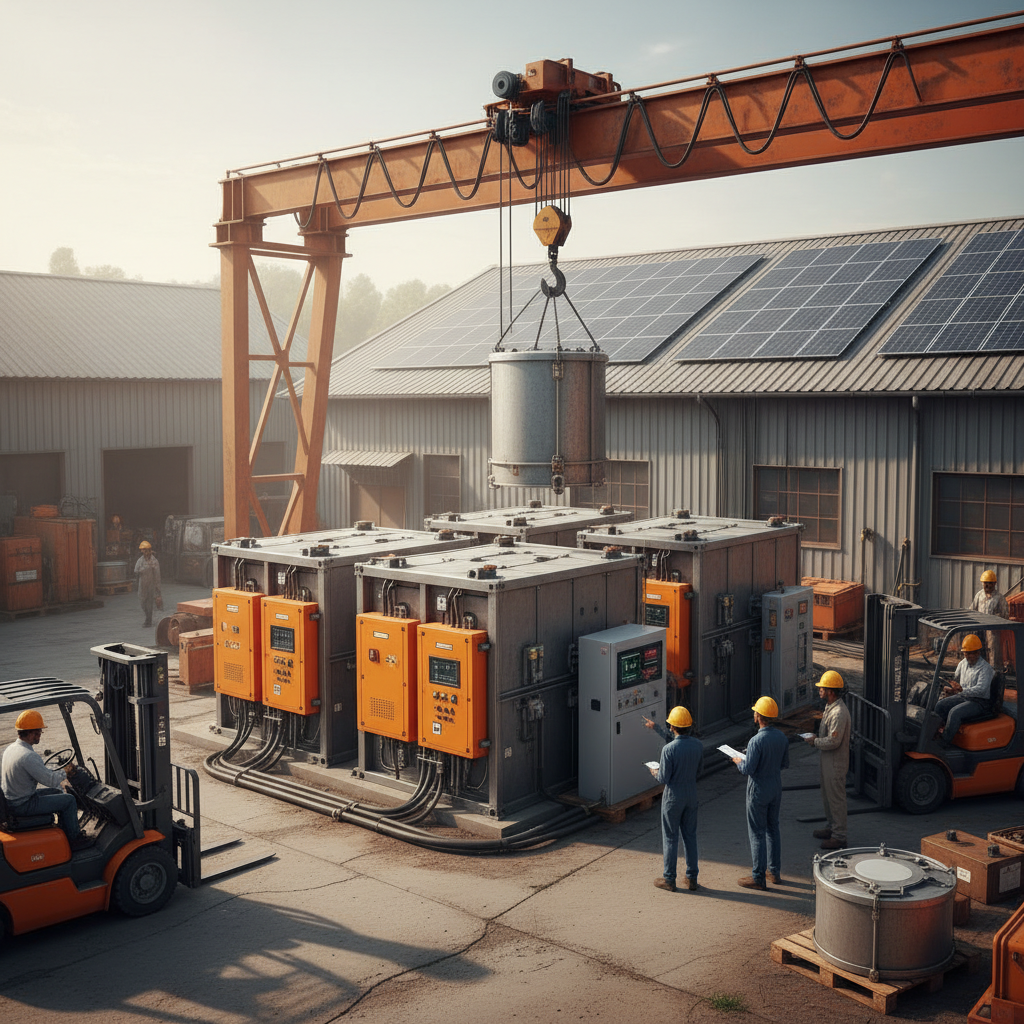
I’ve used dc/ac inverters everywhere, from powering lights and tools on remote construction sites to building microgrids for entire villages. One project I worked on in the Caribbean involved setting up a solar-powered water purification system. It was entirely dc-based, with inverters stepping up to ac to run the pumps. Without reliable dc/ac conversion, that project wouldn’t have been possible.
Another big application is in electric vehicle charging. EVs run on dc, but the grid delivers ac. So, you need a charger that converts ac to dc and regulates the voltage to charge the battery. We're even seeing dc fast chargers popping up that deliver dc directly to the battery, bypassing the onboard charger and significantly reducing charging times.
dc/ac Conversion Efficiency by Method
The Advantages and Long-Term Value of dc/ac Solutions
The biggest advantage, hands down, is flexibility. You can combine different power sources – solar, wind, batteries, the grid – and use the best source for the job. That's a huge cost saver in the long run. And let's be real, sustainability is no longer optional. Using dc/ac systems to integrate renewable energy sources reduces our carbon footprint and makes projects more environmentally responsible.
There’s also the reliability factor. With a well-designed microgrid, you're less vulnerable to grid outages. That means less downtime, fewer delays, and increased productivity. It's an investment that pays for itself. Plus, the peace of mind knowing you have a backup power source is priceless.
Future Trends and Innovations in dc/ac Power
We’re starting to see a move towards more sophisticated grid-tied inverters that can not only convert dc to ac but also provide grid support functions, like voltage regulation and frequency control. That's a game-changer for integrating renewables into the grid. And solid-state transformers are going to be huge; they’re smaller, lighter, and more efficient than traditional transformers.
Also, the development of wide-bandgap semiconductors, like silicon carbide and gallium nitride, is pushing the limits of inverter efficiency and power density. These materials can handle higher voltages and temperatures, allowing for smaller, more powerful inverters. It's all about pushing the boundaries of what's possible.
Challenges and Solutions in dc/ac Implementation
One of the biggest challenges is cost. Good quality inverters aren't cheap. But you get what you pay for. Cutting corners on quality will lead to problems down the road. Another challenge is compatibility. Making sure all the components in the system work together seamlessly requires careful planning and coordination.
We're also seeing issues with grid interconnection standards. Sometimes, it's difficult to get approval to connect a microgrid to the utility grid. But these standards are evolving, and we're working with regulators to streamline the process. And honestly, skilled labor is a big issue. We need more electricians and engineers who understand dc/ac systems.
I’ve found that proactive maintenance and monitoring are key. Using remote monitoring systems to track inverter performance and identify potential problems before they cause downtime is a smart investment. It's about being proactive, not reactive.
Overview of Common dc/ac Implementation Issues and Mitigation Strategies
| Issue Category |
Description of Issue |
Severity Level (1-5) |
Mitigation Strategy |
| Inverter Failure |
Sudden shutdown of the inverter, leading to power loss. |
4 |
Redundant inverter system, regular maintenance checks. |
| Harmonic Distortion |
Unwanted frequencies introduced into the ac waveform, damaging equipment. |
3 |
Employ harmonic filters, use high-quality inverters. |
| Voltage Fluctuations |
Unstable voltage levels impacting sensitive equipment. |
2 |
Voltage regulators, dynamic load balancing. |
| Communication Issues |
Loss of communication between system components. |
3 |
Robust communication protocols, redundant communication paths. |
| Grid Interconnection Problems |
Difficulty connecting a microgrid to the utility grid. |
2 |
Collaborate with utility companies, adhere to interconnection standards. |
| Thermal Overload |
Excessive heat build-up in components, reducing performance and lifespan. |
4 |
Effective cooling systems, thermal monitoring. |
FAQS
Honestly, it’s underestimating the importance of proper grounding and surge protection. You’re dealing with high voltages and currents, and if you don’t protect your equipment, it will fail. A well-designed grounding system and quality surge suppressors are essential for safety and reliability. It's not glamorous, but it's critical.
You gotta look at the power requirements of your load, the input voltage from your dc source, and the output voltage you need. Also, consider the total harmonic distortion (THD) – you want a low THD for sensitive equipment. And don’t forget about efficiency – a higher efficiency inverter will save you money in the long run. It’s a balancing act, but there are resources online to help you spec it out correctly.
Not necessarily. Sometimes you're paying for features you don't need. But generally, a higher-quality inverter will have better components, a more robust design, and a longer lifespan. It’s about finding the sweet spot between cost and performance for your specific application. Don’t just go for the cheapest option – you’ll likely regret it.
Regular visual inspections are key – look for loose connections, corrosion, or any signs of damage. Check the cooling fans to make sure they’re working properly. And you should periodically test the inverter’s performance and check the voltage and frequency of the output. Preventative maintenance is much cheaper than repairing a broken system.
Start with a high-efficiency inverter. Then, minimize the distance between the dc source and the inverter – long cable runs introduce losses. Also, optimize the load – avoid running equipment that's oversized for the task. And consider using power factor correction to improve the efficiency of your ac loads. Little things add up.
Always disconnect the power before working on any electrical equipment. Use insulated tools and wear appropriate personal protective equipment (PPE), like gloves and safety glasses. And if you're not comfortable working with electricity, hire a qualified electrician. Don't take any chances – electricity can be dangerous.
Conclusion
Ultimately, dc/ac power isn't just about converting electricity; it’s about enabling a more efficient, reliable, and sustainable future. From powering remote communities to integrating renewables into the grid, understanding these systems is vital. It’s not always glamorous work, but it's essential, and it's becoming more critical every day.
I encourage anyone involved in construction, renewable energy, or power systems to dive deeper into this field. Invest in training, stay up-to-date on the latest technologies, and prioritize safety. And if you’re looking for a partner to help you design and implement a dc/ac solution, visit our website at acdcbess.com – we’ve got the experience and expertise to get the job done right.