


Apr . 09, 2026 01:55 Back to list
Guide to Choosing the Best home charging point for Your EV
The Ultimate Guide to Choosing a Home Charging Point for Your EV
Transitioning to an electric vehicle (EV) is a significant step toward a sustainable future, but the convenience of ownership truly begins with a reliable home charging point. While public infrastructure is growing, the ability to wake up to a fully charged battery every morning eliminates "range anxiety" and significantly reduces long-term fuel costs. Investing in a high-quality residential charging solution not only enhances your daily driving experience but also adds tangible value to your property. In this guide, we will explore everything from installation basics to technical specifications, helping you find the perfect energy solution for your home.
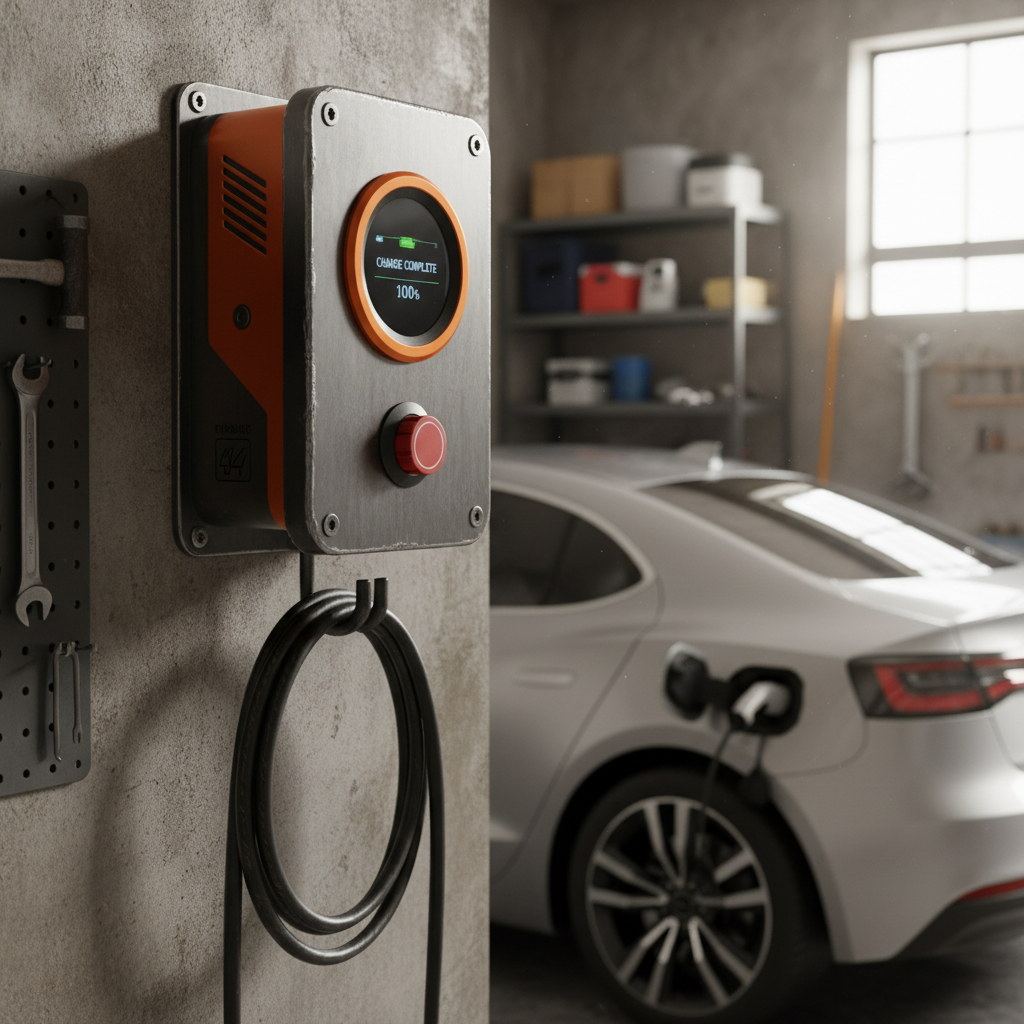
Why You Need a Dedicated Home Charging Point
Many new EV owners start by using the "granny cable" or a standard three-pin socket. However, these are designed for emergency use or very low-mileage drivers. A dedicated home charging point provides a faster, safer, and more efficient way to replenish your vehicle's energy. Standard sockets are not built for the prolonged high-current draw required by an EV, which can lead to overheating. A professional wallbox installation ensures that your electrical system can handle the load safely while maximizing the charging speed of your vehicle's onboard charger.
Pro Tip: Installing a smart charger allows you to schedule charging during "off-peak" hours, significantly lowering your monthly electricity bills by utilizing cheaper night-time tariffs.
Comparing Types of Home Charging Point Solutions
Not all charging solutions are created equal. Depending on your budget, your car's capacity, and your home's electrical setup, you may choose between Level 1, Level 2, or integrated solar-powered systems. For most homeowners, a Level 2 home charging point is the gold standard, offering the best balance between installation cost and charging speed. Below is a detailed comparison to help you visualize the differences in performance and utility.
Key Factors When Selecting Your Home Charging Point
Choosing the right hardware involves more than just looking at the price tag. You must consider compatibility with your vehicle's connector (Type 1 or Type 2) and the maximum amperage your home's electrical panel can support. A high-quality home charging point should offer weatherproofing (IP ratings) if installed outdoors, and ideally, a mobile app for remote monitoring. Many users are now opting for "smart" chargers that can communicate with solar inverters to ensure their car is powered by 100% renewable energy.
Buyer's Checklist:
• Check your car's maximum AC charging capacity
• Verify the IP rating for outdoor durability (IP54 or higher)
• Look for built-in safety protections (Over-voltage, Over-current)
• Ensure compatibility with your local electrical grid standards
Integration with Solar and Battery Storage
The true potential of a home charging point is realized when paired with a BESS (Battery Energy Storage System) and solar panels. By storing excess solar energy during the day and using it to charge your vehicle at night, you can achieve near-zero energy costs. This "ecosystem" approach reduces the strain on the national grid and ensures your mobility is decoupled from fluctuating electricity prices. Modern smart chargers can automatically adjust the charging rate based on the real-time solar output of your roof.
Installation Process and Technical Specifications
Installing a professional-grade home charging point typically requires a certified electrician to install a dedicated circuit breaker and a heavy-duty cable. The technical specifications vary by model, but most high-efficiency units focus on minimizing energy loss during conversion. Below are the typical technical specifications you will encounter when browsing professional energy solutions.
Maintenance and Long-term Care
To ensure your home charging point operates at peak efficiency for a decade or more, simple maintenance is key. Regularly check the charging cable for signs of wear, fraying, or kinks, as damaged cables can compromise safety. Ensure the connector pins are clean and free of debris. For outdoor units, occasionally wiping down the chassis and checking the seal integrity prevents moisture ingress. Most modern units perform self-diagnostic tests, but a professional electrical check-up every few years is recommended to ensure all connections remain tight and secure.
Conclusion: Empower Your Journey with the Right Home Charging Point
Investing in a dedicated home charging point is the most effective way to maximize the benefits of owning an electric vehicle. From the sheer convenience of overnight charging to the environmental and financial gains of solar integration, the right charger transforms your home into a personal fueling station. By prioritizing safety, speed, and smart technology, you not only enhance your current lifestyle but also future-proof your home for the next generation of electric mobility. Choose a solution that grows with you and drives you toward a cleaner tomorrow.
Frequently Asked Questions (FAQs)
How long does it take to fully charge an EV with a home charging point?
The charging time depends on the capacity of your vehicle's battery and the power output of your charger. A standard Level 2 home charging point (typically 7kW) can usually charge a typical EV battery from 10% to 100% in 8 to 12 hours. This makes it ideal for overnight charging. In contrast, a standard wall socket (Level 1) could take several days to achieve the same result. To speed up the process, ensure your vehicle's onboard charger is compatible with the maximum output of your installed wallbox.
Can I install a home charging point myself?
It is strongly recommended that you hire a certified electrician for the installation of a home charging point. EV chargers require a dedicated high-voltage circuit and specific safety components, such as Residual Current Devices (RCDs), to prevent electrical shocks and fires. Incorrect installation can void your vehicle's warranty, invalidate your home insurance, and pose a severe safety risk. A professional will also ensure that your home's main electrical panel can support the additional load without tripping breakers.
What is the difference between Type 1 and Type 2 connectors?
Type 1 (SAE J1772) is more common in North America and Japan, whereas Type 2 (Mennekes) is the standard across Europe and many other regions. Type 2 connectors are generally more advanced as they support three-phase power, allowing for much faster charging speeds (up to 22kW) compared to Type 1, which is limited to single-phase charging. When selecting your home charging point, always verify which port your specific EV model uses to ensure a perfect fit.
Will a fast home charger damage my EV battery over time?
No, using a high-quality home charging point will not damage your battery. Most modern EVs have sophisticated Battery Management Systems (BMS) that regulate the flow of electricity and prevent overheating. While ultra-fast DC charging (found at highway stations) can generate more heat and potentially degrade a battery slightly faster over many years, the AC charging provided by a home wallbox is gentle and safe for daily use. To further prolong battery life, many experts recommend keeping your charge level between 20% and 80% for daily driving.
-
Cedar Point EV Charging Solutions for Sustainable Tourism Experience
NewsApr.16,2026
-
Guide to Cedar Point Charging Stations for EV Park Visitors
NewsApr.16,2026
-
Acorn Stairlift Charging Point Guide for Home Mobility Optimization
NewsApr.16,2026
-
Integrating a Wireless Charging Point into Modern Infrastructure
NewsApr.16,2026
-
How to Optimize Your iPhone 14 Charging Point for Efficiency
NewsApr.16,2026
-
Analyzing the Charging Point Share Price Trends and Market Outlook
NewsApr.09,2026