


Mar . 21, 2026 01:55 Back to list
Learn How to Make Power Supply at Home for Electronics Projects
How to Make Power Supply at Home
Building a power supply at home can be a rewarding project for electronics enthusiasts and those looking to save costs. However, it requires a solid understanding of electrical principles and safety precautions. This article provides a comprehensive guide to making a power supply at home, covering the necessary components, steps, and safety considerations. We'll explore different types of power supplies you can build, ranging from simple DC power supplies to more complex adjustable ones. Remember to prioritize safety throughout the entire process.
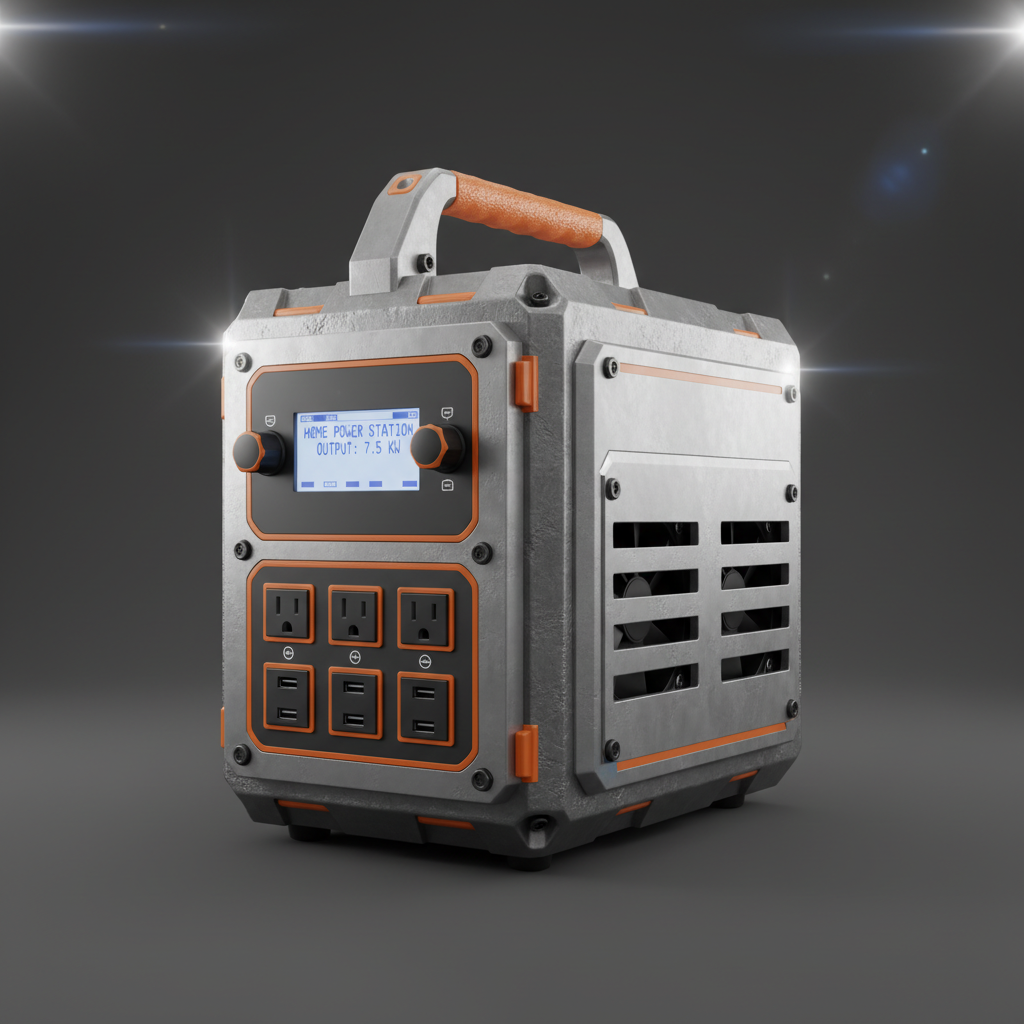
Understanding the Basics of Power Supplies
Before you begin, it’s crucial to understand the core function of a power supply: to convert alternating current (AC) from a wall outlet into direct current (DC) that electronic devices use. A basic power supply typically includes a transformer, rectifier, filter, and regulator. The transformer steps down the AC voltage, the rectifier converts AC to DC, the filter smooths out the DC voltage, and the regulator maintains a stable output voltage. Different applications require different levels of voltage and current, so understanding these requirements is key to designing a suitable power supply. ACDCBESS offers pre-built power supplies but understanding the core principles allows for informed customization and troubleshooting.
Key Components: Transformer, Rectifier, Filter, Regulator. Understanding their functions is vital for successful power supply construction.
Components Required to Make Power Supply at Home
Gathering the right components is the first step. You'll need a transformer with the appropriate voltage and current ratings, diodes for the rectifier (typically a bridge rectifier is used), capacitors for the filter, and a voltage regulator IC (like the LM7805 for a 5V supply). Resistors and potentiometers are needed for voltage division and adjustment. A PCB or breadboard is helpful for prototyping. Don't forget essential safety components like a fuse to protect the circuit and an enclosure to house the completed power supply. The quality of components directly impacts the power supply’s performance and longevity.
Essential Components:
• Transformer
• Bridge Rectifier
• Filter Capacitors
• Voltage Regulator IC (e.g., LM7805)
• Resistors & Potentiometers
• Fuse
Building a Simple 5V DC Power Supply
Let’s focus on building a basic 5V DC power supply. First, connect the AC input to the primary winding of the transformer. The secondary winding provides a lower AC voltage. Pass this AC voltage through a bridge rectifier to convert it to DC. Then, use a capacitor to filter the DC voltage, reducing ripple. Finally, connect the filtered DC to the input of a 7805 voltage regulator to obtain a stable 5V output. Remember to include a heatsink on the 7805 to dissipate heat. Test the output voltage with a multimeter to ensure it's stable at 5V.
Safety Precautions When Building Power Supplies
Working with electricity can be dangerous. Always disconnect the power source before working on the circuit. Use insulated tools and avoid touching exposed wires. A fuse is crucial to protect the circuit from overcurrents. Ensure proper grounding to prevent electric shock. Double-check all connections before applying power. Consider enclosing the completed power supply in a non-conductive enclosure to prevent accidental contact with live components. If you are unsure about any aspect of the build, consult a qualified electrician. ACDCBESS prioritizes safety in all its power solutions.
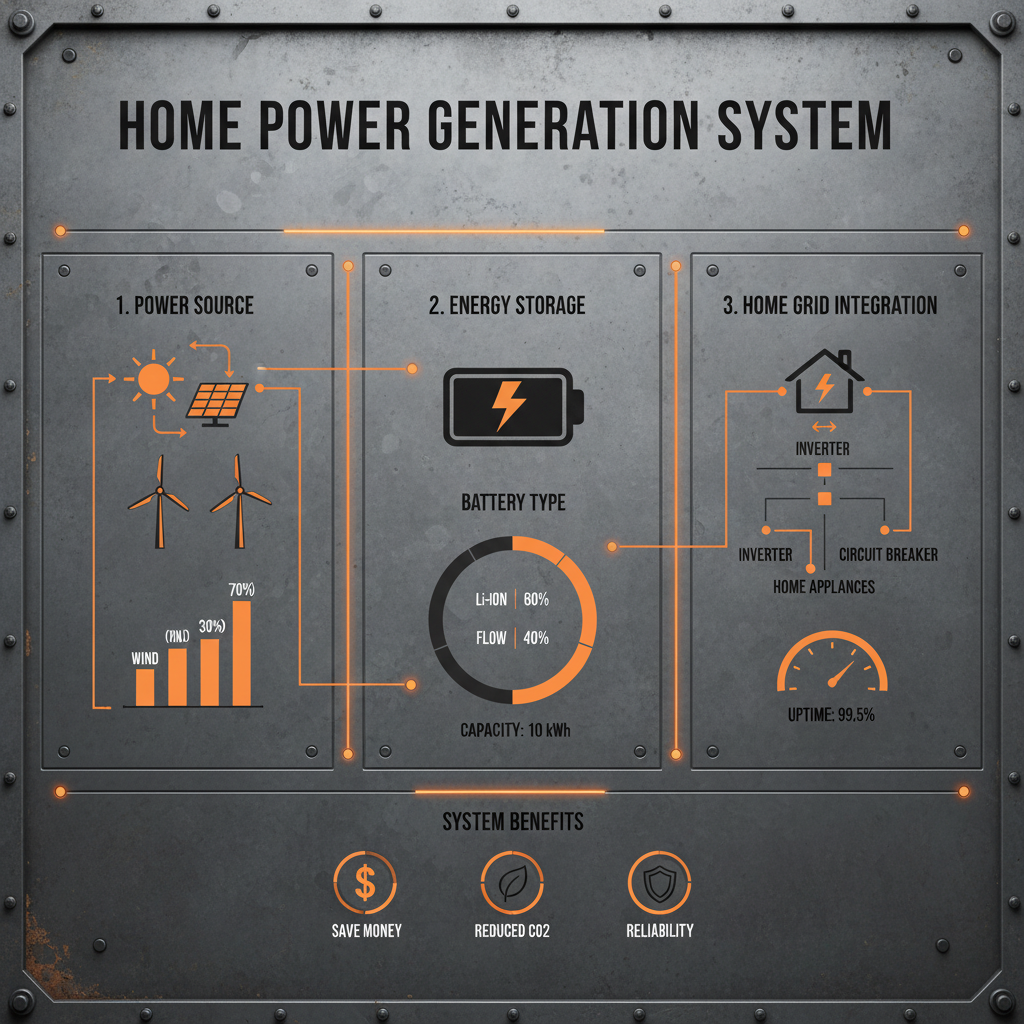
Adjustable Power Supply Considerations
For greater flexibility, you can build an adjustable power supply. This involves adding a potentiometer to the input of the voltage regulator to control the output voltage. However, this also requires careful design to ensure the output voltage remains within safe limits. Using a heatsink is even more critical with adjustable supplies as the regulator may dissipate more power at higher voltages. Understanding the regulator's datasheet and its limitations is paramount for a successful build.
Conclusion: Empowering Your Projects with Home-Built Power Supplies
Building a power supply at home can be a fulfilling and cost-effective endeavor for electronics enthusiasts. By understanding the fundamental principles, selecting the right components, and prioritizing safety, you can create a reliable power source for your projects. While pre-built power supplies from vendors like ACDC Bess offer convenience and certified safety, the knowledge gained from building your own can be invaluable.
Frequently Asked Questions (FAQs)
What voltage transformer should I use for a 5V power supply?
Typically, a 9V AC transformer is used with a 7805 voltage regulator to create a stable 5V DC output. The 7805 regulator has a voltage drop of approximately 2-2.5V, so a 9V input is sufficient to provide the necessary voltage after regulation. Choosing the correct transformer voltage is crucial for ensuring the regulator operates within its specifications. A higher voltage transformer might damage the regulator.
What size capacitor should I use for filtering?
A common choice for filtering is a 470µF to 1000µF electrolytic capacitor with a voltage rating of at least 16V (25V is generally safer). The larger the capacitance, the better the filtering, resulting in a smoother DC voltage. However, extremely large capacitors may have slower response times. The capacitor should be placed as close as possible to the rectifier to minimize ripple.
How can I improve the stability of the output voltage?
To enhance stability, use a higher-quality voltage regulator IC and ensure sufficient heat sinking. Adding a small ceramic capacitor (e.g., 0.1µF) in parallel with the electrolytic filter capacitor can further reduce noise. Proper PCB layout, with short traces and a ground plane, also contributes to stability. Utilizing a voltage regulator with an external adjustment pin can allow for fine-tuning the output voltage.
Is it necessary to use a fuse in a homemade power supply?
Absolutely. A fuse is a crucial safety component that protects the circuit and the connected device from overcurrents and short circuits. Choose a fuse with a rating slightly higher than the expected maximum current draw of the power supply. Placing the fuse in the AC input line is the most effective location for protection. Ignoring the fuse can lead to fire hazards and damage to components.
-
Cedar Point EV Charging Solutions for Sustainable Tourism Experience
NewsApr.16,2026
-
Guide to Cedar Point Charging Stations for EV Park Visitors
NewsApr.16,2026
-
Acorn Stairlift Charging Point Guide for Home Mobility Optimization
NewsApr.16,2026
-
Integrating a Wireless Charging Point into Modern Infrastructure
NewsApr.16,2026
-
How to Optimize Your iPhone 14 Charging Point for Efficiency
NewsApr.16,2026
-
Analyzing the Charging Point Share Price Trends and Market Outlook
NewsApr.09,2026