


Apr . 04, 2026 01:55 Back to list
Revolutionizing Power Resilience with Advanced Mechanical Energy Storage UPS Systems
Mechanical Energy Storage UPS: Powering a Resilient Future
In today’s interconnected world, reliable power is essential for countless applications, from critical infrastructure to industrial processes. Uninterruptible Power Supplies (UPS) play a crucial role in ensuring continuous operation during power outages. While traditional battery-based UPS systems are common, a newer, more sustainable, and often more robust technology is gaining traction: mechanical energy storage UPS. This article will explore the principles, benefits, applications, and advantages of these innovative systems. We’ll delve into how they compare to traditional UPS solutions and why they are becoming increasingly important for businesses and organizations seeking power resilience.
Understanding Mechanical Energy Storage UPS Systems
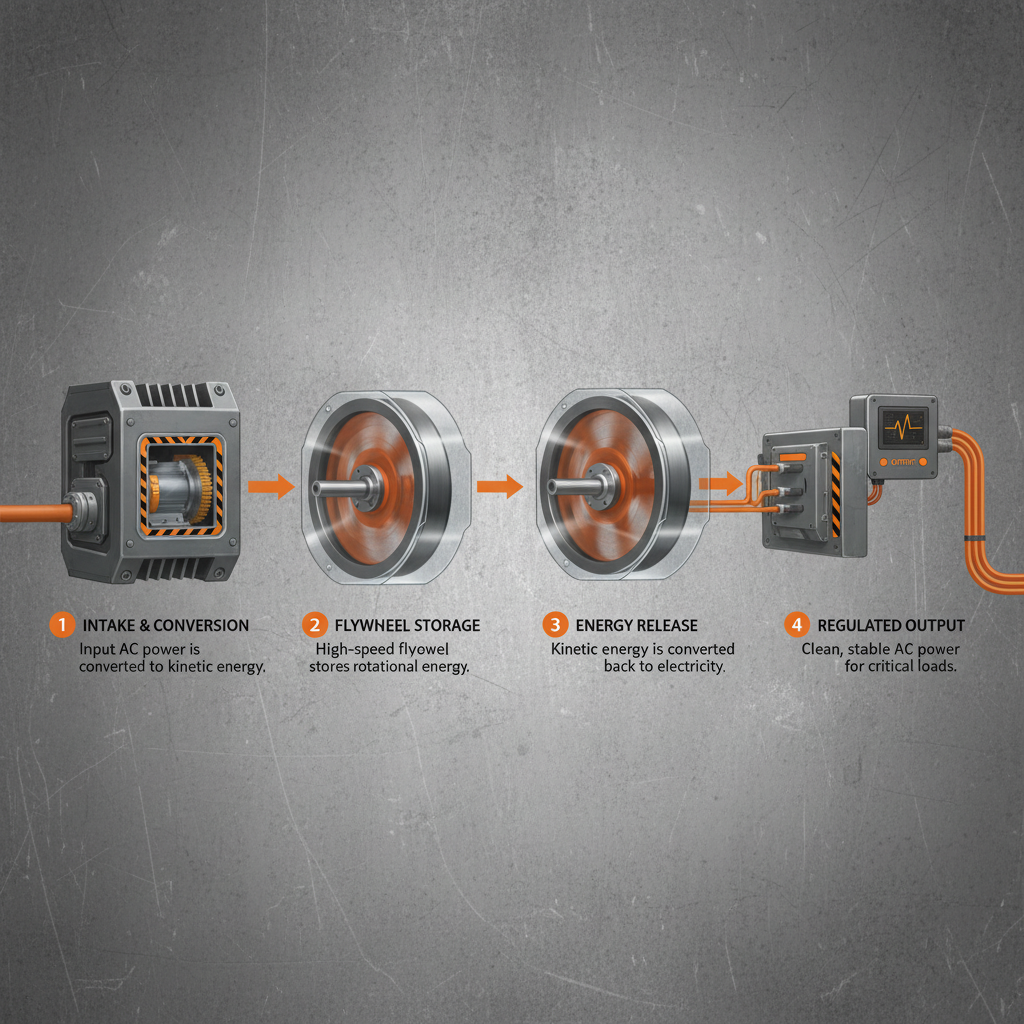
Unlike traditional UPS systems that rely on chemical energy stored in batteries, mechanical energy storage UPS systems utilize kinetic energy. The most common approach involves a flywheel – a rotating mechanical device that stores energy as rotational momentum. When a power outage occurs, the flywheel's kinetic energy is converted back into electrical energy to provide uninterrupted power. This method offers several advantages, including a longer lifespan, reduced maintenance, and improved environmental sustainability. The core principle revolves around efficient energy transfer between the mechanical and electrical domains. ACDC BESS specializes in these cutting-edge energy storage solutions.
Key Highlights: Flywheel-based systems offer a significantly longer lifespan than traditional batteries, reducing the total cost of ownership and minimizing environmental impact.
Benefits of Mechanical Energy Storage UPS
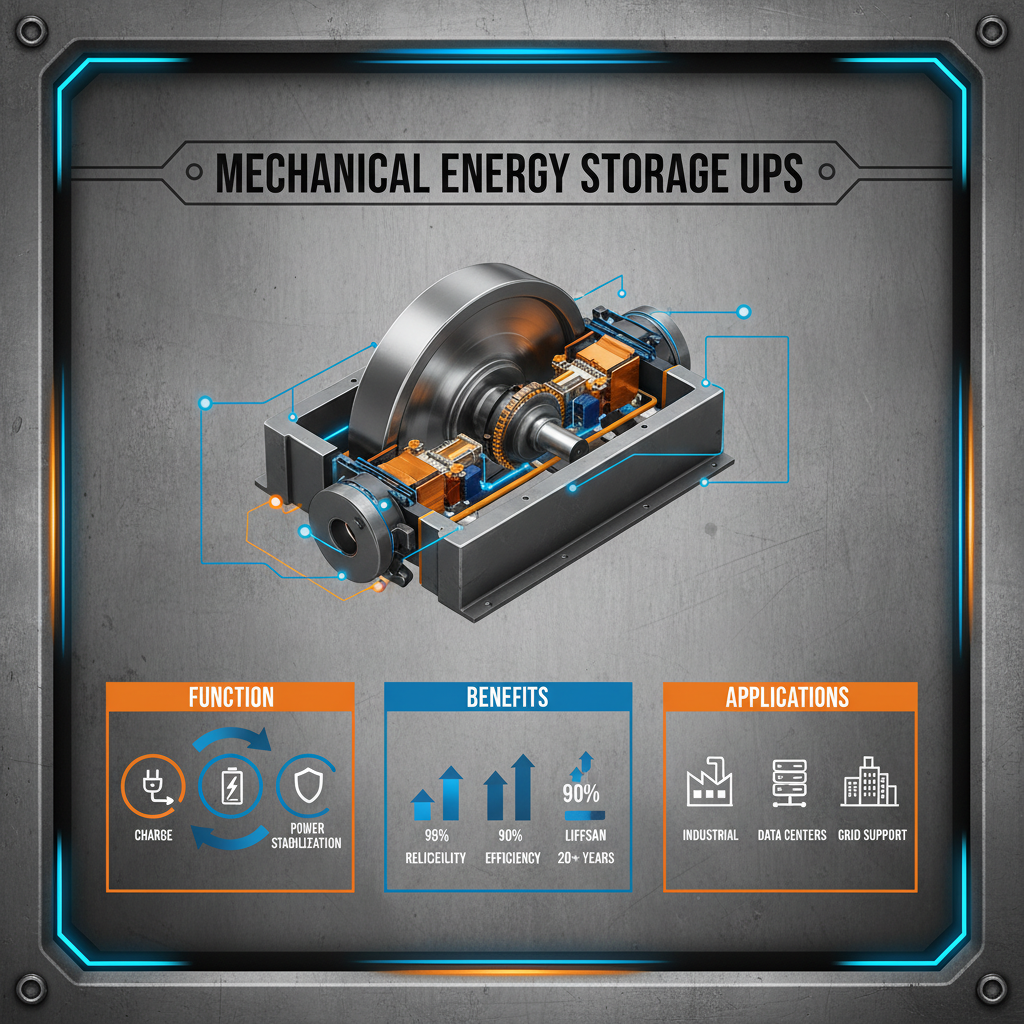
The advantages of adopting a mechanical energy storage UPS are numerous. Firstly, they boast a significantly longer lifespan compared to batteries – often exceeding 20 years with minimal degradation. Secondly, maintenance requirements are substantially lower, eliminating the need for frequent battery replacements and associated labor costs. Thirdly, these systems are environmentally friendly, avoiding the use of hazardous chemicals found in many battery technologies. Fourthly, flywheel UPS systems can handle a high number of discharge/charge cycles without performance loss. Finally, they often offer faster response times than battery-based systems, crucial for protecting sensitive equipment. Investing in a flywheel UPS represents a long-term, sustainable, and reliable power solution.
Key Advantages:
• Longer lifespan (20+ years)
• Reduced maintenance
• Environmentally friendly
• Fast response times
Mechanical Energy Storage UPS vs. Traditional Battery UPS: A Comparison
While both mechanical and battery-based UPS systems provide backup power, they differ significantly in several key aspects. Battery UPS systems rely on chemical reactions to store and release energy, which leads to degradation over time. Flywheel systems, on the other hand, store energy mechanically, resulting in a much longer lifespan and predictable performance. Battery replacements are a recurring cost, while flywheel systems require minimal maintenance. Furthermore, battery disposal poses environmental concerns, while flywheel systems are generally more eco-friendly. Choosing the right solution depends on the specific application requirements and long-term cost considerations. ACDC BESS offers expert consultation to help you determine the optimal solution for your needs.
Applications of Mechanical Energy Storage UPS
Mechanical energy storage UPS systems are ideal for a wide range of applications. They are particularly well-suited for critical infrastructure, such as data centers, hospitals, and telecommunications networks, where uninterrupted power is paramount. Industrial applications, including manufacturing facilities and process control systems, also benefit from the reliability and longevity of these systems. Moreover, they are increasingly being adopted in renewable energy storage solutions, complementing solar and wind power generation. A mechanical energy storage UPS system provides a sustainable and dependable power backup solution.
Choosing the Right Mechanical Energy Storage UPS System
Selecting the appropriate mechanical energy storage UPS system requires careful consideration of your specific power requirements, load characteristics, and environmental conditions. Factors such as the required backup time, power capacity, and physical space constraints all play a crucial role. It's essential to partner with a reputable provider like ACDC BESS that can offer expert guidance and customized solutions. Consider the system's scalability, maintenance requirements, and long-term cost of ownership. Investing in a well-designed and properly installed system ensures optimal performance and reliability.
Conclusion: Embrace the Future of Power Resilience with Mechanical Energy Storage
Mechanical energy storage UPS systems represent a significant advancement in power protection technology. Their superior lifespan, reduced maintenance, and environmental benefits make them a compelling alternative to traditional battery-based solutions. By choosing a mechanical energy storage UPS from a trusted provider like ACDC BESS, you are investing in a reliable, sustainable, and cost-effective power backup solution for the future.
Frequently Asked Questions (FAQs)
What is the typical lifespan of a flywheel-based UPS system?
Flywheel-based UPS systems typically boast a lifespan exceeding 20 years, significantly longer than traditional battery systems. This extended lifespan is due to the mechanical nature of energy storage, which minimizes degradation over time. While periodic maintenance is recommended, the need for complete system replacements is considerably reduced. ACDC BESS offers comprehensive maintenance packages to ensure optimal performance and longevity. Proper operating conditions and adherence to manufacturer guidelines will further maximize the system's lifespan.
What kind of maintenance do mechanical energy storage UPS systems require?
Mechanical energy storage UPS systems require minimal maintenance compared to battery-based systems. The primary maintenance tasks include periodic inspection of the flywheel, bearings, and power electronics. Lubrication of bearings is typically required on an annual or bi-annual basis. Regular monitoring of system performance data can help identify any potential issues early on. ACDC BESS provides comprehensive maintenance services to ensure your system operates at peak efficiency and reliability.
Are mechanical energy storage UPS systems suitable for all applications?
While highly versatile, mechanical energy storage UPS systems are particularly well-suited for applications requiring long backup times and high reliability. They excel in data centers, hospitals, telecommunications, and industrial facilities. However, for very short backup requirements (e.g., a few seconds), battery-based systems might be more cost-effective. A thorough assessment of your power needs and application requirements is crucial to determine the optimal solution. ACDC BESS offers expert consultation to help you make the right choice.
How does the environmental impact of a flywheel UPS compare to a battery UPS?
Flywheel UPS systems have a significantly lower environmental impact compared to battery UPS systems. They do not contain hazardous chemicals, eliminating the risk of environmental contamination during disposal. The longer lifespan also reduces the frequency of replacements, minimizing waste. Furthermore, the materials used in flywheel construction are often recyclable. Choosing a flywheel UPS is a sustainable power solution that aligns with environmental responsibility initiatives.
-
Cedar Point EV Charging Solutions for Sustainable Tourism Experience
NewsApr.16,2026
-
Guide to Cedar Point Charging Stations for EV Park Visitors
NewsApr.16,2026
-
Acorn Stairlift Charging Point Guide for Home Mobility Optimization
NewsApr.16,2026
-
Integrating a Wireless Charging Point into Modern Infrastructure
NewsApr.16,2026
-
How to Optimize Your iPhone 14 Charging Point for Efficiency
NewsApr.16,2026
-
Analyzing the Charging Point Share Price Trends and Market Outlook
NewsApr.09,2026