


Sep . 12, 2025 07:40 Back to list
Smart Energy Management System: Monitor, Control, Save
Introduction to Advanced Energy Management Systems
In the rapidly evolving industrial landscape, the optimization of energy consumption is not merely a cost-saving measure but a strategic imperative for sustainability and operational efficiency. A robust energy management system (EMS) provides a comprehensive framework for monitoring, analyzing, and controlling energy usage across an organization's entire infrastructure. These advanced systems are pivotal for B2B enterprises seeking to minimize carbon footprints, comply with stringent environmental regulations, and achieve significant financial savings through intelligent resource allocation. Our solutions integrate cutting-edge technologies to deliver unparalleled insights and actionable intelligence for complex industrial environments.
Modern energy control systems are designed to offer a holistic view of energy performance, moving beyond simple utility bill analysis to granular, real-time data acquisition and predictive analytics. This enables proactive decision-making, ensuring that energy is consumed efficiently and sustainably. This document delves into the critical aspects of an EMS, from its core technical specifications and deployment processes to real-world application advantages and vendor considerations, emphasizing its transformative impact on industrial operations.
Industry Trends in Energy Management
The landscape of energy management is continually reshaped by several powerful trends. The advent of the Industrial Internet of Things (IIoT) has revolutionized data collection, allowing for high-fidelity, real-time energy monitoring and management system across vast operational networks. This connectivity facilitates sophisticated analytics, enabling businesses to identify inefficiencies that were previously undetectable.
- AI and Machine Learning Integration: AI algorithms are increasingly employed for predictive maintenance, demand forecasting, and optimizing energy dispatch. They learn from historical data to anticipate consumption patterns and anomalies, leading to more precise control and significant savings.
- Decentralized Energy Systems: The rise of distributed energy resources (DERs) such as solar PV, wind, and battery storage necessitates advanced energy management system capabilities to integrate these diverse sources, optimize their output, and manage grid interactions effectively. Microgrids are becoming more prevalent, requiring sophisticated energy control systems.
- Sustainability and ESG Focus: Corporate environmental, social, and governance (ESG) goals are driving demand for comprehensive EMS solutions that not only reduce operational costs but also provide transparent reporting on carbon emissions and energy efficiency improvements. Regulatory compliance is a major driver, especially in energy-intensive sectors.
- Cybersecurity in OT/IT Convergence: As operational technology (OT) systems, including EMS, converge with information technology (IT) networks, robust cybersecurity measures are paramount to protect critical infrastructure from evolving threats.
These trends highlight a shift towards more intelligent, resilient, and sustainable energy ecosystems, making an advanced energy management system an indispensable asset for future-proof industrial operations.
Technical Specifications of a Modern Energy Management System
A sophisticated energy management system is a complex integration of hardware and software components designed to achieve optimal energy performance. Key technical specifications revolve around data acquisition, processing capabilities, and control mechanisms.
Core Components:
- Smart Sensors and Meters: High-precision current transformers (CTs), potential transformers (PTs), power meters (e.g., ANSI C12.20 standards compliance), temperature, humidity, and environmental sensors for granular data collection.
- Data Loggers and Gateways: Devices conforming to Modbus, BACnet, LonWorks, or OPC UA protocols for reliable data transmission from field devices to central processing units.
- Centralized Processing Unit (CPU) / Servers: Industrial-grade servers or cloud-based platforms with robust computational power for data aggregation, analysis, and control algorithm execution. Redundancy features often include N+1 configurations.
- Software Platform: SCADA (Supervisory Control and Data Acquisition) or dedicated EMS software with intuitive Human-Machine Interface (HMI), real-time dashboards, historical trending, reporting, and alarming functionalities.
- Actuators and Control Devices: Smart circuit breakers, variable frequency drives (VFDs), intelligent relays, and building automation system (BAS) interfaces for automated control over energy-consuming assets.
Key Performance Parameters:
Deployment and Development Process of an Energy Management System
The "manufacturing" or, more accurately, the deployment and integration process for an energy management system, especially one tailored for critical infrastructure like a Micro Module Computer Room, involves several meticulous stages. It's not about casting or forging in the traditional sense, but rather the rigorous engineering, assembly, testing, and deployment of integrated hardware and software solutions.
Process Flow:
-
Phase 1: Needs Assessment & Design (Conceptualization & Material Selection)
Detailed energy audit, identification of energy-intensive assets, and definition of functional requirements. This includes specifying suitable sensors (e.g., current transducers with high-grade copper windings and magnetic cores for precision), data loggers (industrial-grade plastics and metals for durability), and server hardware (high-performance, redundant components for reliability). The architecture is designed to meet target industries like petrochemical, metallurgy, and water supply & drainage, considering their specific environmental and operational challenges. Design reviews ensure compliance with standards like IEC 61508 for functional safety.
-
Phase 2: Hardware Procurement & Pre-assembly (Component Fabrication & Integration)
Sourcing of meters, sensors, communication modules, and control devices from certified suppliers. For critical components like industrial PCs, chassis might undergo CNC machining for precise fit and thermal management. Wiring harnesses are custom-fabricated. All components are selected for robustness, often featuring IP65 or higher ingress protection for harsh industrial environments, and material properties designed for corrosion resistance, such as stainless steel enclosures for outdoor or corrosive atmospheres.
-
Phase 3: Software Development & Configuration (Logic & UI Development)
Development or customization of the EMS software, including SCADA/HMI, database, analytics engines, and control algorithms. This involves coding, configuring communication drivers for various protocols (Modbus, BACnet), and building dashboards. Emphasis is placed on intuitive UI/UX for ease of use by plant operators and energy managers.
-
Phase 4: System Integration & Factory Acceptance Testing (FAT)
Integration of all hardware and software components into a cohesive system. Comprehensive FAT is performed in a controlled environment to verify functionality, communication integrity, data accuracy, and control logic. This adheres to rigorous testing standards, often including ISO 9001 quality management principles, IEC 61000 for EMC compatibility, and specific industry standards for reliability and performance. Data from various simulated scenarios are used to validate the system's responses and reporting accuracy.
-
Phase 5: On-site Installation & Site Acceptance Testing (SAT)
Deployment of the EMS hardware (meters, gateways, servers) at the client’s facility. Wiring, network configuration, and power-up. SAT confirms that the system operates as specified in the actual operating environment, integrating with existing infrastructure. This phase ensures environmental robustness and operational stability. Corrosion resistance of external sensors and enclosures is crucial here.
-
Phase 6: Commissioning & Training
Fine-tuning control parameters, calibrating sensors, and optimizing system performance. Comprehensive training for client personnel on system operation, maintenance, and basic troubleshooting. This empowers the client to leverage the EMS effectively for its service life, typically exceeding 10-15 years with proper maintenance.
-
Phase 7: Post-Deployment Support & Optimization
Ongoing technical support, software updates, and performance monitoring. Periodic reviews help identify further optimization opportunities, ensuring the EMS continues to deliver energy saving benefits throughout its lifecycle.
This systematic approach guarantees a high-quality, reliable, and performance-driven energy control system, capable of delivering sustained advantages in energy efficiency and operational resilience.
Application Scenarios and Advantages
The versatility of an energy management system makes it indispensable across a multitude of B2B sectors, each benefiting from tailored functionalities. From heavy industry to critical data infrastructure, the advantages are significant.
Typical Industries and Advantages:
- Petrochemical Industry:
Here, EMS is critical for monitoring energy consumption of pumps, compressors, and distillation columns. Advantages include substantial energy saving through process optimization, early detection of equipment faults, and enhanced safety by ensuring stable power supply. Given the corrosive nature of the environment, hardware is specified for its corrosion resistance and ATEX compliance.
- Metallurgy & Mining:
Energy-intensive operations like smelting and refining consume vast amounts of power. An EMS provides granular insights into arc furnaces, rolling mills, and crushers. Benefits include peak demand management, power factor correction, and reduced operational costs. The robust construction of sensors and meters ensures reliability in dusty, high-temperature environments.
- Water Supply & Drainage:
Pumping stations are major electricity consumers. An EMS optimizes pump scheduling, identifies leakages (indirectly through anomalous consumption), and manages demand-side response during peak tariff hours. This leads to significant energy saving and improved infrastructure reliability. Components are often rated for outdoor, wet conditions, demonstrating high ingress protection.
- Data Centers (e.g., Micro Module Computer Room):
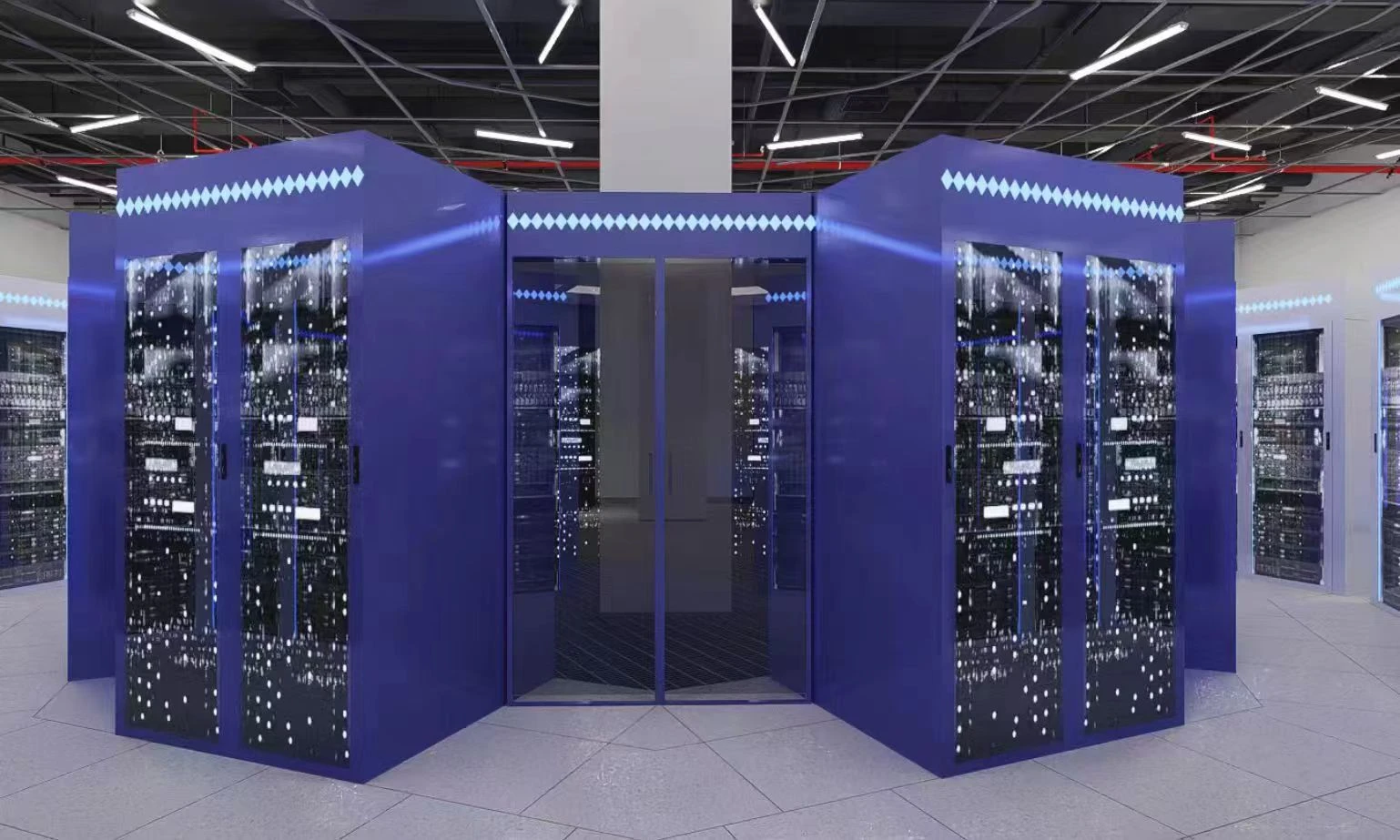
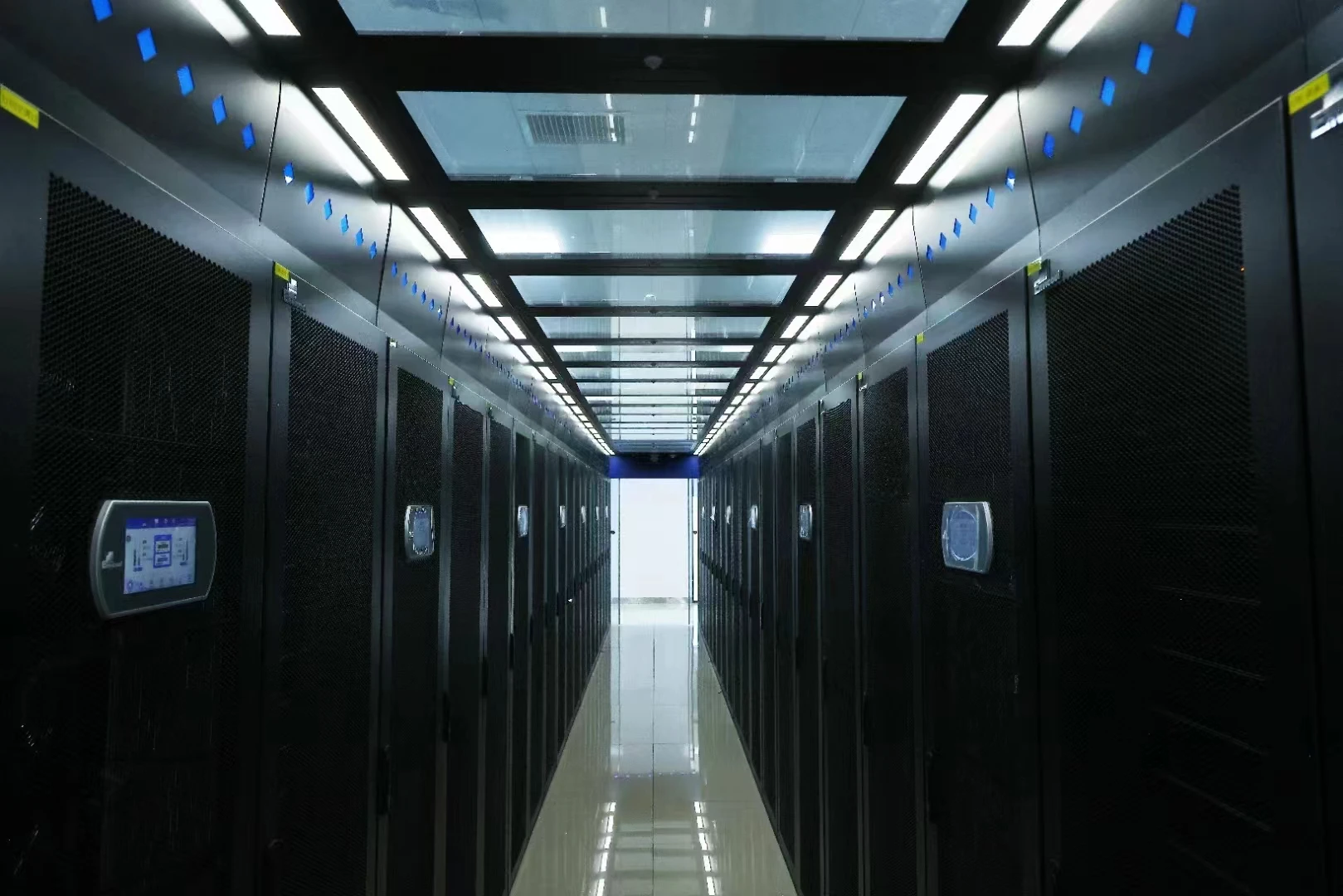
In environments like the Micro module computer room, precise energy monitoring and management is paramount. EMS tracks PUE (Power Usage Effectiveness), optimizes cooling systems (CRAC units), manages UPS efficiency, and ensures power quality for sensitive IT equipment. The core advantage is maximizing uptime, reducing operational expenditure, and achieving higher energy efficiency targets, often resulting in energy saving of 15-30% on cooling alone.
- Commercial & Institutional Buildings:
For large campuses or multi-site organizations, an EMS integrates with Building Management Systems (BMS) to optimize HVAC, lighting, and plug loads. This drives substantial energy saving, enhances occupant comfort, and supports green building certifications.
Across all these sectors, the core advantages remain consistent: enhanced operational visibility, data-driven decision making, substantial cost reductions, improved sustainability metrics, and prolonged asset life through optimized performance.
Technical Advantages of Our Energy Management System
Our energy management system stands out due to its superior technical architecture and advanced features, engineered to meet the stringent demands of modern industrial environments. We adhere to international standards and best practices, providing solutions that are not only effective but also reliable and secure.
- Real-time Data Acquisition & Analytics: Our system employs high-speed data loggers and advanced protocols to collect energy data at sub-second intervals. This enables immediate identification of consumption spikes, anomalies, and power quality issues (e.g., harmonics, voltage sags/swells) – crucial for critical operations.
- Predictive Maintenance & Anomaly Detection: Leveraging AI and machine learning, the EMS continuously analyzes operational patterns. It can predict potential equipment failures based on deviations in energy signatures (e.g., increased current draw for a motor, unusual vibration patterns inferred from power consumption), facilitating proactive maintenance and reducing downtime.
- Integrated Demand Response Capabilities: Our energy control systems are capable of interacting with utility grid signals to automatically shed non-critical loads or dispatch stored energy (from BESS) during peak demand periods, significantly reducing peak demand charges and supporting grid stability.
- Scalable & Modular Architecture: Designed with flexibility in mind, our system can scale from monitoring a single building to managing a sprawling industrial complex or multi-site portfolio. The modular nature allows for easy integration of new assets or expansion of monitoring points without extensive system overhauls.
- Robust Cybersecurity Framework: Recognizing the criticality of OT security, our EMS incorporates multi-layered security protocols, including encrypted communications (TLS/SSL), secure boot, role-based access control (RBAC), and regular vulnerability assessments, complying with standards like IEC 62443.
- High Availability & Redundancy: For mission-critical applications, our solutions offer redundant hardware components (e.g., redundant servers, dual power supplies) and failover mechanisms to ensure continuous operation and data integrity, even in the event of component failure.
- Comprehensive Reporting & Compliance: Automated generation of customizable reports on energy consumption, costs, carbon emissions, and compliance with standards such as ISO 50001. This supports transparent environmental reporting and aids in achieving sustainability goals.
Vendor Comparison: Evaluating Energy Management System Providers
Choosing the right energy monitoring and management system vendor is a critical decision for any B2B enterprise. While many providers offer solutions, key differentiators lie in their technical capabilities, integration flexibility, and long-term support. Below is a conceptual comparison table highlighting key aspects to consider when evaluating EMS vendors.
Our commitment to advanced technology, comprehensive integration, and dedicated support positions us as a leading choice for enterprises seeking a future-proof energy management system.
Customized Solutions and Application Case Studies
Understanding that no two industrial operations are identical, we specialize in delivering highly customized energy management system solutions. Our approach begins with an in-depth analysis of client-specific operational parameters, energy profiles, and strategic objectives, ensuring the deployed system perfectly aligns with their unique requirements.
Customization Expertise:
- Tailored Dashboards & Reports: Clients receive fully customizable dashboards that visualize key performance indicators (KPIs) relevant to their specific industry (e.g., PUE for data centers, energy intensity for manufacturing plants). Reports can be configured for specific audiences, from financial controllers to operational managers.
- Integration with Existing Infrastructure: Our EMS seamlessly integrates with legacy systems, SCADA platforms, ERP systems, and Building Management Systems (BMS) through a variety of open protocols and custom API development, minimizing disruption and maximizing data synergy.
- Specific Control Strategies: Development of bespoke control algorithms for unique industrial processes, such as optimizing a specific chemical reaction or managing variable pump speeds in a complex water network based on real-time demand and energy tariffs.
- Hardware Selection & Deployment: Custom selection of industrial-grade hardware, including sensors, meters, and communication devices, to withstand harsh environmental conditions (e.g., high temperatures, corrosive atmospheres) inherent to specific industrial sites, ensuring high reliability and longevity.
Application Case Study: Large-Scale Petrochemical Plant
Client: A major petrochemical producer with multiple processing units and extensive utility infrastructure.
Challenge: Inconsistent energy consumption across various units, leading to high utility bills, frequent peak demand charges, and limited visibility into energy wastage. The existing system lacked real-time data and predictive capabilities.
Solution: We deployed a comprehensive energy management system across their entire facility. This included over 500 smart meters on key equipment (pumps, compressors, furnaces), industrial data gateways, and a central EMS software platform with AI-driven analytics. Custom control logic was developed to optimize boiler efficiency and manage demand response for their main electricity feeders. All hardware components were selected for their exceptional corrosion resistance and explosion-proof certifications (e.g., ATEX, IECEx) to ensure safety and durability in the hazardous environment.
Results: Within 12 months, the plant achieved a verified 18% reduction in overall electricity consumption and a 25% reduction in peak demand charges. The predictive maintenance feature led to a 10% decrease in unscheduled downtime for critical rotating equipment. The system's detailed reporting also facilitated their ISO 50001 certification process, enhancing their environmental compliance and corporate reputation. The ROI was achieved in less than 2 years.
Application Case Study: Tier 3 Data Center (Leveraging Micro Module Concepts)
Client: A global financial institution operating a Tier 3 data center utilizing advanced Micro module computer room technology.
Challenge: Maintaining ultra-low PUE while ensuring maximum uptime and efficient power distribution within a highly dynamic and dense IT environment. Legacy monitoring was isolated and lacked centralized control.
Solution: We implemented an integrated energy management system that tied together power distribution units (PDUs), UPS systems, CRAC units, and ambient sensors across all micro modules. The system offered real-time PUE calculation, granular power consumption per rack, and intelligent control over cooling based on server load and external weather conditions. Predictive analytics were used to anticipate cooling needs and optimize CRAC unit operation, preventing hot spots and reducing fan energy.
Results: The data center's PUE improved from an average of 1.6 to a consistent 1.35, translating to substantial energy cost savings (over $1.2M annually). The EMS provided unparalleled visibility into power redundancy and potential single points of failure, increasing the data center's resilience and contributing to 99.999% uptime. The detailed energy reporting significantly simplified their internal auditing processes and bolstered their commitment to sustainable operations.
Frequently Asked Questions (FAQs)
Q1: What is the typical ROI period for an energy management system?
A1: The Return on Investment (ROI) period for an EMS can vary significantly based on the scale of deployment, the existing energy efficiency of the facility, and the energy intensity of operations. However, most industrial clients experience an ROI within 18 to 36 months, driven primarily by energy cost savings, reduced maintenance, and improved operational efficiency.
Q2: How does your EMS integrate with existing infrastructure, such as SCADA or BMS?
A2: Our EMS is designed with open architecture, supporting a wide array of industry-standard communication protocols including Modbus RTU/TCP, BACnet IP/MSTP, OPC UA, SNMP, and RESTful APIs. This flexibility allows seamless integration with most existing SCADA, BMS, and ERP systems, ensuring minimal disruption and maximum data interoperability.
Q3: What cybersecurity measures are in place to protect the EMS?
A3: Our systems are built with a robust, multi-layered cybersecurity framework. This includes end-to-end encrypted communication (TLS/SSL), secure boot processes, granular role-based access control, regular penetration testing, and adherence to industry best practices and standards such as IEC 62443 for industrial control systems cybersecurity.
Q4: Can the system be customized for specific industry requirements, like harsh environments?
A4: Absolutely. Customization is a cornerstone of our service. We offer tailored hardware solutions with appropriate IP ratings (e.g., IP65, IP67), corrosion-resistant materials (e.g., stainless steel enclosures), and certifications (e.g., ATEX for explosive atmospheres). Software customization includes bespoke dashboards, reports, and control logic to match unique operational processes and environmental challenges.
Lead Time, Warranty, and Customer Support
We are committed to delivering high-quality energy management system solutions with transparent processes and unparalleled support.
Lead Time and Fulfillment:
The lead time for an EMS project is dependent on its complexity and customization level. Typically, for a standard deployment, our lead time from contract signing to full commissioning ranges from 8 to 16 weeks. This includes detailed design, hardware procurement, software configuration, factory acceptance testing, on-site installation, and site acceptance testing. For highly complex or large-scale projects, a detailed project timeline will be provided, breaking down each phase for full transparency.
Warranty Commitments:
We stand by the quality and reliability of our energy management system. All hardware components are backed by a standard 2-year warranty from the date of commissioning, covering defects in materials and workmanship. Software includes a 1-year warranty for bug fixes and critical updates. Extended warranty options and service level agreements (SLAs) are available to provide additional peace of mind and protection for your investment.
Customer Support Information:
Our dedicated support team is available to ensure the continuous, optimal performance of your EMS. We offer:
- 24/7 Technical Support: For critical issues, our expert technicians are available around the clock via phone and email.
- Remote Monitoring & Diagnostics: With client permission, we can remotely access and diagnose system performance, often resolving issues before they impact operations.
- Regular Software Updates: Ensuring your system benefits from the latest features, security patches, and performance enhancements.
- On-site Support: Field engineers are available for physical inspections, maintenance, and complex troubleshooting when remote support is insufficient.
- Training & Documentation: Comprehensive user manuals, technical documentation, and ongoing training programs for your operational staff.
Our goal is to forge long-term partnerships, providing continuous value and support throughout the lifecycle of your energy control system.
Conclusion
In today's competitive industrial landscape, the strategic deployment of an advanced energy management system is not just an operational enhancement, but a critical investment in efficiency, sustainability, and resilience. Our comprehensive solutions, underpinned by robust technical specifications, flexible customization, and unwavering support, empower B2B enterprises to transcend traditional energy consumption models. By integrating real-time monitoring, AI-driven analytics, and proactive control, we enable organizations to unlock significant cost savings, reduce environmental impact, and future-proof their operations against evolving market demands and regulatory pressures. Partner with us to transform your energy landscape and achieve measurable, sustainable success.
References
- International Organization for Standardization (ISO). ISO 50001: Energy Management Systems.
- International Electrotechnical Commission (IEC). IEC 61508: Functional safety of electrical/electronic/programmable electronic safety-related systems.
- U.S. Department of Energy. Energy Information Administration (EIA) Annual Energy Outlook.
- American National Standards Institute (ANSI). ANSI C12.20: American National Standard for Electricity Meters - 0.2 and 0.5 Accuracy Classes.
- IEEE Industry Applications Society. Technical papers on Power and Energy Systems.
-
Cedar Point EV Charging Solutions for Sustainable Tourism Experience
NewsApr.16,2026
-
Guide to Cedar Point Charging Stations for EV Park Visitors
NewsApr.16,2026
-
Acorn Stairlift Charging Point Guide for Home Mobility Optimization
NewsApr.16,2026
-
Integrating a Wireless Charging Point into Modern Infrastructure
NewsApr.16,2026
-
How to Optimize Your iPhone 14 Charging Point for Efficiency
NewsApr.16,2026
-
Analyzing the Charging Point Share Price Trends and Market Outlook
NewsApr.09,2026