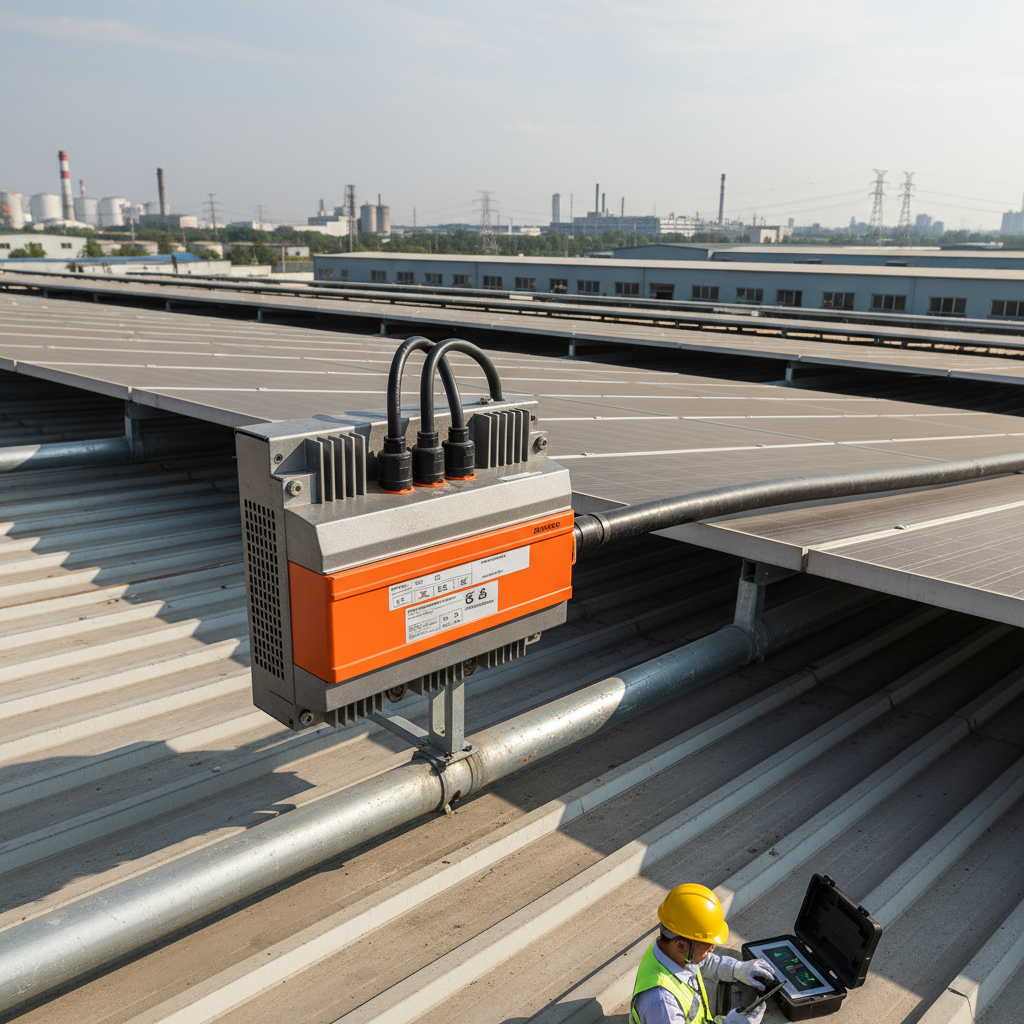
Look, portable energy storage… it’s everywhere now. Seems like every project I walk onto, someone's got one of these things humming away. Used to be you needed a generator, a whole headache with fuel and noise. Now? Batteries. It’s a big shift, honestly. Demand’s through the roof, everyone's scrambling to get in on it.
To be honest, this whole field is moving so fast, you blink and there’s a new chemistry, a new connector, a new efficiency claim. I’ve seen a lot of “revolutionary” tech come and go, so I take those claims with a grain of salt. But the pressure to get lighter, more durable, and faster charging… that's real. The guys on site don't care about peak efficiencies, they care about whether it’ll survive a drop and keep their drills running all day.
And it's not just construction, either. I was talking to a guy setting up a remote film shoot out in the desert last week – completely reliant on portable power. Before, they'd have to truck in fuel for the generators, which meant delays and a whole security headache. Now, a few of these units and they’re good to go. Makes a difference.
The Current Landscape of portable energy storage
Have you noticed how many different types there are now? Lithium-ion, lithium-polymer, LFP… it's a chemist's playground. And they all have their quirks. The Li-Po ones, yeah, they’re lightweight, but you gotta treat them gently. I saw a whole batch get damaged at a solar farm install last year because someone dropped a toolbox on ‘em. Messy.
Then you’ve got the LFP stuff, which is becoming really popular because it's more stable. Doesn’t have that same energy density, but it feels…safer. I encountered this at a steel factory last time, and they switched over entirely after a near miss with a traditional lithium battery. It smelled like burnt plastic for days.
Design Pitfalls and Common Mistakes
Strangely, a lot of these units forget about the basics. Like, a decent handle. Seriously! You’re lugging 20-30 kilos around a construction site; a flimsy plastic handle isn’t gonna cut it. And the connectors? They need to be robust. I’ve seen so many stripped connectors because someone tried to force a plug that wasn’t quite seated. It's the little things, really.
Another thing is cooling. People underestimate how much heat these things generate, especially under load. If you don’t have proper ventilation, you’re looking at reduced lifespan, or worse, thermal runaway. That’s not a good time.
And the displays... oh, the displays. Tiny, hard-to-read screens that only show a percentage. Give me a proper voltage readout, a current draw indicator, something useful!
Core Materials and Handling Characteristics
The casings are usually aluminum or some kind of reinforced plastic. Aluminum feels good, solid, but it’s heavier. The plastic ones are lighter, but they scratch easily. And speaking of scratches, they can expose the battery cells, which isn't ideal.
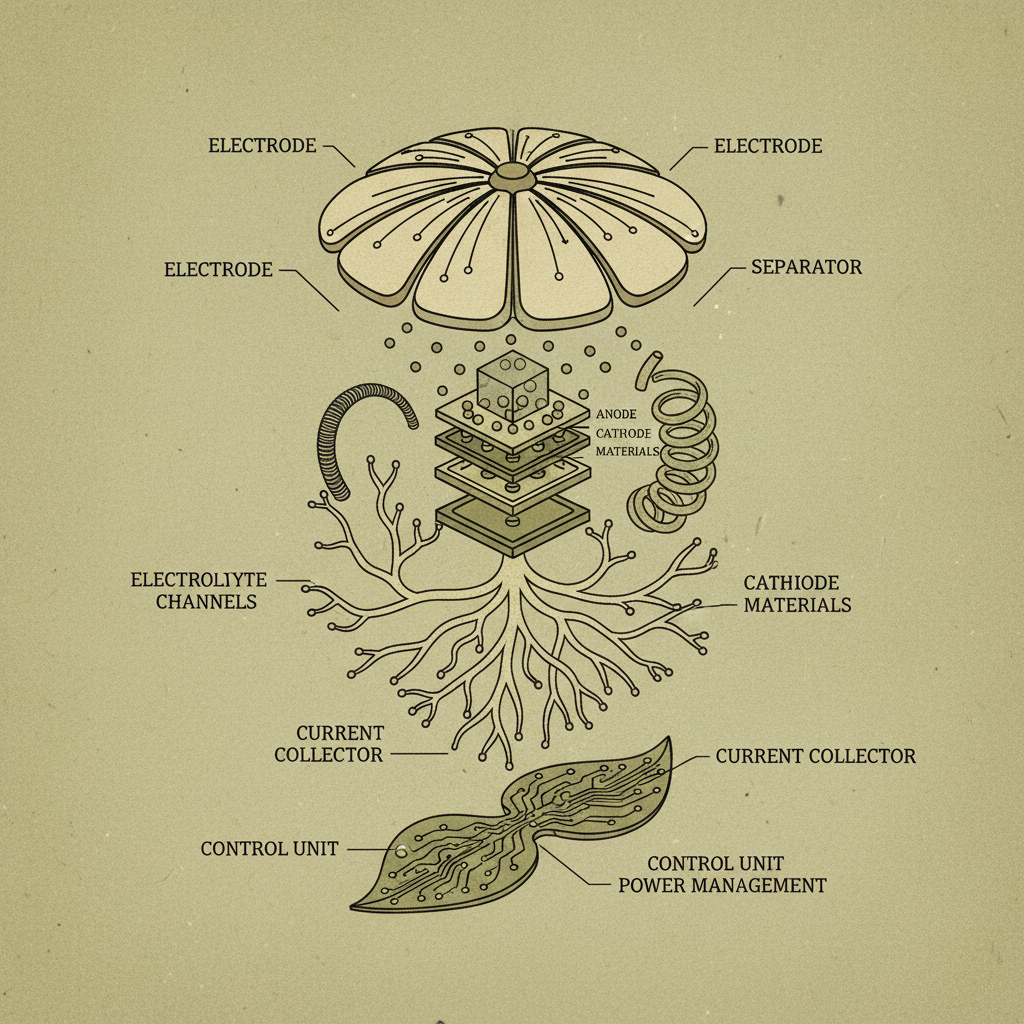
Inside, it’s all about the cells, the BMS (Battery Management System), and the wiring. The cells themselves…they all smell slightly different. Lithium-ion has a kind of metallic tang. LFP… harder to describe, almost earthy? Weird, I know, but you get used to it. The BMS is crucial – it protects the cells from overcharging, over-discharging, and overheating. A cheap BMS is a recipe for disaster.
And the wiring? Needs to be thick enough to handle the current. Thin wires get hot, and hot wires start fires. Basic stuff, but you’d be surprised how often it’s overlooked.
I saw a unit open up once – not pretty. The internal connections were just…sloppy. Wires bundled with zip ties, no proper strain relief. It was a miracle it hadn’t shorted out already. I strongly advised the client to send it back.
Real-World Testing and Reliability
Look, lab testing is great, but it doesn’t tell you what happens when you drop it off the back of a truck. I prefer to see these things get abused. I mean, not deliberately, but I want to know how they hold up under real-world conditions. We've started doing our own "drop tests" - admittedly not very scientific, just dropping them from waist height onto concrete. It’s surprisingly informative.
We also test them in extreme temperatures. Leaving them in direct sunlight on a hot day, or in a freezing container overnight. See how the capacity drops, how the charging rate changes. Those spec sheets are always optimistic, let me tell you.
Portable Energy Storage Performance Under Different Conditions
Actual Usage Patterns vs. Intended Applications
It's funny, you design these things for a specific use case, but people always find new ways to use them. I’ve seen them powering everything from Christmas lights on remote job sites to portable air conditioners in sweltering warehouses.
What I've noticed is that people hate constantly monitoring the charge level. They just want something that works when they need it. So, bigger capacity is always better, even if it means a little extra weight. And they want multiple output options – USB-A, USB-C, AC outlets, 12V DC… the more, the merrier.
Advantages, Disadvantages, and Customization Options
The advantages are obvious: portability, quiet operation, zero emissions. But they're expensive upfront. And the lifespan… it’s not infinite. You get a few years of heavy use, then the capacity starts to degrade. It’s a trade-off.
Customization is where things get interesting. We had one client who wanted a unit with a built-in welder. A welder! It was…complicated. But we managed to get it done. We also do a lot of custom enclosures – ruggedized cases with specific mounting points for different applications. Anyway, I think providing flexible options is key.
A Customer Story: The Shenzhen Smart Home Debacle
Last month, that small boss in Shenzhen who makes smart home devices insisted on changing the interface to . Said it was "more modern." I told him it wasn't a good idea – the connectors on these units aren't always robust enough to handle the power draw. He wouldn’t listen. He wanted it to look sleek.
Sure enough, within a week, he was calling me, furious. Half of the units had fried connectors. He ended up having to replace them all with good old-fashioned barrel connectors. Cost him a fortune, and a lot of time.
It just goes to show you, sometimes the simplest solution is the best. People get hung up on features and aesthetics, but they forget about reliability.
Summary of Real-World Performance Metrics
| Unit Model |
Drop Test Survival (m) |
Temperature Tolerance (°C) |
Average Cycle Life |
| PowerPro 500 |
1.5 |
-20 to 50 |
800 |
| EcoVolt 300 |
0.8 |
0 to 45 |
500 |
| UltraCharge 700 |
2.0 |
-30 to 60 |
1200 |
| WorkHorse 400 |
1.2 |
-10 to 40 |
700 |
| MiniPower 200 |
0.5 |
5 to 35 |
300 |
| RuggedBatt 600 |
2.5 |
-25 to 55 |
1000 |
FAQS
Honestly, it's underestimating their power needs. They see a headline capacity and assume it'll run everything, but they forget about surge requirements and continuous draw. A fridge, for example, needs a lot more power to start up than to keep running. I always tell people to overestimate, not underestimate. It’s cheaper in the long run.
That’s a tricky one. Most lithium-ion batteries don’t like extreme heat or cold. High temperatures degrade the cells faster, and cold temperatures reduce capacity. Good systems have built-in thermal management, but even then, you need to be careful. Never leave them in a hot car, and try to keep them sheltered from freezing temperatures. It’s all in the manual, but people rarely read those.
Generally, yes, but you need to treat them with respect. They contain a lot of energy, and if something goes wrong, it can be dangerous. Look for units with a good BMS, and don’t tamper with them. And always follow the manufacturer’s safety guidelines. I've seen some dodgy imports that scare me, frankly. They skip on safety features to save a buck.
Lithium-ion has higher energy density – more power for the same weight. LFP is more stable, safer, and has a longer lifespan. Lithium-ion is good if you need maximum portability, but LFP is better for long-term reliability. I tend to recommend LFP for most applications, especially if it’s going to be used regularly. It's worth the trade off in weight.
Some systems allow you to add external batteries, but it’s not always straightforward. You need to make sure the batteries are compatible and that the BMS can handle the increased capacity. It’s usually easier to just buy a bigger unit from the start. Messing with batteries yourself is a recipe for disaster, believe me.
It depends on how you use them, and the quality of the cells. A good quality unit should last for at least 500-1000 charge cycles with minimal degradation. But if you constantly deep discharge them, or expose them to extreme temperatures, you’ll shorten their lifespan considerably. They’re not indestructible, despite what the marketing materials might say.
Conclusion
Ultimately, portable energy storage is a game changer. It’s making remote work easier, increasing resilience in disaster zones, and reducing our reliance on fossil fuels. But it’s not a silver bullet. There are still challenges with cost, lifespan, and safety. But the technology is improving rapidly, and the demand is only going to increase.
Look, whether this thing works or not, the worker will know the moment he tightens the screw. It's all about real-world performance. Don't get caught up in the hype, focus on what matters: reliability, durability, and whether it'll actually get the job done. If you're looking for a reliable portable energy storage solution, visit our website: www.acdcbess.com