


Apr . 09, 2026 01:55 Back to list
Ultimate Guide to pod point charging station Solutions for EV
The Ultimate Guide to Pod Point Charging Station Solutions
As the world accelerates its transition toward sustainable mobility, the demand for reliable electric vehicle (EV) infrastructure has never been higher. A pod point charging station provides an essential bridge between the power grid and the modern electric car, ensuring that drivers can recharge efficiently whether they are at home, at work, or in a public space. Choosing the right charging setup is not just about power delivery; it is about integrating smart technology, safety, and scalability into your energy ecosystem. In this guide, we will explore the intricacies of these stations and how they contribute to a greener future.
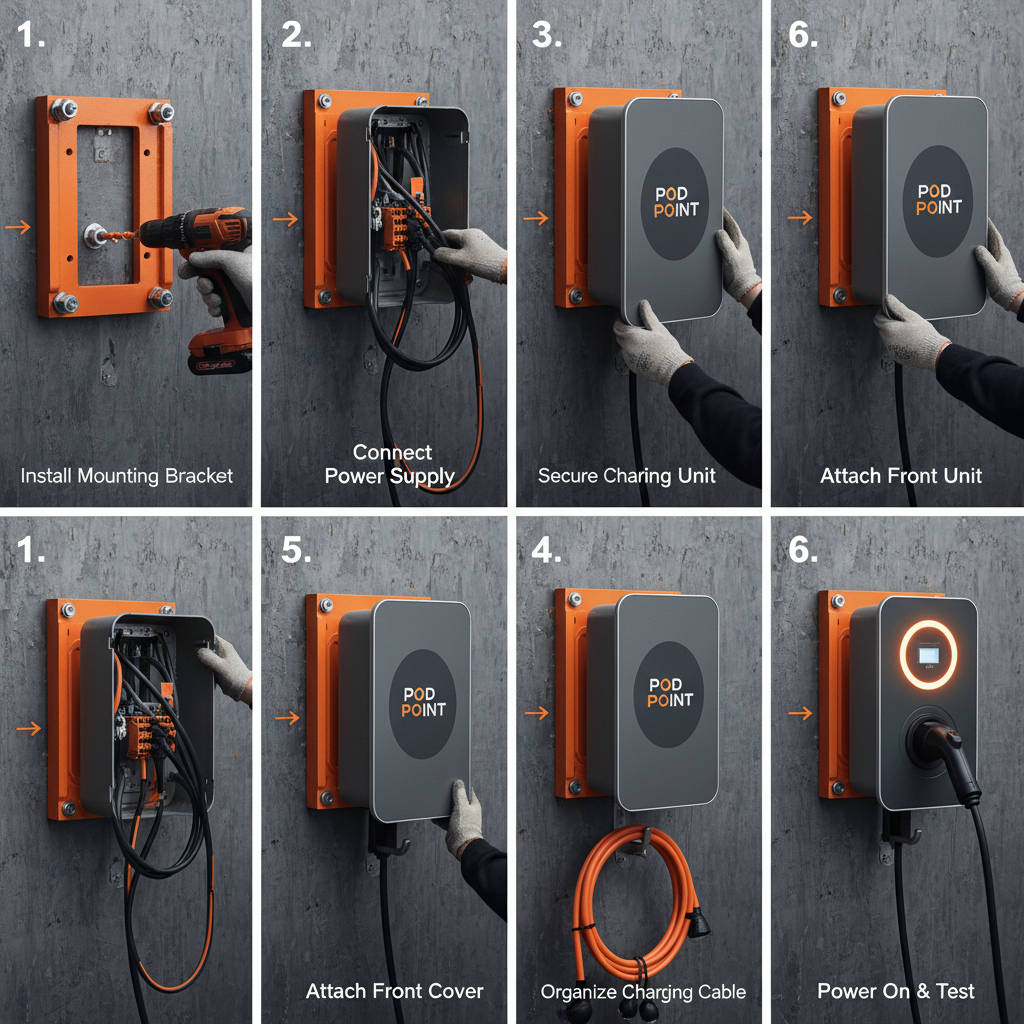
How a Pod Point Charging Station Enhances EV Convenience
The primary goal of a pod point charging station is to eliminate "range anxiety"—the fear that an EV will run out of power before reaching its destination. By providing a stable and accessible power source, these stations make EV ownership practical for everyone. Modern units often feature smart scheduling, allowing users to charge their vehicles during off-peak hours when electricity rates are lower, thereby reducing the total cost of ownership. Additionally, the intuitive interface and rapid connection process ensure that charging becomes as seamless as fueling a traditional combustion engine.
Key Advantage: Smart integration allows for automated energy management, ensuring that your home or business power grid is not overloaded while delivering maximum current to the vehicle.
Comparing Types of Pod Point Charging Station Installations
Not all charging needs are the same. Depending on the location and the required speed, different configurations of a pod point charging station are employed. Home installations typically focus on Level 2 AC charging, which is ideal for overnight replenishment. In contrast, commercial and public hubs often implement DC fast charging to support "top-ups" for drivers on long journeys. Understanding the difference in throughput and installation complexity is key to making an informed investment.
Technical Specifications of a Pod Point Charging Station
To appreciate the engineering behind a pod point charging station, one must look at the technical parameters that define its efficiency. These stations are built to withstand various weather conditions while maintaining high electrical conductivity. From the type of connector (Type 2 or CCS) to the protection rating (IP rating) against dust and water, every detail is designed for longevity and safety. Below is a general specification table for a standard professional-grade installation.
Safety Protocols in Pod Point Charging Station Design
Safety is non-negotiable when dealing with high-voltage electricity. Every pod point charging station incorporates multiple layers of protection. This includes over-current protection to prevent surges from damaging the vehicle's battery and ground-fault circuit interrupters (GFCI) to prevent electrical shocks during rainy weather. Furthermore, the materials used in the casing are typically flame-retardant and impact-resistant, ensuring that the unit remains operational and safe even in high-traffic parking lots.
Environmental Impact and Sustainability
The adoption of a pod point charging station is a direct step toward reducing carbon emissions. When these stations are paired with renewable energy sources—such as solar panels or wind turbines—the "well-to-wheel" emissions of an electric vehicle drop to nearly zero. Many modern installations now include Energy Storage Systems (ESS), which store excess solar energy during the day and discharge it into vehicles at night, creating a truly circular and sustainable energy loop.
Sustainability Benefits:
• Reduces reliance on fossil-fuel-based power grids
• Enables the use of 100% green energy for transportation
• Lowers urban air pollution and noise levels
• Supports the growth of smart-city infrastructure
Future Trends in EV Charging Infrastructure
Looking ahead, the evolution of the pod point charging station will likely focus on Vehicle-to-Grid (V2G) technology. This allows the EV to act as a mobile battery, feeding power back into the grid during peak demand, which can provide financial incentives to the car owner. Additionally, we expect to see more wireless (inductive) charging pads and AI-driven load balancing that automatically optimizes power distribution across hundreds of stations in real-time to prevent grid failure.
Conclusion: Powering the Future of Transport
The implementation of a pod point charging station is more than just an upgrade to electrical hardware; it is a commitment to a sustainable lifestyle. By combining high-speed charging, smart management, and rigorous safety standards, these stations pave the way for the mass adoption of electric vehicles. Whether for residential use or large-scale commercial deployment, investing in quality charging infrastructure today ensures a cleaner, more efficient tomorrow.
Frequently Asked Questions (FAQs)
How long does it take to install a pod point charging station?
The installation time typically varies depending on the complexity of your electrical system. For a standard residential setup, the actual installation usually takes between 2 to 5 hours. However, the process includes a pre-installation survey to ensure your fuse box and wiring can handle the increased load. For commercial projects, the timeline can extend to several weeks if grid upgrades or trenching for cables are required. It is always recommended to work with certified electricians to ensure compliance with local safety codes.
Can I use a pod point charging station with any electric vehicle?
Yes, most professional stations are designed to be universal. They typically utilize the Type 2 connector, which is the standard for the vast majority of EVs in Europe and many other regions. For vehicles with different ports (such as Tesla in North America or older Japanese models), simple adapters are available. The station's internal software automatically communicates with the vehicle's On-Board Charger (OBC) to negotiate the safest and fastest possible charging speed, ensuring compatibility across different brands.
Does a charging station increase the value of my property?
Absolutely. As EV adoption grows, a dedicated pod point charging station becomes a highly desirable feature for homebuyers. It removes a significant barrier for potential buyers who own or plan to buy an EV. In many markets, having a "future-proofed" home with integrated EV infrastructure is now seen as a premium asset, similar to having high-speed internet or energy-efficient heating systems, thus increasing the overall marketability and value of the property.
How do I maintain my EV charging station for longevity?
Maintenance for these stations is relatively low but essential. Periodically inspect the charging cable for any signs of wear, fraying, or cuts. Ensure the connector pins are clean and free of debris. For outdoor units, wiping down the casing to remove salt or grime can prevent corrosion. Most importantly, keep the station's firmware updated via the connected app to benefit from the latest efficiency and security patches. Annual electrical inspections by a professional are recommended to ensure all connections remain tight and safe.
-
Cedar Point EV Charging Solutions for Sustainable Tourism Experience
NewsApr.16,2026
-
Guide to Cedar Point Charging Stations for EV Park Visitors
NewsApr.16,2026
-
Acorn Stairlift Charging Point Guide for Home Mobility Optimization
NewsApr.16,2026
-
Integrating a Wireless Charging Point into Modern Infrastructure
NewsApr.16,2026
-
How to Optimize Your iPhone 14 Charging Point for Efficiency
NewsApr.16,2026
-
Analyzing the Charging Point Share Price Trends and Market Outlook
NewsApr.09,2026