
0%

Table of Contents

The world runs on electricity, plain and simple. But getting that electricity where it needs to be, reliably and efficiently? That’s where the real challenge lies. For decades, we’ve relied on a grid that’s aging, often inefficient, and increasingly vulnerable. That’s why understanding power conversion system isn’t just for engineers anymore – it's crucial for anyone involved in building a sustainable future. From the remote construction site to the sprawling data center, effective power conversion is the backbone of modern operations, and frankly, it's the difference between a smooth operation and a costly headache. We’re talking about optimizing energy usage, reducing waste, and ensuring power quality.

Think about the rise of renewable energy sources like solar and wind. They’re fantastic, but they generate DC power. The grid operates on AC. Someone has to bridge that gap, and do it reliably. That “someone” is the power conversion system. And it’s not just about renewables; everything from electric vehicles to industrial machinery demands precise and efficient power delivery. We're seeing more and more projects demand smarter, more flexible power solutions, and that's driving innovation in this space.

I’ve spent years walking job sites, talking to electricians, and troubleshooting power issues firsthand. What I've learned is this: simplicity, robustness, and real-world performance are king. Fancy specs don’t mean much if a system can’t handle the dust, the temperature swings, and the occasional accidental knock. That’s why the design and quality of a power conversion system truly matters, and it's why we need to continually improve these systems.
Understanding Power Conversion Systems for a Sustainable and Efficient Future

The Global Significance of Power Conversion

Understanding Power Conversion Systems for a Sustainable and Efficient Future

Look around – everything runs on power. The International Energy Agency estimates that global electricity demand will increase by 60% by 2050. That’s a huge jump, and a lot of that increase is going to come from developing nations undergoing rapid industrialization. But just increasing power generation isn’t enough. We need to do it sustainably and efficiently. That means minimizing transmission losses, integrating more renewable energy, and optimizing power usage across all sectors. This all relies heavily on robust power conversion system.

The challenge isn’t just about capacity; it’s about reliability. Power outages cost businesses billions of dollars annually. And in critical infrastructure – hospitals, data centers, transportation networks – even brief interruptions can have devastating consequences. Effective power conversion, with built-in redundancy and smart grid integration, is essential for ensuring a stable and resilient power supply. It's not just about keeping the lights on, it’s about safeguarding economies and protecting lives.

Defining Power Conversion Systems

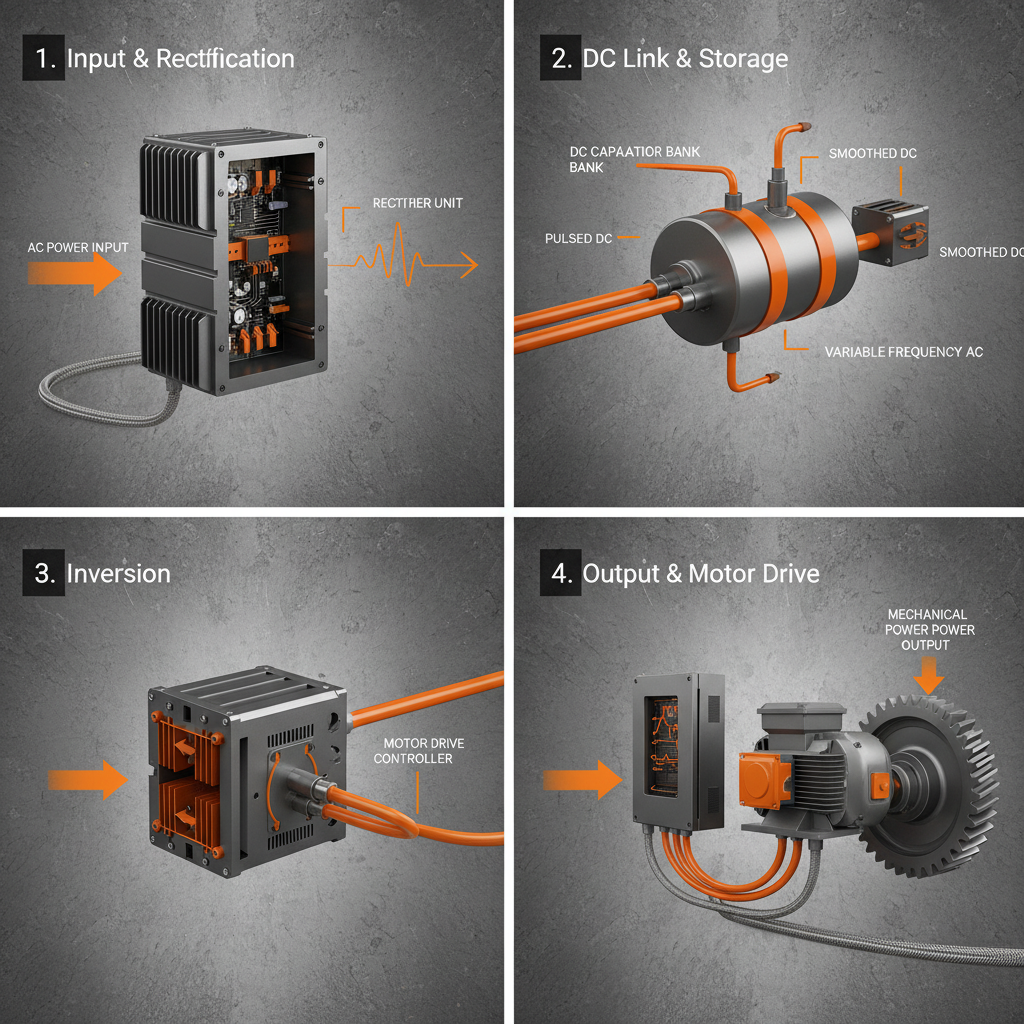
Simply put, a power conversion system takes electrical energy from one form and transforms it into another. This can involve changing the voltage (step-up or step-down), converting between AC and DC, or adjusting the frequency. It’s the unsung hero that allows different electrical devices and systems to work together seamlessly. It's like a translator for electricity – ensuring everyone's speaking the same language.

These systems are vital for connecting renewable energy sources – solar panels, wind turbines – to the grid. They're also essential for powering everything from industrial machinery to electric vehicles. And they’re becoming increasingly important in microgrids, allowing communities and businesses to generate and manage their own power independently. Think of off-grid solar farms in Africa – they wouldn’t be possible without efficient and reliable power conversion.

Ultimately, a reliable power conversion system isn’t just about technical specifications, it’s about enabling progress. It's about empowering communities, fueling innovation, and building a more sustainable future.

Core Components of Effective Power Conversion

At the heart of any power conversion system, you'll find semiconductors, particularly power transistors like MOSFETs and IGBTs. These act as electronic switches, controlling the flow of electricity. But it’s not just about the components themselves; it’s about how they're integrated. Passive components like inductors and capacitors are crucial for filtering and smoothing the power waveform. A well-designed magnetic core is essential for efficient energy transfer. You need quality materials and thoughtful layout to minimize losses and maximize performance.

Then you’ve got the control system – the “brain” of the operation. This involves microcontrollers, digital signal processors (DSPs), and sophisticated algorithms. The control system monitors the input and output voltages, currents, and frequencies, and adjusts the switching patterns of the power transistors to maintain the desired output. It's also responsible for implementing protective features, such as overvoltage and overcurrent protection. The sophistication of this control system is what differentiates a good system from a great one.

Finally, don’t underestimate the importance of thermal management. Power conversion generates heat, and if that heat isn’t dissipated effectively, the system will overheat and fail. That means robust heat sinks, efficient cooling fans, and careful consideration of airflow. I've seen too many systems fail prematurely simply because of poor thermal design. It’s a critical, often overlooked, aspect of a successful power conversion system.

Key Factors Influencing System Performance

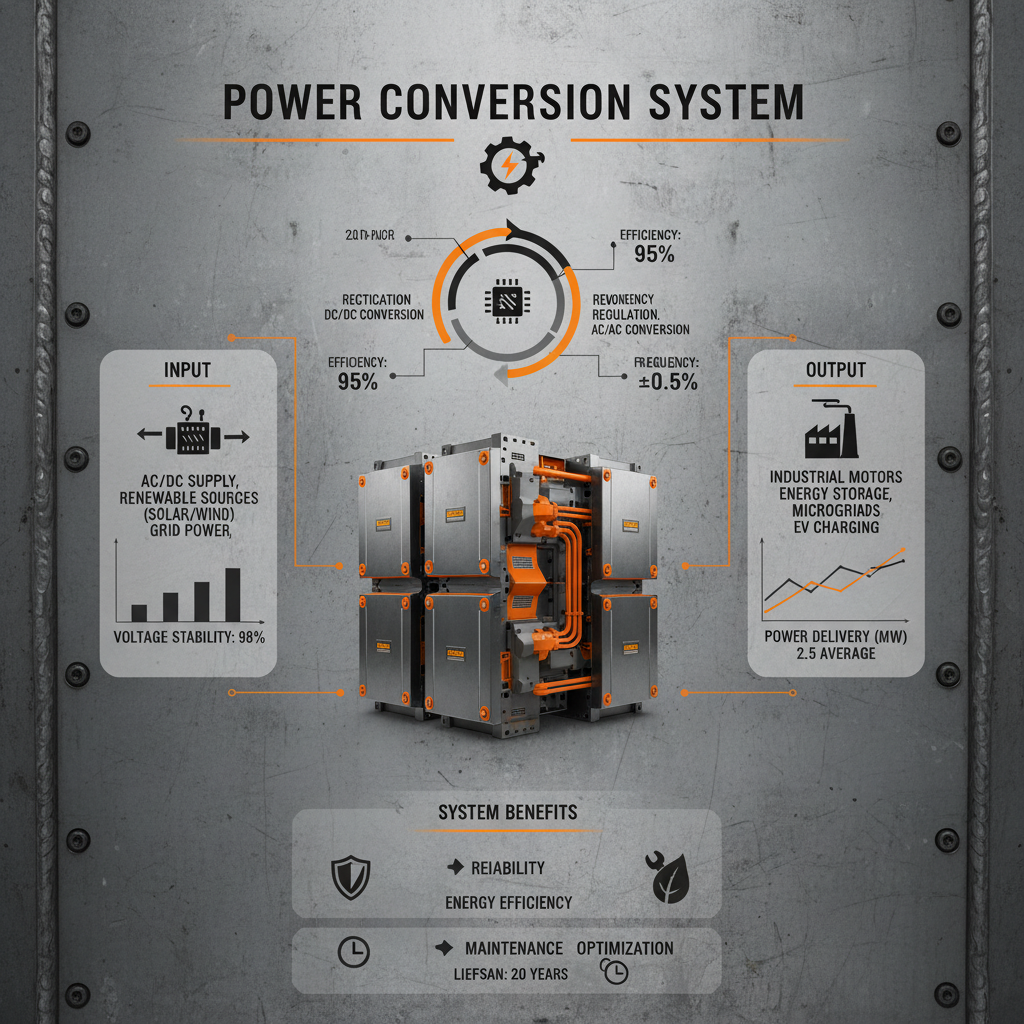
Efficiency is paramount. We’re talking about minimizing energy losses during the conversion process. Every watt lost is a wasted watt, and in large-scale applications, those losses can add up quickly. System designers focus on using high-efficiency components, optimizing the switching frequency, and minimizing parasitic inductance.

Reliability is another key consideration. Power conversion systems need to operate reliably for years, often in harsh environments. That means using robust components, implementing redundant designs, and protecting against voltage surges, temperature extremes, and electromagnetic interference. A system that’s constantly breaking down isn’t worth much, no matter how efficient it is.

Power Conversion System Performance Metrics


Real-World Applications of Power Conversion

I’ve seen power conversion systems in action everywhere from large-scale solar farms to remote telecom towers. In post-disaster relief operations, portable power conversion systems are absolutely critical for providing emergency power to hospitals, shelters, and communication networks. We're talking about life-saving equipment.

In remote industrial zones, like mining operations or oil rigs, they're used to provide reliable power to heavy machinery and equipment. And of course, in the rapidly growing electric vehicle (EV) market, power conversion is the heart of the charging infrastructure. Fast-charging stations rely on advanced power conversion technologies to deliver high-power DC to the EV battery quickly and efficiently.

Advantages and Long-Term Value

The benefits of a well-designed power conversion system extend far beyond just operational efficiency. Lower energy costs translate directly into increased profitability. Reduced downtime means less disruption and higher productivity. And by enabling the integration of renewable energy sources, we’re reducing our carbon footprint and creating a more sustainable future.

There’s also a strong social impact. Reliable power access improves quality of life, supports economic development, and empowers communities. Investing in robust power conversion is an investment in the future, both economically and socially. It builds trust with customers, reduces risks, and drives innovation.

Future Trends and Innovations

We're seeing a push towards wider bandgap semiconductors, like silicon carbide (SiC) and gallium nitride (GaN). These materials allow for higher switching frequencies and lower losses, resulting in smaller, more efficient power conversion systems. Digitalization is also playing a major role, with advancements in digital control algorithms and real-time monitoring.

The rise of microgrids and distributed generation is driving demand for smart inverters that can seamlessly integrate renewable energy sources, manage energy flow, and provide grid support services. And of course, artificial intelligence (AI) is being used to optimize power conversion performance, predict failures, and improve system reliability. We’re heading towards a future where power conversion systems are intelligent, adaptive, and self-healing.

I’m particularly excited about the potential of solid-state transformers (SSTs). These devices could replace traditional bulky and inefficient transformers with smaller, lighter, and more efficient alternatives. SSTs could revolutionize the way we distribute and manage power, but there are still challenges to overcome in terms of cost and reliability.

FAQS

What are the key factors to consider when selecting a power conversion system for a solar power plant?

When choosing a power conversion system for a solar plant, prioritize efficiency, reliability, and grid compatibility. Look for systems with maximum power point tracking (MPPT) capabilities to maximize energy harvest, robust protection features to ensure long-term operation, and compliance with local grid standards. Consider the system’s ability to handle varying weather conditions and its long-term maintenance requirements. Scalability is also important as solar plants often expand over time.

How do I ensure the power conversion system is compatible with existing grid infrastructure?

Grid compatibility is crucial. Ensure the power conversion system meets all relevant grid codes and standards, including voltage and frequency requirements, power factor correction, and harmonic distortion limits. The system should also have advanced grid support functions, such as voltage ride-through and reactive power control. Work with a qualified system integrator to conduct a thorough grid impact study before commissioning the system.

What are the maintenance requirements for a typical power conversion system?

Regular maintenance is essential for optimal performance. This includes visual inspections for loose connections and signs of damage, cleaning of dust and debris, and testing of key components. It’s recommended to have a preventative maintenance schedule in place, including periodic inspections of fans, filters, and control systems. Consider remote monitoring capabilities for early detection of potential issues.

How does the efficiency of a power conversion system impact overall energy costs?

Higher efficiency translates directly to lower energy costs. A more efficient system converts a larger percentage of input power to usable output, minimizing energy losses and reducing the amount of electricity that needs to be generated or purchased. Over the lifetime of the system, even a small improvement in efficiency can result in significant cost savings. It’s a key metric when evaluating different power conversion options.

What is the role of power conversion in electric vehicle (EV) charging infrastructure?

Power conversion is central to EV charging. DC fast chargers require high-power AC-DC conversion to deliver the necessary voltage and current to the EV battery. Efficient power conversion minimizes charging time and reduces energy losses. Advanced power conversion technologies are enabling smaller, lighter, and more cost-effective charging solutions. As EV adoption grows, the demand for reliable and efficient power conversion will continue to increase.

What are some common challenges associated with integrating power conversion systems into microgrids?

Integrating power conversion systems into microgrids requires careful coordination of multiple energy sources and loads. Challenges include ensuring seamless transitions between grid-connected and islanded modes, maintaining voltage and frequency stability, and managing bidirectional power flow. Advanced control algorithms and communication protocols are essential for optimizing microgrid performance and ensuring reliable operation. Cyber security is also a growing concern.

Conclusion

In conclusion, the power conversion system is the linchpin of modern power infrastructure. From enabling renewable energy integration to powering critical infrastructure and driving innovation in electric vehicles, its impact is undeniable. Investing in high-quality, efficient, and reliable power conversion is not just a technical decision; it’s a strategic imperative for building a sustainable and resilient future.

Looking ahead, we can expect to see even more advancements in power conversion technology, driven by the demand for greater efficiency, lower costs, and improved grid integration. The key will be to embrace innovation, prioritize reliability, and focus on solutions that meet the evolving needs of a rapidly changing world. For more information on our leading-edge power conversion solutions, visit our website: www.acdcbess.com.

Kevin Wilson

Kevin Wilson

Kevin Wilson is a Senior Systems Integration Engineer at Suzhou ACDC New Energy Technology. He leads the team responsible for seamlessly integrating our BMS, EMS, and thermal management systems into complete energy storage solutions. Kevin has a strong background in control systems and automation, with experience in designing and implementing
Previous Understanding dc/ac Power Solutions for Modern and Sustainable Applications
Next Power Transmission Solutions