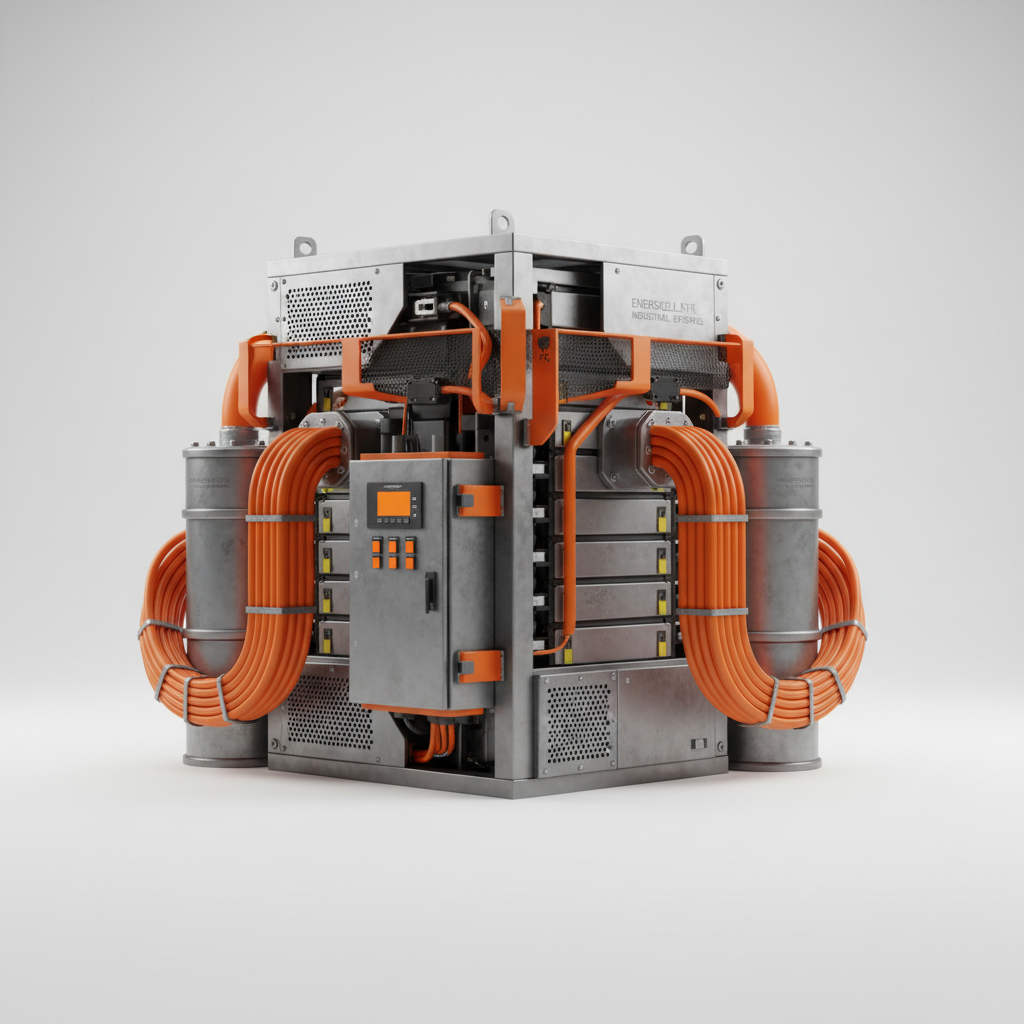
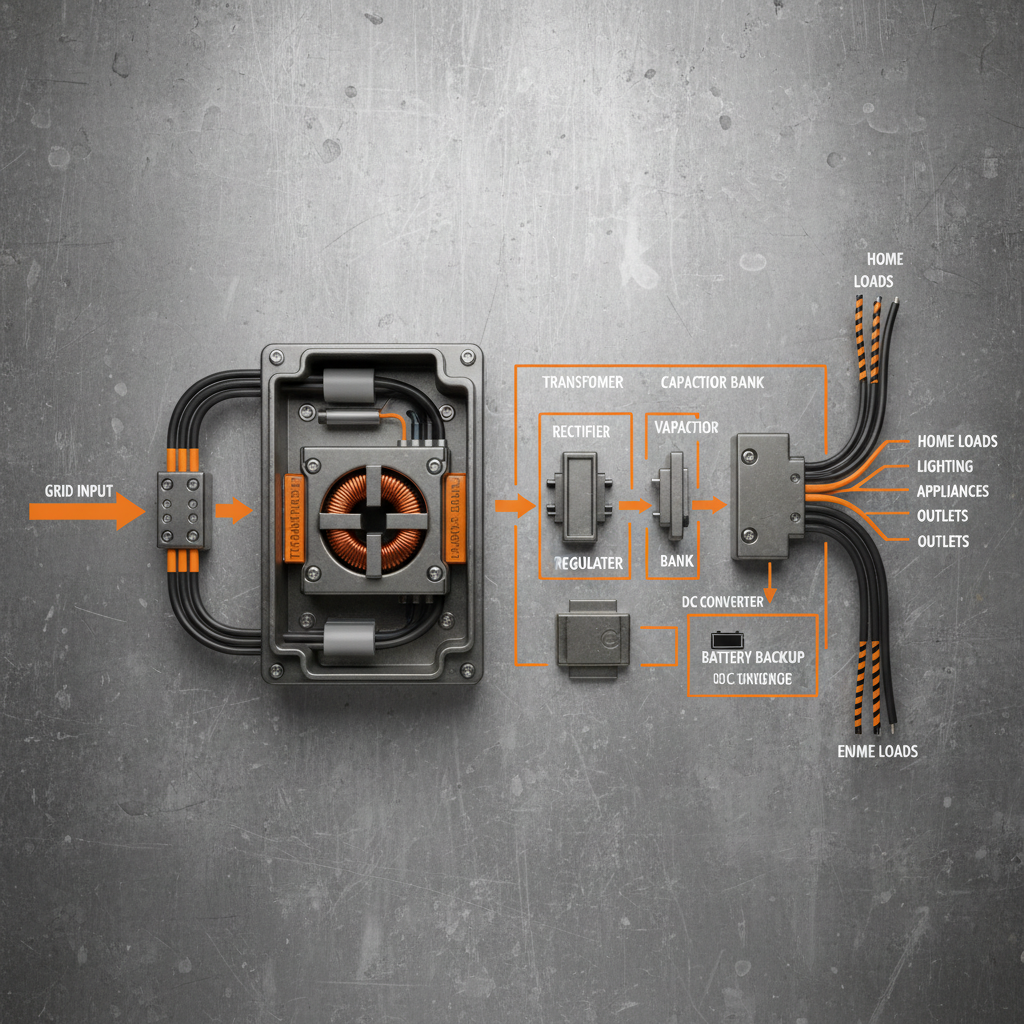
The world's shifting towards a more decentralized energy landscape, and the need for seamless power conversion is exploding. It's not just about renewables like solar and wind anymore; microgrids, electric vehicle charging infrastructure, and even advanced energy storage systems all rely on efficient and reliable power electronics. That’s where the dc/ac bidirectional converter comes in – it’s the workhorse enabling these crucial systems. I’ve spent the last decade crawling around construction sites, watching these technologies come to life, and the common denominator is always a solid, dependable way to move power back and forth between DC and AC. It’s moved beyond the lab and into the real world, and frankly, it’s become essential.
What I've seen on job sites is that the traditional approach—separate inverters and rectifiers—is clunky, expensive, and takes up too much space. We're constantly battling constraints: limited space in electrical rooms, demanding reliability requirements, and the ever-present pressure to reduce costs. The dc/ac bidirectional converter solves these problems by combining the functions of both into a single, integrated unit. This simplifies design, reduces component count, and improves overall system efficiency. It’s the difference between a complicated patchwork solution and a streamlined, robust power system.
Frankly, the evolution of this technology isn't just a matter of engineering specs. It's about enabling a future where energy is more accessible, resilient, and sustainable. From powering remote communities to supporting the growth of electric transportation, the dc/ac bidirectional converter is playing a vital role in shaping a cleaner, more efficient energy future. I've seen firsthand the impact it can have, and it’s a technology worth understanding.
The Core Functionality of dc/ac bidirectional converter
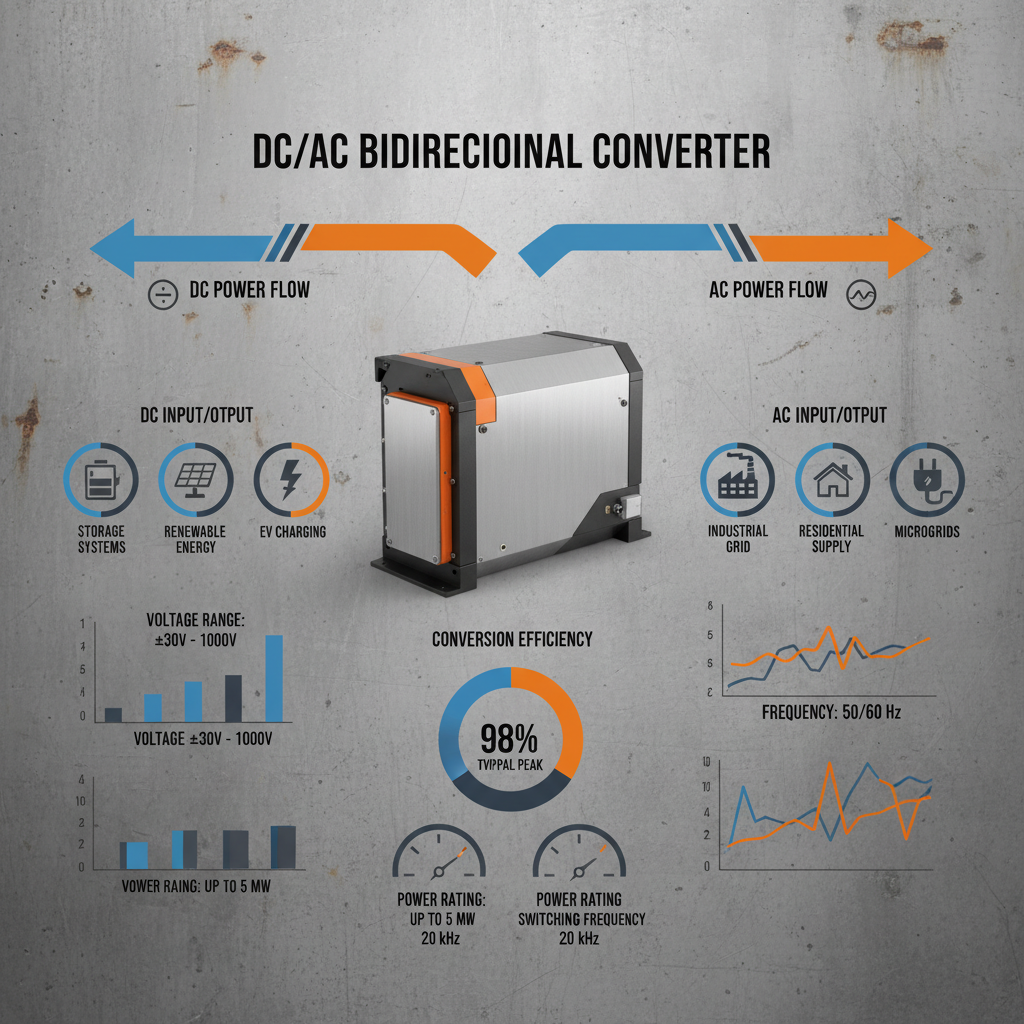
At its heart, a dc/ac bidirectional converter is exactly what it sounds like: a power electronic device that can convert electrical power from direct current (DC) to alternating current (AC), and from AC to DC. It's not just a one-way street. This two-way functionality is crucial for applications like energy storage, where you need to both charge a battery (DC from AC) and discharge it to power a load (AC from DC). I've seen guys trying to rig up separate converters, and it's a mess of wiring, inefficiency, and potential failure points.
What really separates a good one from a bad one is efficiency and robustness. On a job site, we’re dealing with variable conditions – temperature swings, dust, vibration – and the last thing you want is a converter that's constantly overheating or failing. It’s about reliable performance, plain and simple.
The Global Significance of dc/ac bidirectional converter
Look around the world – from the sprawling solar farms in the American Southwest to the microgrids powering remote villages in Africa – the demand for efficient power conversion is skyrocketing. The International Renewable Energy Agency (IRENA) estimates that global renewable energy capacity needs to grow exponentially in the coming decades to meet climate goals. And that growth requires sophisticated power electronics like the dc/ac bidirectional converter. It's not just a nice-to-have; it's a foundational element of the energy transition.
The problem is a lot of existing grid infrastructure isn’t set up to handle the intermittent nature of renewable sources. That's where these converters come in – they enable us to integrate renewables more effectively, stabilize the grid, and improve overall energy reliability. I've seen firsthand how crucial this is in areas with unreliable power grids.
What’s happening in developing nations is particularly interesting. They're often leapfrogging traditional grid infrastructure and going straight to decentralized, renewable-powered systems. The dc/ac bidirectional converter is essential for enabling these off-grid solutions, bringing electricity to communities that have never had access before.
Defining the dc/ac bidirectional converter
Simply put, the dc/ac bidirectional converter is a power conversion device that acts as an interface between DC and AC power sources and loads. It leverages advanced semiconductor technology – think IGBTs, MOSFETs, and silicon carbide (SiC) – and sophisticated control algorithms to efficiently transfer power in both directions. It's a far cry from the bulky, inefficient converters of the past.
Its connection to modern industry and humanitarian needs is profound. In industry, it's enabling more efficient manufacturing processes, reducing energy costs, and improving power quality. In humanitarian contexts, it's powering essential services like healthcare, education, and communication in disaster-stricken areas. I've spent time working with teams deploying these in emergency situations, and the impact is tangible.
The real beauty of this technology lies in its versatility. It can be used in a wide range of applications, from grid-tied energy storage to electric vehicle charging, making it a critical component of a sustainable energy future.
Key Aspects of High-Performance dc/ac bidirectional converter
There are a few things I look for when evaluating a dc/ac bidirectional converter on a job site. First, efficiency is paramount. We’re losing money every percentage point below optimal efficiency, so every watt counts. Second, reliability – it has to be able to withstand harsh conditions and operate consistently.
Third, power density is crucial, especially in space-constrained applications. We’re always crammed into tight electrical rooms, so a smaller, more compact converter is a huge advantage. Fourth, grid support capabilities are becoming increasingly important, with features like voltage and frequency regulation.
dc/ac bidirectional converter Performance Metrics
Real-World Applications of dc/ac bidirectional converter
You'll find these converters everywhere. In post-disaster relief operations, they're powering critical communication infrastructure and medical equipment. In remote industrial zones, they're enabling reliable access to electricity for mining operations and other demanding applications.
Electric vehicle charging stations heavily rely on these converters to manage the flow of power between the grid and the vehicle battery. And, of course, energy storage systems – both residential and utility-scale – are almost entirely dependent on bidirectional converters for efficient charging and discharging. I’ve seen massive battery storage facilities use dozens of these converters, all working together seamlessly.
The Long-Term Value Proposition of dc/ac bidirectional converter
The benefits go beyond just technical specs. By increasing efficiency and reducing component count, these converters translate directly into lower operating costs and reduced maintenance requirements. That’s huge for project owners. They also contribute to a more sustainable energy system by enabling greater adoption of renewable energy sources.
The long-term reliability and scalability of these systems are also major advantages. You’re not just solving today’s power needs; you're building a foundation for future growth. It’s a smart investment, plain and simple.
Future Trends in dc/ac bidirectional converter Technology
Silicon carbide (SiC) and gallium nitride (GaN) semiconductors are game-changers. They allow for higher switching frequencies, lower losses, and increased power density, resulting in more efficient and compact converters. We’re also seeing advancements in control algorithms, utilizing artificial intelligence (AI) and machine learning (ML) to optimize performance and enhance grid stability.
The trend towards modular designs is also significant, allowing for greater flexibility and scalability. I've been working with vendors offering pre-engineered, modular converter systems that can be easily expanded to meet changing power demands.
And with the increasing focus on digitalization, we can expect to see more sophisticated monitoring and control systems, providing real-time insights into converter performance and enabling predictive maintenance.
Summary of dc/ac bidirectional converter Technology Challenges and Solutions
| Challenge |
Impact on dc/ac bidirectional converter Performance |
Proposed Solution |
Implementation Complexity (1-10) |
| High Switching Losses |
Reduced Efficiency, Increased Heat Dissipation |
Utilize SiC or GaN Semiconductors |
7 |
| Electromagnetic Interference (EMI) |
Disrupts Nearby Electronic Systems |
Improved Shielding and Filtering Techniques |
6 |
| Thermal Management |
Reduced Reliability, Component Degradation |
Advanced Cooling Solutions (e.g., Liquid Cooling) |
8 |
| Control Algorithm Complexity |
Difficulty Achieving Optimal Performance |
Implementation of AI/ML-Based Control |
9 |
| Cost of Components |
High Initial Investment |
Volume Procurement and Design Optimization |
5 |
| Grid Integration Challenges |
Instability and Power Quality Issues |
Advanced Grid Support Features |
7 |
FAQS
The key difference is directionality. A standard inverter only converts DC to AC. A bidirectional converter can do that, and convert AC back to DC. This two-way capability is crucial for applications like energy storage, where you need to both charge and discharge a battery. It simplifies system design and improves overall efficiency, reducing the need for separate inverters and rectifiers.
Consider the power level you need, the voltage and frequency requirements of your system, and the operating environment. Look for converters with high efficiency, robust protection features, and a proven track record of reliability. Also, think about scalability – can the converter be easily expanded to meet future needs? I always recommend getting a detailed specification sheet and talking to the vendor's engineering team.
With proper maintenance and operation, a high-quality dc/ac bidirectional converter should last at least 10-15 years. However, the lifespan can be affected by factors like temperature, humidity, and load cycles. Regular inspections, cleaning, and preventative maintenance are essential for maximizing lifespan.
These devices deal with high voltages and currents, so it’s crucial to follow proper safety procedures. Always disconnect the power source before performing any maintenance or repairs. Wear appropriate personal protective equipment (PPE), such as gloves and safety glasses. And make sure the installation is performed by a qualified electrician.
SiC allows for higher switching frequencies, lower losses, and better thermal performance compared to traditional silicon-based devices. This translates to increased efficiency, reduced size and weight, and improved reliability. While SiC components are more expensive upfront, the long-term benefits often outweigh the initial cost.
We're seeing a move towards wider bandgap semiconductors like SiC and GaN, advanced control algorithms based on AI/ML, and more modular and scalable designs. The industry is also focusing on improving grid integration capabilities and reducing the overall cost of these converters. The future is about smarter, more efficient, and more reliable power conversion.
Conclusion
The dc/ac bidirectional converter is more than just a piece of equipment; it’s a foundational technology enabling the transition to a more sustainable and resilient energy future. From its core functionality of seamless power conversion to its diverse range of applications in renewables, energy storage, and electric transportation, this technology is shaping the way we generate, distribute, and consume energy. Understanding its benefits, challenges, and future trends is crucial for anyone involved in the power electronics industry.
As we move forward, continued innovation in semiconductor materials, control algorithms, and system integration will be key to unlocking the full potential of dc/ac bidirectional converters. I encourage you to explore the possibilities and consider how this technology can benefit your projects and contribute to a cleaner, more efficient world. For more information, and to explore our range of solutions, visit our website: dc/ac bidirectional converter.