


Mar . 28, 2026 01:55 Back to list
Advancements in Molten Salt Energy Storage Technology for Sustainable Power Solutions
Molten Salt Energy Storage Technology: A Comprehensive Overview
The demand for efficient and sustainable energy storage solutions is rapidly increasing. Among the innovative technologies emerging to meet this need, molten salt energy storage technology stands out due to its high efficiency, scalability, and cost-effectiveness. This article will explore the principles behind this technology, its benefits, applications, current state of development, and the role ACDC BESS plays in advancing its implementation. Understanding this technology is crucial for professionals in the energy sector and those interested in sustainable energy solutions.
Understanding the Fundamentals of Molten Salt Energy Storage
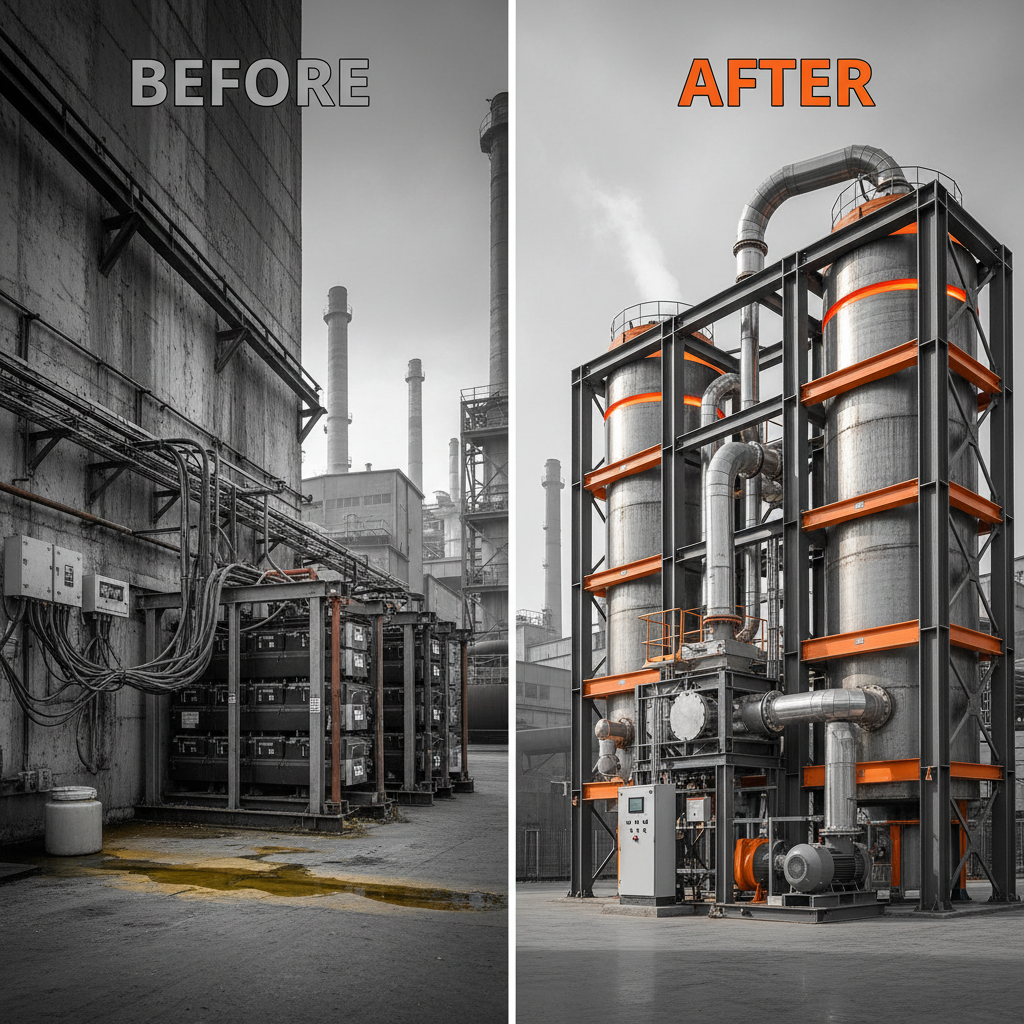
Molten salt energy storage (MSES) utilizes the heat capacity of molten salts to store thermal energy. This energy can be generated from various sources, including solar thermal power plants, nuclear reactors, and industrial waste heat. The molten salt, typically a mixture of sodium and potassium nitrates, is heated to a high temperature (typically between 500°C and 800°C) and then stored in insulated tanks. When energy is needed, the hot molten salt is used to generate steam, which drives a turbine to produce electricity. The key advantage of MSES lies in its ability to store large amounts of energy for extended periods with minimal energy loss. The salts retain thermal energy remarkably well.
Key Benefits: High energy density, long duration storage, scalability, and compatibility with various heat sources.
Molten Salt Energy Storage vs. Other Storage Technologies
Compared to other energy storage technologies like lithium-ion batteries or pumped hydro storage, MSES offers distinct advantages, particularly for long-duration storage. While batteries excel in rapid response times and high efficiency for shorter durations, they become cost-prohibitive for large-scale, long-term storage. Pumped hydro requires specific geographical features and can have environmental impacts. MSES provides a compelling alternative, offering a balance of cost, efficiency, and scalability. ACDC BESS focuses on integrating MSES with renewable energy sources to provide reliable and sustainable power solutions.
Comparative Analysis:
• Energy Density: MSES significantly higher than batteries.
• Duration: MSES ideal for long-duration (hours to days).
• Cost: MSES competitive for large-scale, long-duration storage.
• Environmental Impact: Relatively low compared to pumped hydro.
Applications of Molten Salt Energy Storage Technology
The applications of MSES are diverse and growing. Concentrated Solar Power (CSP) plants are currently the most common application, allowing for electricity generation even when the sun isn't shining. MSES can also be integrated with nuclear power plants to enhance their flexibility and reliability. Furthermore, it can be used to capture and store waste heat from industrial processes, improving energy efficiency and reducing carbon emissions. Emerging applications include integration with wind farms and providing grid stabilization services. ACDC BESS is actively developing solutions for integrating MSES into various renewable energy projects.
Key Components and System Design of Molten Salt Systems
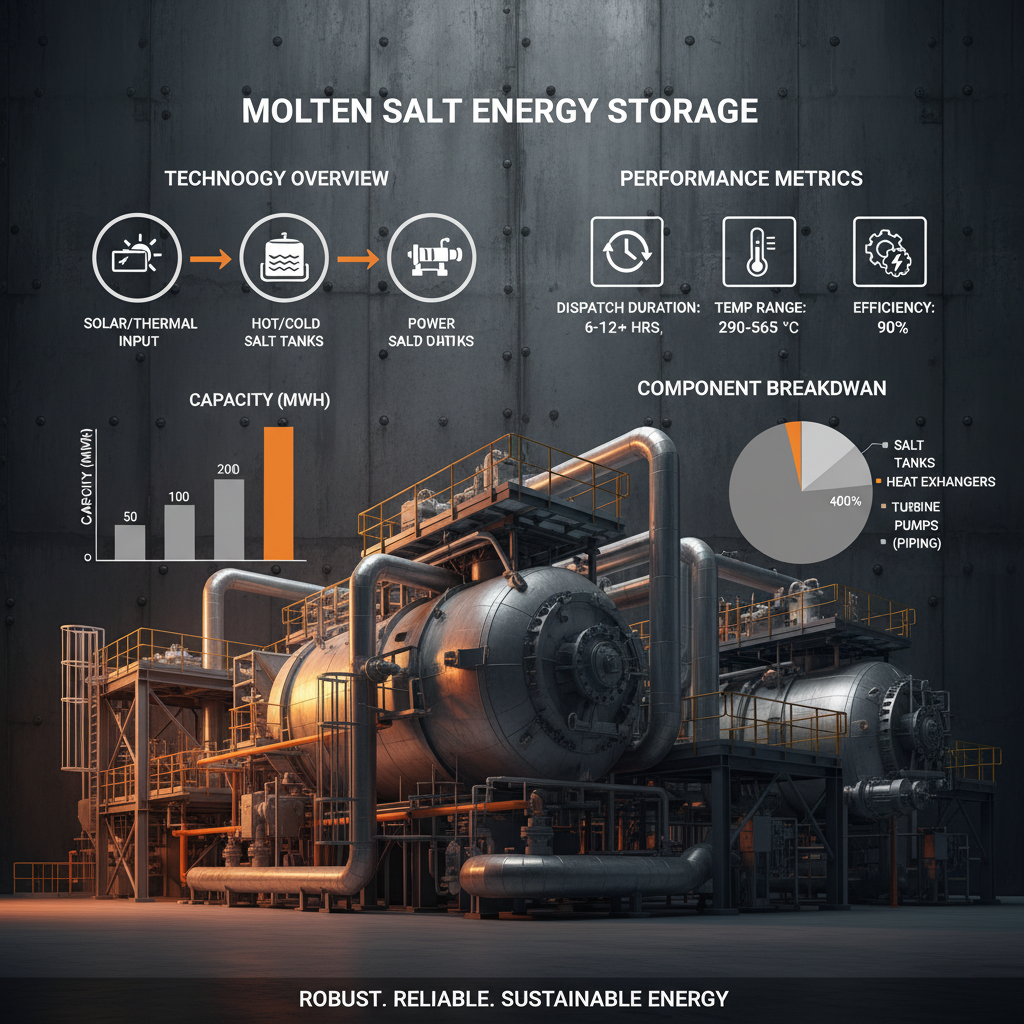
A typical MSES system comprises several key components: a heat source, a heat exchanger, hot and cold molten salt tanks, a steam generator, and a turbine. The heat source transfers thermal energy to the molten salt, raising its temperature. The hot molten salt is then circulated through a heat exchanger to generate steam, which drives a turbine to produce electricity. The cooled molten salt is returned to the cold tank for reheating. Efficient insulation is critical to minimize heat loss and maintain storage efficiency. System design focuses on optimizing heat transfer, minimizing corrosion, and ensuring long-term reliability.
The Future of Molten Salt Energy Storage: Challenges and Opportunities
While MSES holds immense promise, challenges remain. Corrosion of materials by molten salts at high temperatures is a major concern, requiring the development of specialized alloys and protective coatings. Reducing the cost of molten salt and improving system efficiency are also crucial for wider adoption. Nevertheless, ongoing research and development efforts are addressing these challenges. ACDC BESS is committed to overcoming these hurdles and making MSES a cornerstone of a sustainable energy future.
Conclusion: Harnessing the Power of Thermal Storage
Molten salt energy storage technology represents a significant advancement in energy storage solutions, offering a viable pathway to a more sustainable energy future. Its high energy density, long duration storage capabilities, and scalability make it an ideal complement to renewable energy sources. As the technology continues to mature and costs decrease, MSES is poised to play an increasingly important role in powering our world.
Frequently Asked Questions (FAQs)
What are the primary materials used in molten salt mixtures?
The most common molten salt mixtures used in energy storage consist of sodium nitrate (NaNO3) and potassium nitrate (KNO3). These salts offer a good combination of thermal properties, including high heat capacity and a suitable melting point. Often, a small percentage of calcium nitrate (Ca(NO3)2) is added to lower the melting point further and improve the salt’s stability. The exact composition of the mixture can vary depending on the specific application and operating temperature requirements. Maintaining the purity of the salt is crucial to prevent corrosion and ensure optimal performance.
How does corrosion affect the longevity of MSES systems?
Corrosion is a significant challenge in MSES systems due to the highly corrosive nature of molten salts at high temperatures. The salts can react with the materials used in the tanks, heat exchangers, and piping, leading to material degradation and potential leaks. Researchers are actively developing corrosion-resistant alloys, such as those containing chromium, nickel, and molybdenum, and exploring protective coatings to mitigate this issue. Careful selection of materials and implementation of corrosion monitoring programs are essential to ensure the long-term reliability of MSES systems.
What is the typical round-trip efficiency of a molten salt energy storage system?
The round-trip efficiency of a MSES system, which is the ratio of energy recovered to energy stored, typically ranges from 50% to 70%. Several factors influence this efficiency, including the operating temperature, the insulation quality of the tanks, and the efficiency of the heat exchangers and turbine. Ongoing research is focused on improving these components and optimizing system design to increase round-trip efficiency and reduce energy losses. ACDC BESS prioritizes high-efficiency designs in its MSES solutions.
Can molten salt storage be used with different renewable energy sources?
Yes, molten salt storage is highly versatile and can be integrated with various renewable energy sources. While it’s commonly paired with concentrated solar power (CSP), it can also be used with wind energy, geothermal energy, and even waste heat recovery systems. The key is to have a heat source that can heat the molten salt to the required temperature. This flexibility makes MSES a valuable asset in building a diversified and resilient renewable energy grid.
-
Cedar Point EV Charging Solutions for Sustainable Tourism Experience
NewsApr.16,2026
-
Guide to Cedar Point Charging Stations for EV Park Visitors
NewsApr.16,2026
-
Acorn Stairlift Charging Point Guide for Home Mobility Optimization
NewsApr.16,2026
-
Integrating a Wireless Charging Point into Modern Infrastructure
NewsApr.16,2026
-
How to Optimize Your iPhone 14 Charging Point for Efficiency
NewsApr.16,2026
-
Analyzing the Charging Point Share Price Trends and Market Outlook
NewsApr.09,2026