

Mar . 26, 2026 01:55 Back to list
Advancing Sustainable Power Solutions with Green Energy Storage Technology
Green Energy Storage Technology: Powering a Sustainable Future
The world is rapidly transitioning towards renewable energy sources like solar and wind power. However, the intermittent nature of these sources presents a significant challenge. Green energy storage technology is crucial for overcoming this hurdle, ensuring a reliable and consistent energy supply. This article will explore the various technologies available, their benefits, and how ACDC BESS is contributing to a more sustainable energy future. Without effective storage, the full potential of renewables cannot be realized.
Understanding the Need for Green Energy Storage
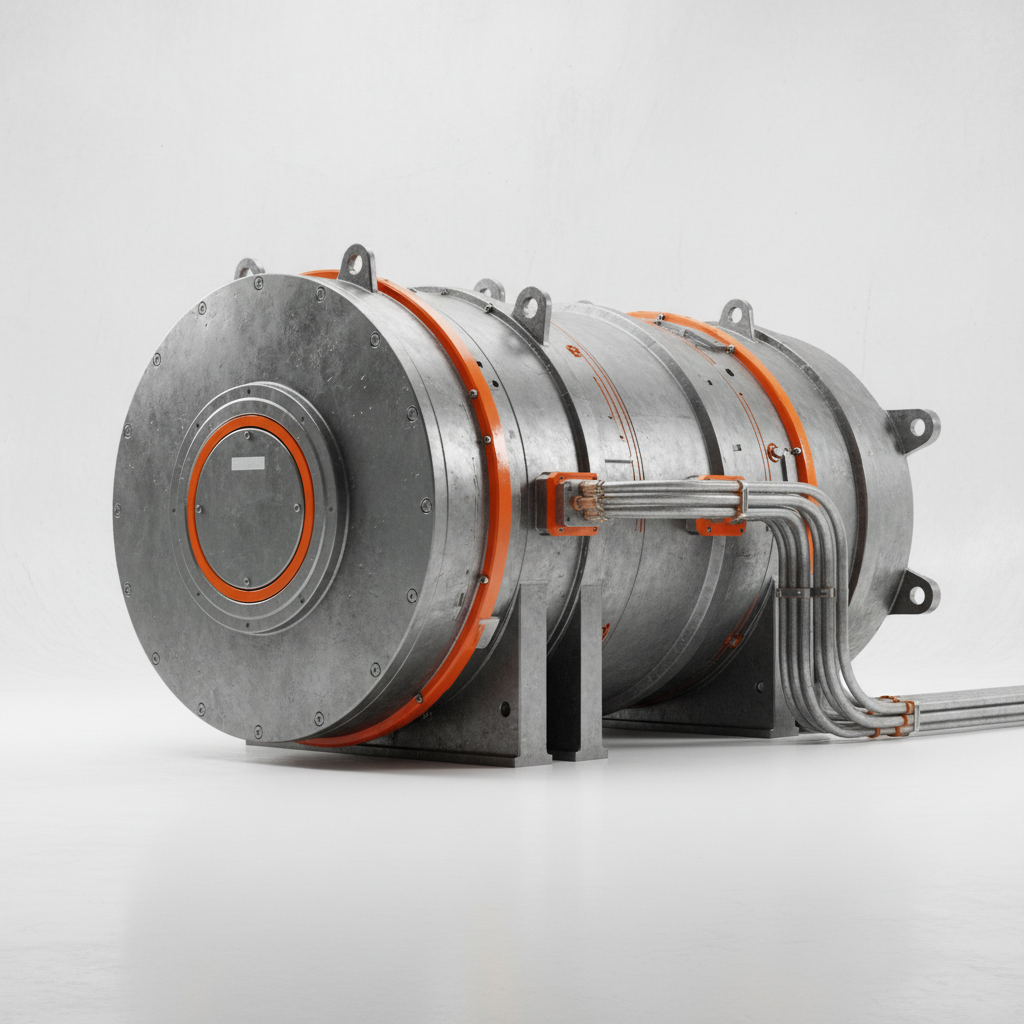
Renewable energy sources are inherently variable. Sunlight isn't constant, and wind speeds fluctuate. This intermittency means that relying solely on these sources can lead to instability in the power grid. Energy storage technologies bridge this gap by capturing excess energy when production is high and releasing it when demand exceeds supply. This ensures a consistent and reliable power supply, even when the sun isn't shining or the wind isn't blowing. ACDC BESS systems are designed to address this fundamental challenge with cutting-edge solutions.
Key Benefit: Consistent and reliable energy supply despite the intermittent nature of renewables.
Types of Green Energy Storage Technologies
Several technologies are employed for green energy storage, each with its own advantages and disadvantages. These include Lithium-ion batteries, flow batteries, pumped hydro storage, compressed air energy storage (CAES), and thermal energy storage. Lithium-ion batteries are currently the most prevalent, offering high energy density and efficiency. However, other technologies are gaining traction, particularly for large-scale, long-duration storage. ACDC BESS specializes in advanced lithium-ion battery storage solutions tailored for various applications.
Key Storage Technologies:
• Lithium-ion Batteries: High energy density, fast response times.
• Flow Batteries: Long duration storage, scalability.
• Pumped Hydro Storage: Large-scale storage, mature technology.
• Compressed Air Energy Storage (CAES): Large-scale, geographically limited.
Lithium-ion Battery Storage: A Detailed Look
Lithium-ion batteries are the dominant technology in the green energy storage market due to their high energy density, relatively fast response times, and decreasing costs. They are well-suited for a variety of applications, from residential solar-plus-storage systems to large-scale grid stabilization projects. However, concerns regarding raw material sourcing and end-of-life recycling are driving innovation in battery chemistry and supply chain management. ACDC BESS utilizes the latest advancements in lithium-ion technology to deliver high-performance, safe, and reliable storage solutions.
Applications of Green Energy Storage
The applications of green energy storage are diverse and expanding. They include grid-scale energy storage for balancing supply and demand, residential solar-plus-storage systems for homeowners, microgrids for localized power resilience, and electric vehicle (EV) charging infrastructure. As renewable energy penetration increases, the demand for reliable storage solutions will continue to grow. ACDC BESS provides solutions tailored to each of these applications.
ACDC BESS: Innovating in Energy Storage
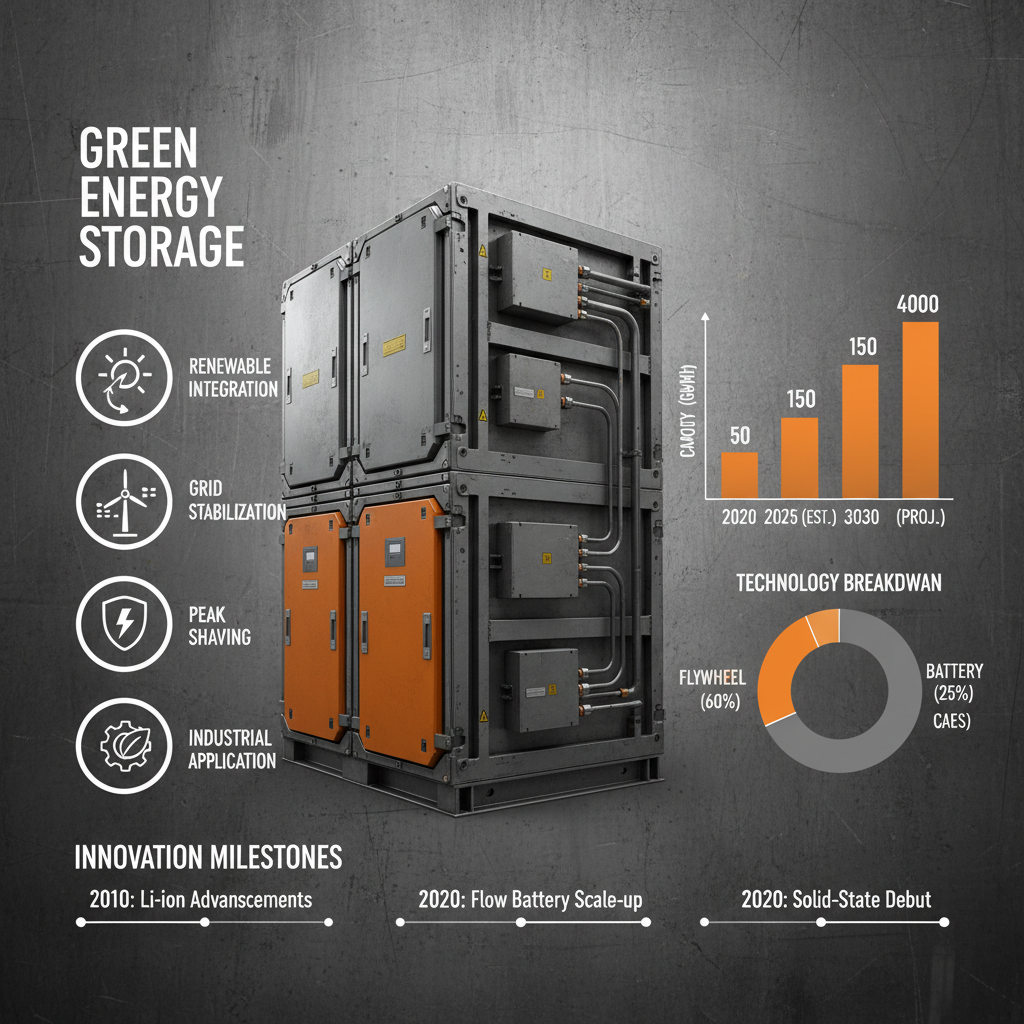
ACDC BESS is a leading provider of integrated energy storage solutions. We specialize in designing, manufacturing, and deploying high-performance lithium-ion battery systems for a wide range of applications. Our systems are known for their reliability, efficiency, and safety. We are committed to driving the adoption of renewable energy through innovative storage solutions. We offer customizable solutions to meet specific project requirements, from small-scale residential systems to large-scale grid-connected projects.
Conclusion: A Brighter Future with Energy Storage
Green energy storage technology is no longer a luxury, but a necessity for a sustainable energy future. ACDC BESS is at the forefront of this revolution, providing innovative and reliable storage solutions to power a cleaner, more resilient world.
Frequently Asked Questions (FAQs)
What are the environmental benefits of using green energy storage?
By enabling greater utilization of renewable energy sources, green energy storage significantly reduces reliance on fossil fuels. This leads to lower greenhouse gas emissions, improved air quality, and a decreased carbon footprint. Energy storage also enhances grid stability, reducing the need for polluting peaking power plants. Furthermore, advancements in battery technology are focusing on sustainable material sourcing and recycling processes, minimizing the environmental impact throughout the entire lifecycle. ACDC BESS is committed to environmentally responsible practices in its manufacturing and operations.
How does ACDC BESS ensure the safety and reliability of its energy storage systems?
Safety is paramount at ACDC BESS. Our systems undergo rigorous testing and certification to meet the highest industry standards. We incorporate advanced battery management systems (BMS) to monitor and control battery performance, preventing overcharging, overheating, and other potential hazards. We also implement multiple layers of safety features, including thermal runaway protection and fire suppression systems. Furthermore, our systems are designed for long-term reliability and are backed by comprehensive warranties and support services.
What is the typical lifespan of an ACDC BESS battery system?
The lifespan of an ACDC BESS battery system typically ranges from 10 to 15 years, depending on usage patterns, operating conditions, and the specific battery chemistry. Our systems are designed to maintain a high level of performance throughout their lifespan, with minimal degradation in capacity. We offer battery replacement and upgrade options to ensure continued operation and maximize return on investment.
Can ACDC BESS systems be integrated with existing renewable energy infrastructure?
Yes, ACDC BESS systems are designed for seamless integration with existing renewable energy infrastructure, such as solar farms and wind turbines. Our experienced engineers work closely with clients to ensure compatibility and optimize system performance. We offer a range of communication protocols and control interfaces to facilitate integration with various grid management systems.
-
Cedar Point EV Charging Solutions for Sustainable Tourism Experience
NewsApr.16,2026
-
Guide to Cedar Point Charging Stations for EV Park Visitors
NewsApr.16,2026
-
Acorn Stairlift Charging Point Guide for Home Mobility Optimization
NewsApr.16,2026
-
Integrating a Wireless Charging Point into Modern Infrastructure
NewsApr.16,2026
-
How to Optimize Your iPhone 14 Charging Point for Efficiency
NewsApr.16,2026
-
Analyzing the Charging Point Share Price Trends and Market Outlook
NewsApr.09,2026