


Feb . 25, 2026 01:55 Back to list
Choosing the Best Portable Power Station for Fridge Use and Extended Cooling
Choosing the Right Portable Power Station for Fridge Use
Keeping food and beverages cold while on the go, whether camping, overlanding, or facing a power outage, requires a reliable power source. A portable power station for fridge use is a fantastic solution, offering convenience and peace of mind. This article will guide you through selecting the best power station to meet your fridge’s needs, covering essential factors like capacity, output, and features. We’ll delve into what to look for and how to choose a power station that keeps your essentials cool and fresh.
Understanding Your Fridge's Power Requirements
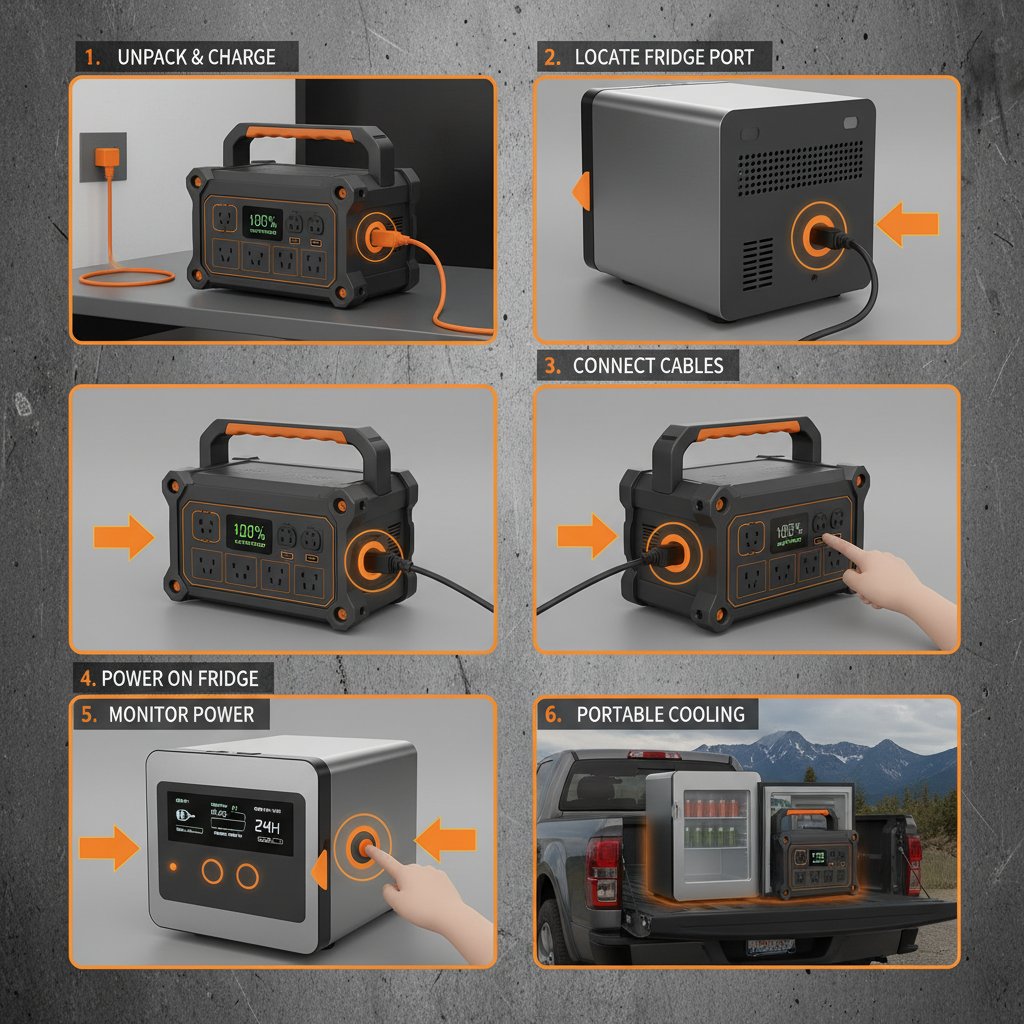
Before investing in a portable power station, it’s crucial to understand your fridge's power consumption. Fridges don’t run constantly; they cycle on and off to maintain temperature. The power usage varies greatly depending on the fridge’s size, efficiency, and age. You'll need to determine both the running wattage (the power used when the compressor is on) and the surge wattage (the power needed to start the compressor). Check the fridge’s label or owner’s manual for this information. Ignoring these figures can lead to a power station that can’t adequately run your fridge.
Key Considerations When Choosing a Portable Power Station for Fridge
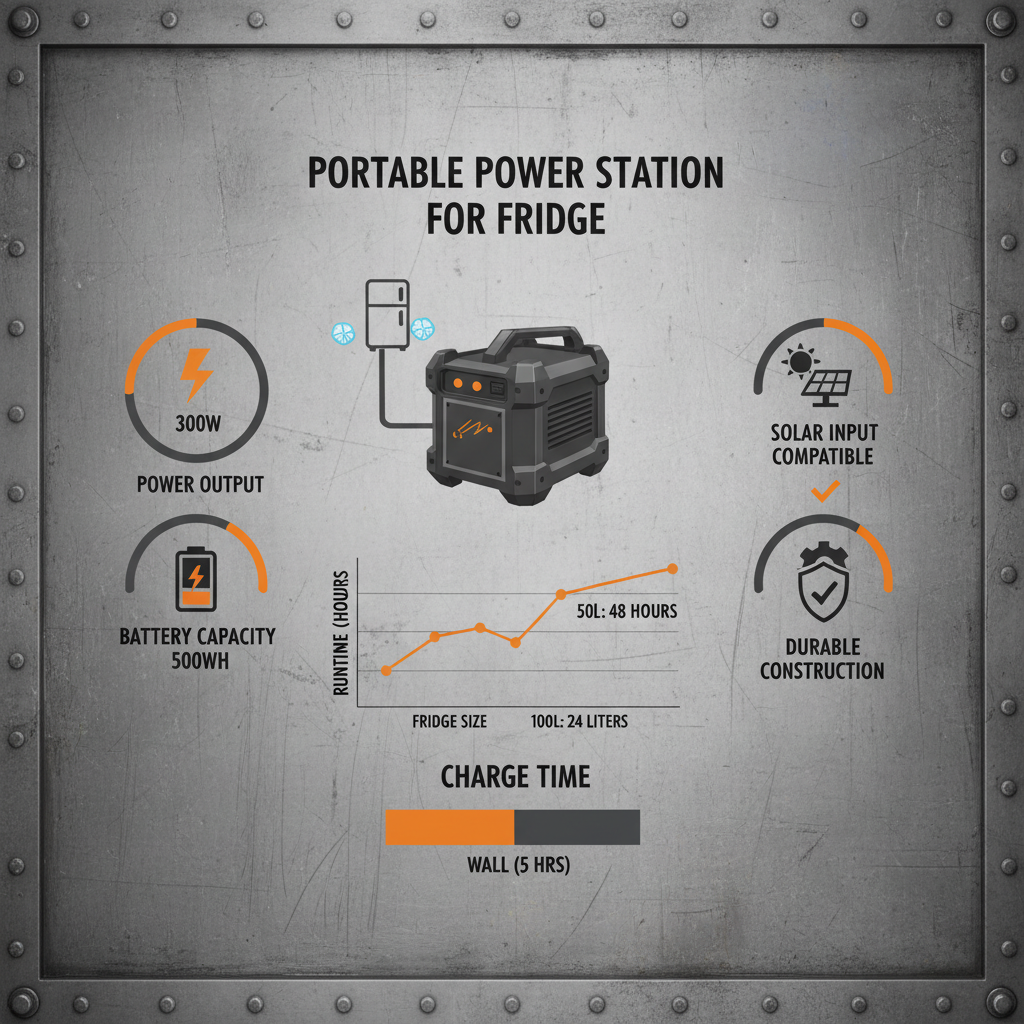
Several key factors influence the suitability of a portable power station for fridge operation. Capacity (Wh) is paramount – it determines how long the power station can run your fridge on a single charge. Output (Watts) must exceed your fridge’s surge wattage. Portability is vital if you plan to move the power station frequently. Look for models with handles and a manageable weight. Charging Options (AC, solar, car) add flexibility, especially for extended off-grid use. Finally, consider features like LCD displays, multiple output ports, and safety protections.
Important Factors: Capacity (Wh) and Output (Watts) are the most crucial specifications to match with your fridge's power demands. Consider portability and charging options for convenience.
Comparing Portable Power Stations for Fridge Applications
Numerous portable power stations are available, each with different strengths. Lower-capacity models (200-500Wh) are suitable for small fridges and short-term use. Mid-range options (500-1000Wh) offer a balance of power and portability, ideal for weekend camping trips. High-capacity stations (1000Wh+) are best for longer excursions, emergency backup power, or running larger, more power-hungry fridges. Solar charging compatibility is becoming increasingly common, allowing you to replenish power on the go. Choosing the right power station depends on your specific fridge size and usage scenario. ACDCBESS offers a range of solutions tailored to diverse power needs.
Maximizing Runtime: Tips and Tricks
To extend your portable power station’s runtime, consider these tips. Reduce your fridge’s energy consumption by minimizing how often you open the door. Ensure the fridge is well-insulated. Use a more efficient DC-powered fridge designed for off-grid use. Employ solar panels to recharge the power station during daylight hours. Adjust the fridge’s temperature setting to a slightly warmer level if feasible. Regularly check and maintain your power station according to the manufacturer’s instructions to ensure optimal performance.
Safety Precautions When Using a Portable Power Station with a Fridge
Safety is paramount. Always follow the manufacturer’s guidelines for both the power station and the fridge. Avoid operating the power station in wet or extremely hot environments. Ensure adequate ventilation to prevent overheating. Never overload the power station beyond its rated capacity. Use properly insulated cables and connectors. Regularly inspect cables for damage. Keep the power station away from flammable materials. Properly ground the power station if necessary.
Conclusion: Powering Your Adventures with Confidence
Investing in a portable power station for fridge use provides a reliable and convenient solution for keeping your food and beverages cold wherever life takes you. By carefully considering your fridge’s power requirements, choosing a power station with sufficient capacity and output, and following safe operating practices, you can enjoy peace of mind and extended refrigeration on your next adventure or during unexpected power outages.
Frequently Asked Questions (FAQs)
How do I calculate the runtime for my fridge?
To calculate runtime, divide the power station's capacity (in Wh) by the fridge's average power consumption (in Watts). For example, a 500Wh power station running a 60W fridge will theoretically last around 8.3 hours (500 / 60 = 8.3). However, this is an ideal calculation; real-world runtime will be shorter due to factors like inverter efficiency, temperature, and fridge usage. It's always wise to underestimate to have a buffer. Remember to account for the fridge's surge wattage when choosing a power station.
Can I use a solar panel to charge my power station while running a fridge?
Yes, absolutely! Many portable power stations are compatible with solar panels. Using solar panels can significantly extend your runtime, especially for extended off-grid use. However, the charging rate depends on the solar panel’s wattage, sunlight intensity, and the power station's input specifications. Ensure the solar panel’s voltage is compatible with the power station. Consider a solar panel with enough wattage to offset the fridge's energy consumption.
What type of fridge is most efficient for portable power stations?
DC-powered fridges (12V/24V) are generally more efficient than traditional AC fridges when used with portable power stations. This is because DC fridges eliminate the energy loss associated with converting DC to AC. Compressor fridges are more efficient than absorption fridges. Look for models with good insulation and energy-saving features. A well-insulated, efficient DC fridge will maximize your runtime.
What should I do if my power station isn’t running my fridge?
First, ensure the power station is fully charged. Verify that the output wattage of the power station exceeds the fridge’s surge wattage. Check all connections and cables for proper connectivity. If using an inverter, ensure it’s functioning correctly. If the issue persists, the power station may be faulty, or the fridge may have a higher power draw than anticipated. Consult the power station's manual or contact the manufacturer for assistance.
-
Cedar Point EV Charging Solutions for Sustainable Tourism Experience
NewsApr.16,2026
-
Guide to Cedar Point Charging Stations for EV Park Visitors
NewsApr.16,2026
-
Acorn Stairlift Charging Point Guide for Home Mobility Optimization
NewsApr.16,2026
-
Integrating a Wireless Charging Point into Modern Infrastructure
NewsApr.16,2026
-
How to Optimize Your iPhone 14 Charging Point for Efficiency
NewsApr.16,2026
-
Analyzing the Charging Point Share Price Trends and Market Outlook
NewsApr.09,2026