


Apr . 09, 2026 01:55 Back to list
Choosing the Right Charging Point Tesla Owners Need for Efficiency
The Ultimate Guide to Choosing the Right Charging Point Tesla Owners Need
For any electric vehicle enthusiast, ensuring a seamless energy transition is the key to a stress-free driving experience. Finding the ideal charging point tesla owners rely on depends on a balance of speed, safety, and efficiency. Whether you are looking for a home installation or exploring commercial infrastructure, understanding the technical nuances of charging hardware can save you time and money. In this guide, we will explore the various options available, from Level 2 home chargers to high-power DC fast chargers, ensuring your Tesla remains powered for every journey.
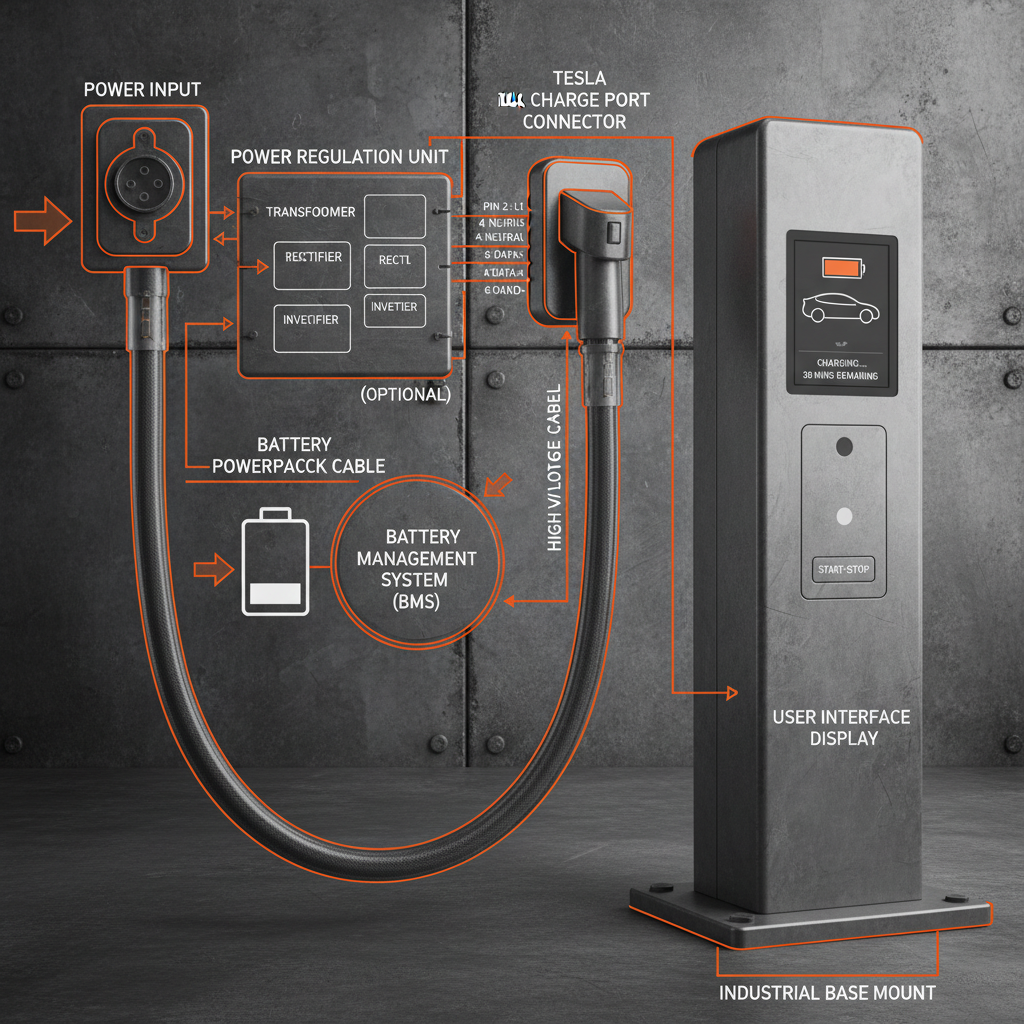
Understanding Tesla Charging Ecosystems
Tesla has revolutionized the EV landscape by creating a vertically integrated charging network. However, many owners are now opting for third-party solutions to increase flexibility. A high-quality charging point tesla compatible systems can offer advanced energy management features, such as integration with solar panels or battery storage systems. By utilizing smart charging technology, users can schedule their charging during off-peak hours to reduce electricity costs and minimize the load on the local power grid.
Pro Tip: Integrating your charging point with a BESS (Battery Energy Storage System) allows you to store cheap overnight energy and use it to charge your Tesla during the day, maximizing cost-efficiency.
Comparing Charging Speeds: Level 2 vs. DC Fast Charging
When selecting a charging point tesla hardware, the primary consideration is the charging speed. Level 2 chargers are the standard for residential use, providing a steady flow of energy overnight. In contrast, DC Fast Chargers (Superchargers) are designed for long-distance travel, pushing high currents directly into the battery. Understanding the difference in kilowatts (kW) and the resulting "miles per hour" of charge is essential for planning your trips and managing battery health.
Installation Requirements for a Charging Point Tesla Setup
Installing a professional charging point tesla owners prefer requires careful electrical planning. Most high-speed home chargers require a dedicated circuit breaker and a heavy-duty wiring setup to handle the continuous current. It is highly recommended to consult a certified electrician to ensure your home's panel can support the additional load. Proper grounding and the use of high-quality conduits prevent overheating and ensure the longevity of your vehicle's battery system.
Maximizing Efficiency with Smart Energy Storage
The future of EV ownership lies in the synergy between the vehicle and the home. By pairing your charging point tesla with a Battery Energy Storage System (BESS), you create a sustainable energy loop. This setup allows you to capture solar energy during the day and discharge it into your Tesla at night. Not only does this reduce your carbon footprint, but it also protects your car from power surges and provides a backup power source during grid outages, making your home a self-sufficient energy hub.
Technical Specifications for Tesla-Compatible Hardware
When evaluating different hardware specifications, it is important to look beyond the wattage. Factors such as IP ratings (for weather resistance), thermal management systems, and communication protocols (like OCPP) determine the reliability of your charging point tesla. A high-quality charger should feature an intelligent BMS (Battery Management System) that communicates with the vehicle to prevent overcharging and optimize the charging curve.
Maintaining Your Charging Equipment for Longevity
To ensure your charging point tesla setup remains efficient, regular maintenance is required. Check the charging cables for any signs of wear or fraying and ensure the connector pins are clean and free of debris. For outdoor installations, verify that the weather shielding is intact. Keeping the hardware updated with the latest firmware can also unlock new efficiency improvements and security patches, ensuring that your energy transfer remains safe and optimized over many years of ownership.
Conclusion: Powering Your Journey with Confidence
Selecting the right charging point tesla owners trust is more than just a convenience—it is an investment in your vehicle's longevity and your daily efficiency. By understanding the difference between charging levels, ensuring professional installation, and considering the integration of energy storage systems, you can maximize the potential of your electric vehicle. Whether you prioritize lightning-fast speeds or sustainable home energy, the right infrastructure makes all the difference. Experience the future of energy management today.
Frequently Asked Questions (FAQs)
Can I use any third-party charging point for my Tesla?
Yes, as long as the charger is compatible with the charging port of your specific Tesla model (such as the NACS or Type 2 standard). Most high-quality third-party chargers are designed to be universal or offer adapters. However, it is crucial to choose a charger that meets international safety standards (like UL or CE) to avoid damaging your vehicle's onboard charger. We recommend checking the compatibility specifications on the ACDC BESS website to ensure you get a hardware solution that aligns with Tesla's power requirements.
Will a faster charging point degrade my Tesla's battery?
Frequent use of DC Fast Chargers can lead to slightly faster battery degradation due to the heat generated during high-current charging. However, for daily use, a Level 2 charging point is considered the "healthiest" way to charge your battery as it provides a slower, more stable energy flow. Tesla's internal Battery Management System (BMS) actively manages the temperature and current to mitigate these risks, but for maximum longevity, it is generally advised to use fast charging primarily for long trips and Level 2 charging for home needs.
How does energy storage (BESS) improve the charging experience?
Integrating a Battery Energy Storage System (BESS) allows you to decouple your vehicle's charging from the grid's immediate demand. You can store energy from solar panels or the grid during low-cost periods and use it to power your charging point during peak hours. This not only lowers your electricity bills but also ensures that you have a reliable power source for your Tesla even during grid instability. It transforms your charging point from a simple appliance into a smart energy hub, providing complete control over your energy consumption and costs.
-
Cedar Point EV Charging Solutions for Sustainable Tourism Experience
NewsApr.16,2026
-
Guide to Cedar Point Charging Stations for EV Park Visitors
NewsApr.16,2026
-
Acorn Stairlift Charging Point Guide for Home Mobility Optimization
NewsApr.16,2026
-
Integrating a Wireless Charging Point into Modern Infrastructure
NewsApr.16,2026
-
How to Optimize Your iPhone 14 Charging Point for Efficiency
NewsApr.16,2026
-
Analyzing the Charging Point Share Price Trends and Market Outlook
NewsApr.09,2026