

Mar . 14, 2026 01:55 Back to list
Comprehensive Guide to Backup Power Supply for Home UK Solutions
Choosing the Right Backup Power Supply for Home UK
Power outages can disrupt daily life, impacting everything from essential appliances to security systems. A reliable backup power supply for home UK residents is no longer a luxury, but a necessity. This article explores the different types of backup power solutions available, factors to consider when choosing a system, and how to ensure you select the best option to keep your home powered during unexpected outages. We will cover UPS systems, generators, and battery storage, focusing on what’s best suited to UK homes. Protecting your home and family requires preparation, and a robust backup power system is a crucial step.
Understanding Different Types of Backup Power
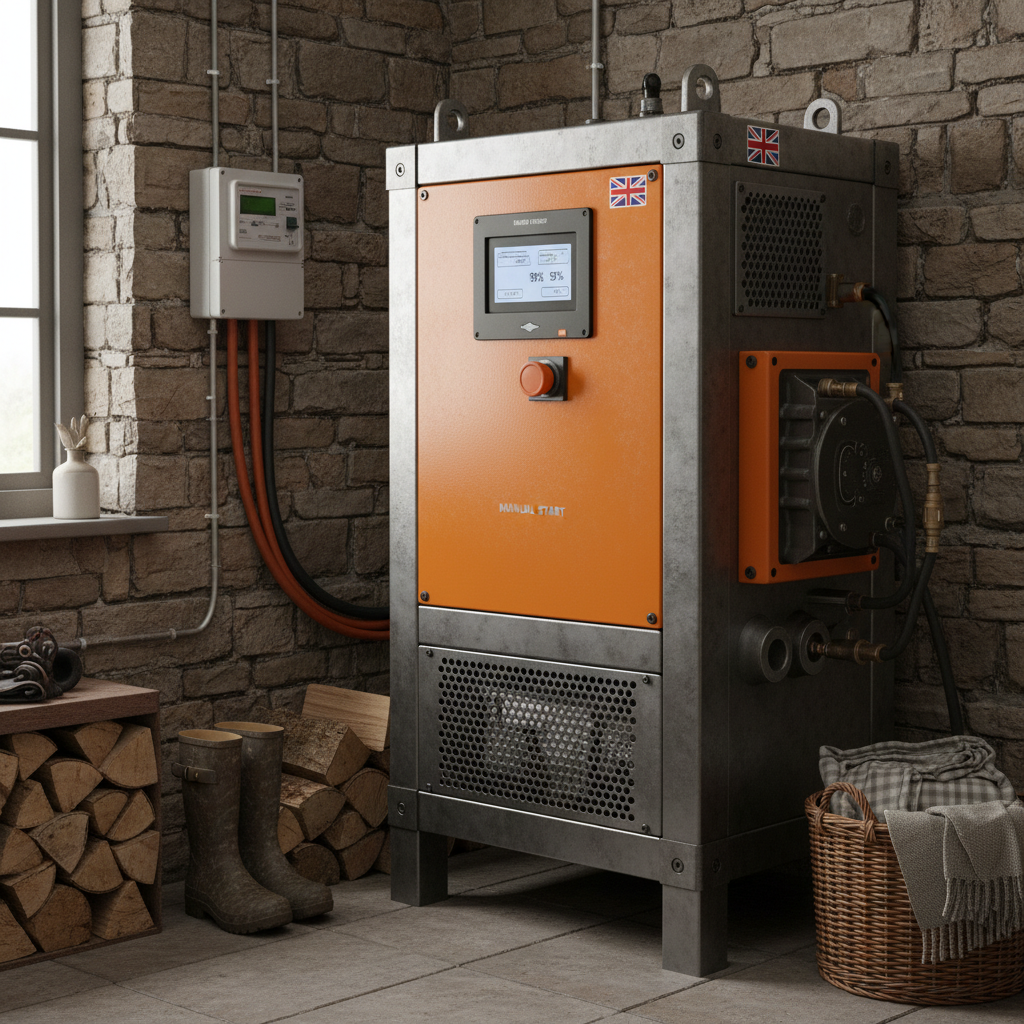
There are several types of backup power solutions available for UK homes, each with its own advantages and disadvantages. Uninterruptible Power Supplies (UPS) provide immediate, short-term power, ideal for protecting sensitive electronics. Generators offer longer-duration power, but require fuel and can be noisy. Battery storage systems, often paired with solar panels, provide a clean and quiet alternative, storing energy for later use. Knowing the differences between these systems is vital for selecting the right one for your specific needs. ACDCBESS provides a range of these solutions tailored for UK homes.
Key Takeaway: Selecting the right backup power solution involves understanding your power needs, budget, and environmental considerations.
UPS Systems: Short-Term Protection
UPS systems are designed to provide instant backup power during brief outages or voltage fluctuations. They are primarily used to protect sensitive electronic devices like computers, servers, and medical equipment. When a power outage occurs, the UPS instantly switches to battery power, allowing you to safely shut down your devices or continue working for a limited time. UPS systems are relatively inexpensive and easy to install, but they have limited runtime. A good UPS can give you crucial minutes to save your work and power down safely.
UPS System Benefits:
• Instantaneous power switchover
• Protects sensitive electronics
• Relatively low cost
• Easy installation
Generators vs. Battery Storage: A Comparative Look
Generators and battery storage systems offer longer-duration backup power, but they differ significantly in their operation and environmental impact. Generators typically run on petrol, diesel, or gas and provide power for hours or even days. However, they are noisy, produce emissions, and require regular maintenance. Battery storage systems, on the other hand, are silent, emission-free, and require minimal maintenance. They store energy from the grid, solar panels, or other sources, providing clean and reliable backup power. ACDCBESS offer both options but focus on the sustainable advantages of battery storage.
Factors to Consider When Choosing a Backup Power Supply for Home UK
Several factors influence the ideal backup power solution for your home. First, assess your essential power needs. What appliances absolutely must remain running during an outage (refrigerator, medical devices, heating system)? Second, consider the length of typical power outages in your area. Third, evaluate your budget and long-term operating costs. Finally, think about your environmental concerns and whether you prefer a clean energy solution. ACDCBESS can help you through this assessment to choose the right solution.
Product Specifications - ACDC BESS Home Storage System
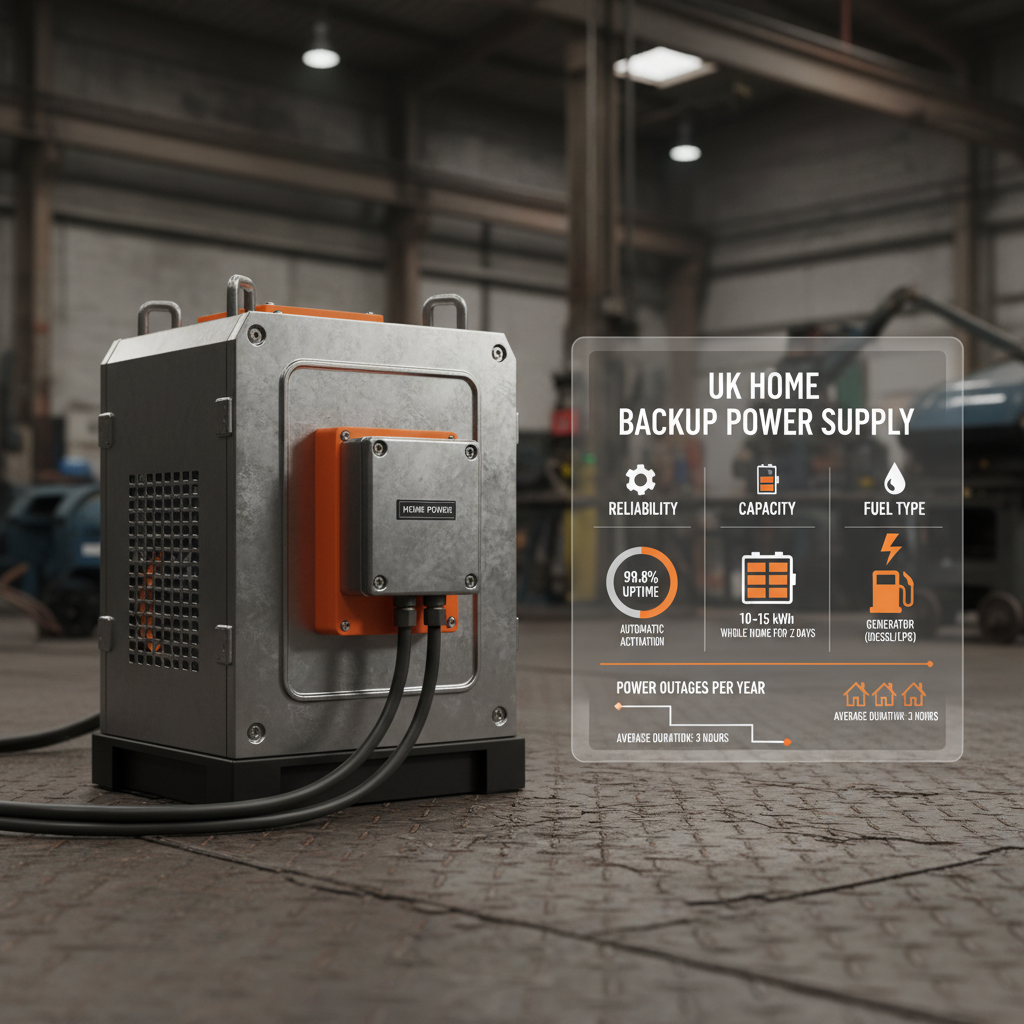
Here’s a glimpse of specifications available in our range:
Conclusion: Powering Peace of Mind
Investing in a backup power supply for home UK is an investment in your comfort, security, and peace of mind. Whether you choose a UPS, generator, or battery storage system, ensuring you have a reliable power source during outages is crucial. ACDCBESS offers a range of solutions to fit your needs and budget, providing expert guidance and installation services. Don't wait for the next power outage to prepare.
Frequently Asked Questions (FAQs)
How long will a battery storage system power my home during an outage?
The runtime of a battery storage system depends on the system's capacity (measured in kWh) and the amount of power your home is consuming. A 5kWh system might power essential appliances like a refrigerator, lights, and a few small electronics for 5-10 hours. Larger systems with 10kWh or more capacity can provide longer runtime. Factors such as appliance energy efficiency and ambient temperature also influence runtime. It’s crucial to assess your typical energy consumption to accurately estimate how long a battery storage system will power your home.
Are backup power systems eligible for government grants in the UK?
Currently, there are various government schemes available in the UK that support energy efficiency and renewable energy adoption. While direct grants for backup power systems are less common, certain schemes, such as those promoting solar panel installation with battery storage, may offer financial incentives. It's recommended to check the latest information on the government’s website and with energy providers to see if any applicable grants or schemes are available. ACDCBESS can provide information about current incentives.
What maintenance is required for a battery storage system?
Battery storage systems generally require minimal maintenance. Regular visual inspections to ensure there are no signs of damage or corrosion are recommended. Software updates may be required to optimize performance and security. LiFePO4 batteries, commonly used in ACDC BESS systems, have a long lifespan and require less maintenance than traditional lead-acid batteries. Professional servicing every few years can help ensure optimal performance and longevity.
Can I connect a generator to a battery storage system?
Yes, it is possible to connect a generator to a battery storage system, creating a hybrid power solution. This allows you to utilize the benefits of both technologies. The generator can recharge the battery storage system, extending your backup power runtime, while the battery storage system can smooth out the generator's power output and reduce noise. ACDCBESS offers integrated systems that allow for seamless generator integration.
-
Cedar Point EV Charging Solutions for Sustainable Tourism Experience
NewsApr.16,2026
-
Guide to Cedar Point Charging Stations for EV Park Visitors
NewsApr.16,2026
-
Acorn Stairlift Charging Point Guide for Home Mobility Optimization
NewsApr.16,2026
-
Integrating a Wireless Charging Point into Modern Infrastructure
NewsApr.16,2026
-
How to Optimize Your iPhone 14 Charging Point for Efficiency
NewsApr.16,2026
-
Analyzing the Charging Point Share Price Trends and Market Outlook
NewsApr.09,2026