


Apr . 09, 2026 01:55 Back to list
Efficiency Guide for Charge Point Free Charging Solutions
Maximizing Efficiency with Charge Point Free Charging Solutions
As the global transition toward electric mobility accelerates, the demand for accessible and cost-effective infrastructure has never been higher. Finding a charge point free charging station is often the primary goal for EV drivers looking to reduce their operational costs. However, "free charging" is rarely just about the electricity; it is about the strategic integration of energy storage and smart management. By leveraging advanced Battery Energy Storage Systems (BESS), businesses can offer sustainable charging incentives while maintaining grid stability. In this guide, we will explore how free charging ecosystems work and how to implement the hardware necessary to support them.
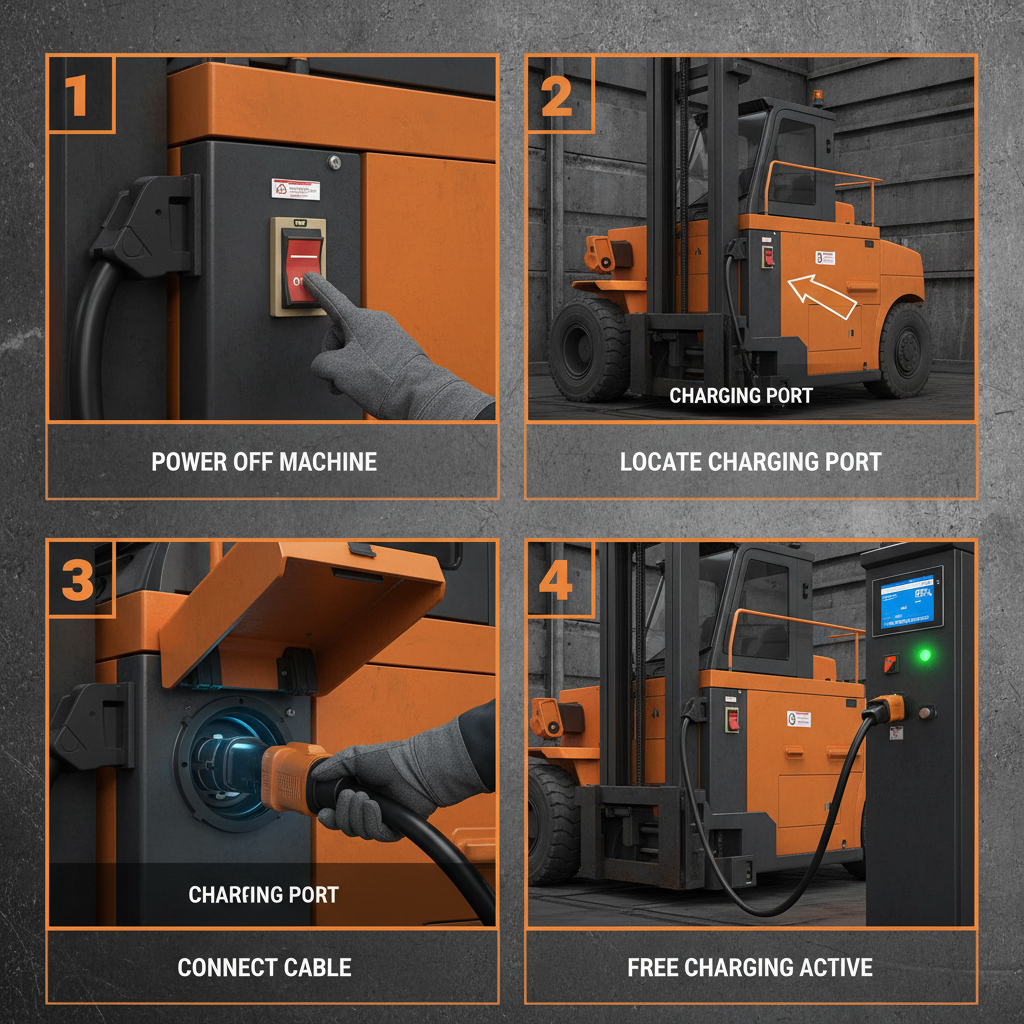
The Economics of Charge Point Free Charging
Many commercial entities offer free charging as a "loss leader" to attract high-value customers to their locations. While the electricity cost is borne by the provider, the increase in foot traffic and dwell time often offsets the expense. To make charge point free charging sustainable, operators are increasingly turning to solar-plus-storage models. By capturing energy during peak sunlight hours and storing it in industrial-grade batteries, companies can provide "free" power that actually costs them nothing in utility fees, effectively turning a marketing expense into a sustainable energy asset.
Industry Insight: Implementing a BESS allows operators to avoid "Demand Charges" from utility companies, which are often the most expensive part of running a public charging station.
Comparing Charging Models for Business Owners
Choosing between a paid model and a charge point free charging strategy depends on the business objective. A retail center might prefer free charging to increase shopping time, whereas a dedicated charging hub focuses on high-turnover revenue. The key to success lies in the hardware efficiency and the ability to balance the load without crashing the local electrical panel. Below is a comparison of how different strategies impact business growth and energy costs.
Technical Requirements for Free Charging Stations
To successfully operate a charge point free charging system without incurring massive electricity bills, technical precision is required. The integration of an Energy Storage System (ESS) allows for "peak shaving," where the battery discharges during high-demand periods to keep costs low. Furthermore, smart load balancing ensures that multiple vehicles can charge simultaneously without overloading the local transformer. This infrastructure not only supports the EVs but also stabilizes the overall energy ecosystem of the facility.
Optimizing BESS for Charge Point Free Charging
The secret to a profitable free charging station is the hardware behind the plug. A high-capacity Battery Energy Storage System (BESS) acts as a buffer. For instance, by charging the BESS at night during "off-peak" hours when electricity is cheapest, a business can provide charge point free charging during the day without paying premium daytime rates. This strategic energy arbitrage is what makes the "free" model viable for large-scale commercial deployments.
Future Trends in Public EV Infrastructure
Looking ahead, the concept of charge point free charging will likely evolve into "integrated energy hubs." We are seeing a shift toward Vehicle-to-Grid (V2G) technology, where the cars themselves act as part of the storage system. By combining BESS with AI-driven energy forecasting, providers can predict when demand will spike and adjust their "free" offering in real-time to protect the grid. This evolution will make the infrastructure more resilient and the user experience more seamless.
Sustainable Implementation Strategies
For a business to successfully implement a free charging strategy, it must begin with a comprehensive energy audit. Understanding the base load of the building and the potential peak load of several EVs is critical. By investing in high-quality equipment from ACDCBESS, operators can ensure they have the storage capacity to handle sudden surges in demand. A sustainable approach combines green energy generation, smart storage, and a clear understanding of customer behavior to ensure the "free" service remains a benefit rather than a burden.
Conclusion: The Path to Smarter EV Charging
Implementing a charge point free charging system is a powerful way to drive customer loyalty and support the green energy transition. However, the viability of this model depends entirely on the underlying energy infrastructure. By integrating advanced Battery Energy Storage Systems (BESS) and smart management tools, businesses can offer free electricity while protecting their bottom line and the electrical grid. Invest in the right technology today to lead the electric revolution tomorrow.
Frequently Asked Questions (FAQs)
Is "free charging" actually free for the business owner?
Technically, no. The business owner pays for the electricity and the hardware. However, by using an Energy Storage System (BESS), the owner can charge the batteries during off-peak hours (when rates are lowest) and discharge them into the vehicles during the day. This minimizes the cost. Additionally, the "cost" is often viewed as a marketing expense to attract customers who will spend money at the business, creating an indirect profit.
How does BESS prevent grid overload during free charging?
When multiple EVs plug into a charge point free charging station, they create a massive spike in demand. A BESS acts as a reservoir; instead of drawing all that power directly from the grid (which could trip a circuit breaker), the station draws power from the batteries. This "peak shaving" keeps the demand on the grid constant and manageable, preventing costly outages and demand penalties.
What is the best way to sustain a free charging model long-term?
The most sustainable method is the "Solar + Storage" approach. By installing solar panels to generate energy and a BESS to store it, the business eliminates its reliance on the utility grid for charging. This makes the cost of providing free charging nearly zero after the initial investment in equipment. Monitoring usage patterns through a smart management system also helps in optimizing the charging speed to match available energy levels.
Can any business implement a free charging station?
Almost any business with available parking and an electrical panel can, but the scale differs. Small businesses might start with Level 2 chargers, while large malls or hotels require DC Fast Chargers. Regardless of size, we strongly recommend integrating a storage solution to avoid unexpected utility bills. You can explore professional energy storage options at ACDCBESS to find a system that fits your specific power requirements.
-
Cedar Point EV Charging Solutions for Sustainable Tourism Experience
NewsApr.16,2026
-
Guide to Cedar Point Charging Stations for EV Park Visitors
NewsApr.16,2026
-
Acorn Stairlift Charging Point Guide for Home Mobility Optimization
NewsApr.16,2026
-
Integrating a Wireless Charging Point into Modern Infrastructure
NewsApr.16,2026
-
How to Optimize Your iPhone 14 Charging Point for Efficiency
NewsApr.16,2026
-
Analyzing the Charging Point Share Price Trends and Market Outlook
NewsApr.09,2026