

Oct . 28, 2025 01:20 Back to list
EMS: Real-Time Energy Control & Cost-Saving Storage
Ems is a key solution in the energy industry industry, specifically within energy management and Energy Management System. This article explores how Suzhou ACDC New Energy Technology Co., LTD., supports professionals with durable, high-performance products, and explains why this product is an ideal choice for businesses in these sectors.
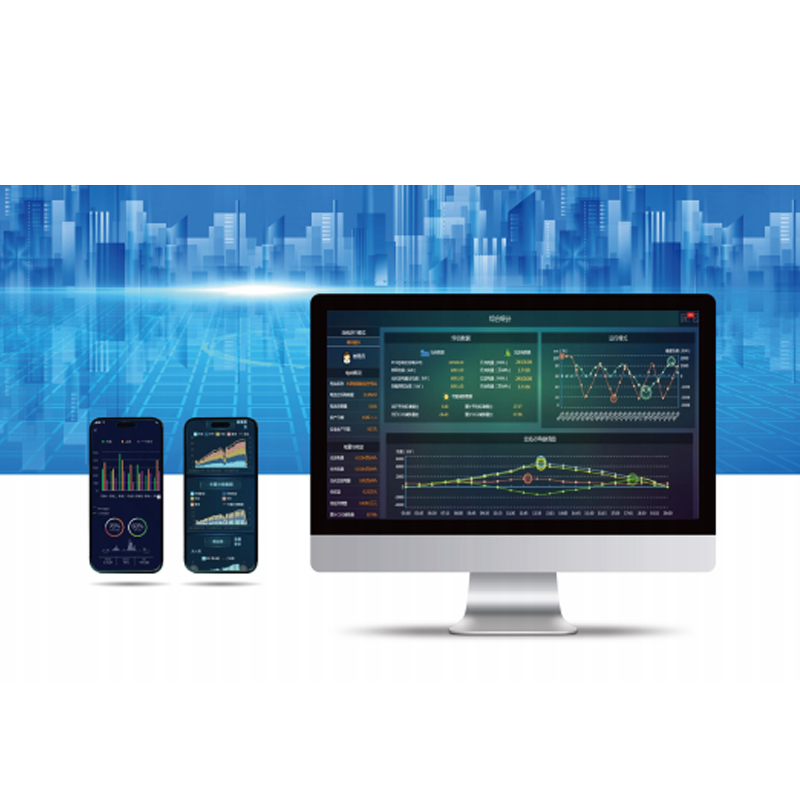
Table of Contents
- Ems Overview
- Benefits & Use Cases of Ems in Energy Management System
- Cost, Maintenance & User Experience
- Sustainability & Market Trends in energy industry
- Conclusion on Ems from Suzhou ACDC New Energy Technology Co., LTD.,
Ems Overview
An Energy Management System (EMS) is the intelligence layer that monitors, controls, and optimizes distributed energy resources (DERs) such as battery storage, photovoltaic (PV), diesel/gas gensets, EV chargers, and critical loads. In the energy management value chain, Ems delivers real-time visibility, automated dispatch, and data-driven optimization to improve reliability, reduce energy costs, and accelerate decarbonization. For B2B decision makers, it acts as the operational command center that translates strategy—cost, carbon, and resilience—into measurable outcomes at site, campus, microgrid, and portfolio levels.
Technically, modern Ems solutions combine edge control with cloud analytics. Core capabilities include data acquisition (e.g., common protocols such as Modbus TCP/IP, OPC UA, and IEC series), forecasting (load, solar, price), optimization (e.g., peak shaving, arbitrage, demand response), and cybersecurity-aligned design practices. Architectures typically support multi-site aggregation, configurable alarms, user role management, and API-based integration with BMS, SCADA, and enterprise systems (ERP/CMMS).
Suzhou ACDC New Energy Technology Co., LTD., provides a robust Ems offering that is engineered for compatibility with battery energy storage and renewables, enabling rapid deployment and stable operation for industrial facilities, commercial buildings, data centers, and utility-scale assets. As a reliable manufacturer in the energy management domain, the company emphasizes quality, safety, and lifecycle support to keep assets performing at their best.
Benefits & Use Cases of Ems in Energy Management System
In Energy Management System deployments, Ems unlocks multiple applications that directly impact the P&L and resilience goals. Typical use cases include peak shaving and time-of-use arbitrage, multi-site load balancing, microgrid islanding and black start support, power quality management (e.g., smoothing fluctuations from PV), and demand response participation where markets allow. For portfolios that collaborate with energy storage battery companies, Ems orchestrates the battery energy storage system (BESS) alongside PV and flexible loads to maximize value across diverse tariff structures and operating constraints.
Competitive advantages often come from three pillars: data fidelity, optimization quality, and interoperability. Suzhou ACDC New Energy Technology Co., LTD., focuses on these pillars with features like real-time dashboards, customizable dispatch strategies, alarm workflows, and integration support for meters, inverters, BMS, and building automation. Vendor-agnostic connectivity and modular deployment (edge plus cloud) mean teams can scale from a single facility to a virtual power plant (VPP) configuration without re-architecting the stack.
For decision makers comparing energy management system solutions (and even those searching “energy management systerm”), the Ems product page details how optimization strategies and safety interlocks are engineered to meet operational realities—shift schedules, demand charges, backup requirements, and compliance reporting—while helping teams capture value quickly and safely.
Cost, Maintenance & User Experience
Total cost of ownership (TCO) for Ems spans software licensing, commissioning, integration, training, and ongoing support. Suzhou ACDC New Energy Technology Co., LTD., designs for durability and lifecycle value: modular software reduces rework, standardized interfaces streamline commissioning, and remote services minimize site visits. When paired with storage and renewables, the Ems can improve ROI by aligning asset dispatch with tariffs, reducing peak charges, and enabling participation in incentive programs where available—often resulting in a faster path to payback depending on local market conditions.
Maintenance is simplified with role-based dashboards, health monitoring for connected assets, and secure over-the-air updates. Operators benefit from intuitive user journeys: clear alarms, trend analytics, and configurable reports for finance, sustainability, and operations teams. Feedback from energy management stakeholders often highlights the value of transparent data, stable control logic, and vendor-agnostic device integration—key factors that reduce operational friction and support continuous improvement. For portfolios working with energy storage battery companies, streamlined commissioning and predictable long-term support from Suzhou ACDC New Energy Technology Co., LTD., help standardize operations across multiple sites and asset types.
Sustainability & Market Trends in energy industry
Global sustainability goals and evolving regulations are accelerating adoption of energy management technologies. Enterprises are increasingly aligning with frameworks such as the GHG Protocol and ISO 50001, while new reporting requirements and grid programs encourage flexible demand and distributed resource participation. As energy prices fluctuate and electrification grows (e.g., EV fleets), Ems becomes essential for optimizing behind-the-meter assets, supporting resilience strategies, and documenting carbon impacts through granular measurement and verification.
Suzhou ACDC New Energy Technology Co., LTD., positions its Ems to support these macro trends: integrating renewable energy, enabling battery storage orchestration, and providing data transparency for sustainability reporting. The roadmap emphasizes interoperability, cybersecurity-conscious design, and analytics that help enterprises progress from single-site optimization to fleet-level orchestration and participation in emerging flexibility markets. By combining practical engineering with forward-looking features, the company supports customers in meeting today’s operational goals while preparing for tomorrow’s market mechanisms and regulatory expectations.
Conclusion on Ems from Suzhou ACDC New Energy Technology Co., LTD.,
Ems is the operational backbone that unites assets, data, and decisions across the energy industry’s Energy Management System landscape. By enhancing visibility, control, and optimization, it delivers measurable value in cost, carbon, and resilience for organizations of all sizes. Suzhou ACDC New Energy Technology Co., LTD., has established a reputation for dependable engineering and lifecycle support, helping B2B teams standardize and scale with confidence. Contact us: email: beika@acdctech.com.cn — Visit our website: https://www.acdcbess.com
-
Cedar Point EV Charging Solutions for Sustainable Tourism Experience
NewsApr.16,2026
-
Guide to Cedar Point Charging Stations for EV Park Visitors
NewsApr.16,2026
-
Acorn Stairlift Charging Point Guide for Home Mobility Optimization
NewsApr.16,2026
-
Integrating a Wireless Charging Point into Modern Infrastructure
NewsApr.16,2026
-
How to Optimize Your iPhone 14 Charging Point for Efficiency
NewsApr.16,2026
-
Analyzing the Charging Point Share Price Trends and Market Outlook
NewsApr.09,2026