


Oct . 22, 2025 13:05 Back to list
Energy Management System: Lower Costs & Real-Time Control
Why an Energy Management System belongs in a micro‑module computer room
I’ve spent enough late nights in humming server aisles to know one thing: energy waste hides in plain sight. An Energy Management System (EMS) tightly coupled with a micro‑module computer room is, frankly, the quickest win most facilities leave on the table. The micro‑module format bundles power distribution, precision cooling, cabinets, access control, cabling, and monitoring into one tidy block—then EMS stitches it together so you see, predict, and optimize in real time.
The unit I’ve been touring lately is the Micro module computer room from Suzhou (No. 58 Tongxin Road, Tongan town, Jiangsu province, 215000). It’s simple on paper, flexible in the field, and, surprisingly, deploys faster than most building projects can get a permit. Trends are clear: rising electricity prices, decarbonization targets, and edge‑computing growth mean visibility and control aren’t nice‑to‑haves—they’re survival tools.
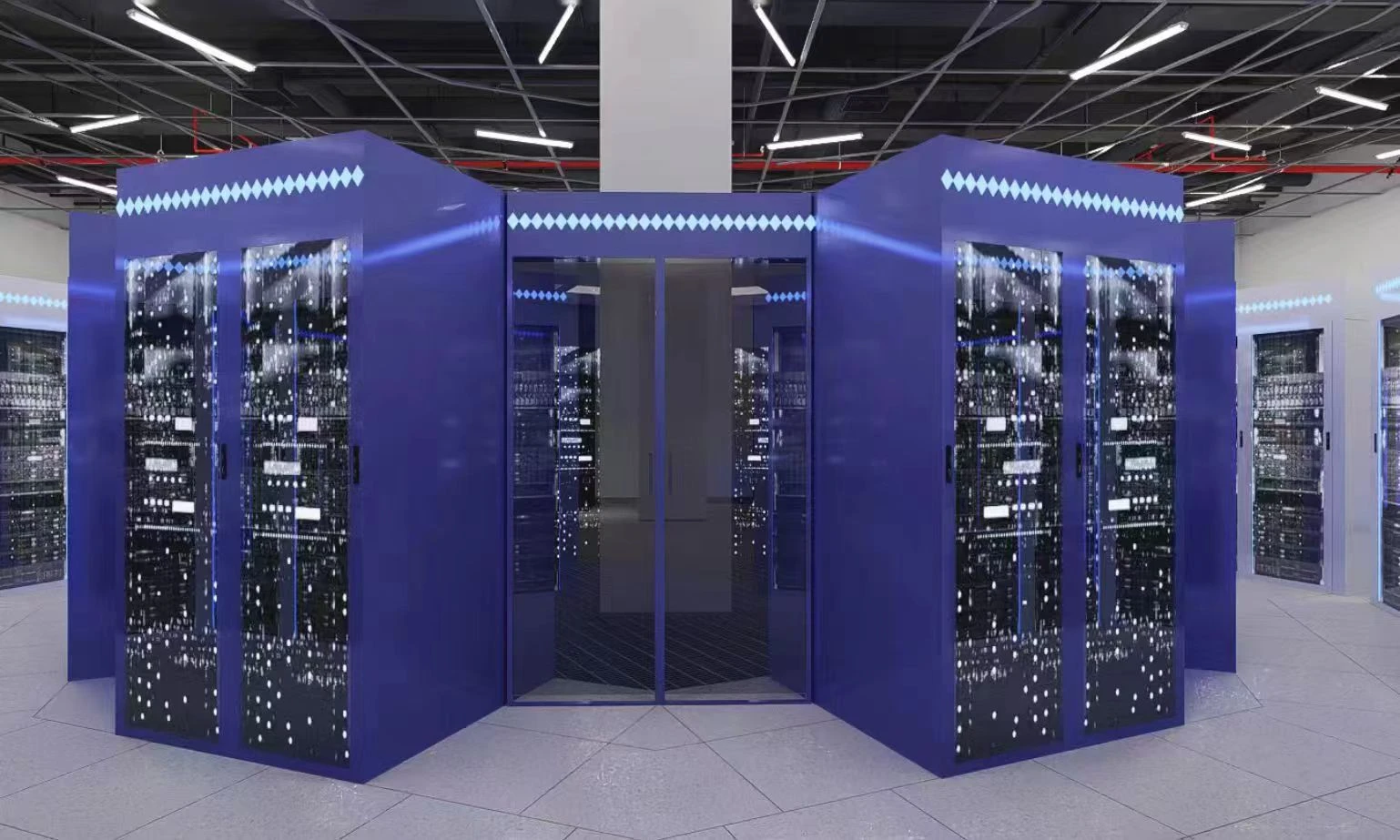
Technical snapshot (real‑world values, not lab fairy dust)
| Form factor | Integrated micro‑module (racks + power + cooling + EMS) |
| Racks per module | 4–12 (customizable) |
| Rated IT load | ≈ 20–120 kW/module (N or N+1) |
| Cooling | In‑row or rear‑door; hot/cold aisle containment |
| Power chain | UPS per IEC 62040; LV switchgear per IEC 61439; PDU metering class 1% |
| Protocols | Modbus/TCP, SNMP, BACnet; REST hooks (on request) |
| PUE target | ≈ 1.35–1.55 (climate and load dependent) |
| Compliance | ISO 50001 alignment; ASHRAE TC 9.9 thermal envelopes |
How it’s built and validated
Materials: powder‑coated steel racks, sealed aisle panels, copper busbars, low‑smoke halogen‑free cabling, closed‑loop cooling with EC fans. Methods: prefabricated sub‑assemblies, factory acceptance testing (FAT), site acceptance testing (SAT). Testing standards: IEC 61439 (switchgear), IEC 62040 (UPS), IEC 61000 (EMC), ASHRAE TC 9.9 for thermal, and ISO 50001 practices for the Energy Management System. Service life: module 10–15 years; UPS batteries 5–10; sensors 5–7 (replaceable).
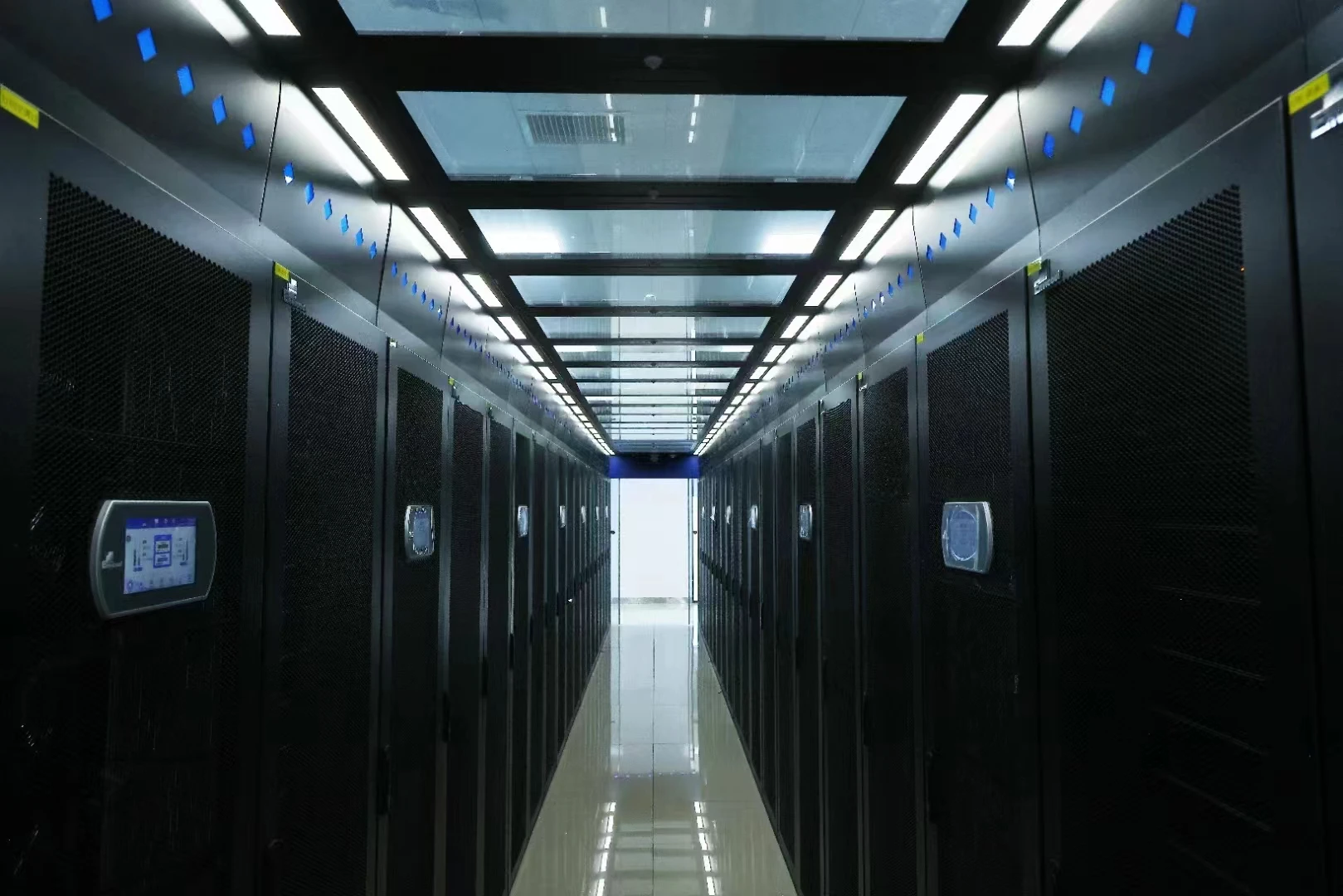
What the Energy Management System actually does
- Live metering at rack/PDU/cooling level; power quality analytics (THD, harmonics).
- Automated set‑point tuning for cooling; load‑based fan curves; night‑setback modes.
- Alarm correlation (e.g., a stuck CRAC valve linked to a PUE spike—seen it happen).
- Forecasting and demand‑response hooks; carbon intensity tracking by grid mix.
Industries and scenarios
Finance rooms with strict uptime, hospitals chasing resilient yet quiet deployments, school data hubs, operators at the edge, and manufacturing cells next to the line. Many customers say the dashboard is “clear enough for facilities, detailed enough for IT”—which, to be honest, is rare.
Field results (one real case)
Regional hospital in Jiangsu: legacy PUE ≈ 1.85. After module + Energy Management System: PUE 1.42 over 9 months (≈23% energy cut), 18‑month payback, weekend IT load curtailment via policy bundles. Data verified against calibrated meters (IEC 62053‑21). Your mileage may vary with climate and utilization.
Vendor landscape (my quick take)
| Vendor/Module | Strengths | Typical PUE | Deploy time |
|---|---|---|---|
| ACDC BESS Micro Module + EMS | Tight integration, fast customization, solid metering | ≈1.35–1.55 | 6–8 weeks |
| Schneider Micro DC + EcoStruxure | Mature software, global service network | ≈1.4–1.6 | 8–12 weeks |
| Huawei FusionModule + NetEco | High density, strong telecom pedigree | ≈1.35–1.55 | 6–10 weeks |
| Vertiv SmartRow + DCIM | Robust hardware, modular growth | ≈1.45–1.65 | 8–12 weeks |
Customization knobs
Pick rack count, redundancy (N/N+1), UPS chemistry (VRLA/LFP), containment style, and EMS integrations (BMS/SCADA via Modbus, SNMP traps to NOC, BACnet to the BAS). Factory support ships from Suzhou, which helps on lead time.
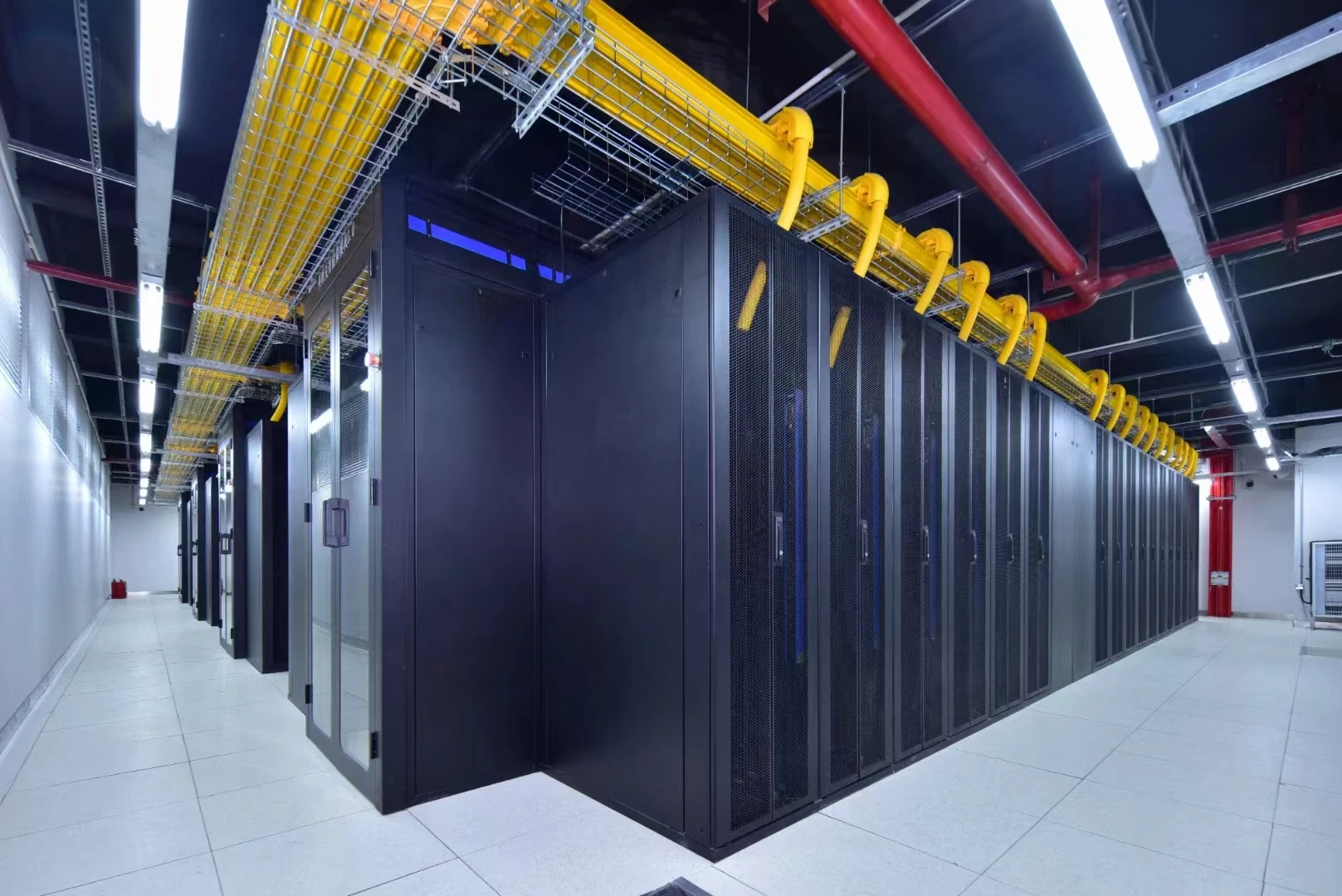
Why it matters now
Energy is the new SLA. With a capable Energy Management System, I’ve seen 15–30% OPEX reductions, floor‑space savings around 30–50%, and fewer 2 a.m. rollouts. Not perfect every time, sure—but consistently better than status quo.
References:
- ISO 50001: Energy management systems — Requirements with guidance. https://www.iso.org/standard/69426.html
- ASHRAE TC 9.9: Thermal Guidelines for Data Processing Environments. https://tc0909.ashraetcs.org
- IEC 61439: Low-voltage switchgear and controlgear assemblies. https://webstore.iec.ch/publication/6002
- IEC 62040: Uninterruptible power systems (UPS). https://webstore.iec.ch/publication/24380
-
Cedar Point EV Charging Solutions for Sustainable Tourism Experience
NewsApr.16,2026
-
Guide to Cedar Point Charging Stations for EV Park Visitors
NewsApr.16,2026
-
Acorn Stairlift Charging Point Guide for Home Mobility Optimization
NewsApr.16,2026
-
Integrating a Wireless Charging Point into Modern Infrastructure
NewsApr.16,2026
-
How to Optimize Your iPhone 14 Charging Point for Efficiency
NewsApr.16,2026
-
Analyzing the Charging Point Share Price Trends and Market Outlook
NewsApr.09,2026