


Apr . 04, 2026 01:55 Back to list
Exploring Advanced Mechanical Energy Storage Methods for a Sustainable Future
Understanding Mechanical Energy Storage Methods
In an increasingly energy-conscious world, efficient energy storage is crucial. While chemical energy storage (like batteries) dominates the landscape, mechanical energy storage methods offer a compelling alternative with distinct advantages. These methods store energy through physical means—motion, tension, or pressure—and are gaining traction for grid-scale applications, transportation, and more. This article explores the various techniques, their benefits, drawbacks, and emerging trends in the field of mechanical energy storage. Understanding these methods is key to building a more sustainable and resilient energy future.
Flywheel Energy Storage: A Spinning Solution
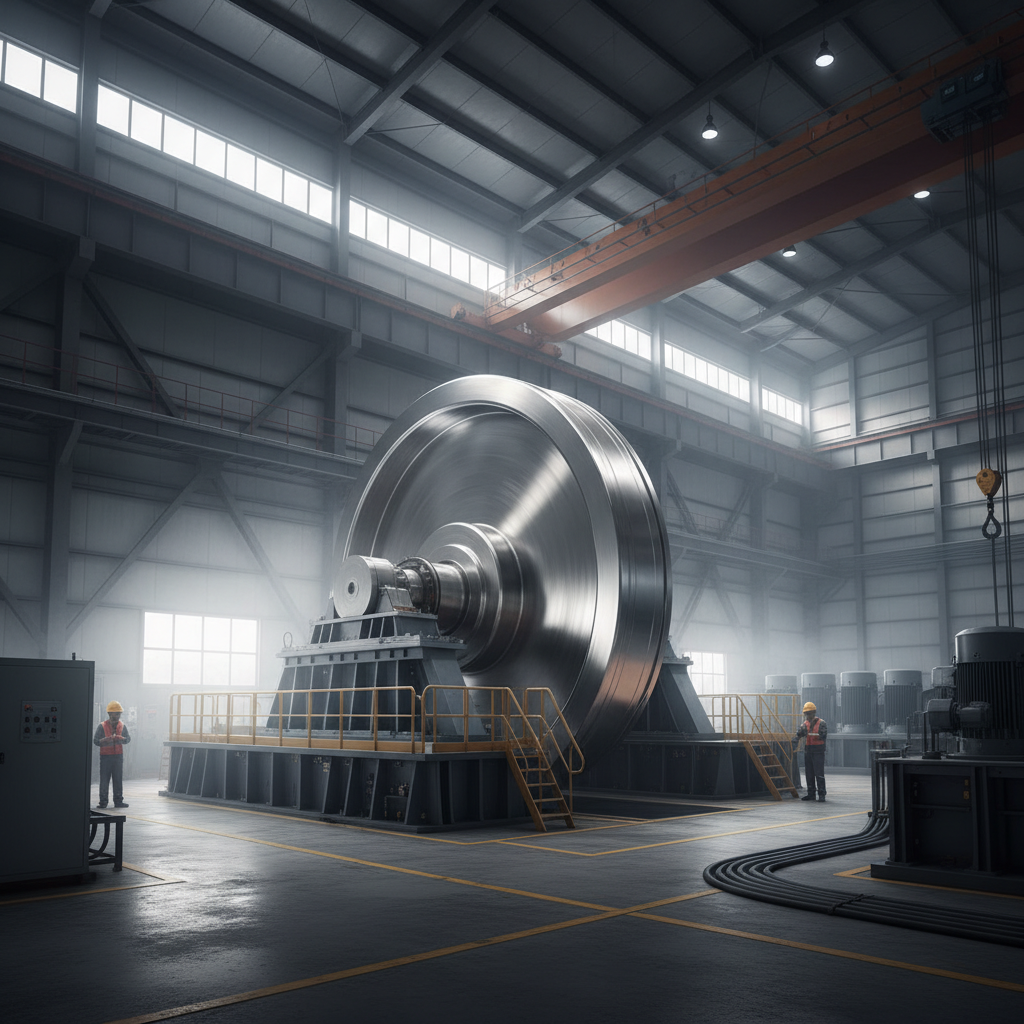
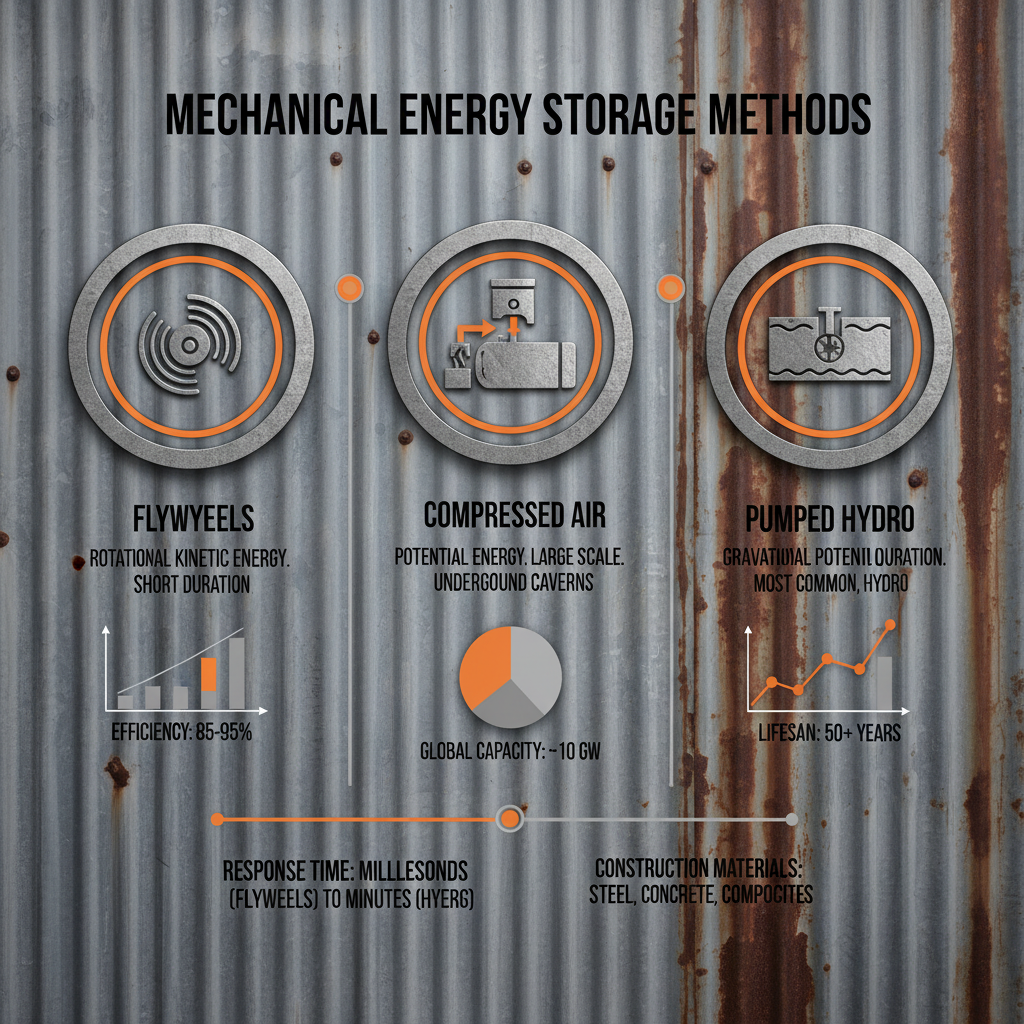
Flywheel energy storage (FES) is a well-established mechanical energy storage technology. It involves accelerating a rotor (the flywheel) to high speeds and storing energy as kinetic energy. When energy is needed, the flywheel’s rotation is slowed down, releasing the stored energy. Modern flywheels utilize composite materials and magnetic bearings to minimize friction and allow for high-speed operation. FES systems excel in applications requiring rapid charge/discharge cycles and have a long lifespan. They’re particularly useful for frequency regulation on the grid, providing short bursts of power to stabilize the system. A key advantage is their environmental friendliness—they don't rely on rare earth materials or hazardous chemicals. ACDC BESS can integrate flywheel systems into larger energy solutions.
Pumped Hydro Storage: The Workhorse of Grid Storage
Pumped hydro storage (PHS) is the most mature and widely deployed form of large-scale energy storage globally. It utilizes two reservoirs at different elevations. During periods of low electricity demand, excess energy is used to pump water from the lower reservoir to the upper reservoir. When demand increases, water is released from the upper reservoir through turbines to generate electricity. PHS offers massive storage capacity and a long lifespan, making it ideal for balancing large fluctuations in electricity supply and demand. While geographically constrained (requiring suitable topography), PHS remains a cornerstone of grid stability in many regions.
Key Benefits of Pumped Hydro: Large capacity, long lifespan, mature technology, provides grid stability.
Compressed Air Energy Storage (CAES): Harnessing Pneumatic Power
Compressed Air Energy Storage (CAES) stores energy by compressing air and storing it in underground caverns, such as salt domes or abandoned mines. When electricity is needed, the compressed air is released, heated (often with natural gas), and used to drive turbines to generate power. CAES offers significant storage capacity, but traditional CAES systems require fossil fuel for heating the air, reducing their overall efficiency and environmental benefits. Advanced Adiabatic CAES (A-CAES) systems are being developed to store the heat generated during compression, eliminating the need for fossil fuels and improving efficiency. ACDC BESS is actively exploring A-CAES integration.
CAES Technology Overview:
• Compresses air into underground storage.
• Releases air to drive turbines.
• Traditional systems often use fossil fuels for heating.
• A-CAES stores heat for improved efficiency.
Mechanical Energy Storage Method Comparison
Different mechanical energy storage methods have unique strengths and weaknesses. The table below provides a comparative overview:
Emerging Technologies in Mechanical Energy Storage
Beyond the established technologies, several innovative mechanical energy storage solutions are under development. Gravity batteries, which lift and lower heavy weights to store and release energy, are gaining attention. Linear generators, which convert linear motion into electricity, are also being explored. These emerging technologies offer potential advantages in terms of cost, scalability, and environmental impact. However, they are generally at an earlier stage of development and require further research and demonstration. ACDC BESS remains at the forefront of exploring and integrating these novel technologies.
Conclusion: A Versatile and Sustainable Energy Storage Option
Mechanical energy storage methods offer a valuable complement to chemical energy storage, providing diverse solutions for grid-scale applications, transportation, and more. Each technology—flywheel, pumped hydro, CAES, and emerging innovations—has unique characteristics, making them suitable for different scenarios. As the demand for renewable energy continues to grow, mechanical energy storage will play an increasingly important role in building a more sustainable and resilient energy future. ACDC BESS is dedicated to providing comprehensive energy storage solutions, including the integration of advanced mechanical storage technologies.
Frequently Asked Questions (FAQs)
What are the primary advantages of mechanical energy storage over batteries?
Mechanical energy storage often boasts a longer lifespan, greater tolerance to extreme temperatures, and reduced reliance on rare earth materials compared to battery technologies. Flywheels, for example, can undergo hundreds of thousands of charge/discharge cycles with minimal degradation. Pumped hydro offers decades of reliable operation. Furthermore, certain mechanical methods, like A-CAES, can avoid the use of hazardous chemicals associated with some battery chemistries, making them more environmentally friendly.
What are the geographical limitations of Pumped Hydro Storage?
Pumped hydro storage requires specific topographical features—two reservoirs at significantly different elevations connected by a waterway. This limits its deployment to areas with suitable natural landscapes. Constructing new pumped hydro facilities can also involve significant environmental impacts, such as altering river flows and affecting aquatic ecosystems. However, closed-loop pumped hydro systems, which utilize off-river reservoirs, are being developed to mitigate these environmental concerns.
How does A-CAES improve upon traditional Compressed Air Energy Storage?
Traditional CAES systems require burning fossil fuels to heat the compressed air before releasing it through turbines, reducing their overall efficiency and carbon footprint. Advanced Adiabatic CAES (A-CAES) overcomes this limitation by storing the heat generated during air compression. This stored heat is then used to reheat the air during discharge, eliminating the need for fossil fuel combustion and significantly improving efficiency and environmental performance. A-CAES offers a cleaner and more sustainable CAES solution.
What role will mechanical storage play in the future energy grid?
Mechanical energy storage is poised to play a crucial role in integrating increasing amounts of intermittent renewable energy sources, such as solar and wind, into the grid. Its ability to provide fast response times and large-scale storage capacity makes it ideal for stabilizing grid frequency, smoothing out fluctuations in renewable energy output, and enhancing grid reliability. As energy storage costs continue to decline and new technologies emerge, mechanical storage will become an increasingly attractive option for building a more sustainable and resilient energy system.
-
Cedar Point EV Charging Solutions for Sustainable Tourism Experience
NewsApr.16,2026
-
Guide to Cedar Point Charging Stations for EV Park Visitors
NewsApr.16,2026
-
Acorn Stairlift Charging Point Guide for Home Mobility Optimization
NewsApr.16,2026
-
Integrating a Wireless Charging Point into Modern Infrastructure
NewsApr.16,2026
-
How to Optimize Your iPhone 14 Charging Point for Efficiency
NewsApr.16,2026
-
Analyzing the Charging Point Share Price Trends and Market Outlook
NewsApr.09,2026